Avatar of Vocabulary Set Lingua e grammatica

Insieme di vocabolario Lingua e grammatica in Vocabolario avanzato per TOEFL: Lista completa e dettagliata

L'insieme di vocabolario 'Lingua e grammatica' in 'Vocabolario avanzato per TOEFL' è selezionato con cura da fonti di testi standard internazionali, aiutandoti a padroneggiare il vocabolario in breve tempo. Compilazione completa di definizioni, esempi illustrativi e pronuncia standard...

Impara questo insieme di vocabolario su Lingoland

Impara ora

etymology

/ˌet̬.ɪˈmɑː.lə.dʒi/

(noun) etimologia

Esempio:

The etymology of the word 'hello' is quite interesting.
L'etimologia della parola 'ciao' è piuttosto interessante.

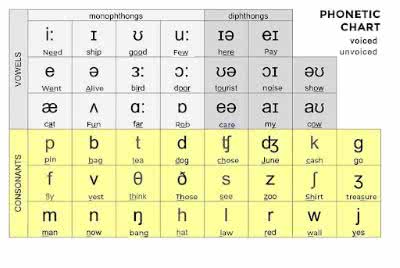
phonetics

/foʊˈnet̬.ɪks/

(noun) fonetica

Esempio:

She is studying phonetics to improve her pronunciation.
Sta studiando fonetica per migliorare la sua pronuncia.

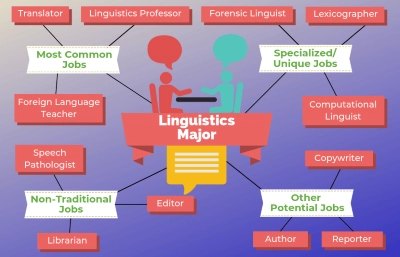
linguistics

/lɪŋˈɡwɪs.tɪks/

(noun) linguistica

Esempio:

She is pursuing a degree in linguistics.
Sta conseguendo una laurea in linguistica.

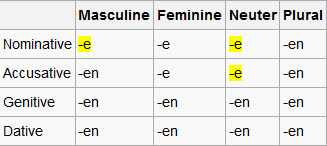
declension

/dɪˈklen.ʃən/

(noun) declinazione, declino, decadimento

Esempio:
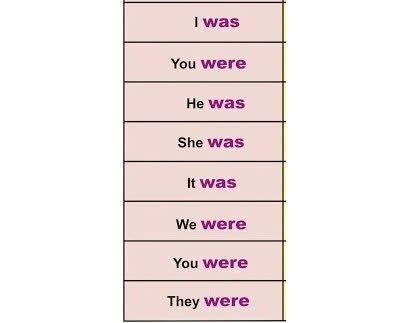
Latin nouns have five main patterns of declension.
I sostantivi latini hanno cinque modelli principali di declinazione.

conjugate

/ˈkɑːn.dʒə.ɡeɪt/

(verb) coniugare, unire;

(adjective) coniugato;

(noun) coniugato

Esempio:
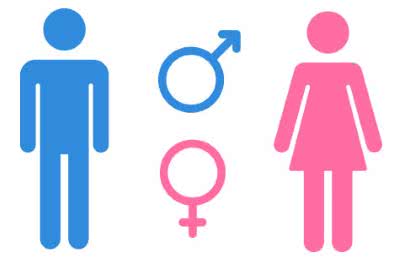
Students learn to conjugate verbs in different tenses.
Gli studenti imparano a coniugare i verbi in diversi tempi.

gender

/ˈdʒen.dɚ/

(noun) genere, sesso;

(verb) assegnare un genere, genere

Esempio:
The company is committed to promoting gender equality in the workplace.
L'azienda si impegna a promuovere la parità di genere sul posto di lavoro.

subjunctive

/səbˈdʒʌŋk.tɪv/

(adjective) congiuntivo;

(noun) congiuntivo

Esempio:
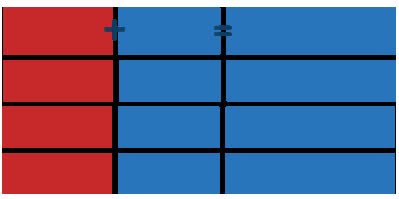
The sentence 'If I were a bird' uses the subjunctive mood.
La frase 'Se io fossi un uccello' usa il modo congiuntivo.

prefix

/ˈpriː.fɪks/

(noun) prefisso;

(verb) prefiggere

Esempio:
The word "unhappy" has the prefix "un-".
La parola "unhappy" ha il prefisso "un-".

suffix

/ˈsʌf.ɪks/

(suffix) suffisso

Esempio:

The suffix "-ing" is often used to form present participles.
Il suffisso "-ing" è spesso usato per formare i participi presenti.

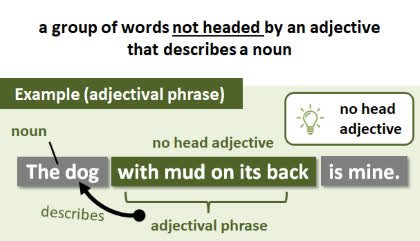
adjectival

/ˌædʒ.ekˈtaɪ.vəl/

(adjective) aggettivale

Esempio:

The word 'beautiful' is an adjectival form.
La parola 'bello' è una forma aggettivale.

adverbial

/ədˈvɝː.bi.əl/

(adjective) avverbiale;

(noun) avverbiale, avverbio

Esempio:

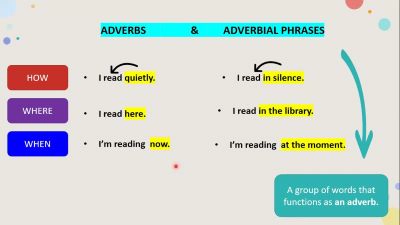
The phrase 'very quickly' is an adverbial phrase.
La frase 'molto velocemente' è una frase avverbiale.

jargon

/ˈdʒɑːr.ɡən/

(noun) gergo, linguaggio tecnico

Esempio:

The legal document was full of technical jargon.
Il documento legale era pieno di gergo tecnico.

sarcasm

/ˈsɑːr.kæz.əm/

(noun) sarcasmo

Esempio:

Her voice was full of sarcasm as she thanked him for his 'help'.
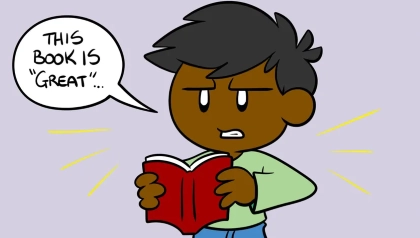
La sua voce era piena di sarcasmo mentre lo ringraziava per il suo 'aiuto'.

allusion

/əˈluː.ʒən/

(noun) allusione, riferimento

Esempio:
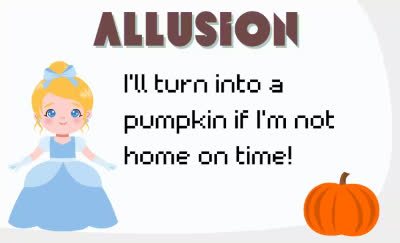
The poem contains an allusion to Greek mythology.
La poesia contiene un'allusione alla mitologia greca.

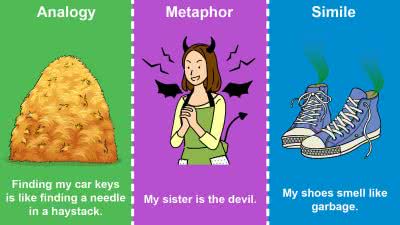
analogy

/əˈnæl.ə.dʒi/

(noun) analogia, paragone, corrispondenza

Esempio:
The teacher drew an analogy between the human heart and a pump.
L'insegnante ha tracciato un'analogia tra il cuore umano e una pompa.

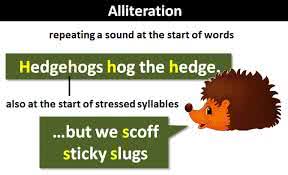
alliteration

/əˌlɪt̬.əˈreɪ.ʃən/

(noun) allitterazione

Esempio:

The poem used alliteration with the phrase 'slippery, slithering snake'.
La poesia usava l'allitterazione con la frase 'slippery, slithering snake'.

articulate

/ɑːrˈtɪk.jə.lət/

(adjective) eloquente, articolato;

(verb) articolare, esprimere, unire

Esempio:

She is a very articulate speaker.
È una oratrice molto eloquente.

affirmative

/əˈfɝː.mə.t̬ɪv/

(adjective) affermativo, positivo;

(noun) sì, affermazione

Esempio:

Her answer was an affirmative nod.
La sua risposta fu un cenno affermativo.

euphemism

/ˈjuː.fə.mɪ.zəm/

(noun) eufemismo

Esempio:

'Passed away' is a euphemism for 'died'.
'Scomparso' è un eufemismo per 'morto'.

irony

/ˈaɪ.rə.ni/

(noun) ironia, paradosso

Esempio:

The irony of the situation was that the fire station burned down.
L'ironia della situazione era che la stazione dei pompieri bruciò.

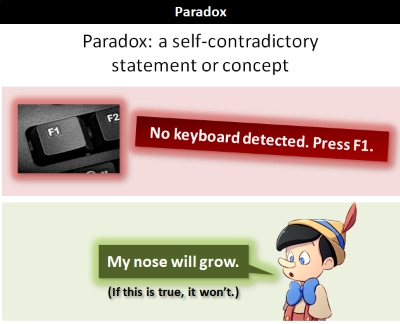
paradox

/ˈper.ə.dɑːks/

(noun) paradosso, contraddizione

Esempio:

The statement "This statement is false" is a classic paradox.
L'affermazione "Questa affermazione è falsa" è un classico paradosso.

hyperbole

/haɪˈpɝː.bəl.i/

(noun) iperbole, esagerazione

Esempio:
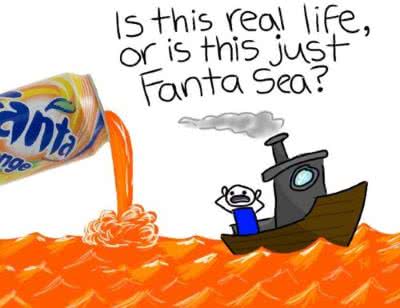
He used hyperbole to describe his hunger, saying he could eat a horse.
Ha usato l'iperbole per descrivere la sua fame, dicendo che avrebbe potuto mangiare un cavallo.

pun

/pʌn/

(noun) gioco di parole, bisticcio;

(verb) fare giochi di parole, bisticciare

Esempio:
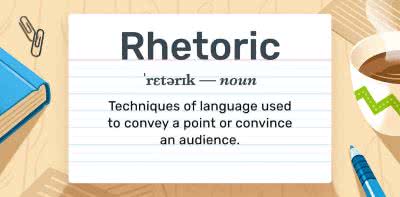
He made a clever pun about the baker, saying he kneaded the dough.
Ha fatto un gioco di parole intelligente sul fornaio, dicendo che impastava l'impasto.

rhetorical

/rɪˈtɔːr.ɪ.kəl/

(adjective) retorico

Esempio:

He used a lot of rhetorical devices in his speech.
Ha usato molti espedienti retorici nel suo discorso.

satire

/ˈsæt.aɪr/

(noun) satira, burla

Esempio:

His latest novel is a biting satire on modern consumerism.
Il suo ultimo romanzo è una satira pungente sul consumismo moderno.

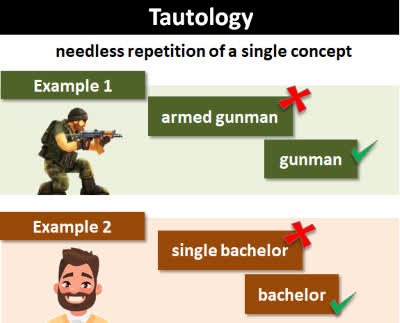
tautology

/tɑːˈtɑː.lə.dʒi/

(noun) tautologia, pleonasmo, verità logica

Esempio:

The phrase 'free gift' is a tautology because a gift is inherently free.
La frase 'regalo gratuito' è una tautologia perché un regalo è intrinsecamente gratuito.

idiolect

/ˈɪd.i.oʊ.lɛkt/

(noun) idioletto

Esempio:

Every individual has a unique idiolect, reflecting their personal experiences and influences.
Ogni individuo ha un idioletto unico, che riflette le proprie esperienze e influenze personali.

asterisk

/ˈæs.tɚ.ɪsk/

(noun) asterisco;

(verb) asteriscare, marcare con asterisco

Esempio:
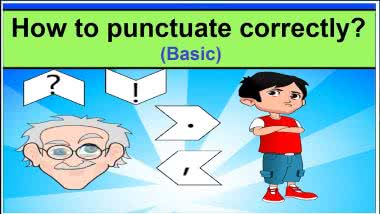
Please add an asterisk next to the items that require special attention.
Si prega di aggiungere un asterisco accanto agli elementi che richiedono un'attenzione speciale.

punctuate

/ˈpʌŋk.tuː.eɪt/

(verb) punteggiare, intervallare, interrompere

Esempio:
Remember to punctuate your sentences correctly.
Ricorda di punteggiare correttamente le tue frasi.

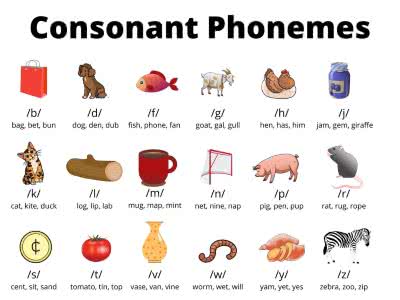
phoneme

/ˈfoʊ.niːm/

(noun) fonema

Esempio:

The word 'cat' has three phonemes: /k/, /æ/, and /t/.
La parola 'gatto' ha tre fonemi: /k/, /æ/ e /t/.

semantics

/səˈmæn.t̬ɪks/

(noun) semantica, significato, senso

Esempio:
The study of semantics helps us understand how language conveys meaning.
Lo studio della semantica ci aiuta a capire come il linguaggio veicola il significato.

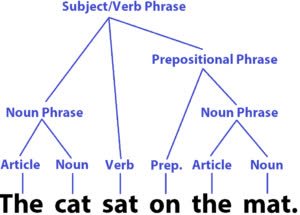
syntax

/ˈsɪn.tæks/

(noun) sintassi

Esempio:

The grammar checker identified an error in the sentence syntax.
Il correttore grammaticale ha identificato un errore nella sintassi della frase.

mood

/muːd/

(noun) umore, stato d'animo, atmosfera

Esempio:

She's been in a bad mood all day.
È stata di cattivo umore tutto il giorno.

lexis

/ˈlek.sɪs/

(noun) lessico, vocabolario

Esempio:

The author's lexis is remarkably rich and varied.
Il lessico dell'autore è notevolmente ricco e vario.

lexicon

/ˈlek.sɪ.kɑːn/

(noun) lessico, vocabolario, dizionario

Esempio:
The legal lexicon can be difficult for laypeople to understand.
Il lessico legale può essere difficile da capire per i non addetti ai lavori.

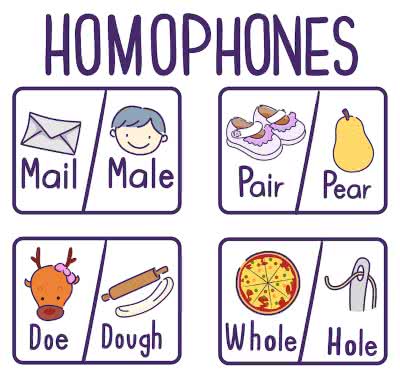
homophone

/ˈhɑː.mə.foʊn/

(noun) omonimo

Esempio:

The words 'to,' 'too,' and 'two' are perfect examples of homophones.
Le parole 'to', 'too' e 'two' sono esempi perfetti di omonimi.

homonym

/ˈhɑː.mə.nɪm/

(noun) omonimo

Esempio:

The words 'bear' (the animal) and 'bear' (to carry) are homonyms.
Le parole 'bear' (l'animale) e 'bear' (portare) sono omonimi.
Impara questo insieme di vocabolario su Lingoland