Avatar of Vocabulary Set Termos literários

Conjunto de vocabulário Termos literários em Vocabulário essencial para o exame SAT: Lista completa e detalhada

O conjunto de vocabulário 'Termos literários' em 'Vocabulário essencial para o exame SAT' é cuidadosamente selecionado de fontes de manuais padrão internacionais, ajudando-o a dominar o vocabulário em pouco tempo. Compilação completa de definições, exemplos ilustrativos e pronúncia padrão...

Aprender este conjunto de vocabulário no Lingoland

Aprender agora

versed

/vɝːst/

(adjective) versado, experiente, conhecedor

Exemplo:

She is well versed in classical literature.
Ela é bem versada em literatura clássica.

intrepid

/ɪnˈtrep.ɪd/

(adjective) intrépido, destemido, corajoso

Exemplo:
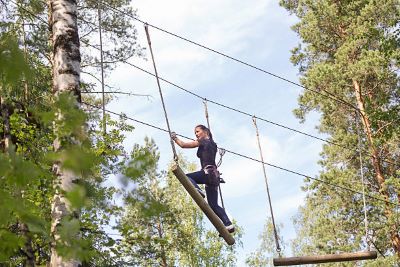
Our intrepid reporter ventured into the heart of the jungle.
Nosso intrépido repórter se aventurou no coração da selva.

temerity

/təˈmer.ə.t̬i/

(noun) temeridade, audácia

Exemplo:

No one had the temerity to question his decision.
Ninguém teve a temeridade de questionar sua decisão.

even-handed

/ˌiː.vənˈhæn.dɪd/

(adjective) imparcial, equitativo

Exemplo:

The judge was praised for his even-handed approach to the case.
O juiz foi elogiado por sua abordagem imparcial ao caso.

accursed

/əˈkɝːst/

(adjective) amaldiçoado, maldito, detestável

Exemplo:

The legend says the accursed treasure brings only misery.
A lenda diz que o tesouro amaldiçoado traz apenas miséria.

trying

/ˈtraɪ.ɪŋ/

(adjective) difícil, cansativo, irritante

Exemplo:

It was a very trying day at work.
Foi um dia muito difícil no trabalho.

taxing

/ˈtæk.sɪŋ/

(adjective) cansativo, exaustivo, pesado;

(verb) tributar, testar, sobrecarregar

Exemplo:

The long climb up the mountain was very taxing.
A longa subida da montanha foi muito cansativa.

garb

/ɡɑːrb/

(noun) traje, vestimenta;

(verb) vestir, trajar

Exemplo:

The priest was dressed in his traditional garb.
O padre estava vestido com seu traje tradicional.

order

/ˈɔːr.dɚ/

(noun) ordem, instrução, disposição;

(verb) ordenar, mandar, pedir

Exemplo:
The general gave the order to advance.
O general deu a ordem para avançar.

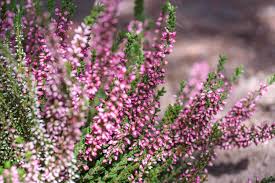
heather

/ˈheð.ɚ/

clump

/klʌmp/

(noun) bosque, tufo, aglomerado;

(verb) aglutinar, agrupar, andar pesadamente

Exemplo:

A clump of trees stood at the edge of the field.
Um bosque de árvores ficava na beira do campo.

feast

/fiːst/

(noun) banquete, festa, festa religiosa;

(verb) festejar, banquetear-se, banquetear

Exemplo:

The village prepared a grand feast for the harvest festival.
A aldeia preparou um grande banquete para o festival da colheita.

bristle

/ˈbrɪs.əl/

(noun) cerda;

(verb) eriçar, arrepiar, irritar-se

Exemplo:

The boar's back was covered with coarse bristles.
As costas do javali estavam cobertas de cerdas ásperas.

sundry

/ˈsʌn.dri/

(adjective) diverso, vários;

(plural noun) diversos, miudezas

Exemplo:

The store sells sundry items ranging from stationery to snacks.
A loja vende itens diversos, que variam de papelaria a lanches.

modicum

/ˈmɑː.dɪ.kəm/

(noun) mínimo, pitada, pouco

Exemplo:

Anyone with a modicum of common sense would have known that.
Qualquer pessoa com um mínimo de bom senso saberia disso.

attend

/əˈtend/

(verb) participar de, frequentar, atender a

Exemplo:

She decided to attend the conference.
Ela decidiu participar da conferência.

trail

/treɪl/

(noun) trilha, caminho, rastro;

(verb) rastrear, seguir, arrastar

Exemplo:

The hikers followed the narrow trail through the forest.
Os caminhantes seguiram a estreita trilha pela floresta.

tippler

/ˈtɪp.lɚ/

(noun) beberrão, bebedor

Exemplo:

The old man was a well-known tippler at the local pub.
O velho era um conhecido beberrão no pub local.

melancholy

/ˈmel.əŋ.kɑː.li/

(noun) melancolia, tristeza, nostalgia;

(adjective) melancólico, triste, nostálgico

Exemplo:

A wave of melancholy washed over him as he watched the rain.
Uma onda de melancolia o invadiu enquanto ele observava a chuva.

queer

/kwɪr/

(adjective) estranho, esquisito, queer;

(noun) queer, pessoa LGBTQIA+;

(verb) estragar, arruinar

Exemplo:

He had a queer feeling that he was being watched.
Ele teve uma sensação estranha de que estava sendo observado.

stale

/steɪl/

(adjective) velho, passado, monótono;

(verb) envelhecer, ficar velho

Exemplo:

The bread went stale after a few days.
O pão ficou velho depois de alguns dias.

stilted

/ˈstɪl.tɪd/

(adjective) empolado, rebuscado, sobre estacas

Exemplo:

The dialogue in the movie felt stilted and forced.
O diálogo no filme pareceu empolado e forçado.

bosom

/ˈbʊz.əm/

(noun) seio, peito, coração

Exemplo:

She held the baby close to her bosom.
Ela segurou o bebê perto do seu seio.

prow

/praʊ/

(noun) proa

Exemplo:

The waves crashed against the prow of the ship.
As ondas batiam contra a proa do navio.

abash

/əˈbæʃ/

(verb) envergonhar, embaraçar

Exemplo:
He was not abashed by the laughter of his friends.
Ele não ficou envergonhado com o riso de seus amigos.

connive

/kəˈnaɪv/

(verb) conivir, mancomunar-se

Exemplo:
The government was accused of conniving at the violation of human rights.
O governo foi acusado de conivir com a violação dos direitos humanos.

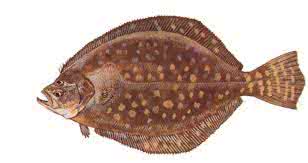
flounder

/ˈflaʊn.dɚ/

(verb) cambalear, debater-se, vacilar;

(noun) linguado, solha

Exemplo:

The horses were floundering in the heavy snow.
Os cavalos estavam cambaleando na neve pesada.

throng

/θrɑːŋ/

(noun) multidão, aglomeração, turba;

(verb) lotar, abarrotar, aflorar

Exemplo:

A huge throng gathered in the square to protest.
Uma enorme multidão se reuniu na praça para protestar.

ransack

/ˈræn.sæk/

(verb) revirar, saquear

Exemplo:

Burglars ransacked the house while the family was away.
Ladrões reviraram a casa enquanto a família estava fora.

demur

/dɪˈmɝː/

(verb) hesitar, objetar;

(noun) objeção, hesitação

Exemplo:

She demurred at the suggestion that she should pay.
Ela hesitou diante da sugestão de que deveria pagar.

accost

/əˈkɑːst/

(verb) abordar, interpelar

Exemplo:

Reporters accosted him in the street.
Repórteres o abordaram na rua.

despondency

/dɪˈspɑːn.dən.si/

(noun) desânimo, desespero, abatimento

Exemplo:

After losing his job, he fell into a deep state of despondency.
Depois de perder o emprego, ele caiu em um profundo estado de desânimo.

deprecatory

/ˈdep.rə.kə.tɔːr.i/

(adjective) depreciativo, reprobatório, autodepreciativo

Exemplo:
He made a deprecatory comment about the new policy.
Ele fez um comentário depreciativo sobre a nova política.

slight

/slaɪt/

(adjective) leve, pequeno, mínimo;

(verb) desprezar, insultar, ignorar;

(noun) desprezo, insulto, desfeita

Exemplo:

There's a slight chance of rain today.
Há uma pequena chance de chuva hoje.

indigo

/ˈɪn.dɪ.ɡoʊ/

pyre

/paɪr/

(noun) pira, fogueira

Exemplo:

The body was placed atop the pyre for the ritual cremation.
O corpo foi colocado no topo da pira para a cremação ritual.

mirth

/mɝːθ/

(noun) alegria, contentamento, júbilo

Exemplo:

Her stories were always full of mirth and laughter.
Suas histórias eram sempre cheias de alegria e risadas.

croon

/kruːn/

(verb) cantarolar, cantar suavemente;

(noun) cantarolar, murmúrio

Exemplo:

He began to croon a soft lullaby to the baby.
Ele começou a cantarolar uma canção de ninar suave para o bebê.

await

/əˈweɪt/

(verb) aguardar, esperar

Exemplo:

We await your response.
Nós aguardamos sua resposta.

listlessly

/ˈlɪst.ləs.li/

(adverb) apaticamente, sem energia

Exemplo:

She stared listlessly out of the window during the long meeting.
Ela olhou apaticamente pela janela durante a longa reunião.

stately

/ˈsteɪt.li/

(adjective) imponente, majestoso, digno

Exemplo:

The old mansion stood on the hill, a stately presence overlooking the town.
A antiga mansão ficava na colina, uma presença imponente com vista para a cidade.

wend

/wend/

(verb) dirigir-se, seguir

Exemplo:

They began to wend their way through the narrow streets.
Eles começaram a seguir seu caminho pelas ruas estreitas.

languish

/ˈlæŋ.ɡwɪʃ/

(verb) definhar, sofrer, enfraquecer

Exemplo:

The prisoners languished in the dungeon for years.
Os prisioneiros definharam na masmorra por anos.

wince

/wɪns/

(verb) estremecer, fazer uma careta;

(noun) careta, estremecimento

Exemplo:

He winced as the doctor touched his injured arm.
Ele estremeceu quando o médico tocou seu braço ferido.

tempest

/ˈtem.pɪst/

(noun) tempestade, vendaval, comoção

Exemplo:

The ship was caught in a fierce tempest at sea.
O navio foi pego por uma forte tempestade no mar.

trace

/treɪs/

(noun) rastro, vestígio, sinal;

(verb) rastrear, encontrar, descobrir

Exemplo:

The police found no trace of the suspect.
A polícia não encontrou nenhum rastro do suspeito.

spoiled

/spɔɪld/

(adjective) estragado, arruinado, mimado

Exemplo:

The milk has spoiled, so we need to throw it out.
O leite estragou, então precisamos jogá-lo fora.

daredevil

/ˈderˌdev.əl/

(noun) aventureiro, temerário;

(adjective) temerário, ousado

Exemplo:

The young daredevil jumped off the cliff with a parachute.
O jovem aventureiro saltou do penhasco com um paraquedas.

bower

/ˈbaʊ.ɚ/

(noun) coreto, recanto

Exemplo:

They sat together in the rose bower, enjoying the shade.
Eles sentaram juntos no coreto de rosas, aproveitando a sombra.

sequester

/sɪˈkwes.tɚ/

(verb) isolar, sequestrar, confiscar

Exemplo:

The jury was sequestered in a hotel for the duration of the trial.
O júri foi isolado em um hotel durante o julgamento.

basely

/ˈbeɪs.li/

(adverb) vilmente, baixamente

Exemplo:
He basely betrayed his friends for personal gain.
Ele traiu vilmente seus amigos para ganho pessoal.

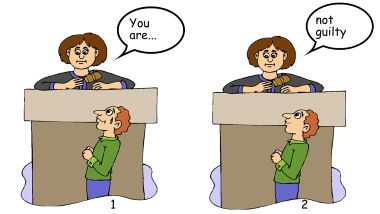
acquit

/əˈkwɪt/

(verb) absolver, inocentar, portar-se

Exemplo:

The jury decided to acquit the defendant due to lack of evidence.
O júri decidiu absolver o réu por falta de provas.

leave

/liːv/

(verb) sair, partir, deixar;

(noun) licença, folga, permissão

Exemplo:

She decided to leave the party early.
Ela decidiu sair da festa mais cedo.

apostrophize

/əˈpɑː.strə.faɪz/

(verb) apóstrofar, colocar apóstrofo

Exemplo:

The poet began to apostrophize the moon in the final stanza.
O poeta começou a apóstrofar a lua na estrofe final.

swoon

/swuːn/

(verb) desfalecer, derreter-se, desmaiar;

(noun) desmaio

Exemplo:

Fans swooned when the singer walked onto the stage.
Os fãs desfaleceram quando o cantor subiu ao palco.

wreath

/riːθ/

(noun) guirlanda, coroa de flores

Exemplo:

She hung a festive Christmas wreath on the front door.
Ela pendurou uma guirlanda de Natal festiva na porta da frente.

blight

/blaɪt/

(noun) praga, mancha, ferrugem;

(verb) arruinar, murchar

Exemplo:

Urban decay is a blight on the city's reputation.
A decadência urbana é uma mancha na reputação da cidade.

stringent

/ˈstrɪn.dʒənt/

(adjective) rigoroso, estrito, exigente

Exemplo:

The company has stringent quality control standards.
A empresa possui padrões de controle de qualidade rigorosos.

stubble

/ˈstʌb.əl/

(noun) restolheira, palha, barba por fazer

Exemplo:

The farmer burned the stubble in the field.
O fazendeiro queimou a restolheira no campo.

pathos

/ˈpeɪ.θɑːs/

(noun) pathos, comoção

Exemplo:

The film's pathos comes from the child's tragic situation.
O pathos do filme vem da situação trágica da criança.

anon

/əˈnɑːn/

(adverb) em breve, logo

Exemplo:

She said she would return anon.
Ela disse que voltaria em breve.

edifice

/ˈed.ə.fɪs/

(noun) edifício, construção, estrutura

Exemplo:

The ancient edifice stood majestically on the hill.
O antigo edifício erguia-se majestosamente na colina.

evince

/ɪˈvɪns/

(verb) evidenciar, demonstrar, manifestar

Exemplo:

The candidate's speech evinced a deep concern for the environment.
O discurso do candidato evidenciou uma profunda preocupação com o meio ambiente.

semblance

/ˈsem.bləns/

(noun) aparência, semblante

Exemplo:

She tried to maintain some semblance of order in the classroom.
Ela tentou manter alguma aparência de ordem na sala de aula.

injudiciously

/ˌɪn.dʒuːˈdɪʃ.əs.li/

(adverb) imprudentemente, sem critério

Exemplo:

He injudiciously shared confidential information with a stranger.
Ele compartilhou informações confidenciais com um estranho de forma imprudente.

clad

/klæd/

(adjective) vestido, revestido

Exemplo:

She was clad in a beautiful silk dress.
Ela estava vestida com um lindo vestido de seda.

tavern

/ˈtæv.ɚn/

(noun) taverna, estalagem

Exemplo:

The travelers stopped at the old tavern for a meal and a rest.
Os viajantes pararam na antiga taverna para uma refeição e um descanso.

gainsay

/ˌɡeɪnˈseɪ/

(verb) negar, contradizer, contrariar

Exemplo:

The evidence was too strong to gainsay.
A evidência era muito forte para negar.
Aprender este conjunto de vocabulário no Lingoland