Avatar of Vocabulary Set 文学术语

词汇集 文学术语(属于 SAT考试必备词汇):完整且详细的清单

词汇集「文学术语」(属于「SAT考试必备词汇」)从国际标准教材来源精心挑选,帮助您在短时间内掌握词汇。全面汇整定义、例句及标准发音…

在 Lingoland 学习此词汇集

立即学习

versed

/vɝːst/

(adjective) 精通的, 熟练的, 有经验的

示例:

She is well versed in classical literature.
她对古典文学非常精通

intrepid

/ɪnˈtrep.ɪd/

(adjective) 无畏的, 勇敢的, 大胆的

示例:

Our intrepid reporter ventured into the heart of the jungle.
我们无畏的记者深入丛林腹地。

temerity

/təˈmer.ə.t̬i/

(noun) 鲁莽, 蛮勇, 胆大妄为

示例:

No one had the temerity to question his decision.
没有人有胆量质疑他的决定。

even-handed

/ˌiː.vənˈhæn.dɪd/

(adjective) 公平的, 公正的

示例:

The judge was praised for his even-handed approach to the case.
法官因其对案件公平无私的处理方式而受到赞扬。

accursed

/əˈkɝːst/

(adjective) 被诅咒的, 不幸的, 该死的

示例:

The legend says the accursed treasure brings only misery.
传说那个被诅咒的宝藏只会带来痛苦。

trying

/ˈtraɪ.ɪŋ/

(adjective) 累人, 艰难, 令人厌烦的

示例:

It was a very trying day at work.
今天的工作非常累人

taxing

/ˈtæk.sɪŋ/

(adjective) 费劲的, 劳神的, 繁重的;

(verb) 征税, 考验, 使负担重

示例:

The long climb up the mountain was very taxing.
漫长的登山过程非常费劲

garb

/ɡɑːrb/

(noun) 装束, 服装;

(verb) 穿着, 打扮

示例:

The priest was dressed in his traditional garb.
牧师穿着他的传统装束

order

/ˈɔːr.dɚ/

(noun) 命令, 指令, 顺序;

(verb) 命令, 吩咐, 订购

示例:
The general gave the order to advance.
将军下达了前进的命令

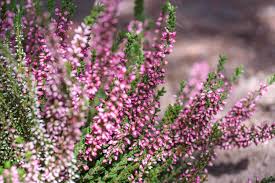
heather

/ˈheð.ɚ/

clump

/klʌmp/

(noun) 丛, 簇, 团;

(verb) 凝结, 聚集, 重步走

示例:

A clump of trees stood at the edge of the field.
田野边缘有一树。

feast

/fiːst/

(noun) 宴会, 盛宴, 宗教节日;

(verb) 大吃, 设宴, 宴请

示例:

The village prepared a grand feast for the harvest festival.
村庄为丰收节准备了一场盛大的宴会

bristle

/ˈbrɪs.əl/

(noun) 鬃毛, 刚毛;

(verb) 竖起, 耸立, 勃然大怒

示例:

The boar's back was covered with coarse bristles.
野猪的背上覆盖着粗硬的鬃毛

sundry

/ˈsʌn.dri/

(adjective) 杂项的, 各种各样的;

(plural noun) 杂项, 杂货

示例:

The store sells sundry items ranging from stationery to snacks.
这家商店出售从文具到零食的各种杂项物品。

modicum

/ˈmɑː.dɪ.kəm/

(noun) 少量, 一点点

示例:

Anyone with a modicum of common sense would have known that.
任何有一点点常识的人都会知道这一点。

attend

/əˈtend/

(verb) 参加, 出席, 就读

示例:

She decided to attend the conference.
她决定参加会议。

trail

/treɪl/

(noun) 小径, 踪迹, 痕迹;

(verb) 追踪, 跟踪, 拖

示例:

The hikers followed the narrow trail through the forest.
徒步旅行者沿着穿过森林的狭窄小径前行。

tippler

/ˈtɪp.lɚ/

(noun) 酒客, 常喝酒的人

示例:

The old man was a well-known tippler at the local pub.
那个老人是当地酒吧里出名的酒客

melancholy

/ˈmel.əŋ.kɑː.li/

(noun) 忧郁, 悲伤, 愁绪;

(adjective) 忧郁的, 悲伤的, 愁绪的

示例:

A wave of melancholy washed over him as he watched the rain.
看着雨,一阵忧郁涌上心头。

queer

/kwɪr/

(adjective) 奇怪的, 古怪的, 酷儿;

(noun) 酷儿, 非异性恋者;

(verb) 破坏, 搞砸

示例:

He had a queer feeling that he was being watched.
他有一种奇怪的感觉,觉得有人在看着他。

stale

/steɪl/

(adjective) 不新鲜的, 陈旧的, 老套的;

(verb) 变质, 变得陈旧

示例:

The bread went stale after a few days.
面包几天后就不新鲜了。

stilted

/ˈstɪl.tɪd/

(adjective) 生硬的, 不自然的, 高脚的

示例:

The dialogue in the movie felt stilted and forced.
电影中的对话显得很生硬且不自然。

bosom

/ˈbʊz.əm/

(noun) 胸部, 乳房, 心

示例:

She held the baby close to her bosom.
她把婴儿紧紧抱在胸前

prow

/praʊ/

(noun) 船首, 船头

示例:

The waves crashed against the prow of the ship.
海浪拍打着船的船首

abash

/əˈbæʃ/

(verb) 使羞愧, 使难堪

示例:

He was not abashed by the laughter of his friends.
他并没有因为朋友们的嘲笑而感到羞愧

connive

/kəˈnaɪv/

(verb) 纵容, 串通, 默许

示例:

The government was accused of conniving at the violation of human rights.
政府被指控纵容侵犯人权的行为。

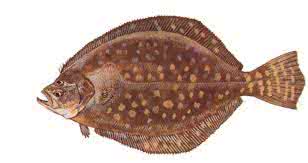
flounder

/ˈflaʊn.dɚ/

(verb) 挣扎, 踉跄, 举步维艰;

(noun) 比目鱼, 鲽鱼

示例:

The horses were floundering in the heavy snow.
马匹在厚厚的雪中挣扎

throng

/θrɑːŋ/

(noun) 人群, 群众, 大批;

(verb) 挤满, 蜂拥, 聚集

示例:

A huge throng gathered in the square to protest.
一大群聚集在广场上抗议。

ransack

/ˈræn.sæk/

(verb) 洗劫, 翻找

示例:

Burglars ransacked the house while the family was away.
趁这家人不在,窃贼把房子翻了个底朝天

demur

/dɪˈmɝː/

(verb) 表示异议, 犹豫;

(noun) 异议, 犹豫

示例:

She demurred at the suggestion that she should pay.
她对她应该付款的建议表示异议

accost

/əˈkɑːst/

(verb) 拦住, 搭讪

示例:

Reporters accosted him in the street.
记者在街上拦住了他。

despondency

/dɪˈspɑːn.dən.si/

(noun) 沮丧, 绝望, 灰心

示例:

After losing his job, he fell into a deep state of despondency.
失业后,他陷入了深深的沮丧

deprecatory

/ˈdep.rə.kə.tɔːr.i/

(adjective) 反对的, 蔑视的, 贬低的

示例:

He made a deprecatory comment about the new policy.
他对新政策发表了反对的评论。

slight

/slaɪt/

(adjective) 轻微的, 微小的, 少量的;

(verb) 轻视, 怠慢, 侮辱;

(noun) 轻蔑, 怠慢, 侮辱

示例:

There's a slight chance of rain today.
今天有微小的降雨可能性。

indigo

/ˈɪn.dɪ.ɡoʊ/

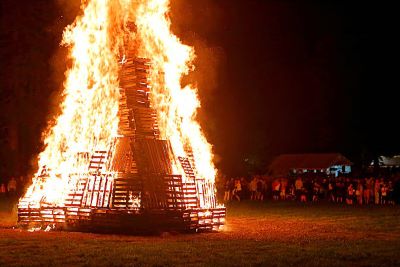
pyre

/paɪr/

(noun) 火葬用的柴堆, 柴堆

示例:

The body was placed atop the pyre for the ritual cremation.
尸体被放在火葬柴堆上进行祭祀火葬。

mirth

/mɝːθ/

(noun) 欢乐, 欢笑, 高兴

示例:

Her stories were always full of mirth and laughter.
她的故事总是充满欢乐和笑声。

croon

/kruːn/

(verb) 低声哼唱, 深情低唱;

(noun) 低吟, 哼唱声

示例:

He began to croon a soft lullaby to the baby.
他开始给婴儿低声哼唱一首温柔的摇篮曲。

await

/əˈweɪt/

(verb) 等待, 等候

示例:

We await your response.
我们等待您的回复。

listlessly

/ˈlɪst.ləs.li/

(adverb) 无精打采地, 百无聊赖地

示例:

She stared listlessly out of the window during the long meeting.
在漫长的会议中,她无精打采地望着窗外。

stately

/ˈsteɪt.li/

(adjective) 庄严的, 宏伟的, 堂皇的

示例:

The old mansion stood on the hill, a stately presence overlooking the town.
那座古老的宅邸矗立在山顶,庄严地俯瞰着小镇。

wend

/wend/

(verb) 行进, 走

示例:

They began to wend their way through the narrow streets.
他们开始在狭窄的街道上行进

languish

/ˈlæŋ.ɡwɪʃ/

(verb) 受苦, 衰弱, 枯萎

示例:

The prisoners languished in the dungeon for years.
囚犯们在地牢里受苦多年。

wince

/wɪns/

(verb) 畏缩, 龇牙咧嘴;

(noun) 畏缩, 龇牙咧嘴

示例:

He winced as the doctor touched his injured arm.
医生碰到他受伤的手臂时,他畏缩了一下

tempest

/ˈtem.pɪst/

(noun) 暴风雨, 大风暴, 骚动

示例:

The ship was caught in a fierce tempest at sea.
船在海上遭遇了一场猛烈的暴风雨

trace

/treɪs/

(noun) 痕迹, 踪迹, 迹象;

(verb) 追查, 追溯, 发现

示例:

The police found no trace of the suspect.
警方没有找到嫌疑人的任何踪迹

spoiled

/spɔɪld/

(adjective) 变质的, 被破坏的, 被宠坏的

示例:

The milk has spoiled, so we need to throw it out.
牛奶变质了,所以我们需要把它扔掉。

daredevil

/ˈderˌdev.əl/

(noun) 冒险家, 胆大妄为的人;

(adjective) 大胆的, 鲁莽的

示例:

The young daredevil jumped off the cliff with a parachute.
那个年轻的冒险家带着降落伞跳下了悬崖。

bower

/ˈbaʊ.ɚ/

(noun) 凉亭, 树荫下的小屋

示例:

They sat together in the rose bower, enjoying the shade.
他们坐在玫瑰凉亭里,享受着阴凉。

sequester

/sɪˈkwes.tɚ/

(verb) 使隔离, 使隐退, 扣押

示例:

The jury was sequestered in a hotel for the duration of the trial.
陪审团在审判期间被隔离在一家酒店里。

basely

/ˈbeɪs.li/

(adverb) 卑鄙地, 卑贱地

示例:

He basely betrayed his friends for personal gain.
他为了个人利益卑鄙地出卖了朋友。

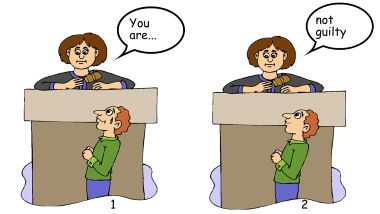
acquit

/əˈkwɪt/

(verb) 宣判无罪, 开释, 表现

示例:

The jury decided to acquit the defendant due to lack of evidence.
陪审团决定因证据不足而宣判被告无罪。

leave

/liːv/

(verb) 离开, 出发, 留下;

(noun) 假期, 休假, 允许

示例:
She decided to leave the party early.
她决定早点离开派对。

apostrophize

/əˈpɑː.strə.faɪz/

(verb) 呼告, 呼唤, 加撇号

示例:

The poet began to apostrophize the moon in the final stanza.
诗人在最后一节开始呼告月亮。

swoon

/swuːn/

(verb) 神魂颠倒, 着迷, 晕倒;

(noun) 晕厥, 昏迷

示例:

Fans swooned when the singer walked onto the stage.
当歌手走上舞台时,粉丝们都神魂颠倒了。

wreath

/riːθ/

(noun) 花环, 花圈

示例:

She hung a festive Christmas wreath on the front door.
她在前门挂了一个喜庆的圣诞花环

blight

/blaɪt/

(noun) 枯萎病, 祸害, 污点;

(verb) 破坏, 使枯萎

示例:

Urban decay is a blight on the city's reputation.
城市衰败是该市名声的一个污点

stringent

/ˈstrɪn.dʒənt/

(adjective) 严格的, 严厉的, 精确的

示例:

The company has stringent quality control standards.
该公司有严格的质量控制标准。

stubble

/ˈstʌb.əl/

(noun) 茬, 残茬, 胡茬

示例:

The farmer burned the stubble in the field.
农民烧掉了田里的

pathos

/ˈpeɪ.θɑːs/

(noun) 感染力, 悲悯

示例:

The film's pathos comes from the child's tragic situation.
这部电影的感染力源于那个孩子的悲惨境遇。

anon

/əˈnɑːn/

(adverb) 很快, 马上

示例:

She said she would return anon.
她说她会很快回来。

edifice

/ˈed.ə.fɪs/

(noun) 大厦, 宏伟建筑, 体系

示例:

The ancient edifice stood majestically on the hill.
那座古老的宏伟建筑雄伟地矗立在山顶上。

evince

/ɪˈvɪns/

(verb) 表明, 流露, 显示

示例:

The candidate's speech evinced a deep concern for the environment.
候选人的演讲表明了对环境的深切关注。

semblance

/ˈsem.bləns/

(noun) 表面, 外表

示例:

She tried to maintain some semblance of order in the classroom.
她试图在教室内维持某种程度的表面秩序。

injudiciously

/ˌɪn.dʒuːˈdɪʃ.əs.li/

(adverb) 不明智地, 缺乏判断力地

示例:

He injudiciously shared confidential information with a stranger.
不明智地与陌生人分享了机密信息。

clad

/klæd/

(adjective) 穿着, 覆盖着

示例:

She was clad in a beautiful silk dress.
穿着一件漂亮的丝绸连衣裙。

tavern

/ˈtæv.ɚn/

(noun) 酒馆, 客栈

示例:

The travelers stopped at the old tavern for a meal and a rest.
旅客们在老酒馆停下来吃饭休息。

gainsay

/ˌɡeɪnˈseɪ/

(verb) 否认, 反驳, 反对

示例:

The evidence was too strong to gainsay.
证据太确凿了,无法否认
在 Lingoland 学习此词汇集