Avatar of Vocabulary Set 문학 용어

SAT 시험에 필요한 필수 어휘 내 문학 용어 어휘 세트: 완전하고 상세한 목록

'SAT 시험에 필요한 필수 어휘' 내 '문학 용어' 어휘 세트는 국제 표준 교재 출처에서 엄선되어 짧은 시간 안에 어휘를 마스터할 수 있도록 도와줍니다. 정의, 예문, 표준 발음을 완벽하게 수록...

Lingoland에서 이 어휘 세트 학습하기

지금 학습하기

versed

/vɝːst/

(adjective) 정통한, 능숙한, 박식한

예시:

She is well versed in classical literature.
그녀는 고전 문학에 정통하다.

intrepid

/ɪnˈtrep.ɪd/

(adjective) 용감한, 두려움 없는, 대담한

예시:

Our intrepid reporter ventured into the heart of the jungle.
우리 용감한 기자는 정글 한가운데로 모험을 떠났다.

temerity

/təˈmer.ə.t̬i/

(noun) 무모함, 만용, 뻔뻔함

예시:

No one had the temerity to question his decision.
아무도 그의 결정에 의문을 제기할 무모함을 갖지 못했다.

even-handed

/ˌiː.vənˈhæn.dɪd/

(adjective) 공평한, 공정한

예시:

The judge was praised for his even-handed approach to the case.
그 판사는 사건에 대한 공평한 접근 방식으로 찬사를 받았다.

accursed

/əˈkɝːst/

(adjective) 저주받은, 불운한, 지긋지긋한

예시:

The legend says the accursed treasure brings only misery.
전설에 따르면 그 저주받은 보물은 비참함만을 가져온다고 한다.

trying

/ˈtraɪ.ɪŋ/

(adjective) 힘든, 고된, 짜증나는

예시:

It was a very trying day at work.
직장에서 정말 힘든 하루였어.

taxing

/ˈtæk.sɪŋ/

(adjective) 힘든, 고된, 부담이 되는;

(verb) 과세하다, 시험하다, 혹사시키다

예시:

The long climb up the mountain was very taxing.
산에 오르는 긴 등반은 매우 힘들었다.

garb

/ɡɑːrb/

(noun) 의복, 복장;

(verb) 입히다, 차려입다

예시:

The priest was dressed in his traditional garb.
그 사제는 전통 의복을 입고 있었다.

order

/ˈɔːr.dɚ/

(noun) 명령, 지시, 순서;

(verb) 명령하다, 지시하다, 주문하다

예시:

The general gave the order to advance.
장군은 전진 명령을 내렸다.

heather

/ˈheð.ɚ/

clump

/klʌmp/

(noun) 무리, 무더기;

(verb) 응집하다, 모이다, 쿵쾅거리며 걷다

예시:

A clump of trees stood at the edge of the field.
들판 가장자리에 나무 무더기가 서 있었다.

feast

/fiːst/

(noun) 잔치, 향연, 축일;

(verb) 잔치를 벌이다, 실컷 먹다, 잔치를 베풀다

예시:

The village prepared a grand feast for the harvest festival.
마을은 추수감사절을 위해 성대한 잔치를 준비했다.

bristle

/ˈbrɪs.əl/

(noun) 털, 강모;

(verb) 곤두서다, 뻣뻣해지다, 발끈하다

예시:

The boar's back was covered with coarse bristles.
멧돼지의 등은 거친 로 덮여 있었다.

sundry

/ˈsʌn.dri/

(adjective) 여러 가지의, 잡다한;

(plural noun) 잡비, 잡화

예시:

The store sells sundry items ranging from stationery to snacks.
그 상점은 문구류부터 간식까지 여러 가지 물건을 판매한다.

modicum

/ˈmɑː.dɪ.kəm/

(noun) 약간, 조금, 최소한

예시:

Anyone with a modicum of common sense would have known that.
최소한의 상식이라도 있는 사람이라면 그것을 알았을 것이다.

attend

/əˈtend/

(verb) 참석하다, 다니다, 돌보다

예시:

She decided to attend the conference.
그녀는 회의에 참석하기로 결정했다.

trail

/treɪl/

(noun) 오솔길, 발자국, 자국;

(verb) 추적하다, 뒤쫓다, 끌리다

예시:

The hikers followed the narrow trail through the forest.
등산객들은 숲을 가로지르는 좁은 오솔길을 따라갔다.

tippler

/ˈtɪp.lɚ/

(noun) 술꾼, 애주가

예시:

The old man was a well-known tippler at the local pub.
그 노인은 동네 술집에서 잘 알려진 술꾼이었다.

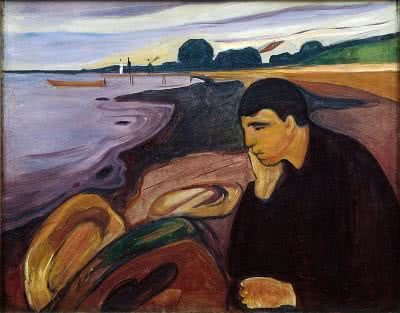
melancholy

/ˈmel.əŋ.kɑː.li/

(noun) 우울, 멜랑콜리, 애수;

(adjective) 우울한, 멜랑콜리한, 애수 어린

예시:

A wave of melancholy washed over him as he watched the rain.
비를 바라보자 우울감이 그를 덮쳤다.

queer

/kwɪr/

(adjective) 이상한, 기묘한, 퀴어;

(noun) 퀴어, 성소수자;

(verb) 망치다, 훼방 놓다

예시:

He had a queer feeling that he was being watched.
그는 누군가 자신을 지켜보고 있다는 이상한 느낌을 받았다.

stale

/steɪl/

(adjective) 신선하지 않은, 오래된, 진부한;

(verb) 신선하지 않게 되다, 오래되게 하다

예시:
The bread went stale after a few days.
빵은 며칠 지나자 신선하지 않게 되었다.

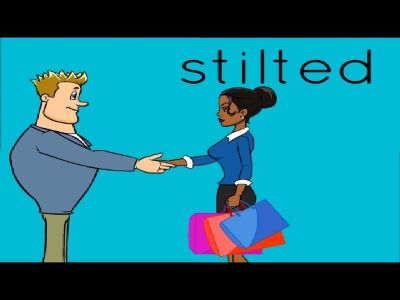
stilted

/ˈstɪl.tɪd/

(adjective) 부자연스러운, 딱딱한, 말뚝 위의

예시:

The dialogue in the movie felt stilted and forced.
영화 속 대사가 부자연스럽고 억지스러웠다.

bosom

/ˈbʊz.əm/

(noun) 가슴, 유방, 마음

예시:

She held the baby close to her bosom.
그녀는 아기를 가슴에 꼭 안았다.

prow

/praʊ/

(noun) 뱃머리, 선수

예시:

The waves crashed against the prow of the ship.
파도가 배의 뱃머리에 부딪혔다.

abash

/əˈbæʃ/

(verb) 당황하게 하다, 부끄럽게 하다

예시:

He was not abashed by the laughter of his friends.
그는 친구들의 웃음소리에 당황하지 않았다.

connive

/kəˈnaɪv/

(verb) 묵인하다, 공모하다

예시:

The government was accused of conniving at the violation of human rights.
정부는 인권 침해를 묵인했다는 비난을 받았다.

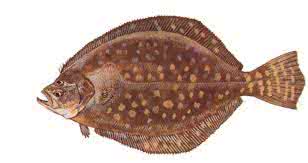
flounder

/ˈflaʊn.dɚ/

(verb) 허우적거리다, 비틀거리다, 휘청거리다;

(noun) 가자미, 넙치

예시:

The horses were floundering in the heavy snow.
말들이 폭설 속에서 허우적거렸다.

throng

/θrɑːŋ/

(noun) 군중, 인파, 떼;

(verb) 몰려들다, 가득 메우다, 떼 지어 가다

예시:

A huge throng gathered in the square to protest.
광장에는 시위를 위해 거대한 군중이 모였다.

ransack

/ˈræn.sæk/

(verb) 샅샅이 뒤지다, 약탈하다

예시:

Burglars ransacked the house while the family was away.
가족이 집을 비운 사이 도둑들이 집을 뒤졌다.

demur

/dɪˈmɝː/

(verb) 이의를 제기하다, 주저하다;

(noun) 이의, 주저함

예시:

She demurred at the suggestion that she should pay.
그녀는 자신이 지불해야 한다는 제안에 이의를 제기했다.

accost

/əˈkɑːst/

(verb) 말을 걸다, 다가가다

예시:

Reporters accosted him in the street.
기자들이 거리에서 그에게 말을 걸며 다가왔다.

despondency

/dɪˈspɑːn.dən.si/

(noun) 낙담, 절망, 실망

예시:

After losing his job, he fell into a deep state of despondency.
직장을 잃은 후, 그는 깊은 낙담에 빠졌다.

deprecatory

/ˈdep.rə.kə.tɔːr.i/

(adjective) 비난조의, 반대하는, 자조적인

예시:

He made a deprecatory comment about the new policy.
그는 새로운 정책에 대해 비난조의 언급을 했다.

slight

/slaɪt/

(adjective) 약간의, 경미한, 사소한;

(verb) 경시하다, 모욕하다, 무시하다;

(noun) 모욕, 경시, 무시

예시:

There's a slight chance of rain today.
오늘은 비가 올 가능성이 희박하다.

indigo

/ˈɪn.dɪ.ɡoʊ/

pyre

/paɪr/

(noun) 장작더미, 화장용 장작

예시:

The body was placed atop the pyre for the ritual cremation.
시신은 의례적인 화장을 위해 장작더미 위에 놓였다.

mirth

/mɝːθ/

(noun) 즐거움, 유쾌함, 환희

예시:

Her stories were always full of mirth and laughter.
그녀의 이야기는 항상 즐거움과 웃음으로 가득했다.

croon

/kruːn/

(verb) 흥얼거리다, 감미롭게 노래하다;

(noun) 흥얼거림, 낮은 노랫소리

예시:

He began to croon a soft lullaby to the baby.
그는 아기에게 부드러운 자장가를 흥얼거리기 시작했다.

await

/əˈweɪt/

(verb) 기다리다, 대기하다

예시:

We await your response.
우리는 당신의 답변을 기다립니다.

listlessly

/ˈlɪst.ləs.li/

(adverb) 무기력하게, 힘없이

예시:

She stared listlessly out of the window during the long meeting.
그녀는 긴 회의 동안 무기력하게 창밖을 응시했다.

stately

/ˈsteɪt.li/

(adjective) 위엄 있는, 장엄한, 당당한

예시:

The old mansion stood on the hill, a stately presence overlooking the town.
오래된 저택은 언덕 위에 서 있었고, 마을을 내려다보는 위엄 있는 존재였다.

wend

/wend/

(verb) 가다, 향하다

예시:

They began to wend their way through the narrow streets.
그들은 좁은 골목길을 따라 길을 가기 시작했다.

languish

/ˈlæŋ.ɡwɪʃ/

(verb) 쇠약해지다, 고통받다, 쇠퇴하다

예시:

The prisoners languished in the dungeon for years.
죄수들은 수년간 지하 감옥에서 쇠약해졌다.

wince

/wɪns/

(verb) 움찔하다, 찡그리다;

(noun) 움찔거림, 찡그림

예시:

He winced as the doctor touched his injured arm.
의사가 그의 다친 팔을 만지자 그는 움찔했다.

tempest

/ˈtem.pɪst/

(noun) 폭풍, 태풍, 격동

예시:

The ship was caught in a fierce tempest at sea.
배는 바다에서 맹렬한 폭풍에 휩쓸렸다.

trace

/treɪs/

(noun) 흔적, 자취, 발자국;

(verb) 추적하다, 찾아내다, 발견하다

예시:

The police found no trace of the suspect.
경찰은 용의자의 흔적을 찾지 못했다.

spoiled

/spɔɪld/

(adjective) 상한, 망쳐진, 버릇없는

예시:

The milk has spoiled, so we need to throw it out.
우유가 상했으니 버려야 해.

daredevil

/ˈderˌdev.əl/

(noun) 무모한 사람, 겁 없는 사람;

(adjective) 무모한, 겁 없는

예시:

The young daredevil jumped off the cliff with a parachute.
젊은 무모한 사람은 낙하산을 메고 절벽에서 뛰어내렸다.

bower

/ˈbaʊ.ɚ/

(noun) 정자, 나무 그늘

예시:

They sat together in the rose bower, enjoying the shade.
그들은 장미 정자에 함께 앉아 그늘을 즐겼다.

sequester

/sɪˈkwes.tɚ/

(verb) 격리시키다, 고립시키다, 압류하다

예시:

The jury was sequestered in a hotel for the duration of the trial.
배심원단은 재판 기간 동안 호텔에 격리되었다.

basely

/ˈbeɪs.li/

(adverb) 비열하게, 천하게

예시:

He basely betrayed his friends for personal gain.
그는 개인적인 이익을 위해 친구들을 비열하게 배신했다.

acquit

/əˈkwɪt/

(verb) 무죄로 하다, 석방하다, 수행하다

예시:

The jury decided to acquit the defendant due to lack of evidence.
배심원단은 증거 불충분으로 피고인을 무죄로 하다고 결정했다.

leave

/liːv/

(verb) 떠나다, 출발하다, 두다;

(noun) 휴가, 휴직, 허락

예시:

She decided to leave the party early.
그녀는 파티를 일찍 떠나기로 결정했다.

apostrophize

/əˈpɑː.strə.faɪz/

(verb) 돈호법을 쓰다, 말을 건네다, 아포스트로피를 찍다

예시:

The poet began to apostrophize the moon in the final stanza.
시인은 마지막 연에서 달에게 말을 건네기 시작했다.

swoon

/swuːn/

(verb) 황홀해하다, 매료되다, 기절하다;

(noun) 기절, 졸도

예시:

Fans swooned when the singer walked onto the stage.
가수가 무대 위로 걸어 나오자 팬들은 황홀해했다.

wreath

/riːθ/

(noun) 화환, 화관

예시:

She hung a festive Christmas wreath on the front door.
그녀는 현관문에 축제 분위기의 크리스마스 화환을 걸었다.

blight

/blaɪt/

(noun) 마름병, 오점, 파괴 원인;

(verb) 망치다, 시들게 하다

예시:

Urban decay is a blight on the city's reputation.
도시 쇠퇴는 도시의 명성에 오점이다.

stringent

/ˈstrɪn.dʒənt/

(adjective) 엄격한, 정확한, 까다로운

예시:

The company has stringent quality control standards.
그 회사는 엄격한 품질 관리 기준을 가지고 있습니다.

stubble

/ˈstʌb.əl/

(noun) 그루터기, 논밭의 잔여물, 수염

예시:

The farmer burned the stubble in the field.
농부는 밭의 그루터기를 태웠다.

pathos

/ˈpeɪ.θɑːs/

(noun) 페이소스, 비애감

예시:

The film's pathos comes from the child's tragic situation.
그 영화의 페이소스는 아이의 비극적인 상황에서 비롯된다.

anon

/əˈnɑːn/

(adverb) 곧, 이내

예시:

She said she would return anon.
그녀는 돌아올 것이라고 말했다.

edifice

/ˈed.ə.fɪs/

(noun) 건물, 대건축물, 체계

예시:

The ancient edifice stood majestically on the hill.
고대 건물은 언덕 위에 웅장하게 서 있었다.

evince

/ɪˈvɪns/

(verb) 분명히 나타내다, 보여주다, 증명하다

예시:

The candidate's speech evinced a deep concern for the environment.
후보자의 연설은 환경에 대한 깊은 우려를 분명히 나타냈다.

semblance

/ˈsem.bləns/

(noun) 외관, 겉모습

예시:

She tried to maintain some semblance of order in the classroom.
그녀는 교실에서 어느 정도 외견상의 질서를 유지하려고 노력했다.

injudiciously

/ˌɪn.dʒuːˈdɪʃ.əs.li/

(adverb) 무분별하게, 지각없이

예시:

He injudiciously shared confidential information with a stranger.
그는 낯선 사람에게 기밀 정보를 무분별하게 공유했다.

clad

/klæd/

(adjective) 입은, 차려입은

예시:

She was clad in a beautiful silk dress.
그녀는 아름다운 실크 드레스를 입고 있었다.

tavern

/ˈtæv.ɚn/

(noun) 선술집, 주점

예시:

The travelers stopped at the old tavern for a meal and a rest.
여행자들은 식사와 휴식을 위해 오래된 선술집에 들렀다.

gainsay

/ˌɡeɪnˈseɪ/

(verb) 부인하다, 반박하다, 반대하다

예시:

The evidence was too strong to gainsay.
그 증거는 부인하기에는 너무 강력했다.
Lingoland에서 이 어휘 세트 학습하기