Avatar of Vocabulary Set 文学用語

SAT試験に必須の語彙 内 文学用語 語彙セット:完全かつ詳細なリスト

「SAT試験に必須の語彙」内の「文学用語」語彙セットは国際標準教材から厳選され、短期間で語彙をマスターできます。定義、例文、標準発音を網羅…

Lingolandでこの語彙セットを学習

今すぐ学習

versed

/vɝːst/

(adjective) 精通した, 熟練した, 詳しい

例:

She is well versed in classical literature.
彼女は古典文学に精通している

intrepid

/ɪnˈtrep.ɪd/

(adjective) 勇敢な, 恐れを知らない, 大胆な

例:

Our intrepid reporter ventured into the heart of the jungle.
私たちの勇敢な記者はジャングルの奥地へと足を踏み入れた。

temerity

/təˈmer.ə.t̬i/

(noun) 無鉄砲, 厚かましさ, 蛮勇

例:

No one had the temerity to question his decision.
彼の決定に疑問を呈する無鉄砲な勇気を持つ者はいなかった。

even-handed

/ˌiː.vənˈhæn.dɪd/

(adjective) 公平な, 偏らない

例:

The judge was praised for his even-handed approach to the case.
その裁判官は、事件に対する公平なアプローチで賞賛された。

accursed

/əˈkɝːst/

(adjective) 呪われた, いまわしい, 忌々しい

例:

The legend says the accursed treasure brings only misery.
伝説によれば、その呪われた宝は不幸しかもたらさないという。

trying

/ˈtraɪ.ɪŋ/

(adjective) 大変な, 骨の折れる, いらいらさせる

例:

It was a very trying day at work.
仕事でとても大変な一日でした。

taxing

/ˈtæk.sɪŋ/

(adjective) 骨の折れる, きつい, 負担のかかる;

(verb) 課税する, 試す, 負担をかける

例:

The long climb up the mountain was very taxing.
山への長い登山は非常に骨の折れるものでした。

garb

/ɡɑːrb/

(noun) 装束, 身なり;

(verb) 装う, 身にまとう

例:

The priest was dressed in his traditional garb.
その司祭は伝統的な装束を身にまとっていた。

order

/ˈɔːr.dɚ/

(noun) 命令, 指示, 順序;

(verb) 命じる, 指示する, 注文する

例:

The general gave the order to advance.
将軍は前進の命令を出した。

heather

/ˈheð.ɚ/

clump

/klʌmp/

(noun) 塊, 群れ, 株;

(verb) 固まる, 群がる, ドスドス歩く

例:

A clump of trees stood at the edge of the field.
野原の端に木立のがあった。

feast

/fiːst/

(noun) ごちそう, 祝宴, 祝日;

(verb) ごちそうになる, 祝宴を催す, ごちそうする

例:

The village prepared a grand feast for the harvest festival.
村は収穫祭のために盛大なごちそうを用意した。

bristle

/ˈbrɪs.əl/

(noun) 剛毛, 毛;

(verb) 逆立つ, 毛が立つ, 憤慨する

例:

The boar's back was covered with coarse bristles.
イノシシの背中は粗い剛毛で覆われていた。

sundry

/ˈsʌn.dri/

(adjective) 様々な, 雑多な;

(plural noun) 諸経費, 雑貨

例:

The store sells sundry items ranging from stationery to snacks.
その店は文房具からスナック菓子まで様々な品物を売っている。

modicum

/ˈmɑː.dɪ.kəm/

(noun) 少量, 多少, わずか

例:

Anyone with a modicum of common sense would have known that.
多少の常識がある人なら誰でもそれを知っていたはずだ。

attend

/əˈtend/

(verb) 出席する, 通う, 対応する

例:

She decided to attend the conference.
彼女は会議に出席することにした。

trail

/treɪl/

(noun) 小道, 足跡, 跡;

(verb) 追跡する, たどる, 引きずる

例:

The hikers followed the narrow trail through the forest.
ハイカーたちは森の中の狭い小道をたどった。

tippler

/ˈtɪp.lɚ/

(noun) 酒飲み, のんべえ

例:

The old man was a well-known tippler at the local pub.
その老人は地元のパブで有名な酒飲みだった。

melancholy

/ˈmel.əŋ.kɑː.li/

(noun) 憂鬱, メランコリー, 哀愁;

(adjective) 憂鬱な, メランコリックな, 哀愁を帯びた

例:

A wave of melancholy washed over him as he watched the rain.
雨を見ていると、憂鬱な気分が彼を襲った。

queer

/kwɪr/

(adjective) 奇妙な, 変な, クィア;

(noun) クィア, 性的少数者;

(verb) 台無しにする, 妨害する

例:

He had a queer feeling that he was being watched.
彼は見られているという奇妙な感覚があった。

stale

/steɪl/

(adjective) 古くなった, 鮮度の落ちた, 陳腐な;

(verb) 古くなる, 鮮度が落ちる

例:

The bread went stale after a few days.
パンは数日後には古くなった。

stilted

/ˈstɪl.tɪd/

(adjective) ぎこちない, 不自然に堅苦しい, 高床式の

例:

The dialogue in the movie felt stilted and forced.
映画の台詞はぎこちなく、不自然に感じられた。

bosom

/ˈbʊz.əm/

(noun) 胸, 乳房, 心

例:

She held the baby close to her bosom.
彼女は赤ちゃんを胸元に抱きしめた。

prow

/praʊ/

(noun) 船首, みよし

例:

The waves crashed against the prow of the ship.
波が船の船首に打ち付けた。

abash

/əˈbæʃ/

(verb) ひるませる, 当惑させる

例:

He was not abashed by the laughter of his friends.
彼は友人たちの笑い声にひるむことはなかった。

connive

/kəˈnaɪv/

(verb) 黙認する, 共謀する

例:

The government was accused of conniving at the violation of human rights.
政府は人権侵害を黙認していると非難された。

flounder

/ˈflaʊn.dɚ/

(verb) もがく, よろめく, 苦戦する;

(noun) カレイ, ヒラメ

例:

The horses were floundering in the heavy snow.
馬たちは深い雪の中でもがいていた

throng

/θrɑːŋ/

(noun) 群衆, 人混み, 大勢;

(verb) 押し寄せる, 群がる, 満たす

例:

A huge throng gathered in the square to protest.
広場には抗議のために巨大な群衆が集まった。

ransack

/ˈræn.sæk/

(verb) 荒らす, ひっくり返して探す

例:

Burglars ransacked the house while the family was away.
家族が留守の間に泥棒が家を荒らした

demur

/dɪˈmɝː/

(verb) 異議を唱える, ためらう;

(noun) 異議, ためらい

例:

She demurred at the suggestion that she should pay.
彼女は支払うべきだという提案に異議を唱えた

accost

/əˈkɑːst/

(verb) 詰め寄る, 声をかける

例:

Reporters accosted him in the street.
記者が通りで彼に詰め寄った

despondency

/dɪˈspɑːn.dən.si/

(noun) 絶望, 落胆, 意気消沈

例:

After losing his job, he fell into a deep state of despondency.
仕事を失った後、彼は深い絶望の状態に陥った。

deprecatory

/ˈdep.rə.kə.tɔːr.i/

(adjective) 不賛成の, 非難の, 自虐的な

例:

He made a deprecatory comment about the new policy.
彼は新しい方針について不賛成のコメントをした。

slight

/slaɪt/

(adjective) わずかな, 軽微な, 少しの;

(verb) 軽んじる, 侮辱する, 無視する;

(noun) 軽蔑, 侮辱, 無視

例:

There's a slight chance of rain today.
今日はわずかな雨の可能性があります。

indigo

/ˈɪn.dɪ.ɡoʊ/

pyre

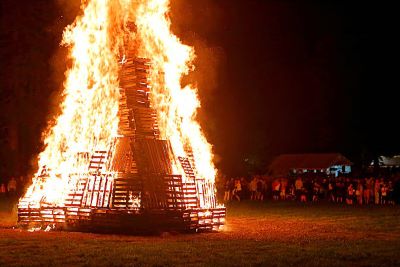
/paɪr/

(noun) 薪の山, 火葬の薪

例:

The body was placed atop the pyre for the ritual cremation.
遺体は儀式の火葬のために薪の山の上に置かれた。

mirth

/mɝːθ/

(noun) 陽気さ, 歓喜, 楽しみ

例:

Her stories were always full of mirth and laughter.
彼女の話はいつも陽気さと笑いに満ちていた。

croon

/kruːn/

(verb) 口ずさむ, 低唱する;

(noun) 歌うような声, 低唱

例:

He began to croon a soft lullaby to the baby.
彼は赤ちゃんに静かな子守唄を口ずさみ始めた。

await

/əˈweɪt/

(verb) 待つ, 待ち受ける

例:

We await your response.
私たちはあなたの返事を待っています

listlessly

/ˈlɪst.ləs.li/

(adverb) 物憂げに, 力なく

例:

She stared listlessly out of the window during the long meeting.
彼女は長い会議の間、物憂げに窓の外を眺めていた。

stately

/ˈsteɪt.li/

(adjective) 堂々とした, 威厳のある, 荘厳な

例:

The old mansion stood on the hill, a stately presence overlooking the town.
古い邸宅は丘の上に建ち、街を見下ろす堂々とした存在だった。

wend

/wend/

(verb) 進む, 辿る

例:

They began to wend their way through the narrow streets.
彼らは狭い通りを進み始めた。

languish

/ˈlæŋ.ɡwɪʃ/

(verb) 苦しむ, 衰える, 弱る

例:

The prisoners languished in the dungeon for years.
囚人たちは何年も地下牢で苦しんだ

wince

/wɪns/

(verb) 顔をしかめる, たじろぐ;

(noun) しかめっ面, たじろぎ

例:

He winced as the doctor touched his injured arm.
医者が彼の負傷した腕に触れると、彼は顔をしかめた

tempest

/ˈtem.pɪst/

(noun) 嵐, 暴風雨, 騒動

例:

The ship was caught in a fierce tempest at sea.
船は海で激しいに巻き込まれた。

trace

/treɪs/

(noun) 痕跡, 足跡, 形跡;

(verb) 追跡する, 突き止める, 発見する

例:

The police found no trace of the suspect.
警察は容疑者の痕跡を見つけられなかった。

spoiled

/spɔɪld/

(adjective) 腐った, 台無しになった, 甘やかされた

例:

The milk has spoiled, so we need to throw it out.
牛乳が腐ってしまったので、捨てなければなりません。

daredevil

/ˈderˌdev.əl/

(noun) 命知らず, 向こう見ず;

(adjective) 命知らずの, 向こう見ずな

例:

The young daredevil jumped off the cliff with a parachute.
若い命知らずはパラシュートで崖から飛び降りた。

bower

/ˈbaʊ.ɚ/

(noun) 木陰, あずまや

例:

They sat together in the rose bower, enjoying the shade.
彼らはバラの木陰で一緒に座り、日陰を楽しんだ。

sequester

/sɪˈkwes.tɚ/

(verb) 隔離する, 引きこもらせる, 差し押さえる

例:

The jury was sequestered in a hotel for the duration of the trial.
陪審員は裁判の間、ホテルに隔離された

basely

/ˈbeɪs.li/

(adverb) 卑劣に, 卑しく

例:

He basely betrayed his friends for personal gain.
彼は私利私欲のために友人を卑劣にも裏切った。

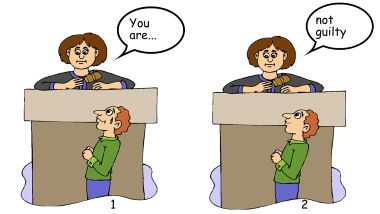
acquit

/əˈkwɪt/

(verb) 無罪にする, 放免する, 振る舞う

例:

The jury decided to acquit the defendant due to lack of evidence.
陪審は証拠不十分のため被告を無罪にすることを決定した。

leave

/liːv/

(verb) 去る, 出発する, 残す;

(noun) 休暇, 休職, 許可

例:

She decided to leave the party early.
彼女はパーティーを早く去ることにした。

apostrophize

/əˈpɑː.strə.faɪz/

(verb) 呼びかける, 呼びかけを用いる, アポストロフィを付ける

例:

The poet began to apostrophize the moon in the final stanza.
詩人は最終節で月に呼びかけ始めた。

swoon

/swuːn/

(verb) うっとりする, 心を奪われる, 気絶する;

(noun) 気絶, 失神

例:

Fans swooned when the singer walked onto the stage.
歌手がステージに現れると、ファンはうっとりした

wreath

/riːθ/

(noun) リース, 花輪

例:

She hung a festive Christmas wreath on the front door.
彼女は玄関に華やかなクリスマスリースを飾った。

blight

/blaɪt/

(noun) 疫病, 障害, 荒廃;

(verb) 台無しにする, 枯らす

例:

Urban decay is a blight on the city's reputation.
都市の衰退は市の評判にとって大きな打撃である。

stringent

/ˈstrɪn.dʒənt/

(adjective) 厳格な, 厳密な, 厳しい

例:

The company has stringent quality control standards.
その会社は厳格な品質管理基準を持っています。

stubble

/ˈstʌb.əl/

(noun) 切り株, 刈り株, ひげ

例:

The farmer burned the stubble in the field.
農夫は畑の切り株を燃やした。

pathos

/ˈpeɪ.θɑːs/

(noun) 哀愁, ペーソス

例:

The film's pathos comes from the child's tragic situation.
その映画の哀愁は、子供の悲劇的な状況から生まれている。

anon

/əˈnɑːn/

(adverb) すぐに, まもなく

例:

She said she would return anon.
彼女はすぐに戻ると言った。

edifice

/ˈed.ə.fɪs/

(noun) 建造物, 建物, 構造

例:

The ancient edifice stood majestically on the hill.
その古代の建造物は丘の上に堂々と立っていた。

evince

/ɪˈvɪns/

(verb) 示す, 表す, 証明する

例:

The candidate's speech evinced a deep concern for the environment.
候補者の演説は環境に対する深い懸念を示していた

semblance

/ˈsem.bləns/

(noun) うわべ, 外見

例:

She tried to maintain some semblance of order in the classroom.
彼女は教室で何とかうわべだけの秩序を保とうとした。

injudiciously

/ˌɪn.dʒuːˈdɪʃ.əs.li/

(adverb) 軽率に, 無分別に

例:

He injudiciously shared confidential information with a stranger.
彼は軽率にも見知らぬ人に機密情報を話してしまった。

clad

/klæd/

(adjective) 着ている, 身につけている

例:

She was clad in a beautiful silk dress.
彼女は美しいシルクのドレスを着ていた

tavern

/ˈtæv.ɚn/

(noun) 居酒屋, 酒場

例:

The travelers stopped at the old tavern for a meal and a rest.
旅人たちは食事と休憩のために古い居酒屋に立ち寄った。

gainsay

/ˌɡeɪnˈseɪ/

(verb) 否定する, 反論する, 反対する

例:

The evidence was too strong to gainsay.
その証拠は否定するにはあまりにも強力だった。
Lingolandでこの語彙セットを学習