Avatar of Vocabulary Set 一般医療英語語彙

健康科学 内 一般医療英語語彙 語彙セット:完全かつ詳細なリスト

「健康科学」内の「一般医療英語語彙」語彙セットは国際標準教材から厳選され、短期間で語彙をマスターできます。定義、例文、標準発音を網羅…

Lingolandでこの語彙セットを学習

今すぐ学習
ache

/eɪk/

(noun) 痛み, うずき, 悲しみ;

(verb) 痛む, うずく, 切望する

例:

I have a dull ache in my lower back.
腰に鈍い痛みがあります。

allergy

/ˈæl.ɚ.dʒi/

(noun) アレルギー

例:

She has a severe allergy to peanuts.
彼女はピーナッツに重度のアレルギーがあります。

antihistamine

/ˌæn.t̬iˈhɪs.tə.mɪn/

(noun) 抗ヒスタミン剤

例:

She took an antihistamine to relieve her hay fever symptoms.
彼女は花粉症の症状を和らげるために抗ヒスタミン剤を服用した。

appetite

/ˈæp.ə.taɪt/

(noun) 食欲, 欲求, 願望

例:

He has a healthy appetite after his morning run.
彼は朝のランニングの後、健康的な食欲がある。

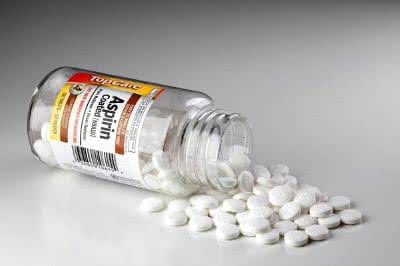
aspirin

/ˈæs.prɪn/

(noun) アスピリン

例:

She took an aspirin for her headache.
彼女は頭痛のためにアスピリンを服用した。

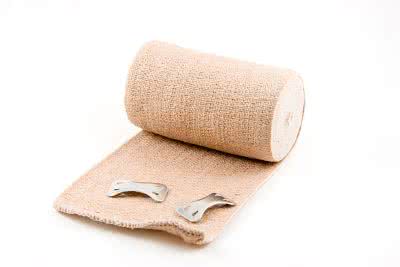
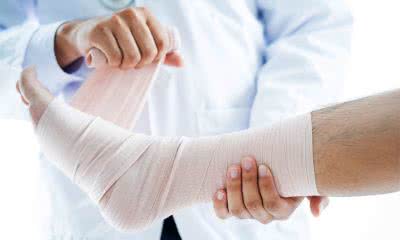
bandage

/ˈbæn.dɪdʒ/

(noun) 包帯, 絆創膏;

(verb) 包帯を巻く, 手当てをする

例:
She wrapped a bandage around his sprained ankle.
彼女は彼の捻挫した足首に包帯を巻いた。

blood

/blʌd/

(noun) 血液, 血, 気質;

(verb) 血を流させる, 血で汚す

例:
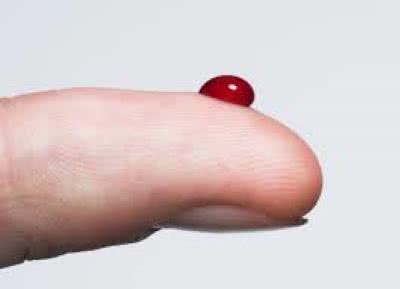
He lost a lot of blood in the accident.
彼は事故で大量の血液を失った。

bone

/boʊn/

(noun) 骨, 骨材;

(verb) 骨を取り除く, 骨を抜く

例:

The dog buried a bone in the backyard.
犬は裏庭にを埋めた。

broken

/ˈbroʊ.kən/

(adjective) 壊れた, 破損した, 破られた;

(past participle) 壊した, 破った

例:
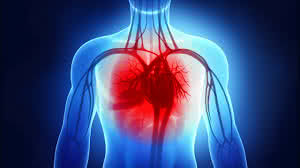
The vase fell and was completely broken.
花瓶が落ちて完全に壊れていた。

bronchitis

/brɑːŋˈkaɪ.t̬əs/

(noun) 気管支炎

例:

The doctor diagnosed him with acute bronchitis.
医師は彼を急性気管支炎と診断した。

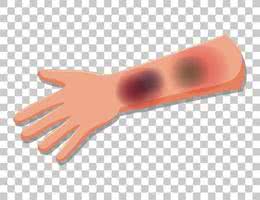
bruise

/bruːz/

(noun) あざ, 打ち身;

(verb) あざを作る, 傷つける, 損なう

例:

He had a large bruise on his arm after falling.
彼は転倒後、腕に大きなあざができていた。

clinic

/ˈklɪn.ɪk/

(noun) クリニック, 診療所, 実習

例:

She has an appointment at the dental clinic tomorrow.
彼女は明日、歯科クリニックの予約があります。

cold

/koʊld/

(adjective) 寒い, 冷たい, 無感情な;

(noun) 風邪

例:
It's cold outside, so wear a jacket.
外は寒いから、ジャケットを着てね。

contagious

/kənˈteɪ.dʒəs/

(adjective) 伝染性の, 感染性の

例:

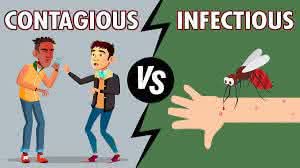
The flu is highly contagious.
インフルエンザは非常に伝染性が高い。

cough

/kɑːf/

(verb) 咳をする;

(noun)

例:

He started to cough uncontrollably during the meeting.
彼は会議中に制御不能に咳き込み始めた。

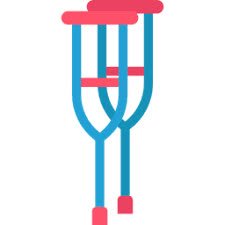
crutch

/krʌtʃ/

(noun) 松葉杖, 支え, 頼り;

(verb) 松葉杖を使う, 松葉杖で支える

例:

After the accident, he had to use a crutch to walk.
事故の後、彼は歩くために松葉杖を使わなければならなかった。

cut

/kʌt/

(verb) 切る, 切り傷をつける, 切開する;

(noun) 切り傷, カット, 散髪;

(adjective) 切られた, 切り取られた

例:

She accidentally cut her finger while chopping vegetables.
彼女は野菜を切っているときに誤って指を切ってしまった。

decongestant

/ˌdiː.kənˈdʒes.tənt/

(noun) 充血除去剤, 鼻づまり薬;

(adjective) 充血除去の, 鼻づまりを解消する

例:

She took a decongestant to relieve her stuffy nose.
彼女は鼻づまりを和らげるために充血除去剤を服用した。

diarrhea

/ˌdaɪ.əˈriː.ə/

(noun) 下痢

例:

He suffered from severe diarrhea after eating contaminated food.
彼は汚染された食べ物を食べた後、重度の下痢に苦しんだ。

dizzy

/ˈdɪz.i/

(adjective) めまいがする, ふらふらする, めまいを起こさせる

例:
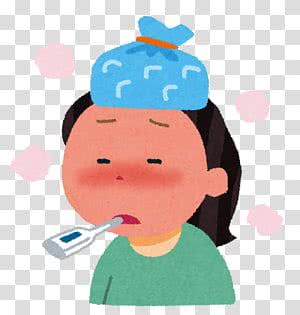
I felt dizzy after spinning around so fast.
速く回転した後、めまいがした

fever

/ˈfiː.vɚ/

(noun) 熱, 発熱, 熱狂

例:

The child had a high fever and was restless.
その子供は高熱があり、落ち着きがなかった。

first aid

/ˌfɜːrst ˈeɪd/

(noun) 応急処置

例:

He administered first aid to the injured runner.
彼は負傷したランナーに応急処置を施した。

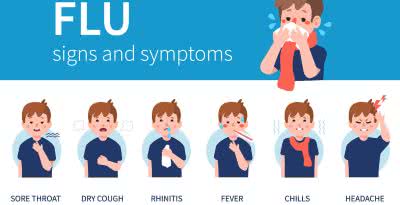
flu

/fluː/

(noun) インフルエンザ

例:

I've got the flu and feel terrible.
インフルエンザにかかって、気分が悪い。

headache

/ˈhed.eɪk/

(noun) 頭痛, 頭痛の種, 厄介事

例:

I woke up with a terrible headache this morning.
今朝、ひどい頭痛で目が覚めた。

indigestion

/ˌɪn.dɪˈdʒes.tʃən/

(noun) 消化不良, 胃もたれ

例:

After eating too much, he suffered from severe indigestion.
食べ過ぎた後、彼はひどい消化不良に苦しんだ。

infection

/ɪnˈfek.ʃən/

(noun) 感染, 伝染, 感染症

例:

The doctor prescribed antibiotics to treat the bacterial infection.
医師は細菌感染症を治療するために抗生物質を処方した。

influenza

/ˌɪn.fluˈen.zə/

(noun) インフルエンザ, 流感

例:

The doctor diagnosed her with influenza.
医師は彼女をインフルエンザと診断した。

injection

/ɪnˈdʒek.ʃən/

(noun) 注射, 注入, 投入

例:

The nurse gave him an injection to relieve the pain.
看護師は痛みを和らげるために彼に注射をした。

injury

/ˈɪn.dʒər.i/

(noun) 怪我, 負傷, 損害

例:

He sustained a serious leg injury in the accident.
彼は事故で深刻な脚の怪我を負った。

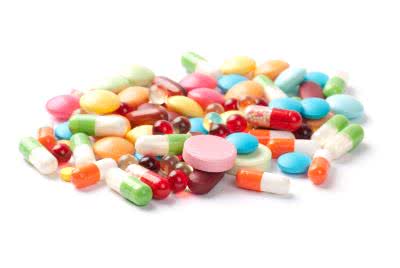
medication

/ˌmed.əˈkeɪ.ʃən/

(noun) 薬, 薬剤, 投薬

例:

He is currently on medication for his high blood pressure.
彼は現在、高血圧のを服用しています。

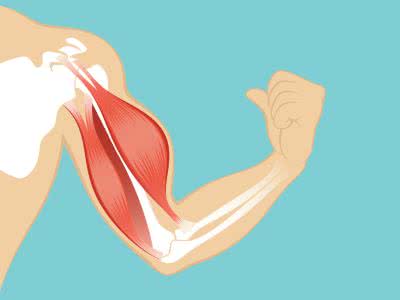
muscle

/ˈmʌs.əl/

(noun) 筋肉, 力, 腕力;

(verb) 力ずくで進む, 強引に押し進む

例:

He pulled a muscle in his leg while running.
彼は走っている最中に脚の筋肉を痛めた。

nausea

/ˈnɑː.ʒə/

(noun) 吐き気, 嫌悪感, 不快感

例:

She experienced severe nausea after taking the medication.
薬を服用した後、彼女はひどい吐き気を経験した。

pain

/peɪn/

(noun) 痛み, 苦痛, 苦悩;

(verb) 苦しめる, 痛む

例:

She felt a sharp pain in her leg.
彼女は足に鋭い痛みを感じた。

painful

/ˈpeɪn.fəl/

(adjective) 痛い, 苦痛な, つらい

例:

The injection was quite painful.
注射はかなり痛かった

prescribe

/prɪˈskraɪb/

(verb) 処方する, 規定する, 定める

例:

The doctor prescribed antibiotics for her infection.
医師は彼女の感染症に抗生物質を処方した。

prescription

/prɪˈskrɪp.ʃən/

(noun) 処方箋, 処方, 処方行為

例:

The doctor gave me a prescription for antibiotics.
医者は私に抗生物質の処方箋をくれた。

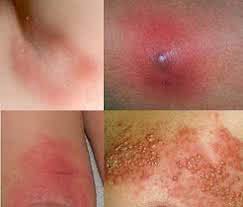
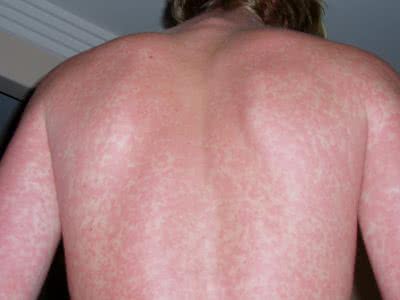
rash

/ræʃ/

(noun) 発疹, 湿疹;

(adjective) 軽率な, 無謀な

例:

The baby developed a diaper rash.
赤ちゃんにおむつかぶれができた。

shot

/ʃɑːt/

(noun) 銃声, 発砲, 試み;

(past tense) 撃った, 撮影された;

(past participle) 撃った, 撮影された

例:

We heard a loud shot in the distance.
遠くで大きな銃声が聞こえた。

sneeze

/sniːz/

(verb) くしゃみをする;

(noun) くしゃみ

例:

The dust made her sneeze.
ほこりで彼女はくしゃみをした。

sore

/sɔːr/

(adjective) 痛い, ヒリヒリする, 根に持っている;

(noun) ただれ, 傷, 口唇ヘルペス

例:
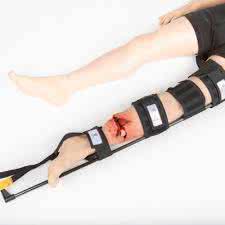
My muscles are sore after the workout.
トレーニングの後、筋肉が痛い

splint

/splɪnt/

(noun) 副木;

(verb) 副木で固定する

例:

The doctor applied a splint to her broken arm.
医者は彼女の折れた腕に副木を当てた。

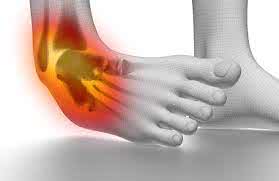
sprain

/spreɪn/

(verb) 捻挫する;

(noun) 捻挫

例:

She fell and sprained her ankle.
彼女は転んで足首を捻挫した

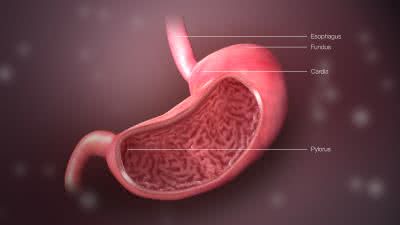
stomach

/ˈstʌm.ək/

(noun) 胃, お腹, 腹部;

(verb) 我慢する, 受け入れる

例:
My stomach hurts after eating too much.
食べ過ぎてお腹が痛い。

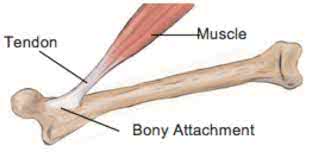
tendon

/ˈten.dən/

(noun)

例:

He strained a tendon in his ankle while playing basketball.
彼はバスケットボール中に足首のを痛めた。

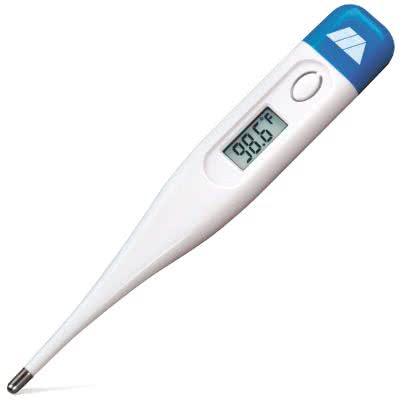
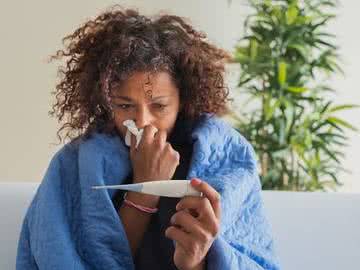
thermometer

/θɚˈmɑː.mə.t̬ɚ/

(noun) 体温計, 温度計

例:

The nurse used a thermometer to check the patient's temperature.
看護師は患者の体温を測るために体温計を使った。

virus

/ˈvaɪ.rəs/

(noun) ウイルス, コンピュータウイルス

例:

The common cold is caused by a virus.
一般的な風邪はウイルスによって引き起こされます。

vomit

/ˈvɑː.mɪt/

(verb) 吐く, 嘔吐する;

(noun) 吐瀉物, 嘔吐物

例:

He felt so sick that he thought he was going to vomit.
彼はとても気分が悪くて、吐きそうになった。

waiting room

/ˈweɪtɪŋ ruːm/

(noun) 待合室

例:

The doctor's waiting room was full of patients.
医者の待合室は患者でいっぱいだった。

wound

/wuːnd/

(noun) 傷, 負傷, 痛手;

(verb) 傷つける, 負傷させる, 心を痛める

例:

The doctor cleaned the deep wound on his arm.
医者は彼の腕の深いをきれいにした。

overweight

/ˌoʊ.vɚˈweɪt/

(adjective) 太りすぎ, 肥満の

例:

The doctor told him he was overweight and needed to exercise more.
医者は彼に太りすぎで、もっと運動する必要があると言った。

obesity

/oʊˈbiː.sə.t̬i/

(noun) 肥満

例:

Childhood obesity is a growing concern worldwide.
小児肥満は世界中で増大する懸念事項です。

eating disorder

/ˈiːtɪŋ dɪsˌɔːrdər/

(noun) 摂食障害

例:

She sought therapy for her eating disorder.
彼女は摂食障害の治療を受けた。

nutrient

/ˈnuː.tri.ənt/

(noun) 栄養素, 栄養分

例:

Plants absorb essential nutrients from the soil.
植物は土壌から必須の栄養素を吸収します。

diet

/ˈdaɪ.ət/

(noun) 食事, 食生活, ダイエット;

(verb) ダイエットする, 食事制限をする

例:

A healthy diet includes plenty of fruits and vegetables.
健康的な食事には、たくさんの果物と野菜が含まれます。

overeating

/ˌoʊ.vɚˈiː.t̬ɪŋ/

(noun) 過食, 食べ過ぎ

例:

Overeating can lead to weight gain and health problems.
過食は体重増加や健康問題につながる可能性があります。

ingredient

/ɪnˈɡriː.di.ənt/

(noun) 材料, 成分, 要素

例:

The main ingredient of this cake is flour.
このケーキの主な材料は小麦粉です。

additive

/ˈæd.ə.t̬ɪv/

(noun) 添加物, 添加剤;

(adjective) 添加の, 付加的な

例:

Many processed foods contain artificial additives.
多くの加工食品には人工添加物が含まれています。

prevent

/prɪˈvent/

(verb) 防ぐ, 防止する, 妨げる

例:

The new policy aims to prevent fraud.
新しい政策は詐欺を防止することを目指している。

variety

/vəˈraɪ.ə.t̬i/

(noun) 多様性, 種類, 品種

例:

The store offers a wide variety of products.
その店は幅広い種類の製品を提供しています。

fibre

/ˈfaɪ.bɚ/

(noun) 繊維, 食物繊維

例:

Cotton fibres are used to make fabric.
綿繊維は布を作るのに使われます。

regular

/ˈreɡ.jə.lɚ/

(adjective) 定期的な, 通常の, 規則的な;

(noun) 常連客, 常連

例:
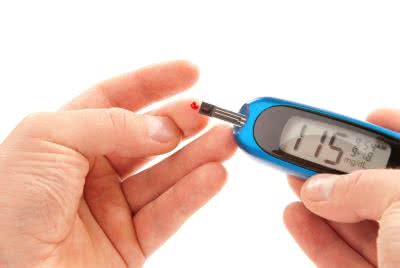
She makes regular visits to her grandmother.
彼女は祖母を定期的に訪ねる。

diabetes

/ˌdaɪ.əˈbiː.t̬iːz/

(noun) 糖尿病

例:

She was diagnosed with type 2 diabetes last year.
彼女は昨年、2型糖尿病と診断されました。

abnormal

/æbˈnɔːr.məl/

(adjective) 異常な, 普通でない

例:

The patient's blood test results were abnormal.
患者の血液検査の結果は異常でした。

acute

/əˈkjuːt/

(adjective) 鋭い, 洞察力のある, 深刻な

例:

She has an acute sense of smell.
彼女は鋭い嗅覚を持っている。

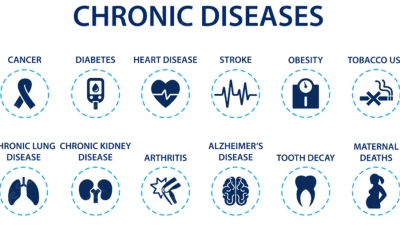
chronic disease

/ˈkrɑː.nɪk dɪˈziːz/

(noun) 慢性疾患

例:

Diabetes is a common chronic disease that requires daily management.
糖尿病は日常的な管理が必要な一般的な慢性疾患です。

amnesia

/æmˈniː.ʒə/

(noun) 記憶喪失, 健忘症

例:

After the accident, he suffered from temporary amnesia.
事故後、彼は一時的な記憶喪失に苦しんだ。

appointment

/əˈpɔɪnt.mənt/

(noun) 予約, 約束, 任命

例:

I have a doctor's appointment at 3 PM.
午後3時に医者の予約があります。

antibiotic

/ˌæn.t̬i.baɪˈɑː.t̬ɪk/

(noun) 抗生物質;

(adjective) 抗生物質の, 抗菌の

例:
The doctor prescribed an antibiotic for her infection.
医師は彼女の感染症に抗生物質を処方した。

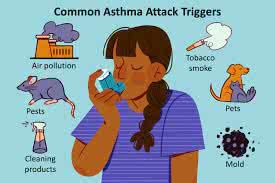
asthma

/ˈæz.mə/

(noun) 喘息

例:

She has suffered from asthma since childhood.
彼女は子供の頃から喘息を患っている。

bedsore

/ˈbed.sɔːr/

(noun) 褥瘡, 床ずれ

例:

The nurse carefully cleaned the patient's bedsore.
看護師は患者の褥瘡を注意深く清掃した。

biopsy

/ˈbaɪ.ɑːp.si/

(noun) 生検, バイオプシー;

(verb) 生検する

例:

The doctor recommended a biopsy to check for abnormal cells.
医師は異常な細胞がないか確認するために生検を勧めました。

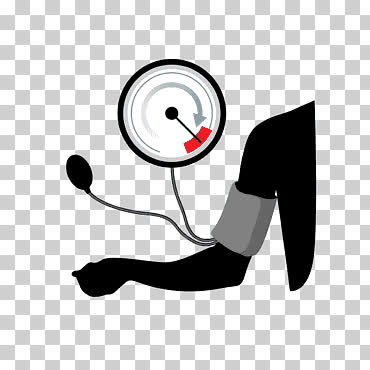
blood pressure

/ˈblʌd ˌpreʃ.ər/

(noun) 血圧

例:

The doctor checked her blood pressure during the examination.
医師は診察中に彼女の血圧を測定した。

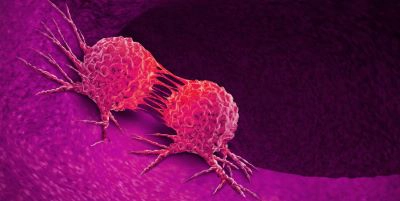
cancer

/ˈkæn.sɚ/

(noun) がん, 癌, 蟹座

例:

She is undergoing treatment for lung cancer.
彼女は肺がんの治療を受けている。

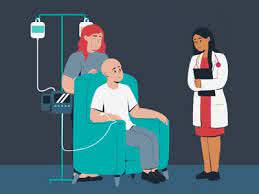
chemotherapy

/ˌkiː.moʊˈθer.ə.pi/

(noun) 化学療法

例:

She is undergoing chemotherapy for breast cancer.
彼女は乳がんの化学療法を受けている。

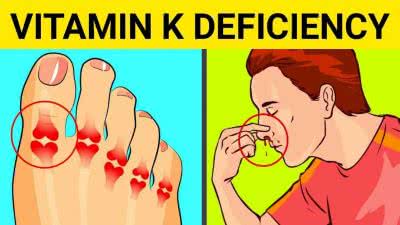
deficiency

/dɪˈfɪʃ.ən.si/

(noun) 欠乏, 不足, 欠陥

例:

The patient was diagnosed with a vitamin D deficiency.
患者はビタミンD欠乏症と診断された。

disease

/dɪˈziːz/

(noun) 病気, 疾患

例:

Heart disease is a major cause of death.
心臓病は主要な死因です。

growth

/ɡroʊθ/

(noun) 成長, 増加, 発育

例:

The company experienced rapid growth in the last quarter.
その会社は前四半期に急速な成長を経験した。

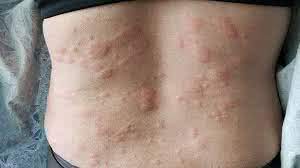
hives

/hɑɪvz/

(plural noun) じんましん, 蕁麻疹

例:

After eating the peanuts, she broke out in hives.
ピーナッツを食べた後、彼女はじんましんが出た。

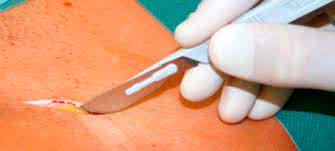
incision

/ɪnˈsɪʒ.ən/

(noun) 切開, 切り込み, 刻み目

例:

The surgeon made a small incision to begin the operation.
外科医は手術を開始するために小さな切開を行った。

infant

/ˈɪn.fənt/

(noun) 乳児, 幼児;

(adjective) 乳児の, 初期の, 未熟な

例:

The infant slept peacefully in its crib.
乳児はベビーベッドで安らかに眠った。
Lingolandでこの語彙セットを学習