Avatar of Vocabulary Set 常用醫學英語詞彙

詞彙集 常用醫學英語詞彙(屬於 健康科學):完整且詳細的清單

詞彙集「常用醫學英語詞彙」(屬於「健康科學」)從國際標準教材來源精心挑選,幫助您在短時間內掌握詞彙。全面彙整定義、例句及標準發音…

在 Lingoland 學習此詞彙集

立即學習
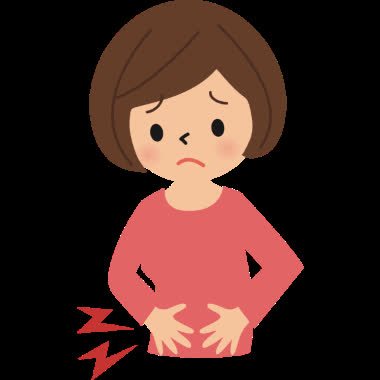
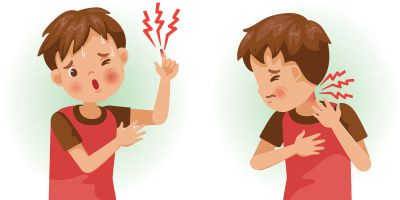
ache

/eɪk/

(noun) 疼痛, 隱痛, 心痛;

(verb) 疼痛, 隱痛, 渴望

範例:

I have a dull ache in my lower back.
我下背部有隱隱的疼痛

allergy

/ˈæl.ɚ.dʒi/

(noun) 過敏

範例:

She has a severe allergy to peanuts.
她對花生有嚴重的過敏

antihistamine

/ˌæn.t̬iˈhɪs.tə.mɪn/

(noun) 抗組胺藥

範例:

She took an antihistamine to relieve her hay fever symptoms.
她服用了一片抗組胺藥來緩解花粉症症狀。

appetite

/ˈæp.ə.taɪt/

(noun) 食慾, 胃口, 渴望

範例:

He has a healthy appetite after his morning run.
他晨跑後胃口很好。

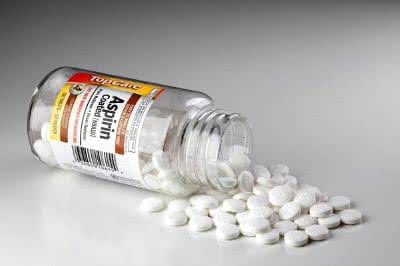
aspirin

/ˈæs.prɪn/

(noun) 阿司匹林

範例:

She took an aspirin for her headache.
她吃了片阿司匹林來緩解頭痛。

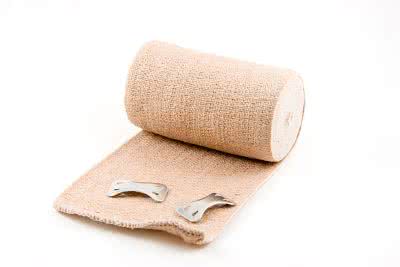
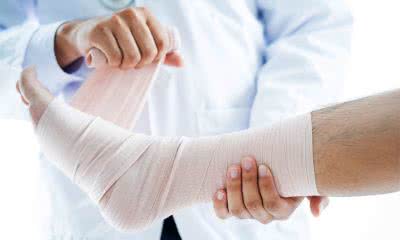
bandage

/ˈbæn.dɪdʒ/

(noun) 繃帶, 敷料;

(verb) 包紮, 纏繞

範例:

She wrapped a bandage around his sprained ankle.
她用繃帶包紮了他的扭傷的腳踝。

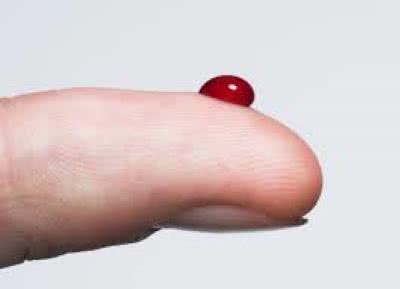
blood

/blʌd/

(noun) 血, 血液, 性情;

(verb) 使流血, 使沾血

範例:
He lost a lot of blood in the accident.
他在事故中失了很多

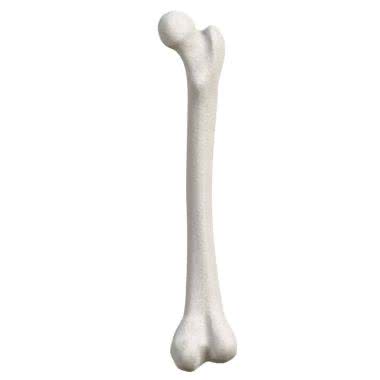
bone

/boʊn/

(noun) 骨頭, 骨質材料;

(verb) 去骨, 剔骨

範例:

The dog buried a bone in the backyard.
狗在後院埋了一根骨頭

broken

/ˈbroʊ.kən/

(adjective) 壞的, 碎的, 被打破的;

(past participle) 打破, 弄壞

範例:
The vase fell and was completely broken.
花瓶掉了,完全碎了

bronchitis

/brɑːŋˈkaɪ.t̬əs/

(noun) 支氣管炎

範例:

The doctor diagnosed him with acute bronchitis.
醫生診斷他患有急性支氣管炎

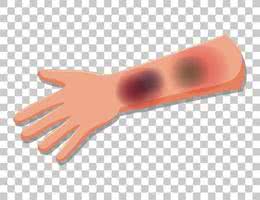
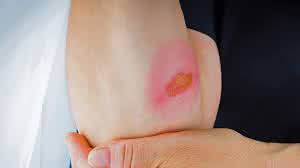
bruise

/bruːz/

(noun) 瘀傷, 青腫;

(verb) 使瘀傷, 碰傷, 傷害

範例:

He had a large bruise on his arm after falling.
他摔倒後手臂上有一大塊瘀傷

clinic

/ˈklɪn.ɪk/

(noun) 診所, 門診部, 臨床教學

範例:

She has an appointment at the dental clinic tomorrow.
她明天在牙科診所有個預約。

cold

/koʊld/

(adjective) 冷的, 寒冷的, 冷淡的;

(noun) 感冒

範例:
It's cold outside, so wear a jacket.
外面很,所以穿件夾克。

contagious

/kənˈteɪ.dʒəs/

(adjective) 傳染性的, 有感染力的

範例:

The flu is highly contagious.
流感具有高度傳染性

cough

/kɑːf/

(verb) 咳嗽;

(noun) 咳嗽

範例:

He started to cough uncontrollably during the meeting.
他在會議期間開始無法控制地咳嗽

crutch

/krʌtʃ/

(noun) 拐杖, 依靠, 支柱;

(verb) 拄拐杖, 用拐杖支撐

範例:

After the accident, he had to use a crutch to walk.
事故發生後,他不得不使用拐杖走路。

cut

/kʌt/

(verb) 切, 割, 剪;

(noun) 切口, 傷口, 剪裁;

(adjective) 切好的, 剪好的

範例:

She accidentally cut her finger while chopping vegetables.
她切菜時不小心到了手指。

decongestant

/ˌdiː.kənˈdʒes.tənt/

(noun) 減充血劑;

(adjective) 減充血的

範例:

She took a decongestant to relieve her stuffy nose.
她服用了一種減充血劑來緩解鼻塞。

diarrhea

/ˌdaɪ.əˈriː.ə/

(noun) 腹瀉

範例:

He suffered from severe diarrhea after eating contaminated food.
他吃了受污染的食物後患上了嚴重的腹瀉

dizzy

/ˈdɪz.i/

(adjective) 頭暈的, 眩暈的, 令人眩暈的

範例:

I felt dizzy after spinning around so fast.
我快速旋轉後感到頭暈

fever

/ˈfiː.vɚ/

(noun) 發燒, 熱病, 狂熱

範例:

The child had a high fever and was restless.
孩子發高燒,煩躁不安。

first aid

/ˌfɜːrst ˈeɪd/

(noun) 急救

範例:

He administered first aid to the injured runner.
他給受傷的跑步者進行了急救

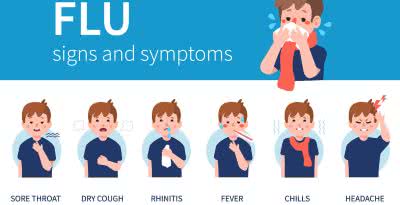
flu

/fluː/

(noun) 流感

範例:

I've got the flu and feel terrible.
我得了流感,感覺很糟糕。

headache

/ˈhed.eɪk/

(noun) 頭痛, 麻煩, 令人頭痛的事

範例:

I woke up with a terrible headache this morning.
我今天早上醒來時頭痛得很厲害。

indigestion

/ˌɪn.dɪˈdʒes.tʃən/

(noun) 消化不良, 胃灼熱

範例:

After eating too much, he suffered from severe indigestion.
吃得太多後,他患上了嚴重的消化不良

infection

/ɪnˈfek.ʃən/

(noun) 感染, 傳染, 傳染病

範例:

The doctor prescribed antibiotics to treat the bacterial infection.
醫生開抗生素治療細菌感染

influenza

/ˌɪn.fluˈen.zə/

(noun) 流感, 流行性感冒

範例:

The doctor diagnosed her with influenza.
醫生診斷她患有流感

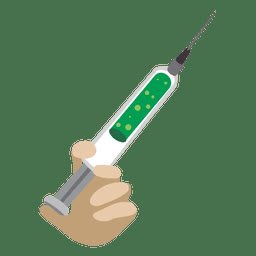
injection

/ɪnˈdʒek.ʃən/

(noun) 注射, 打針, 注入

範例:

The nurse gave him an injection to relieve the pain.
護士給他打了一針注射以緩解疼痛。

injury

/ˈɪn.dʒər.i/

(noun) 受傷, 損害, 傷害

範例:

He sustained a serious leg injury in the accident.
他在事故中腿部受了重傷。

medication

/ˌmed.əˈkeɪ.ʃən/

(noun) 藥物, 藥, 藥物治療

範例:

He is currently on medication for his high blood pressure.
他目前正在服用治療高血壓的藥物

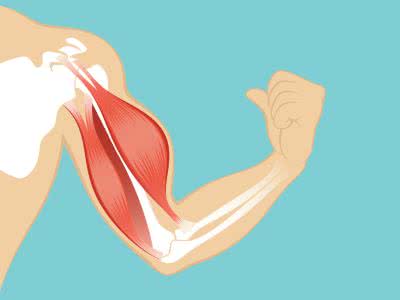
muscle

/ˈmʌs.əl/

(noun) 肌肉, 力量, 實力;

(verb) 強行進入, 擠過

範例:

He pulled a muscle in his leg while running.
他跑步時拉傷了腿部肌肉

nausea

/ˈnɑː.ʒə/

(noun) 噁心, 反感, 厭惡

範例:

She experienced severe nausea after taking the medication.
服藥後她感到劇烈噁心

pain

/peɪn/

(noun) 疼痛, 痛苦, 悲傷;

(verb) 使痛苦, 使疼痛

範例:

She felt a sharp pain in her leg.
她腿上感到一陣劇烈疼痛

painful

/ˈpeɪn.fəl/

(adjective) 疼痛的, 痛苦的, 令人傷心的

範例:

The injection was quite painful.
注射很

prescribe

/prɪˈskraɪb/

(verb) 開藥, 規定, 指定

範例:

The doctor prescribed antibiotics for her infection.
醫生為她的感染開出了抗生素。

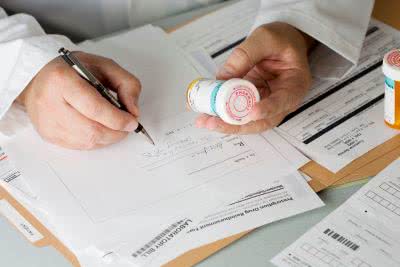
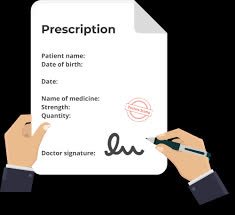
prescription

/prɪˈskrɪp.ʃən/

(noun) 處方, 開藥, 處方行為

範例:

The doctor gave me a prescription for antibiotics.
醫生給我開了抗生素的處方

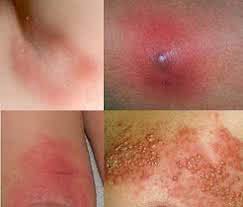
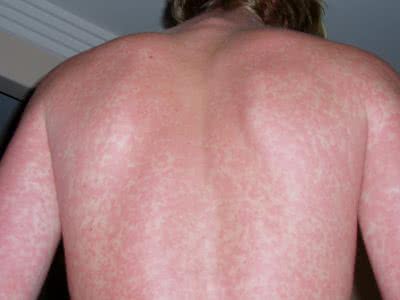
rash

/ræʃ/

(noun) 皮疹, 疹子;

(adjective) 草率的, 魯莽的

範例:

The baby developed a diaper rash.
嬰兒得了尿布

shot

/ʃɑːt/

(noun) 射擊, 槍聲, 嘗試;

(past tense) 射擊, 拍攝;

(past participle) 射擊, 拍攝

範例:

We heard a loud shot in the distance.
我們聽到遠處傳來一聲巨響。

sneeze

/sniːz/

(verb) 打噴嚏;

(noun) 噴嚏

範例:

The dust made her sneeze.
灰塵讓她打噴嚏

sore

/sɔːr/

(adjective) 疼痛的, 酸痛的, 生氣的;

(noun) 瘡, 潰瘍, 傷口

範例:
My muscles are sore after the workout.
鍛鍊後我的肌肉很酸痛

splint

/splɪnt/

(noun) 夾板;

(verb) 上夾板, 用夾板固定

範例:

The doctor applied a splint to her broken arm.
醫生給她的斷臂上了夾板

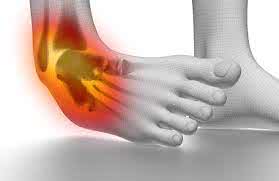
sprain

/spreɪn/

(verb) 扭傷;

(noun) 扭傷

範例:

She fell and sprained her ankle.
她摔倒了,扭傷了腳踝。

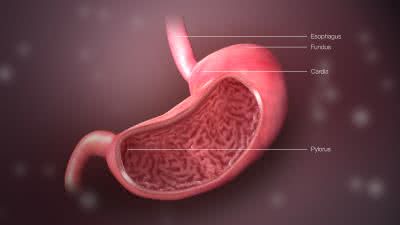
stomach

/ˈstʌm.ək/

(noun) 胃, 肚子, 腹部;

(verb) 忍受, 容忍

範例:

My stomach hurts after eating too much.
吃太多後我的很痛。

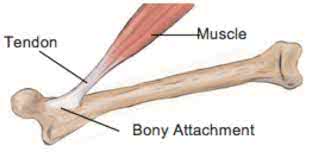
tendon

/ˈten.dən/

(noun) 肌腱, 腱

範例:

He strained a tendon in his ankle while playing basketball.
他打籃球時拉傷了腳踝的肌腱

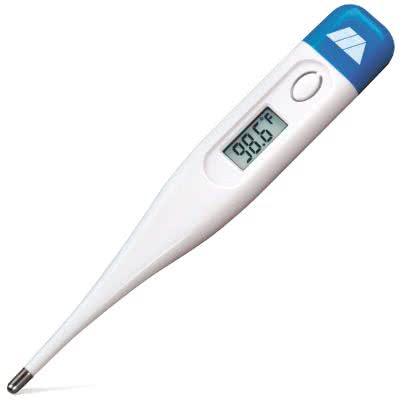
thermometer

/θɚˈmɑː.mə.t̬ɚ/

(noun) 溫度計, 體溫計

範例:

The nurse used a thermometer to check the patient's temperature.
護士用體溫計測量病人的體溫。

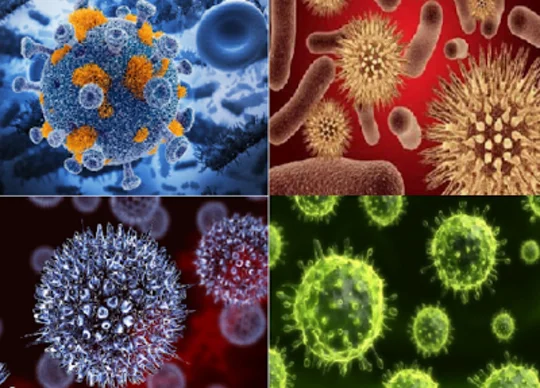
virus

/ˈvaɪ.rəs/

(noun) 病毒, 電腦病毒

範例:

The common cold is caused by a virus.
普通感冒是由病毒引起的。

vomit

/ˈvɑː.mɪt/

(verb) 嘔吐, 吐;

(noun) 嘔吐物, 吐出物

範例:

He felt so sick that he thought he was going to vomit.
他感覺非常噁心,以為自己要吐了。

waiting room

/ˈweɪtɪŋ ruːm/

(noun) 候診室, 候車室, 等候室

範例:

The doctor's waiting room was full of patients.
醫生診所的候診室裡擠滿了病人。

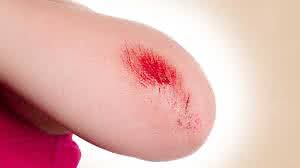
wound

/wuːnd/

(noun) 傷口, 創傷, 傷害;

(verb) 使受傷, 傷害, 使痛苦

範例:

The doctor cleaned the deep wound on his arm.
醫生清理了他手臂上的深傷口

overweight

/ˌoʊ.vɚˈweɪt/

(adjective) 超重的, 肥胖的

範例:

The doctor told him he was overweight and needed to exercise more.
醫生告訴他他超重了,需要多鍛鍊。

obesity

/oʊˈbiː.sə.t̬i/

(noun) 肥胖, 肥胖症

範例:

Childhood obesity is a growing concern worldwide.
兒童肥胖是全球日益關注的問題。

eating disorder

/ˈiːtɪŋ dɪsˌɔːrdər/

(noun) 飲食失調

範例:

She sought therapy for her eating disorder.
她尋求治療她的飲食失調

nutrient

/ˈnuː.tri.ənt/

(noun) 營養素, 養分

範例:

Plants absorb essential nutrients from the soil.
植物從土壤中吸收必需的營養物質

diet

/ˈdaɪ.ət/

(noun) 飲食, 膳食, 節食;

(verb) 節食, 減肥

範例:

A healthy diet includes plenty of fruits and vegetables.
健康的飲食包括大量水果和蔬菜。

overeating

/ˌoʊ.vɚˈiː.t̬ɪŋ/

(noun) 暴飲暴食, 過量飲食

範例:

Overeating can lead to weight gain and health problems.
暴飲暴食會導致體重增加和健康問題。

ingredient

/ɪnˈɡriː.di.ənt/

(noun) 成分, 配料, 因素

範例:

The main ingredient of this cake is flour.
這種蛋糕的主要成分是麵粉。

additive

/ˈæd.ə.t̬ɪv/

(noun) 添加劑, 添加物;

(adjective) 添加的, 增材的

範例:

Many processed foods contain artificial additives.
許多加工食品含有人工添加劑

prevent

/prɪˈvent/

(verb) 防止, 預防, 阻止

範例:

The new policy aims to prevent fraud.
新政策旨在防止詐欺。

variety

/vəˈraɪ.ə.t̬i/

(noun) 多樣性, 種類, 品種

範例:

The store offers a wide variety of products.
這家商店提供各種各樣的產品。

fibre

/ˈfaɪ.bɚ/

(noun) 纖維, 膳食纖維

範例:

Cotton fibres are used to make fabric.
纖維用於製造織物。

regular

/ˈreɡ.jə.lɚ/

(adjective) 定期的, 普通的, 規則的;

(noun) 常客, 老主顧

範例:
She makes regular visits to her grandmother.
定期去看望她的祖母。

diabetes

/ˌdaɪ.əˈbiː.t̬iːz/

(noun) 糖尿病

範例:

She was diagnosed with type 2 diabetes last year.
她去年被診斷出患有2型糖尿病

abnormal

/æbˈnɔːr.məl/

(adjective) 異常的, 不正常的

範例:

The patient's blood test results were abnormal.
病人的血液檢查結果異常

acute

/əˈkjuːt/

(adjective) 敏銳的, 深刻的, 嚴重的

範例:

She has an acute sense of smell.
她有敏銳的嗅覺。

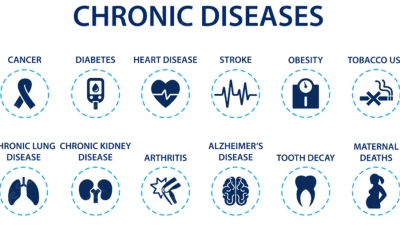
chronic disease

/ˈkrɑː.nɪk dɪˈziːz/

(noun) 慢性疾病

範例:

Diabetes is a common chronic disease that requires daily management.
糖尿病是一種常見的慢性疾病,需要日常管理。

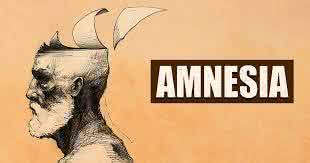
amnesia

/æmˈniː.ʒə/

(noun) 失憶症, 健忘症

範例:

After the accident, he suffered from temporary amnesia.
事故後,他患有暫時性失憶症

appointment

/əˈpɔɪnt.mənt/

(noun) 預約, 約會, 任命

範例:

I have a doctor's appointment at 3 PM.
我下午3點有個醫生預約

antibiotic

/ˌæn.t̬i.baɪˈɑː.t̬ɪk/

(noun) 抗生素;

(adjective) 抗生素的, 抗菌的

範例:
The doctor prescribed an antibiotic for her infection.
醫生為她的感染開了抗生素

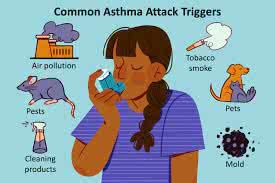
asthma

/ˈæz.mə/

(noun) 哮喘

範例:

She has suffered from asthma since childhood.
她從小就患有哮喘

bedsore

/ˈbed.sɔːr/

(noun) 褥瘡, 壓瘡

範例:

The nurse carefully cleaned the patient's bedsore.
護士小心翼翼地清理了病人的褥瘡

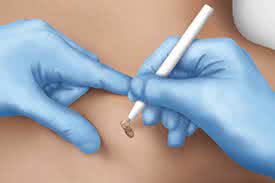
biopsy

/ˈbaɪ.ɑːp.si/

(noun) 活檢, 活組織檢查;

(verb) 活檢

範例:

The doctor recommended a biopsy to check for abnormal cells.
醫生建議進行活檢以檢查異常細胞。

blood pressure

/ˈblʌd ˌpreʃ.ər/

(noun) 血壓

範例:

The doctor checked her blood pressure during the examination.
醫生在檢查時測量了她的血壓

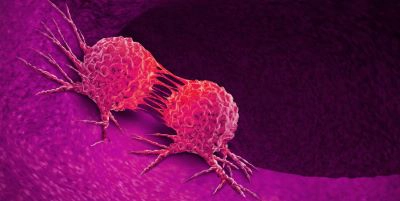
cancer

/ˈkæn.sɚ/

(noun) 癌症, 巨蟹座

範例:

She is undergoing treatment for lung cancer.
她正在接受肺治療。

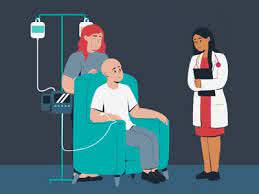
chemotherapy

/ˌkiː.moʊˈθer.ə.pi/

(noun) 化療

範例:

She is undergoing chemotherapy for breast cancer.
她正在接受乳腺癌化療

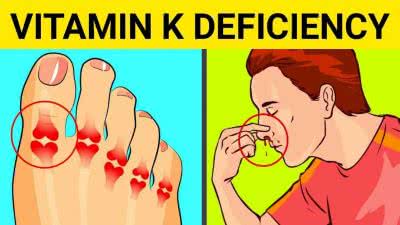
deficiency

/dɪˈfɪʃ.ən.si/

(noun) 缺乏, 不足, 缺陷

範例:

The patient was diagnosed with a vitamin D deficiency.
患者被診斷出維生素D缺乏症

disease

/dɪˈziːz/

(noun) 疾病, 病症

範例:

Heart disease is a major cause of death.
心臟病是主要的死亡原因。

growth

/ɡroʊθ/

(noun) 增長, 發展, 生長

範例:

The company experienced rapid growth in the last quarter.
該公司在上個季度經歷了快速增長

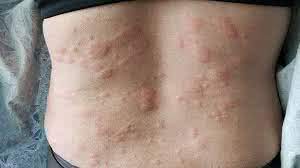
hives

/hɑɪvz/

(plural noun) 蕁麻疹, 風疹塊

範例:

After eating the peanuts, she broke out in hives.
吃了花生後,她身上起了蕁麻疹

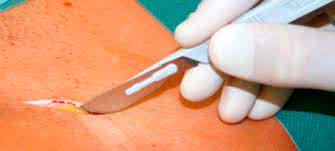
incision

/ɪnˈsɪʒ.ən/

(noun) 切口, 切開, 刻痕

範例:

The surgeon made a small incision to begin the operation.
外科醫生做了一個小切口,開始手術。

infant

/ˈɪn.fənt/

(noun) 嬰兒, 幼兒;

(adjective) 嬰兒的, 初期的, 未成熟的

範例:

The infant slept peacefully in its crib.
嬰兒在嬰兒床裡安靜地睡著了。
在 Lingoland 學習此詞彙集