Avatar of Vocabulary Set 일반 의료 영어 어휘

보건 과학 내 일반 의료 영어 어휘 어휘 세트: 완전하고 상세한 목록

'보건 과학' 내 '일반 의료 영어 어휘' 어휘 세트는 국제 표준 교재 출처에서 엄선되어 짧은 시간 안에 어휘를 마스터할 수 있도록 도와줍니다. 정의, 예문, 표준 발음을 완벽하게 수록...

Lingoland에서 이 어휘 세트 학습하기

지금 학습하기
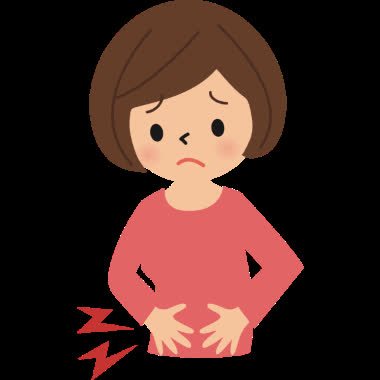
ache

/eɪk/

(noun) 통증, 아픔, 슬픔;

(verb) 아프다, 쑤시다, 갈망하다

예시:

I have a dull ache in my lower back.
허리 아래쪽에 둔한 통증이 있어.

allergy

/ˈæl.ɚ.dʒi/

(noun) 알레르기

예시:

She has a severe allergy to peanuts.
그녀는 땅콩에 심한 알레르기가 있다.

antihistamine

/ˌæn.t̬iˈhɪs.tə.mɪn/

(noun) 항히스타민제

예시:

She took an antihistamine to relieve her hay fever symptoms.
그녀는 꽃가루 알레르기 증상을 완화하기 위해 항히스타민제를 복용했다.

appetite

/ˈæp.ə.taɪt/

(noun) 식욕, 입맛, 욕구

예시:

He has a healthy appetite after his morning run.
그는 아침 조깅 후에 건강한 식욕을 가지고 있다.

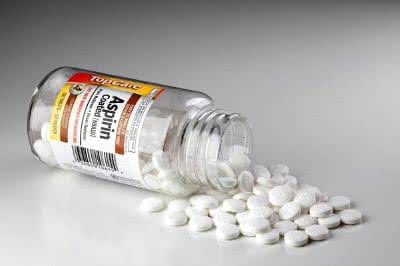
aspirin

/ˈæs.prɪn/

(noun) 아스피린

예시:

She took an aspirin for her headache.
그녀는 두통 때문에 아스피린을 먹었다.

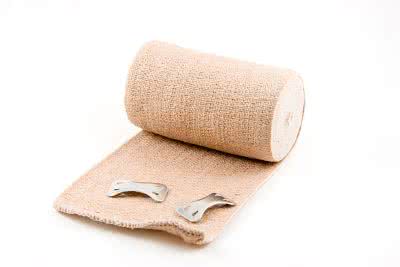
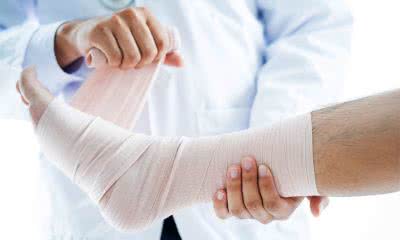
bandage

/ˈbæn.dɪdʒ/

(noun) 붕대, 반창고;

(verb) 붕대를 감다, 반창고를 붙이다

예시:
She wrapped a bandage around his sprained ankle.
그녀는 그의 삐끗한 발목에 붕대를 감았다.

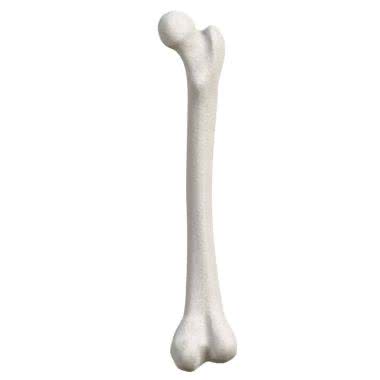
blood

/blʌd/

(noun) 피, 혈액, 기질;

(verb) 피를 흘리게 하다, 피로 더럽히다

예시:
He lost a lot of blood in the accident.
그는 사고로 많은 를 잃었다.

bone

/boʊn/

(noun) 뼈, 골재;

(verb) 뼈를 발라내다, 발골하다

예시:

The dog buried a bone in the backyard.
개는 뒷마당에 를 묻었다.

broken

/ˈbroʊ.kən/

(adjective) 고장 난, 깨진, 위반된;

(past participle) 부러뜨린, 깨뜨린

예시:
The vase fell and was completely broken.
꽃병이 떨어져서 완전히 깨졌다.

bronchitis

/brɑːŋˈkaɪ.t̬əs/

(noun) 기관지염

예시:

The doctor diagnosed him with acute bronchitis.
의사는 그에게 급성 기관지염을 진단했다.

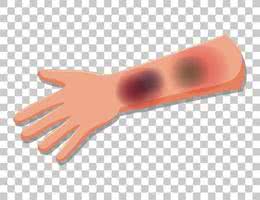
bruise

/bruːz/

(noun) 멍, 타박상;

(verb) 멍들게 하다, 타박상을 입히다, 상처를 주다

예시:

He had a large bruise on his arm after falling.
그는 넘어진 후 팔에 큰 이 들었다.

clinic

/ˈklɪn.ɪk/

(noun) 진료소, 클리닉, 실습

예시:

She has an appointment at the dental clinic tomorrow.
그녀는 내일 치과 진료소에 예약이 있어.

cold

/koʊld/

(adjective) 추운, 차가운, 냉담한;

(noun) 감기

예시:
It's cold outside, so wear a jacket.
밖이 추우니 재킷을 입어.

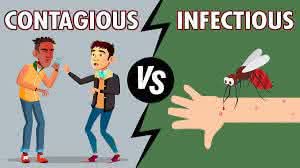
contagious

/kənˈteɪ.dʒəs/

(adjective) 전염성의, 전염성이 있는, 영향을 미치는

예시:
The flu is highly contagious.
독감은 매우 전염성이 강하다.

cough

/kɑːf/

(verb) 기침하다;

(noun) 기침

예시:

He started to cough uncontrollably during the meeting.
그는 회의 중에 통제할 수 없이 기침하기 시작했다.

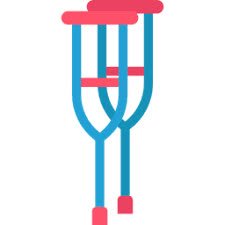
crutch

/krʌtʃ/

(noun) 목발, 수단, 의지할 것;

(verb) 목발을 짚다, 목발로 지탱하다

예시:

After the accident, he had to use a crutch to walk.
사고 후, 그는 목발을 사용해야 했다.

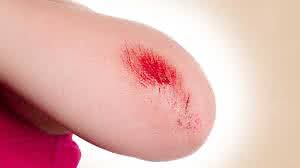
cut

/kʌt/

(verb) 자르다, 베다, 절개하다;

(noun) 상처, 자르기, 이발;

(adjective) 잘린, 베인

예시:

She accidentally cut her finger while chopping vegetables.
그녀는 채소를 썰다가 실수로 손가락을 베었다.

decongestant

/ˌdiː.kənˈdʒes.tənt/

(noun) 코막힘 약, 비충혈 제거제;

(adjective) 코막힘을 완화하는, 비충혈 제거의

예시:

She took a decongestant to relieve her stuffy nose.
그녀는 코막힘을 완화하기 위해 코막힘 약을 복용했다.

diarrhea

/ˌdaɪ.əˈriː.ə/

(noun) 설사

예시:

He suffered from severe diarrhea after eating contaminated food.
그는 오염된 음식을 먹은 후 심한 설사를 겪었다.

dizzy

/ˈdɪz.i/

(adjective) 어지러운, 현기증 나는, 어지럽게 하는

예시:
I felt dizzy after spinning around so fast.
너무 빨리 돌고 나니 어지러웠다.

fever

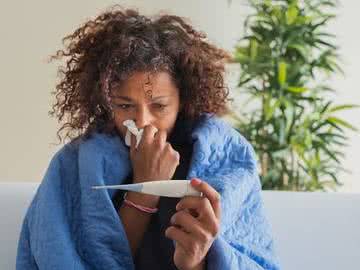
/ˈfiː.vɚ/

(noun) 열, 발열, 열기

예시:

The child had a high fever and was restless.
아이는 고열이 있었고 불안해했다.

first aid

/ˌfɜːrst ˈeɪd/

(noun) 응급 처치

예시:

He administered first aid to the injured runner.
그는 부상당한 주자에게 응급 처치를 했다.

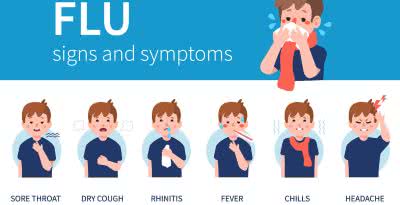
flu

/fluː/

(noun) 독감

예시:

I've got the flu and feel terrible.
독감에 걸려서 몸이 안 좋아.

headache

/ˈhed.eɪk/

(noun) 두통, 골칫거리, 문제

예시:

I woke up with a terrible headache this morning.
오늘 아침 끔찍한 두통으로 일어났어.

indigestion

/ˌɪn.dɪˈdʒes.tʃən/

(noun) 소화 불량, 위장 장애

예시:

After eating too much, he suffered from severe indigestion.
너무 많이 먹은 후, 그는 심한 소화 불량에 시달렸다.

infection

/ɪnˈfek.ʃən/

(noun) 감염, 전염, 감염병

예시:

The doctor prescribed antibiotics to treat the bacterial infection.
의사는 세균 감염을 치료하기 위해 항생제를 처방했다.

influenza

/ˌɪn.fluˈen.zə/

(noun) 인플루엔자, 독감

예시:

The doctor diagnosed her with influenza.
의사는 그녀에게 인플루엔자 진단을 내렸다.

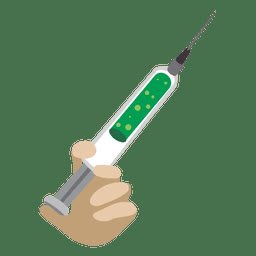
injection

/ɪnˈdʒek.ʃən/

(noun) 주사, 주입, 투입

예시:

The nurse gave him an injection to relieve the pain.
간호사는 통증 완화를 위해 그에게 주사를 놓았다.

injury

/ˈɪn.dʒər.i/

(noun) 부상, 상해, 손상

예시:

He sustained a serious leg injury in the accident.
그는 사고로 심각한 다리 부상을 입었다.

medication

/ˌmed.əˈkeɪ.ʃən/

(noun) 약, 약물, 약물 치료

예시:

He is currently on medication for his high blood pressure.
그는 현재 고혈압 을 복용 중이다.

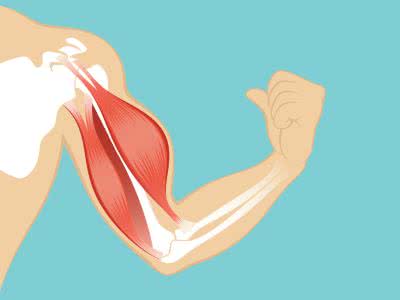
muscle

/ˈmʌs.əl/

(noun) 근육, 힘, 근력;

(verb) 억지로 밀고 들어가다, 힘으로 밀어붙이다

예시:

He pulled a muscle in his leg while running.
그는 달리다가 다리 근육을 다쳤다.

nausea

/ˈnɑː.ʒə/

(noun) 메스꺼움, 혐오감, 역겨움

예시:

She experienced severe nausea after taking the medication.
그녀는 약을 복용한 후 심한 메스꺼움을 느꼈다.

pain

/peɪn/

(noun) 통증, 아픔, 고통;

(verb) 아프게 하다, 고통을 주다

예시:
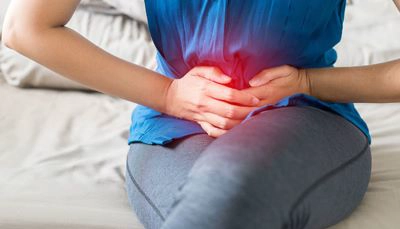
She felt a sharp pain in her leg.
그녀는 다리에 날카로운 통증을 느꼈다.

painful

/ˈpeɪn.fəl/

(adjective) 아픈, 고통스러운, 괴로운

예시:

The injection was quite painful.
주사는 꽤 아팠다.

prescribe

/prɪˈskraɪb/

(verb) 처방하다, 규정하다, 명령하다

예시:

The doctor prescribed antibiotics for her infection.
의사는 그녀의 감염에 항생제를 처방했다.

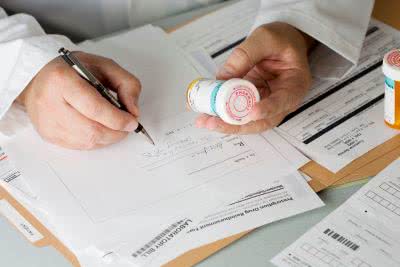
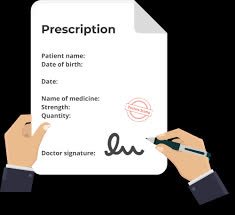
prescription

/prɪˈskrɪp.ʃən/

(noun) 처방전, 처방, 처방 행위

예시:

The doctor gave me a prescription for antibiotics.
의사가 나에게 항생제 처방전을 주었다.

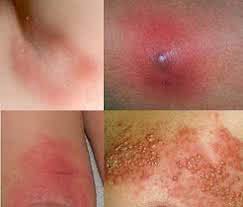
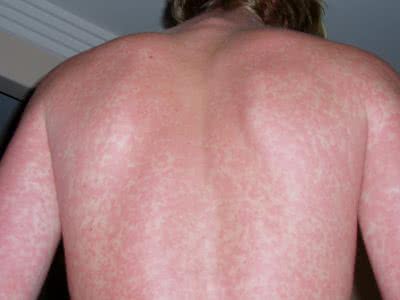
rash

/ræʃ/

(noun) 발진, 두드러기;

(adjective) 성급한, 무모한

예시:
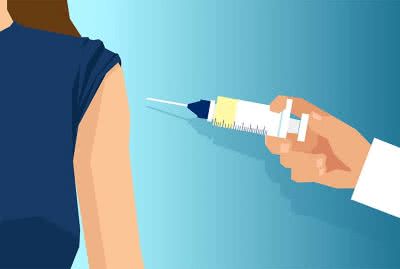
The baby developed a diaper rash.
아기가 기저귀 발진이 생겼다.

shot

/ʃɑːt/

(noun) 총성, 발사, 시도;

(past tense) 쏘았다, 촬영되었다;

(past participle) 쏘았다, 촬영되었다

예시:

We heard a loud shot in the distance.
멀리서 큰 총성이 들렸다.

sneeze

/sniːz/

(verb) 재채기하다;

(noun) 재채기

예시:

The dust made her sneeze.
먼지 때문에 그녀는 재채기를 했다.

sore

/sɔːr/

(adjective) 아픈, 쓰린, 화난;

(noun) 염증, 상처, 궤양

예시:
My muscles are sore after the workout.
운동 후에 근육이 아프다.

splint

/splɪnt/

(noun) 부목;

(verb) 부목으로 고정하다

예시:

The doctor applied a splint to her broken arm.
의사는 그녀의 부러진 팔에 부목을 댔다.

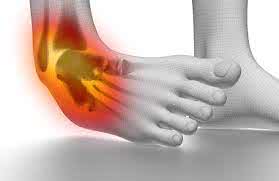
sprain

/spreɪn/

(verb) 삐다, 염좌하다;

(noun) 염좌, 삠

예시:

She fell and sprained her ankle.
그녀는 넘어져서 발목을 삐었다.

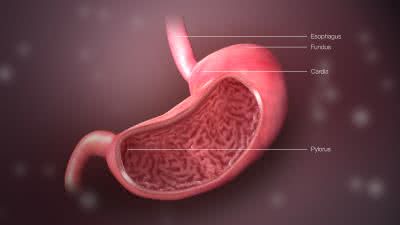
stomach

/ˈstʌm.ək/

(noun) 위, 배, 복부;

(verb) 참다, 견디다

예시:

My stomach hurts after eating too much.
너무 많이 먹었더니 가 아파.

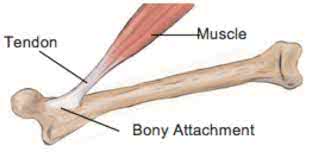
tendon

/ˈten.dən/

(noun) 힘줄, 건

예시:

He strained a tendon in his ankle while playing basketball.
그는 농구를 하다가 발목 힘줄을 다쳤다.

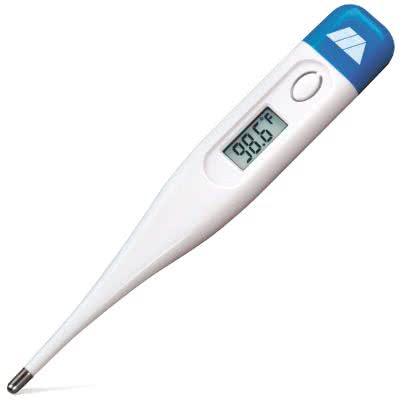
thermometer

/θɚˈmɑː.mə.t̬ɚ/

(noun) 온도계, 체온계

예시:

The nurse used a thermometer to check the patient's temperature.
간호사는 환자의 체온을 확인하기 위해 체온계를 사용했다.

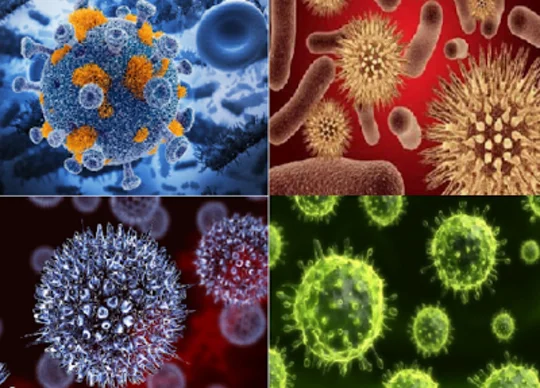
virus

/ˈvaɪ.rəs/

(noun) 바이러스, 컴퓨터 바이러스

예시:

The common cold is caused by a virus.
감기는 바이러스에 의해 발생한다.

vomit

/ˈvɑː.mɪt/

(verb) 토하다, 구토하다;

(noun) 토사물, 구토물

예시:

He felt so sick that he thought he was going to vomit.
그는 너무 아파서 토할 것 같았다.

waiting room

/ˈweɪtɪŋ ruːm/

(noun) 대기실

예시:

The doctor's waiting room was full of patients.
의사 대기실은 환자들로 가득했다.

wound

/wuːnd/

(noun) 상처, 부상, 타격;

(verb) 상처를 입히다, 부상을 입히다, 상처를 주다

예시:

The doctor cleaned the deep wound on his arm.
의사는 그의 팔에 난 깊은 상처를 소독했다.

overweight

/ˌoʊ.vɚˈweɪt/

(adjective) 과체중의, 비만의

예시:

The doctor told him he was overweight and needed to exercise more.
의사는 그에게 과체중이며 운동을 더 해야 한다고 말했다.

obesity

/oʊˈbiː.sə.t̬i/

(noun) 비만

예시:

Childhood obesity is a growing concern worldwide.
아동 비만은 전 세계적으로 증가하는 우려 사항입니다.

eating disorder

/ˈiːtɪŋ dɪsˌɔːrdər/

(noun) 섭식 장애

예시:

She sought therapy for her eating disorder.
그녀는 섭식 장애 치료를 받았다.

nutrient

/ˈnuː.tri.ənt/

(noun) 영양소, 영양분

예시:

Plants absorb essential nutrients from the soil.
식물은 토양에서 필수 영양분을 흡수한다.

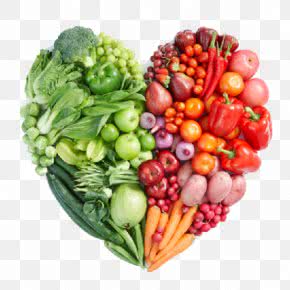
diet

/ˈdaɪ.ət/

(noun) 식단, 음식, 다이어트;

(verb) 다이어트하다, 식이요법을 하다

예시:

A healthy diet includes plenty of fruits and vegetables.
건강한 식단은 많은 과일과 채소를 포함합니다.

overeating

/ˌoʊ.vɚˈiː.t̬ɪŋ/

(noun) 과식, 폭식

예시:

Overeating can lead to weight gain and health problems.
과식은 체중 증가와 건강 문제로 이어질 수 있습니다.

ingredient

/ɪnˈɡriː.di.ənt/

(noun) 재료, 성분, 요소

예시:

The main ingredient of this cake is flour.
이 케이크의 주요 재료는 밀가루입니다.

additive

/ˈæd.ə.t̬ɪv/

(noun) 첨가물, 첨가제;

(adjective) 첨가하는, 부가적인

예시:

Many processed foods contain artificial additives.
많은 가공식품에는 인공 첨가물이 들어있습니다.

prevent

/prɪˈvent/

(verb) 막다, 예방하다, 방해하다

예시:

The new policy aims to prevent fraud.
새로운 정책은 사기를 방지하는 것을 목표로 한다.

variety

/vəˈraɪ.ə.t̬i/

(noun) 다양성, 변화, 품종

예시:

The store offers a wide variety of products.
그 가게는 다양한 종류의 제품을 제공한다.

fibre

/ˈfaɪ.bɚ/

(noun) 섬유, 섬유질, 식이섬유

예시:

Cotton fibres are used to make fabric.
섬유는 직물을 만드는 데 사용됩니다.

regular

/ˈreɡ.jə.lɚ/

(adjective) 정기적인, 보통의, 규칙적인;

(noun) 단골, 정기 고객

예시:
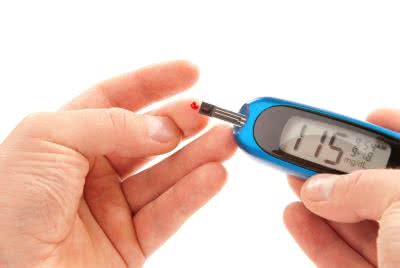
She makes regular visits to her grandmother.
그녀는 할머니를 정기적으로 방문한다.

diabetes

/ˌdaɪ.əˈbiː.t̬iːz/

(noun) 당뇨병

예시:

She was diagnosed with type 2 diabetes last year.
그녀는 작년에 2형 당뇨병 진단을 받았습니다.

abnormal

/æbˈnɔːr.məl/

(adjective) 비정상적인, 이상한

예시:

The patient's blood test results were abnormal.
환자의 혈액 검사 결과가 비정상적이었다.

acute

/əˈkjuːt/

(adjective) 예리한, 날카로운, 심각한

예시:

She has an acute sense of smell.
그녀는 예민한 후각을 가지고 있다.

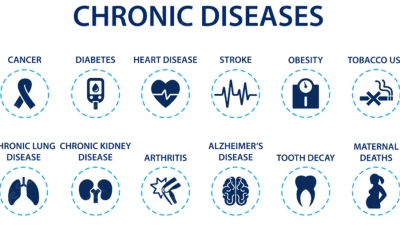
chronic disease

/ˈkrɑː.nɪk dɪˈziːz/

(noun) 만성 질환

예시:

Diabetes is a common chronic disease that requires daily management.
당뇨병은 매일 관리가 필요한 흔한 만성 질환입니다.

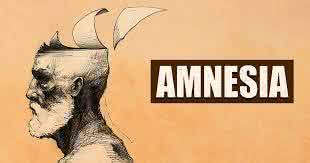
amnesia

/æmˈniː.ʒə/

(noun) 기억상실증, 건망증

예시:

After the accident, he suffered from temporary amnesia.
사고 후, 그는 일시적인 기억상실증을 앓았다.

appointment

/əˈpɔɪnt.mənt/

(noun) 약속, 예약, 임명

예시:

I have a doctor's appointment at 3 PM.
오후 3시에 병원 예약이 있어.

antibiotic

/ˌæn.t̬i.baɪˈɑː.t̬ɪk/

(noun) 항생제;

(adjective) 항생의

예시:

The doctor prescribed an antibiotic for her infection.
의사는 그녀의 감염에 항생제를 처방했다.

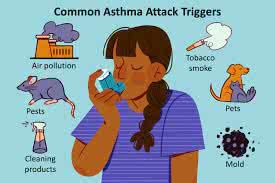
asthma

/ˈæz.mə/

(noun) 천식

예시:

She has suffered from asthma since childhood.
그녀는 어린 시절부터 천식을 앓아왔다.

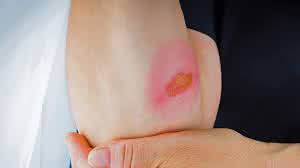
bedsore

/ˈbed.sɔːr/

(noun) 욕창, 압박 궤양

예시:

The nurse carefully cleaned the patient's bedsore.
간호사는 환자의 욕창을 조심스럽게 소독했다.

biopsy

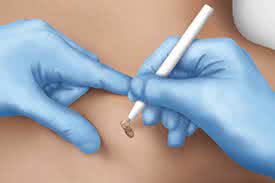
/ˈbaɪ.ɑːp.si/

(noun) 생검, 조직검사;

(verb) 생검하다, 조직검사하다

예시:

The doctor recommended a biopsy to check for abnormal cells.
의사는 비정상 세포를 확인하기 위해 생검을 권했다.

blood pressure

/ˈblʌd ˌpreʃ.ər/

(noun) 혈압

예시:

The doctor checked her blood pressure during the examination.
의사는 진찰 중에 그녀의 혈압을 확인했다.

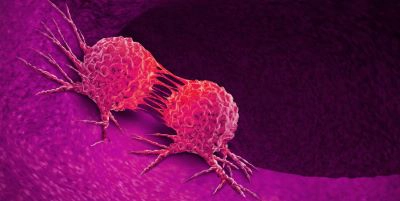
cancer

/ˈkæn.sɚ/

(noun) 암, 게자리

예시:

She is undergoing treatment for lung cancer.
그녀는 폐 치료를 받고 있다.

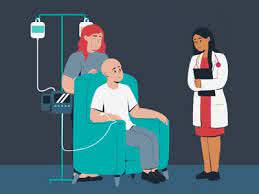
chemotherapy

/ˌkiː.moʊˈθer.ə.pi/

(noun) 화학 요법

예시:

She is undergoing chemotherapy for breast cancer.
그녀는 유방암으로 화학 요법을 받고 있다.

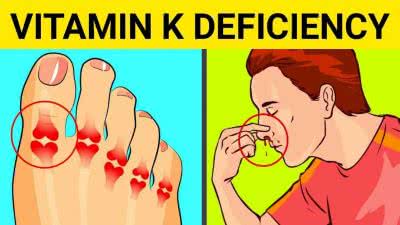
deficiency

/dɪˈfɪʃ.ən.si/

(noun) 결핍, 부족, 결함

예시:

The patient was diagnosed with a vitamin D deficiency.
환자는 비타민 D 결핍증으로 진단받았다.

disease

/dɪˈziːz/

(noun) 질병, 병

예시:

Heart disease is a major cause of death.
심장병은 주요 사망 원인이다.

growth

/ɡroʊθ/

(noun) 성장, 증가, 발육

예시:

The company experienced rapid growth in the last quarter.
그 회사는 지난 분기에 빠른 성장을 경험했다.

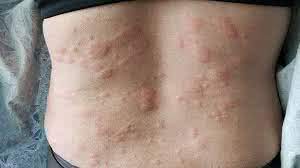
hives

/hɑɪvz/

(plural noun) 두드러기, 담마진

예시:

After eating the peanuts, she broke out in hives.
땅콩을 먹은 후 그녀는 두드러기가 났다.

incision

/ɪnˈsɪʒ.ən/

(noun) 절개, 수술 절개, 새김

예시:

The surgeon made a small incision to begin the operation.
외과 의사는 수술을 시작하기 위해 작은 절개를 했다.

infant

/ˈɪn.fənt/

(noun) 유아, 아기;

(adjective) 유아의, 초기의, 미숙한

예시:

The infant slept peacefully in its crib.
아기는 아기 침대에서 평화롭게 잠들었다.
Lingoland에서 이 어휘 세트 학습하기