Avatar of Vocabulary Set B2 - 文字 S

Oxford 3000 - B2 内 B2 - 文字 S 語彙セット:完全かつ詳細なリスト

「Oxford 3000 - B2」内の「B2 - 文字 S」語彙セットは国際標準教材から厳選され、短期間で語彙をマスターできます。定義、例文、標準発音を網羅…

Lingolandでこの語彙セットを学習

今すぐ学習

sample

/ˈsæm.pəl/

(noun) サンプル, 見本;

(verb) サンプリングする, 試す

例:

Please provide a sample of your work.
あなたの作品のサンプルを提供してください。

satellite

/ˈsæt̬.əl.aɪt/

(noun) 人工衛星, 衛星, 月;

(adjective) 衛星の, 付属の

例:

The communication satellite relays signals around the globe.
通信衛星は世界中に信号を中継する。

satisfied

/ˈsæt̬.ɪs.faɪd/

(adjective) 満足した, 満たされた

例:

She felt satisfied with her performance.
彼女は自分のパフォーマンスに満足していた。

satisfy

/ˈsæt̬.ɪs.faɪ/

(verb) 満足させる, 満たす, 納得させる

例:

The new policy aims to satisfy both employees and management.
新しい方針は、従業員と経営陣の両方を満足させることを目指しています。

saving

/ˈseɪ.vɪŋ/

(noun) 貯蓄, 節約, 救助;

(preposition) 以外, を除いて

例:

I put all my savings into a high-interest account.
私はすべての貯蓄を高金利口座に入れた。

scale

/skeɪl/

(noun) スケール, 規模, うろこ;

(verb) 登る, よじ登る, うろこを取る

例:

The Richter scale measures the magnitude of earthquakes.
リヒタースケールは地震の規模を測定します。

schedule

/ˈskedʒ.uːl/

(noun) スケジュール, 予定, 時刻表;

(verb) スケジュールする, 予定を立てる

例:

I need to check my schedule for next week.
来週のスケジュールを確認する必要があります。

scheme

/skiːm/

(noun) 計画, 案, 陰謀;

(verb) 画策する, 陰謀を企てる

例:

The government launched a new scheme to help the unemployed.
政府は失業者を支援するための新しい計画を開始した。

scream

/skriːm/

(noun) 叫び声, 悲鳴;

(verb) 叫ぶ, 悲鳴を上げる

例:

She let out a loud scream when she saw the spider.
彼女はクモを見て大きな叫び声を上げた。

screen

/skriːn/

(noun) スクリーン, 画面, 衝立;

(verb) 上映する, 放映する, 審査する

例:

The movie was projected onto a large screen.
映画は大きなスクリーンに映し出された。

seat

/siːt/

(noun) 座席, 席, 議席;

(verb) 座らせる, 着席させる

例:

Please take a seat.
どうぞお座りください。

sector

/ˈsek.tɚ/

(noun) 分野, 部門, 扇形

例:

The technology sector has seen rapid growth.
テクノロジー分野は急速な成長を遂げました。

secure

/səˈkjʊr/

(adjective) 固定された, しっかりした, 安全な;

(verb) 固定する, 確保する, 結びつける

例:

Make sure the ladder is secure before you climb it.
はしごがしっかり固定されていることを確認してから登ってください。

seek

/siːk/

(verb) 探す, 求める, 請う

例:

They came to seek refuge from the war.
彼らは戦争から避難場所を求めて来た。

select

/səˈlekt/

(verb) 選ぶ, 選択する;

(adjective) 選ばれた, 厳選された

例:

She needs to select a dress for the party.
彼女はパーティーのためにドレスを選ぶ必要がある。

selection

/səˈlek.ʃən/

(noun) 選択, 選定, 品揃え

例:

The selection of candidates for the job was rigorous.
その仕事の候補者の選定は厳しかった。

self

/self/

(noun) 自分, 自己;

(adjective) 同色の, 同じ素材の;

(prefix) 自己, 自動

例:

He needs to find his true self.
彼は本当の自分を見つける必要がある。

senior

/ˈsiː.njɚ/

(noun) 上級者, 高齢者, 最終学年の学生;

(adjective) 高齢者向けの, シニアの, 上級の

例:
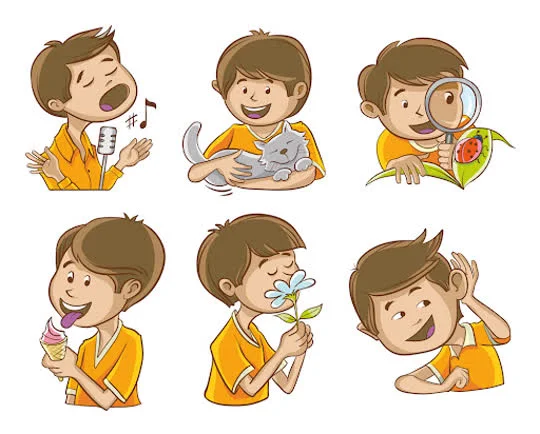
She is a senior manager in the company.
彼女は会社の上級マネージャーです。

sense

/sens/

(noun) 感覚, 知覚, 意識;

(verb) 感じる, 察知する

例:

Our five senses help us understand the world.
私たちの五感は世界を理解するのに役立ちます。

sensitive

/ˈsen.sə.t̬ɪv/

(adjective) 敏感な, 傷つきやすい, 反応しやすい

例:

He's very sensitive about his weight.
彼は体重について非常に敏感だ。

sentence

/ˈsen.təns/

(noun) 文, 判決, 刑;

(verb) 判決を下す, 刑を宣告する

例:
Please write a complete sentence.
完全なを書いてください。

sequence

/ˈsiː.kwəns/

(noun) 順序, 連続, シーン;

(verb) 順序付ける, 配列決定する

例:

The events occurred in a specific sequence.
出来事は特定の順序で発生した。

session

/ˈseʃ.ən/

(noun) セッション, 会合, 会期

例:

The training session lasted for two hours.
トレーニングセッションは2時間続いた。

settle

/ˈset̬.əl/

(verb) 解決する, 決着をつける, 定住する;

(noun) 入植地, 集落, 和解

例:

They decided to settle the dispute out of court.
彼らは法廷外で紛争を解決することにした。

severe

/səˈvɪr/

(adjective) 深刻な, 激しい, 厳しい

例:

The patient is experiencing severe pain.
患者は激しい痛みを経験している。

shade

/ʃeɪd/

(noun) 陰, 日陰, 色合い;

(verb) 日陰を作る, 覆う, 陰影をつける

例:

We sat in the shade of a large tree.
私たちは大きな木のに座った。

shadow

/ˈʃæd.oʊ/

(noun) 影, 面影;

(verb) 尾行する, つきまとう

例:

The tree cast a long shadow on the grass.
木は芝生に長いを落とした。

shallow

/ˈʃæl.oʊ/

(adjective) 浅い, 浅薄な, 表面的な;

(verb) 浅くする, 浅くなる

例:

The children were playing in the shallow end of the pool.
子供たちはプールの浅い方で遊んでいた。

shame

/ʃeɪm/

(noun) 恥, 羞恥心, 残念;

(verb) 恥をかかせる, 恥じ入らせる

例:

He felt a deep sense of shame for his actions.
彼は自分の行動に深いを感じた。

shape

/ʃeɪp/

(noun) 形, 形状, 形態;

(verb) 形作る, 形成する

例:
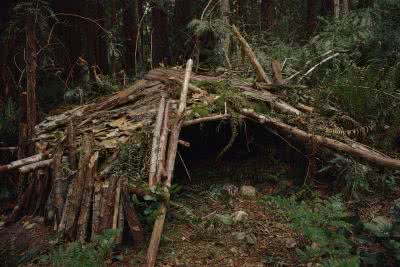
The artist molded the clay into a beautiful shape.
芸術家は粘土を美しいに成形した。

shelter

/ˈʃel.t̬ɚ/

(noun) 避難所, シェルター, 保護;

(verb) 保護する, 避難させる, 守る

例:

We sought shelter from the storm in an old barn.
私たちは古い納屋で嵐からの避難場所を探した。

shift

/ʃɪft/

(noun) 変化, ずれ, シフト;

(verb) 動かす, 移動させる, ギアを変える

例:

There has been a significant shift in public opinion.
世論に大きな変化があった。

ship

/ʃɪp/

(noun) 船, 船舶;

(verb) 発送する, 輸送する

例:

The cargo ship sailed across the ocean.
貨物船は海を渡った。

shock

/ʃɑːk/

(noun) 衝撃, ショック, 感電;

(verb) 衝撃を与える, 驚かせる

例:

The news of his death came as a complete shock.
彼の死の知らせは全くの衝撃だった。

shocked

/ʃɑːkt/

(adjective) 衝撃を受けた, 驚いた;

(verb) 衝撃を与える, 驚かせる

例:

She was shocked by the news of his sudden death.
彼女は彼の突然の死の知らせに衝撃を受けた

shooting

/ˈʃuː.t̬ɪŋ/

(noun) 銃撃, 射撃, 撮影;

(adjective) ズキズキする, 流れる

例:

The police responded to a report of a shooting.
警察は銃撃の通報に対応した。

shot

/ʃɑːt/

(noun) 銃声, 発砲, 試み;

(past tense) 撃った, 撮影された;

(past participle) 撃った, 撮影された

例:

We heard a loud shot in the distance.
遠くで大きな銃声が聞こえた。

significant

/sɪɡˈnɪf.ə.kənt/

(adjective) 重要な, 意味のある, かなりの

例:

There was a significant increase in sales this quarter.
今四半期は売上が大幅に増加しました。

significantly

/sɪɡˈnɪf.ə.kənt.li/

(adverb) 大幅に, 著しく, かなり

例:

The company's profits increased significantly last quarter.
先四半期、会社の利益は大幅に増加しました。

silence

/ˈsaɪ.ləns/

(noun) 静寂, 沈黙, 無言;

(verb) 静かにさせる, 黙らせる;

(exclamation) 静かに, 黙れ

例:

The sudden silence in the room was unsettling.
部屋の突然の静寂は不穏だった。

silk

/sɪlk/

(noun) 絹, シルク;

(adjective) 絹製の, 絹のような

例:

The dress was made of pure silk.
そのドレスは純粋なでできていた。

sincere

/sɪnˈsɪr/

(adjective) 誠実な, 心からの

例:

He made a sincere apology for his mistake.
彼は自分の間違いについて心からの謝罪をした。

slave

/sleɪv/

(noun) 奴隷, 依存者;

(verb) 奴隷のように働く, 骨を折る

例:
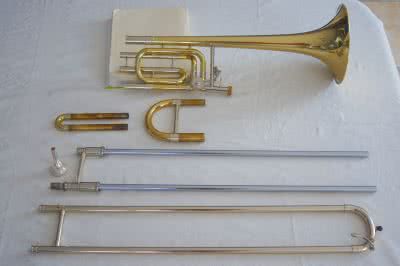
Historically, many people were forced to live as slaves.
歴史的に、多くの人々が奴隷として生きることを強いられた。

slide

/slaɪd/

(noun) 滑り台, スリップ, スライディング;

(verb) 滑る, スライドする, こっそり動く

例:
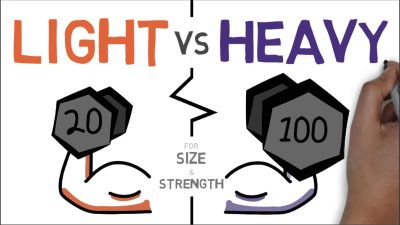
The children loved playing on the slide at the park.
子供たちは公園の滑り台で遊ぶのが大好きだった。

slight

/slaɪt/

(adjective) わずかな, 軽微な, 少しの;

(verb) 軽んじる, 侮辱する, 無視する;

(noun) 軽蔑, 侮辱, 無視

例:

There's a slight chance of rain today.
今日はわずかな雨の可能性があります。

slip

/slɪp/

(verb) 滑る, 転ぶ, 抜け出す;

(noun) ミス, 過ち, 伝票

例:

Be careful not to slip on the wet floor.
濡れた床で滑らないように気をつけて。

slope

/sloʊp/

(noun) 斜面, 傾斜;

(verb) 傾斜する, 傾く

例:

The house is built on a steep slope.
その家は急な斜面に建てられている。

solar

/ˈsoʊ.lɚ/

(adjective) 太陽の, 太陽に関する, 太陽エネルギーの

例:

The Earth revolves around the sun in a solar orbit.
地球は太陽軌道で太陽の周りを公転している。

somewhat

/ˈsʌm.wɑːt/

(adverb) いくぶん, やや

例:

I was somewhat surprised by his reaction.
彼の反応にはいくぶん驚いた。

soul

/soʊl/

(noun) 魂, 精神, 情熱

例:

Many believe the soul continues to exist after death.
多くの人が、死後もが存在し続けると信じている。

specialist

/ˈspeʃ.əl.ɪst/

(noun) 専門家, スペシャリスト;

(adjective) 専門の, 特殊な

例:

She is a specialist in ancient Roman history.
彼女は古代ローマ史の専門家です。

species

/ˈspiː.ʃiːz/

(noun) 種, 種類

例:

The giant panda is an endangered species.
ジャイアントパンダは絶滅危惧です。

speed

/spiːd/

(noun) 速度, 速さ, ギア;

(verb) スピードを出す, 急ぐ

例:

The car reached a high speed on the highway.
車は高速道路で高い速度に達した。

spiritual

/ˈspɪr.ə.tʃu.əl/

(adjective) 精神的な, 霊的な, 宗教的な;

(noun) スピリチュアル, 霊歌

例:
She finds great comfort in spiritual practices like meditation.
彼女は瞑想のような精神的な実践に大きな安らぎを見出している。

split

/splɪt/

(verb) 分割する, 割る, 分裂する;

(noun) 分裂, 分割, スプリット;

(adjective) 分割された, 割れた, 枝毛の

例:

The company decided to split into two separate entities.
その会社は2つの別々の事業体に分割することを決定した。

sponsor

/ˈspɑːn.sɚ/

(noun) スポンサー, 後援者, 提案者;

(verb) スポンサーする, 後援する, 資金提供する

例:

The company is a major sponsor of the local charity run.
その会社は地元のチャリティーランの主要なスポンサーです。

spot

/spɑːt/

(noun) しみ, 斑点, 場所;

(verb) 見つける, 発見する

例:
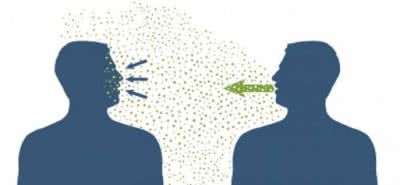
There's a grease spot on your shirt.
シャツに油のしみがあるよ。

spread

/spred/

(verb) 広がる, 拡散する, 広げる;

(noun) 広がり, 拡散, スプレッド

例:

The fire spread rapidly through the forest.
火は森中に急速に広がった

stable

/ˈsteɪ.bəl/

(adjective) 安定した, しっかりした, ぐらつかない;

(noun) 馬小屋, 厩舎;

(verb) 馬小屋に入れる, 厩舎に収容する

例:

The country's economy is now stable.
国の経済は現在安定している

stage

/steɪdʒ/

(noun) 舞台, ステージ, 段階;

(verb) 上演する, 開催する

例:

The band took the stage to a cheering crowd.
バンドは歓声を上げる観衆の前でステージに上がった。

stand

/stænd/

(verb) 立つ, 起立する, 立てる;

(noun) スタンド, 台, 立場

例:

Please stand when the judge enters.
裁判官が入廷したら立ってください。

stare

/ster/

(verb) じっと見る, 凝視する;

(noun) 凝視, じっと見ること

例:
It's rude to stare at people.
人をじっと見つめるのは失礼です。

status

/ˈsteɪ.t̬əs/

(noun) 地位, 身分, 状況

例:

He achieved high status in the company.
彼は会社で高い地位を築いた。

steady

/ˈsted.i/

(adjective) 安定した, しっかりした, 着実な;

(verb) 安定させる, 落ち着かせる;

(adverb) しっかりと, 着実に

例:

Make sure the ladder is steady before you climb it.
はしごが安定していることを確認してから登ってください。

steel

/stiːl/

(noun) 鋼, スチール;

(verb) 身構える, 覚悟する

例:

The bridge was constructed with high-strength steel.
その橋は高強度で建設された。

steep

/stiːp/

(adjective) 急な, 険しい, 高額な;

(verb) 浸す, 漬ける

例:

The mountain path was very steep.
山道はとてもだった。

step

/step/

(noun) 歩, ステップ, 段;

(verb) 歩く, 踏み出す

例:

He took a step forward.
彼は一前に進んだ。

sticky

/ˈstɪk.i/

(adjective) べたべたする, 粘着性の, 厄介な

例:

The candy was so sticky that it got stuck to my teeth.
そのキャンディーはとてもべたべたしていて、歯にくっついた。

stiff

/stɪf/

(adjective) 固い, こわばった, 厳しい;

(noun) 死体, 遺体, けち;

(verb) 支払いを拒否する, だます;

(adverb) ひどく, 非常に

例:

The old door was stiff and hard to open.
古いドアは固くて開けにくかった。

stock

/stɑːk/

(noun) 在庫, 商品, 株;

(verb) 在庫する, 置く;

(adjective) 在庫がある, 常備の

例:

The store has a large stock of electronics.
その店は大量の電子機器の在庫がある。

stream

/striːm/

(noun) 小川, 流れ, 一筋;

(verb) 流れる, あふれる, ストリーミングする

例:

The children played by the stream.
子供たちは小川のそばで遊んだ。

stretch

/stretʃ/

(verb) 伸ばす, 広げる, 引き伸ばす;

(noun) 伸び, ストレッチ, 区間

例:

She woke up and began to stretch her arms above her head.
彼女は目を覚まし、腕を頭上に伸ばし始めた。

strict

/strɪkt/

(adjective) 厳しい, 厳格な, 厳密な

例:

My parents were very strict about bedtime.
私の両親は就寝時間について非常に厳しかった

strike

/straɪk/

(verb) 打つ, たたく, ストライキをする;

(noun) ストライキ, 打撃, 攻撃

例:
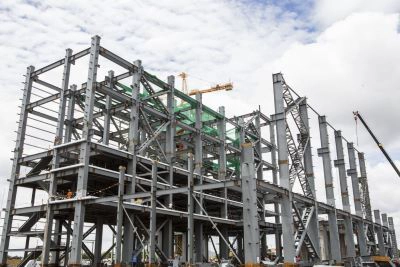
He raised his hand to strike the ball.
彼はボールを打つために手を上げた。

structure

/ˈstrʌk.tʃɚ/

(noun) 構造, 構成, 建造物;

(verb) 構成する, 構築する

例:

The structure of the human body is incredibly complex.
人体の構造は信じられないほど複雑です。

struggle

/ˈstrʌɡ.əl/

(verb) もがく, 奮闘する, 苦労する;

(noun) もがき, 奮闘, 苦闘

例:
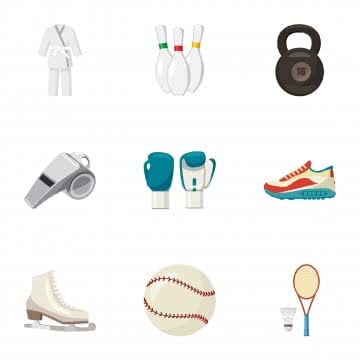
He tried to struggle free from the ropes.
彼はロープからもがいて自由になろうとした。

stuff

/stʌf/

(noun) もの, 物, 材料;

(verb) 詰める, 詰め込む, 詰め物をする

例:

I need to pack all my stuff before I move.
引っ越す前にすべての荷物をまとめなければならない。

subject

/ˈsʌb.dʒekt/

(noun) 主題, 話題, 科目;

(verb) 従わせる, さらす;

(adjective) 〜の対象となる, 〜を受けやすい

例:

The main subject of the meeting was the new budget.
会議の主な議題は新しい予算でした。

submit

/səbˈmɪt/

(verb) 屈する, 降伏する, 提出する

例:

He refused to submit to their demands.
彼は彼らの要求に屈することを拒否した。

sum

/sʌm/

(noun) 金額, 合計, 総和;

(verb) 合計する, 算出する, 要約する

例:

He paid a large sum for the painting.
彼はその絵に多額の金額を支払った。

surgery

/ˈsɝː.dʒər.i/

(noun) 手術, 外科, 診療所

例:

She had to undergo emergency surgery for appendicitis.
彼女は虫垂炎のため緊急手術を受けなければならなかった。

surround

/səˈraʊnd/

(verb) 囲む, 取り囲む

例:

The police quickly surrounded the building.
警察はすぐに建物を包囲した

surrounding

/səˈraʊn.dɪŋ/

(adjective) 周囲の, 周辺の;

(noun) 周囲, 環境

例:

The police cordoned off the area and the surrounding streets.
警察は地域と周辺の通りを封鎖した。

survey

/ˈsɝː.veɪ/

(noun) 調査, 測量, 概観;

(verb) 調査する, 測量する, 見渡す

例:

The architect conducted a survey of the building's structural integrity.
建築家は建物の構造的完全性の調査を行った。

suspect

/səˈspekt/

(noun) 容疑者;

(verb) 疑う, 怪しむ, 思う;

(adjective) 疑わしい, 怪しい

例:

The police questioned the main suspect for hours.
警察は主要な容疑者を何時間も尋問した。

swear

/swer/

(verb) 悪態をつく, ののしる, 誓う

例:

He tends to swear a lot when he's angry.
彼は怒るとよく悪態をつく傾向がある。

sweep

/swiːp/

(verb) 掃く, 迂回する, 見渡す;

(noun) 掃くこと, 清掃, 曲線

例:

She used a broom to sweep the kitchen floor.
彼女はほうきを使って台所の床を掃いた

switch

/swɪtʃ/

(noun) スイッチ, 切り替え器, 変更;

(verb) 切り替える, 交換する, オンにする

例:

Flip the switch to turn on the light.
ライトを点けるにはスイッチをフリップしてください。

sympathy

/ˈsɪm.pə.θi/

(noun) 同情, お悔やみ, 共感

例:

I have great sympathy for those affected by the disaster.
災害に見舞われた方々に深い同情を覚えます。
Lingolandでこの語彙セットを学習