Avatar of Vocabulary Set B2 - 字母 S

词汇集 B2 - 字母 S(属于 Oxford 3000 - B2):完整且详细的清单

词汇集「B2 - 字母 S」(属于「Oxford 3000 - B2」)从国际标准教材来源精心挑选,帮助您在短时间内掌握词汇。全面汇整定义、例句及标准发音…

在 Lingoland 学习此词汇集

立即学习

sample

/ˈsæm.pəl/

(noun) 样本, 样品;

(verb) 取样, 品尝

示例:

Please provide a sample of your work.
请提供一份您的工作样本

satellite

/ˈsæt̬.əl.aɪt/

(noun) 卫星, 月亮, 卫星国;

(adjective) 卫星的, 附属的

示例:

The communication satellite relays signals around the globe.
通信卫星在全球范围内转发信号。

satisfied

/ˈsæt̬.ɪs.faɪd/

(adjective) 满意的, 满足的

示例:

She felt satisfied with her performance.
她对自己的表现感到满意

satisfy

/ˈsæt̬.ɪs.faɪ/

(verb) 满足, 使满意, 使相信

示例:

The new policy aims to satisfy both employees and management.
新政策旨在满足员工和管理层的需求。

saving

/ˈseɪ.vɪŋ/

(noun) 储蓄, 积蓄, 挽救;

(preposition) 除了, 除...之外

示例:

I put all my savings into a high-interest account.
我把所有的积蓄都存入了高息账户。

scale

/skeɪl/

(noun) 规模, 尺度, 鳞片;

(verb) 攀登, 翻越, 去鳞

示例:

The Richter scale measures the magnitude of earthquakes.
里氏震级衡量地震的强度。

schedule

/ˈskedʒ.uːl/

(noun) 日程表, 时间表, 计划;

(verb) 安排, 预定

示例:

I need to check my schedule for next week.
我需要查看下周的日程表

scheme

/skiːm/

(noun) 方案, 计划, 阴谋;

(verb) 密谋, 策划

示例:

The government launched a new scheme to help the unemployed.
政府启动了一项新计划以帮助失业者。

scream

/skriːm/

(noun) 尖叫, 惊叫;

(verb) 尖叫, 大叫

示例:

She let out a loud scream when she saw the spider.
她看到蜘蛛时发出了响亮的尖叫

screen

/skriːn/

(noun) 屏幕, 屏风, 隔板;

(verb) 放映, 播放, 筛选

示例:

The movie was projected onto a large screen.
电影被投射到大屏幕上。

seat

/siːt/

(noun) 座位, 座席, 席位;

(verb) 使就座, 安排座位

示例:

Please take a seat.
请坐。

sector

/ˈsek.tɚ/

(noun) 领域, 部门, 扇形

示例:

The technology sector has seen rapid growth.
科技领域发展迅速。

secure

/səˈkjʊr/

(adjective) 牢固的, 安全的, 固定的;

(verb) 固定, 系牢, 使安全

示例:

Make sure the ladder is secure before you climb it.
爬梯子前请确保它已固定好

seek

/siːk/

(verb) 寻找, 寻求, 征求

示例:

They came to seek refuge from the war.
他们来寻求战争的庇护。

select

/səˈlekt/

(verb) 选择, 挑选;

(adjective) 精选的, 挑选的

示例:

She needs to select a dress for the party.
她需要为派对选择一件连衣裙。

selection

/səˈlek.ʃən/

(noun) 选择, 筛选, 种类

示例:

The selection of candidates for the job was rigorous.
这份工作的候选人筛选非常严格。

self

/self/

(noun) 自我, 自身;

(adjective) 同色的, 同质的;

(prefix) 自, 自我

示例:

He needs to find his true self.
他需要找到真正的自我

senior

/ˈsiː.njɚ/

(noun) 高级, 年长者, 大四学生;

(adjective) 老年, 高龄, 高级

示例:
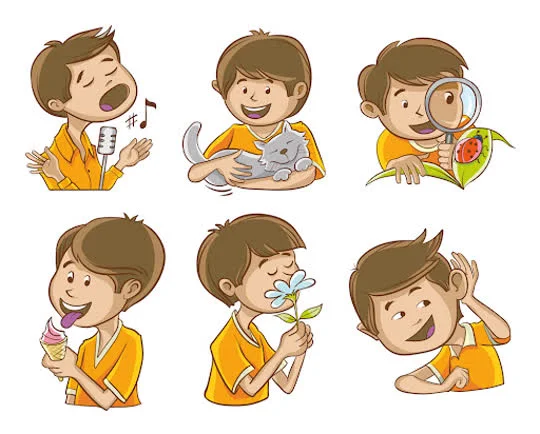
She is a senior manager in the company.
她是公司的高级经理。

sense

/sens/

(noun) 感觉, 感官, 意识;

(verb) 感觉到, 察觉到

示例:

Our five senses help us understand the world.
我们的五官帮助我们理解世界。

sensitive

/ˈsen.sə.t̬ɪv/

(adjective) 敏感的, 易受伤害的, 灵敏的

示例:

He's very sensitive about his weight.
他对自己的体重很敏感

sentence

/ˈsen.təns/

(noun) 句子, 判决, 刑罚;

(verb) 判决, 宣判

示例:

Please write a complete sentence.
请写一个完整的句子

sequence

/ˈsiː.kwəns/

(noun) 顺序, 序列, 片段;

(verb) 排序, 测序

示例:

The events occurred in a specific sequence.
事件以特定的顺序发生。

session

/ˈseʃ.ən/

(noun) 会议, 课程, 开庭

示例:

The training session lasted for two hours.
训练课程持续了两个小时。

settle

/ˈset̬.əl/

(verb) 解决, 和解, 定居;

(noun) 定居点, 聚居地, 和解

示例:

They decided to settle the dispute out of court.
他们决定庭外和解

severe

/səˈvɪr/

(adjective) 严重的, 剧烈的, 严峻的

示例:

The patient is experiencing severe pain.
病人正在经历剧烈的疼痛。

shade

/ʃeɪd/

(noun) 阴影, 阴凉处, 色调;

(verb) 遮蔽, 遮挡, 上色

示例:

We sat in the shade of a large tree.
我们坐在大树的阴凉处

shadow

/ˈʃæd.oʊ/

(noun) 阴影, 影子, 残影;

(verb) 跟踪, 尾随

示例:

The tree cast a long shadow on the grass.
树在草地上投下长长的阴影

shallow

/ˈʃæl.oʊ/

(adjective) 浅的, 肤浅的, 浅薄的;

(verb) 使变浅, 变浅

示例:

The children were playing in the shallow end of the pool.
孩子们在泳池的浅水区玩耍。

shame

/ʃeɪm/

(noun) 羞愧, 耻辱, 可惜;

(verb) 使羞愧, 使蒙羞

示例:

He felt a deep sense of shame for his actions.
他为自己的行为感到深深的羞愧

shape

/ʃeɪp/

(noun) 形状, 外形, 形态;

(verb) 塑造, 形成

示例:

The artist molded the clay into a beautiful shape.
艺术家把粘土塑造成美丽的形状

shelter

/ˈʃel.t̬ɚ/

(noun) 避难所, 庇护所, 遮蔽处;

(verb) 庇护, 遮蔽, 保护

示例:

We sought shelter from the storm in an old barn.
我们在一个旧谷仓里寻找避难所以躲避风暴。

shift

/ʃɪft/

(noun) 转变, 移动, 班次;

(verb) 移动, 转移, 换挡

示例:

There has been a significant shift in public opinion.
公众舆论发生了重大转变

ship

/ʃɪp/

(noun) 船, 舰;

(verb) 运输, 运送

示例:

The cargo ship sailed across the ocean.
货船航行穿过海洋。

shock

/ʃɑːk/

(noun) 震惊, 惊吓, 休克;

(verb) 震惊, 使震惊

示例:

The news of his death came as a complete shock.
他去世的消息令人完全震惊

shocked

/ʃɑːkt/

(adjective) 震惊的, 受惊的;

(verb) 使震惊, 使惊愕

示例:

She was shocked by the news of his sudden death.
她对他的突然去世感到震惊

shooting

/ˈʃuː.t̬ɪŋ/

(noun) 枪击, 射击, 拍摄;

(adjective) 剧烈的, 流动的

示例:

The police responded to a report of a shooting.
警方接到枪击报告后出警。

shot

/ʃɑːt/

(noun) 射击, 枪声, 尝试;

(past tense) 射击, 拍摄;

(past participle) 射击, 拍摄

示例:

We heard a loud shot in the distance.
我们听到远处传来一声巨响。

significant

/sɪɡˈnɪf.ə.kənt/

(adjective) 重要的, 显著的, 有意义的

示例:

There was a significant increase in sales this quarter.
本季度销售额有显著增长。

significantly

/sɪɡˈnɪf.ə.kənt.li/

(adverb) 显著地, 重大地, 有意义地

示例:

The company's profits increased significantly last quarter.
公司上季度利润显著增长。

silence

/ˈsaɪ.ləns/

(noun) 寂静, 沉默, 缄默;

(verb) 使安静, 使沉默;

(exclamation) 安静, 肃静

示例:

The sudden silence in the room was unsettling.
房间里突然的寂静令人不安。

silk

/sɪlk/

(noun) 丝绸;

(adjective) 丝绸的

示例:

The dress was made of pure silk.
这件连衣裙是纯丝绸的。

sincere

/sɪnˈsɪr/

(adjective) 真诚的, 诚恳的

示例:

He made a sincere apology for his mistake.
他为自己的错误作出了真诚的道歉。

slave

/sleɪv/

(noun) 奴隶, 受控者;

(verb) 辛勤工作, 苦干

示例:

Historically, many people were forced to live as slaves.
历史上,许多人被迫像奴隶一样生活。

slide

/slaɪd/

(noun) 滑梯, 打滑, 滑垒;

(verb) 滑行, 滑动, 溜进

示例:
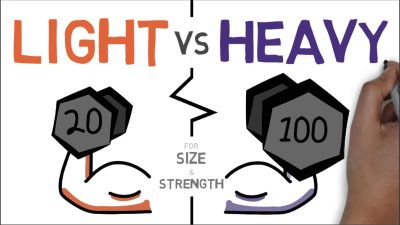
The children loved playing on the slide at the park.
孩子们喜欢在公园的滑梯上玩耍。

slight

/slaɪt/

(adjective) 轻微的, 微小的, 少量的;

(verb) 轻视, 怠慢, 侮辱;

(noun) 轻蔑, 怠慢, 侮辱

示例:

There's a slight chance of rain today.
今天有微小的降雨可能性。

slip

/slɪp/

(verb) 滑倒, 打滑, 溜走;

(noun) 失误, 差错, 单据

示例:

Be careful not to slip on the wet floor.
小心别在湿地板上滑倒

slope

/sloʊp/

(noun) 斜坡, 坡度;

(verb) 倾斜, 有坡度

示例:

The house is built on a steep slope.
房子建在陡峭的斜坡上。

solar

/ˈsoʊ.lɚ/

(adjective) 太阳的, 日光的, 太阳能的

示例:

The Earth revolves around the sun in a solar orbit.
地球以太阳轨道围绕太阳公转。

somewhat

/ˈsʌm.wɑːt/

(adverb) 有些, 稍微

示例:

I was somewhat surprised by his reaction.
我对他的反应有些惊讶。

soul

/soʊl/

(noun) 灵魂, 心灵, 神韵

示例:

Many believe the soul continues to exist after death.
许多人相信灵魂在死后仍然存在。

specialist

/ˈspeʃ.əl.ɪst/

(noun) 专家, 专科医生;

(adjective) 专业的, 专门的

示例:
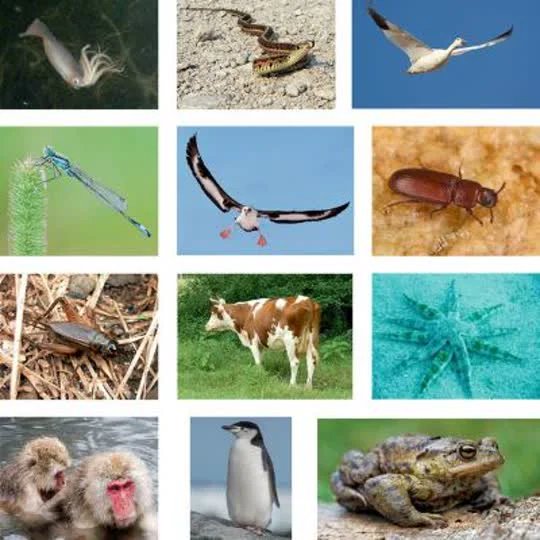
She is a specialist in ancient Roman history.
她是古罗马历史的专家

species

/ˈspiː.ʃiːz/

(noun) 物种, 种类

示例:

The giant panda is an endangered species.
大熊猫是一种濒危物种

speed

/spiːd/

(noun) 速度, 档位;

(verb) 加速, 飞驰

示例:

The car reached a high speed on the highway.
汽车在高速公路上达到了很高的速度

spiritual

/ˈspɪr.ə.tʃu.əl/

(adjective) 精神的, 心灵的, 宗教的;

(noun) 灵歌, 黑人灵歌

示例:
She finds great comfort in spiritual practices like meditation.
她在冥想等精神实践中找到了极大的慰藉。

split

/splɪt/

(verb) 分裂, 分开, 劈开;

(noun) 分裂, 分歧, 劈叉;

(adjective) 分裂的, 分开的, 分叉的

示例:

The company decided to split into two separate entities.
公司决定分拆成两个独立的实体。

sponsor

/ˈspɑːn.sɚ/

(noun) 赞助商, 发起人, 担保人;

(verb) 赞助, 资助, 支持

示例:

The company is a major sponsor of the local charity run.
该公司是当地慈善跑步活动的主要赞助商

spot

/spɑːt/

(noun) 斑点, 污渍, 地点;

(verb) 发现, 认出

示例:

There's a grease spot on your shirt.
你的衬衫上有一块油

spread

/spred/

(verb) 传播, 蔓延, 铺开;

(noun) 传播, 蔓延, 涂抹酱

示例:

The fire spread rapidly through the forest.
火势在森林中迅速蔓延

stable

/ˈsteɪ.bəl/

(adjective) 稳定的, 牢固的, 稳固的;

(noun) 马厩, 畜舍;

(verb) 安置在马厩, 把...关进马厩

示例:

The country's economy is now stable.
该国经济现在很稳定

stage

/steɪdʒ/

(noun) 舞台, 戏台, 阶段;

(verb) 上演, 举行

示例:

The band took the stage to a cheering crowd.
乐队在欢呼的人群中走上舞台

stand

/stænd/

(verb) 站立, 站着, 放置;

(noun) 支架, 架子, 立场

示例:

Please stand when the judge enters.
法官进来时请站起来

stare

/ster/

(verb) 凝视, 盯着看;

(noun) 凝视, 注视

示例:

It's rude to stare at people.
盯着别人看是不礼貌的。

status

/ˈsteɪ.t̬əs/

(noun) 地位, 身份, 状态

示例:

He achieved high status in the company.
他在公司获得了很高的地位

steady

/ˈsted.i/

(adjective) 稳固的, 稳定的, 持续的;

(verb) 使稳定, 使镇定;

(adverb) 稳定地, 持续地

示例:

Make sure the ladder is steady before you climb it.
爬梯子前请确保它稳固

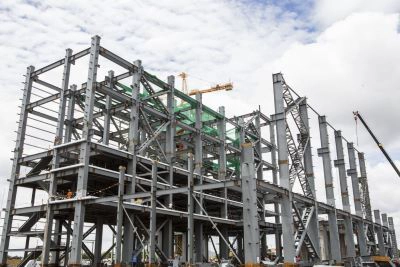
steel

/stiːl/

(noun) 钢, 钢铁;

(verb) 下定决心, 鼓起勇气

示例:

The bridge was constructed with high-strength steel.
这座桥是用高强度建造的。

steep

/stiːp/

(adjective) 陡峭的, 险峻的, 高昂的;

(verb) 浸泡, 泡

示例:

The mountain path was very steep.
山路非常陡峭

step

/step/

(noun) 步, 脚步, 台阶;

(verb) 迈步, 走

示例:

He took a step forward.
他向前迈了一

sticky

/ˈstɪk.i/

(adjective) 黏的, 粘性的, 棘手的

示例:

The candy was so sticky that it got stuck to my teeth.
这糖太了,粘在我牙齿上了。

stiff

/stɪf/

(adjective) 僵硬的, 坚硬的, 严厉的;

(noun) 尸体, 死人, 吝啬鬼;

(verb) 拖欠, 欺骗;

(adverb) 非常, 极其

示例:

The old door was stiff and hard to open.
那扇旧门很僵硬,很难打开。

stock

/stɑːk/

(noun) 库存, 存货, 股票;

(verb) 备有, 储存;

(adjective) 有库存的, 备货的

示例:

The store has a large stock of electronics.
这家商店有大量的电子产品库存

stream

/striːm/

(noun) 小溪, 溪流, 流;

(verb) 流淌, 涌出, 流式传输

示例:

The children played by the stream.
孩子们在小溪边玩耍。

stretch

/stretʃ/

(verb) 伸展, 拉伸, 伸长;

(noun) 伸展, 拉伸, 一段

示例:

She woke up and began to stretch her arms above her head.
她醒来后开始把手臂伸展到头顶上方。

strict

/strɪkt/

(adjective) 严格的, 严厉的, 精确的

示例:

My parents were very strict about bedtime.
我的父母对睡觉时间非常严格

strike

/straɪk/

(verb) 打, 击, 罢工;

(noun) 罢工, 打击, 袭击

示例:
He raised his hand to strike the ball.
他举起手来击打球。

structure

/ˈstrʌk.tʃɚ/

(noun) 结构, 构造, 建筑;

(verb) 组织, 构建

示例:

The structure of the human body is incredibly complex.
人体的结构极其复杂。

struggle

/ˈstrʌɡ.əl/

(verb) 挣扎, 搏斗, 努力;

(noun) 挣扎, 搏斗, 斗争

示例:
He tried to struggle free from the ropes.
他试图挣脱绳索。

stuff

/stʌf/

(noun) 东西, 物品, 材料;

(verb) 塞, 填满, 填塞

示例:

I need to pack all my stuff before I move.
搬家前我需要打包所有东西

subject

/ˈsʌb.dʒekt/

(noun) 主题, 话题, 科目;

(verb) 使服从, 使遭受;

(adjective) 易受...影响的, 取决于

示例:

The main subject of the meeting was the new budget.
会议的主要议题是新预算。

submit

/səbˈmɪt/

(verb) 屈服, 投降, 提交

示例:

He refused to submit to their demands.
他拒绝屈服于他们的要求。

sum

/sʌm/

(noun) 金额, 款项, 和;

(verb) 计算总和, 合计, 总结

示例:

He paid a large sum for the painting.
他为这幅画付了一大笔

surgery

/ˈsɝː.dʒər.i/

(noun) 手术, 外科, 诊所

示例:

She had to undergo emergency surgery for appendicitis.
她因阑尾炎不得不接受紧急手术

surround

/səˈraʊnd/

(verb) 包围, 环绕

示例:

The police quickly surrounded the building.
警察迅速包围了那栋建筑。

surrounding

/səˈraʊn.dɪŋ/

(adjective) 周围的, 附近的;

(noun) 周围环境, 环境

示例:

The police cordoned off the area and the surrounding streets.
警方封锁了该区域及周边街道。

survey

/ˈsɝː.veɪ/

(noun) 调查, 勘测, 概览;

(verb) 审视, 勘测, 测量

示例:

The architect conducted a survey of the building's structural integrity.
建筑师对建筑物的结构完整性进行了勘测

suspect

/səˈspekt/

(noun) 嫌疑犯;

(verb) 怀疑, 猜想, 认为;

(adjective) 可疑的

示例:

The police questioned the main suspect for hours.
警方盘问了主要嫌疑犯数小时。

swear

/swer/

(verb) 咒骂, 说脏话, 发誓

示例:

He tends to swear a lot when he's angry.
他生气时喜欢骂人

sweep

/swiːp/

(verb) 扫, 蜿蜒, 扫过;

(noun) 扫, 清扫, 弧度

示例:

She used a broom to sweep the kitchen floor.
她用扫帚厨房的地板。

switch

/swɪtʃ/

(noun) 开关, 转变, 转换;

(verb) 转换, 调换, 打开

示例:

Flip the switch to turn on the light.
拨动开关打开灯。

sympathy

/ˈsɪm.pə.θi/

(noun) 同情, 怜悯, 共鸣

示例:

I have great sympathy for those affected by the disaster.
我对受灾者深表同情
在 Lingoland 学习此词汇集