Avatar of Vocabulary Set Dilbilgisi 3

Dil İçinde Dilbilgisi 3 Kelime Seti: Tam ve Ayrıntılı Liste

'Dil' içinde 'Dilbilgisi 3' kelime seti uluslararası standart ders kitaplarından özenle seçilmiş olup kısa sürede kelime dağarcığını mastering yapmanıza yardımcı olur. Tam tanımlamalar, örnek cümleler ve standart telaffuz...

Bu kelime setini Lingoland'da öğren

Şimdi Öğren

object

/ˈɑːb.dʒɪkt/

(noun) nesne, cisim, amaç;

(verb) itiraz etmek, karşı çıkmak

Örnek:
She picked up a strange object from the ground.
Yerden garip bir nesne aldı.

ordinal

/ˈɔːr.dən.əl/

(noun) sıra sayısı, ordinal;

(adjective) sıra

Örnek:
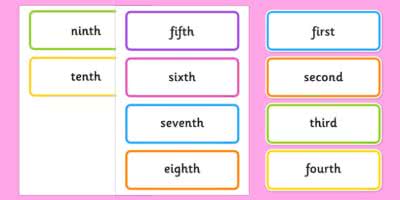
Ordinal numbers are used to show rank.
Sıra sayıları rütbe göstermek için kullanılır.

participle

/ˈpɑːr.t̬ɪ.sɪ.pəl/

(noun) ortaç

Örnek:

The word 'running' in 'running water' is a participle.
'running water'daki 'running' kelimesi bir ortaçtır.

particle

/ˈpɑːr.t̬ə.kəl/

(noun) parçacık, zerre, atom altı parçacık;

(particle) edat, bağlaç

Örnek:
There wasn't a particle of dust in the room.
Odada bir zerre bile toz yoktu.

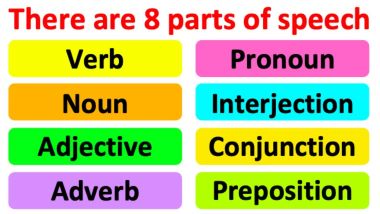
part of speech

/pɑːrt əv spiːtʃ/

(noun) sözcük türü, dilbilgisel kategori

Örnek:
In the sentence 'The quick brown fox jumps over the lazy dog,' 'jumps' is a part of speech classified as a verb.
'Hızlı kahverengi tilki tembel köpeğin üzerinden atlar' cümlesinde 'atlar' bir fiil olarak sınıflandırılan bir sözcük türüdür.

passive

/ˈpæs.ɪv/

(adjective) pasif, edilgen

Örnek:

He remained passive during the discussion, offering no opinions.
Tartışma boyunca pasif kaldı, hiçbir fikir sunmadı.

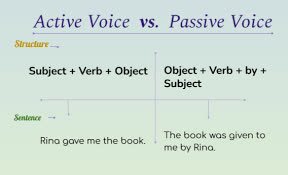
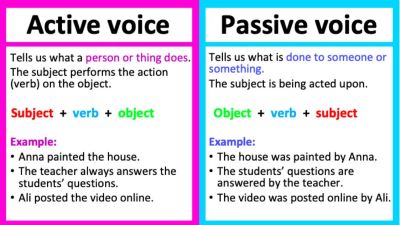
passive voice

/ˈpæs.ɪv ˌvɔɪs/

(noun) edilgen çatı, pasif ses

Örnek:

The ball was thrown by the boy is an example of the passive voice.
Top çocuk tarafından atıldı cümlesi edilgen çatıya bir örnektir.

past

/pæst/

(adjective) geçmiş, eski;

(noun) geçmiş;

(preposition) ötesinde, sonra;

(adverb) geçerek, öteye

Örnek:
In past years, we used to visit this beach every summer.
Geçmiş yıllarda her yaz bu plajı ziyaret ederdik.

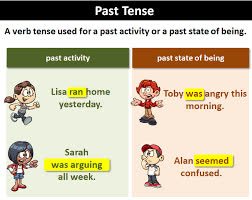
past tense

/ˈpæst ˌtens/

(noun) geçmiş zaman

Örnek:

The past tense of 'go' is 'went'.
'go' fiilinin geçmiş zamanı 'went'tir.

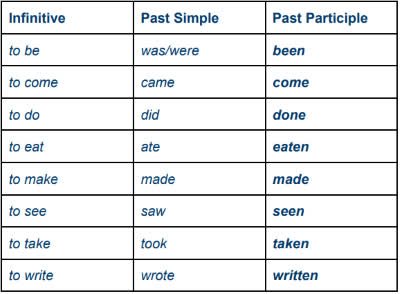
past participle

/pæst pɑːrˈtɪs.ə.pəl/

(past participle) geçmiş zaman ortacı, edilgen ortaç

Örnek:

The word 'eaten' is the past participle of 'eat'.
'eaten' kelimesi 'eat' fiilinin geçmiş zaman ortacıdır.

perfect

/ˈpɝː.fekt/

(adjective) mükemmel, kusursuz, ideal;

(verb) mükemmelleştirmek, kusursuzlaştırmak, geliştirmek

Örnek:
She found the perfect dress for the party.
Parti için mükemmel elbiseyi buldu.

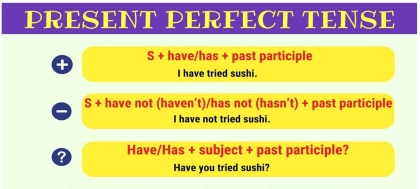
perfect tense

/ˈpɜːr.fɪkt tens/

(noun) perfect tense, tamamlanmış zaman

Örnek:

The sentence 'I have eaten' is an example of the present perfect tense.
'I have eaten' cümlesi şimdiki perfect tense'in bir örneğidir.

person

/ˈpɝː.sən/

(noun) kişi, birey, karakter

Örnek:

She is a very kind person.
Çok nazik bir insan.

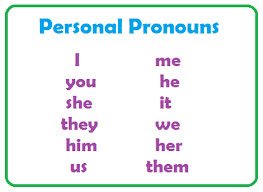
personal pronoun

/ˌpɝː.sən.əl ˈproʊ.naʊn/

(noun) kişi zamiri

Örnek:

In the sentence 'She gave him a book,' 'She' and 'him' are personal pronouns.
'Ona bir kitap verdi' cümlesinde 'O' ve 'ona' kişi zamirleridir.

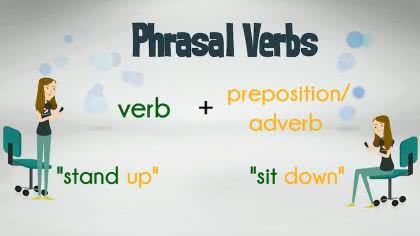
phrasal verb

/ˈfreɪzl vɜːrb/

(noun) öbek fiil

Örnek:

Many English learners find phrasal verbs challenging.
Birçok İngilizce öğrencisi öbek fiilleri zor bulur.

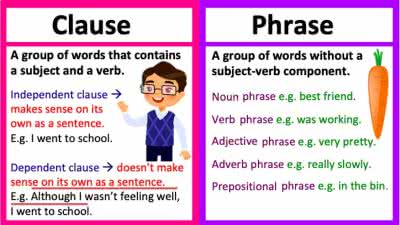
phrase

/freɪz/

(noun) ifade, söz öbeği, müzik cümlesi;

(verb) ifade etmek, dile getirmek

Örnek:
The phrase 'on the table' is a prepositional phrase.
'Masada' ifadesi bir edat öbeğidir.

plural

/ˈplʊr.əl/

(noun) çoğul;

(adjective) çoğul

Örnek:
The plural of 'cat' is 'cats'.
'Kedi' kelimesinin çoğulu 'kediler'dir.

positive

/ˈpɑː.zə.t̬ɪv/

(adjective) emin, olumlu, kesin;

(noun) pozitif, slayt

Örnek:
I'm positive that I locked the door.
Kapıyı kilitlediğimden eminim.

possessive

/pəˈzes.ɪv/

(adjective) sahiplenici, kıskanç, iyelik;

(noun) iyelik zamiri, sahiplik belirten kelime

Örnek:
He became very possessive of his girlfriend.
Kız arkadaşına karşı çok sahiplenici oldu.

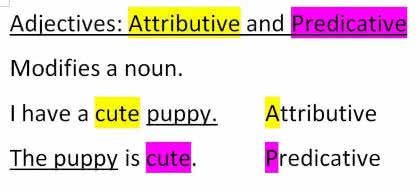
predicative

/prɪˈdɪk.ə.t̬ɪv/

(adjective) yüklemsel

Örnek:

In the sentence 'The dog is brown,' 'brown' is a predicative adjective.
'Köpek kahverengidir' cümlesinde 'kahverengi' yüklemsel bir sıfattır.

prefix

/ˈpriː.fɪks/

(noun) ön ek;

(verb) ön eklemek

Örnek:
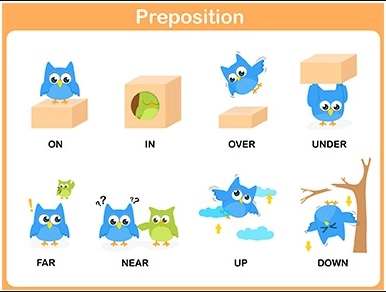
The word "unhappy" has the prefix "un-".
"unhappy" kelimesi "un-" ön ekine sahiptir.

preposition

/ˌprep.əˈzɪʃ.ən/

(noun) edat, ilgeç

Örnek:

In the sentence “She walked to the store,” “to” is a preposition.
“Mağazaya yürüdü” cümlesinde “-e” bir edattır.

prepositional

/ˌprep.əˈzɪʃ.ən.əl/

(adjective) edatla ilgili

Örnek:

The phrase 'on the table' is a prepositional phrase.
'Masanın üzerinde' ifadesi bir edat öbeğidir.

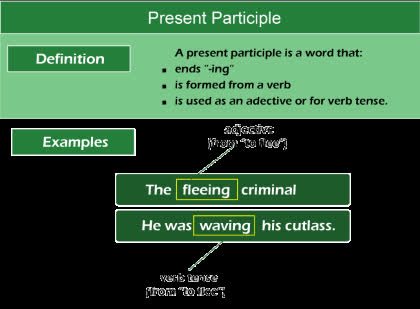
present participle

/ˈprez.ənt pɑːrˈtɪs.ə.pəl/

(past participle) şimdiki zaman ortacı

Örnek:
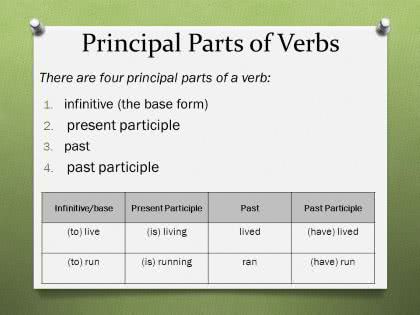
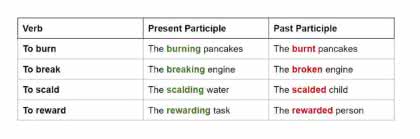
The word 'running' is a present participle.
'running' kelimesi bir şimdiki zaman ortacıdır.

principal parts

/ˈprɪnsɪpəl pɑːrts/

(noun) fiilin ana kısımları

Örnek:

The principal parts of 'sing' are 'sing,' 'sang,' and 'sung.'
'Sing' fiilinin ana kısımları 'sing', 'sang' ve 'sung'dur.

progressive

/prəˈɡres.ɪv/

(adjective) ilerleyici, aşamalı, ilerici;

(noun) ilerici, reformcu

Örnek:
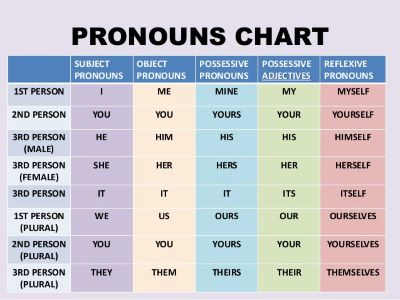
The disease showed a progressive decline in health.
Hastalık, sağlıkta ilerleyici bir düşüş gösterdi.

pronoun

/ˈproʊ.naʊn/

(noun) zamir

Örnek:

In the sentence 'She loves him,' 'she' and 'him' are pronouns.
'O onu seviyor' cümlesinde 'o' ve 'onu' zamirdir.

proper noun

/ˈprɑː.pɚ ˌnaʊn/

(noun) özel isim

Örnek:

In the sentence 'John went to Paris,' 'John' and 'Paris' are proper nouns.
'John Paris'e gitti' cümlesinde 'John' ve 'Paris' özel isimlerdir.
Bu kelime setini Lingoland'da öğren