Avatar of Vocabulary Set Grammatica 3

Insieme di vocabolario Grammatica 3 in Lingua: Lista completa e dettagliata

L'insieme di vocabolario 'Grammatica 3' in 'Lingua' è selezionato con cura da fonti di testi standard internazionali, aiutandoti a padroneggiare il vocabolario in breve tempo. Compilazione completa di definizioni, esempi illustrativi e pronuncia standard...

Impara questo insieme di vocabolario su Lingoland

Impara ora
object

/ˈɑːb.dʒɪkt/

(noun) oggetto, cosa, scopo;

(verb) obiettare, opporsi

Esempio:
She picked up a strange object from the ground.
Ha raccolto un oggetto strano da terra.

ordinal

/ˈɔːr.dən.əl/

(noun) ordinale, numero ordinale;

(adjective) ordinale

Esempio:
Ordinal numbers are used to show rank.
I numeri ordinali sono usati per mostrare il rango.

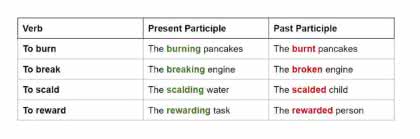
participle

/ˈpɑːr.t̬ɪ.sɪ.pəl/

(noun) participio

Esempio:

The word 'running' in 'running water' is a participle.
La parola 'running' in 'running water' è un participio.

particle

/ˈpɑːr.t̬ə.kəl/

(noun) particella, briciolo, particella subatomica;

(particle) particella, avverbio

Esempio:
There wasn't a particle of dust in the room.
Non c'era una particella di polvere nella stanza.

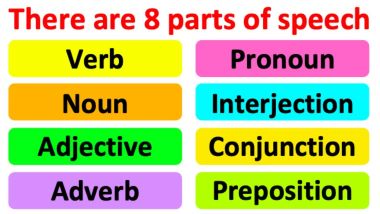
part of speech

/pɑːrt əv spiːtʃ/

(noun) parte del discorso, categoria grammaticale

Esempio:
In the sentence 'The quick brown fox jumps over the lazy dog,' 'jumps' is a part of speech classified as a verb.
Nella frase 'La volpe marrone veloce salta sopra il cane pigro', 'salta' è una parte del discorso classificata come verbo.

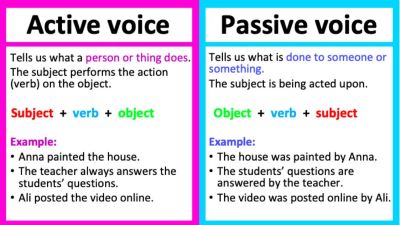
passive

/ˈpæs.ɪv/

(adjective) passivo, inattivo

Esempio:
He remained passive during the discussion, offering no opinions.
È rimasto passivo durante la discussione, non offrendo alcuna opinione.

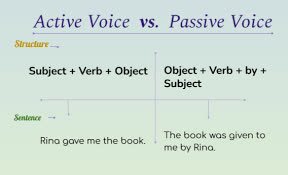
passive voice

/ˈpæs.ɪv ˌvɔɪs/

(noun) voce passiva

Esempio:

The ball was thrown by the boy is an example of the passive voice.
La palla è stata lanciata dal ragazzo è un esempio di voce passiva.

past

/pæst/

(adjective) passato, precedente;

(noun) passato;

(preposition) oltre, dopo;

(adverb) oltre, passando

Esempio:
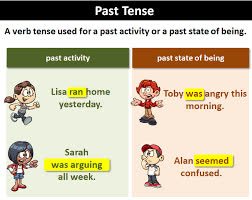
In past years, we used to visit this beach every summer.
Negli anni passati, visitavamo questa spiaggia ogni estate.

past tense

/ˈpæst ˌtens/

(noun) passato, tempo passato

Esempio:
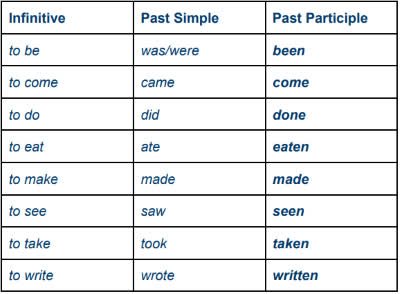
The past tense of 'go' is 'went'.
Il passato di 'go' è 'went'.

past participle

/pæst pɑːrˈtɪs.ə.pəl/

(past participle) participio passato

Esempio:
The word 'eaten' is the past participle of 'eat'.
La parola 'eaten' è il participio passato di 'eat'.

perfect

/ˈpɝː.fekt/

(adjective) perfetto, ideale, ottimo;

(verb) perfezionare, migliorare, affinare

Esempio:
She found the perfect dress for the party.
Ha trovato il vestito perfetto per la festa.

perfect tense

/ˈpɜːr.fɪkt tens/

(noun) tempo perfetto, passato prossimo, trapassato prossimo

Esempio:

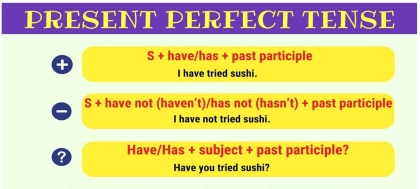
The sentence 'I have eaten' is an example of the present perfect tense.
La frase 'I have eaten' è un esempio del present perfect tense.

person

/ˈpɝː.sən/

(noun) persona, individuo, personaggio

Esempio:
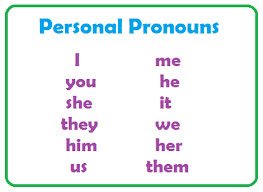
She is a very kind person.
È una persona molto gentile.

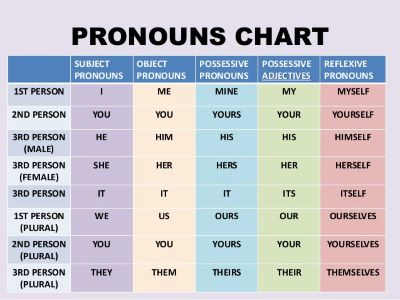
personal pronoun

/ˌpɝː.sən.əl ˈproʊ.naʊn/

(noun) pronome personale

Esempio:

In the sentence 'She gave him a book,' 'She' and 'him' are personal pronouns.
Nella frase 'Lei gli ha dato un libro', 'Lei' e 'gli' sono pronomi personali.

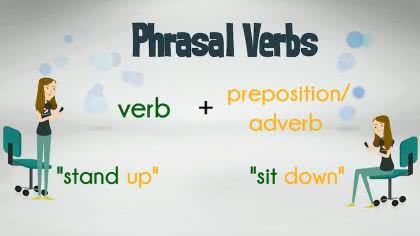
phrasal verb

/ˈfreɪzl vɜːrb/

(noun) verbo frasale

Esempio:

Many English learners find phrasal verbs challenging.
Molti studenti di inglese trovano i verbi frasali impegnativi.

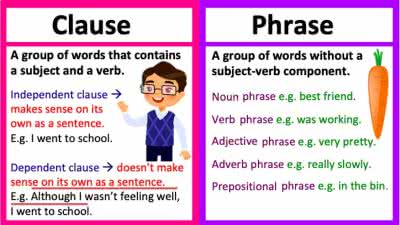
phrase

/freɪz/

(noun) frase, locuzione, frase musicale;

(verb) formulare, esprimere

Esempio:
The phrase 'on the table' is a prepositional phrase.
La frase 'sul tavolo' è una frase preposizionale.

plural

/ˈplʊr.əl/

(noun) plurale;

(adjective) plurale

Esempio:
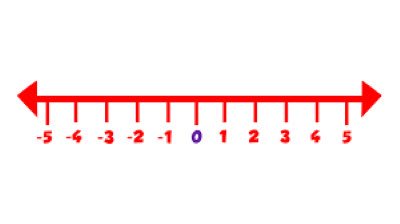
The plural of 'cat' is 'cats'.
Il plurale di 'gatto' è 'gatti'.

positive

/ˈpɑː.zə.t̬ɪv/

(adjective) sicuro, positivo, certo;

(noun) positivo, diapositiva

Esempio:
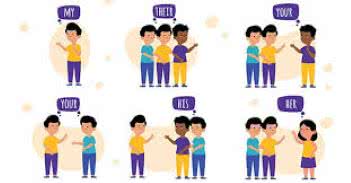
I'm positive that I locked the door.
Sono sicuro di aver chiuso la porta a chiave.

possessive

/pəˈzes.ɪv/

(adjective) possessivo, geloso, genitivo;

(noun) possessivo, pronome possessivo

Esempio:
He became very possessive of his girlfriend.
È diventato molto possessivo nei confronti della sua ragazza.

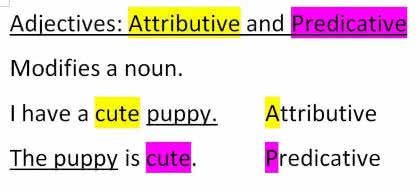
predicative

/prɪˈdɪk.ə.t̬ɪv/

(adjective) predicativo

Esempio:

In the sentence 'The dog is brown,' 'brown' is a predicative adjective.
Nella frase 'Il cane è marrone', 'marrone' è un aggettivo predicativo.

prefix

/ˈpriː.fɪks/

(noun) prefisso;

(verb) prefiggere

Esempio:
The word "unhappy" has the prefix "un-".
La parola "unhappy" ha il prefisso "un-".

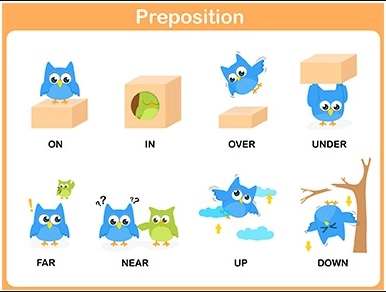
preposition

/ˌprep.əˈzɪʃ.ən/

(noun) preposizione

Esempio:

In the sentence “She walked to the store,” “to” is a preposition.
Nella frase "Ha camminato verso il negozio", "verso" è una preposizione.

prepositional

/ˌprep.əˈzɪʃ.ən.əl/

(adjective) preposizionale

Esempio:

The phrase 'on the table' is a prepositional phrase.
La frase 'sul tavolo' è una frase preposizionale.

present participle

/ˈprez.ənt pɑːrˈtɪs.ə.pəl/

(past participle) participio presente

Esempio:
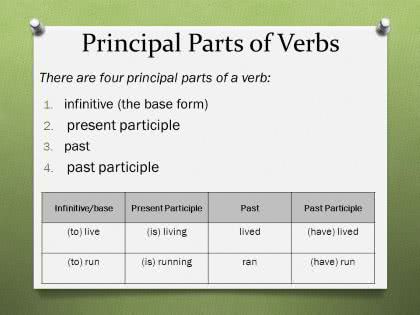
The word 'running' is a present participle.
La parola 'running' è un participio presente.

principal parts

/ˈprɪnsɪpəl pɑːrts/

(noun) parti principali di un verbo

Esempio:
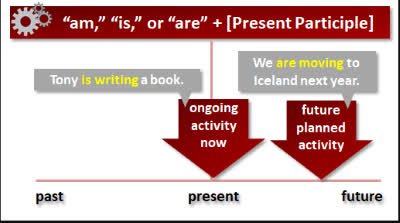
The principal parts of 'sing' are 'sing,' 'sang,' and 'sung.'
Le parti principali di 'cantare' sono 'cantare', 'cantò' e 'cantato'.

progressive

/prəˈɡres.ɪv/

(adjective) progressivo, graduale, progressista;

(noun) progressista, riformatore

Esempio:
The disease showed a progressive decline in health.
La malattia ha mostrato un declino progressivo della salute.

pronoun

/ˈproʊ.naʊn/

(noun) pronome

Esempio:

In the sentence 'She loves him,' 'she' and 'him' are pronouns.
Nella frase 'Lei lo ama', 'lei' e 'lo' sono pronomi.

proper noun

/ˈprɑː.pɚ ˌnaʊn/

(noun) nome proprio

Esempio:

In the sentence 'John went to Paris,' 'John' and 'Paris' are proper nouns.
Nella frase 'John è andato a Parigi', 'John' e 'Parigi' sono nomi propri.
Impara questo insieme di vocabolario su Lingoland