
詞彙集 文法 3(屬於 語言):完整且詳細的清單
詞彙集「文法 3」(屬於「語言」)從國際標準教材來源精心挑選,幫助您在短時間內掌握詞彙。全面彙整定義、例句及標準發音…
在 Lingoland 學習此詞彙集
立即學習
/ˈɑːb.dʒɪkt/
(noun) 物體, 東西, 對象;
(verb) 反對, 異議
範例:
She picked up a strange object from the ground.
她從地上撿起一個奇怪的物體。
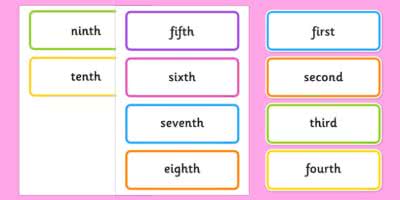
/ˈɔːr.dən.əl/
(noun) 序數;
(adjective) 序數的
範例:
Ordinal numbers are used to show rank.
序數用於表示排名。
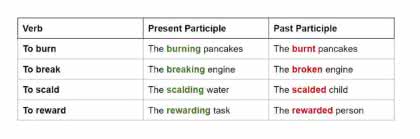
/ˈpɑːr.t̬ɪ.sɪ.pəl/
(noun) 分詞
範例:
The word 'running' in 'running water' is a participle.
“running water”中的“running”是一個分詞。
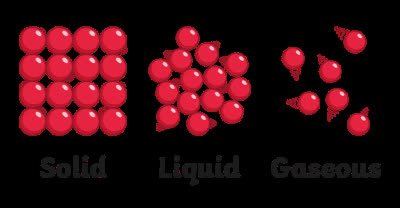
/ˈpɑːr.t̬ə.kəl/
(noun) 微粒, 一點, 粒子;
(particle) 助詞, 小品詞
範例:
There wasn't a particle of dust in the room.
房間裡沒有一點灰塵。
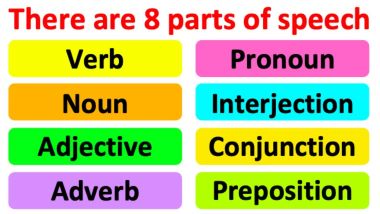
/pɑːrt əv spiːtʃ/
(noun) 詞性, 詞類
範例:
In the sentence 'The quick brown fox jumps over the lazy dog,' 'jumps' is a part of speech classified as a verb.
在句子“那隻敏捷的棕色狐狸跳過那隻懶惰的狗”中,“跳過”是動詞詞性。
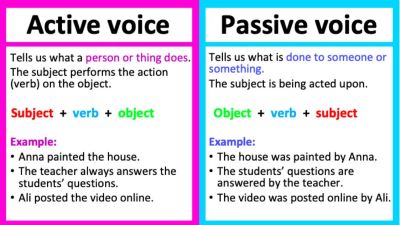
/ˈpæs.ɪv/
(adjective) 被動的, 消極的
範例:
He remained passive during the discussion, offering no opinions.
他在討論中保持被動,沒有發表任何意見。
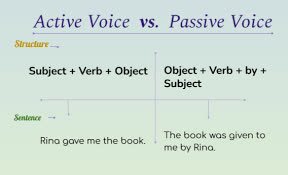
/ˈpæs.ɪv ˌvɔɪs/
(noun) 被動語態
範例:
The ball was thrown by the boy is an example of the passive voice.
球被男孩扔了是被動語態的一個例子。

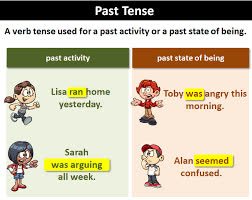
/pæst/
(adjective) 過去的, 以前的;
(noun) 過去;
(preposition) 經過, 超過;
(adverb) 經過, 過去
範例:
In past years, we used to visit this beach every summer.
在過去的幾年裡,我們每年夏天都會來這個海灘。
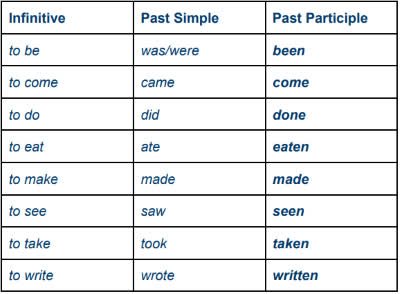
/pæst pɑːrˈtɪs.ə.pəl/
(past participle) 過去分詞
範例:
The word 'eaten' is the past participle of 'eat'.
單詞'eaten'是'eat'的過去分詞。

/ˈpɝː.fekt/
(adjective) 完美的, 理想的, 極好的;
(verb) 完善, 使完美, 改進
範例:
She found the perfect dress for the party.
她找到了派對的完美禮服。
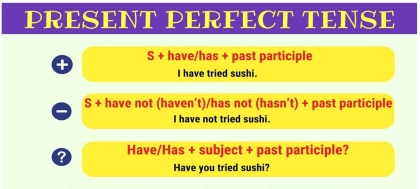
/ˈpɜːr.fɪkt tens/
(noun) 完成式, 現在完成式, 過去完成式
範例:
The sentence 'I have eaten' is an example of the present perfect tense.
句子“I have eaten”是現在完成式的一個例子。

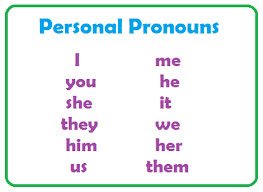
/ˌpɝː.sən.əl ˈproʊ.naʊn/
(noun) 人稱代詞
範例:
In the sentence 'She gave him a book,' 'She' and 'him' are personal pronouns.
在句子“她給了他一本書”中,“她”和“他”是人稱代詞。
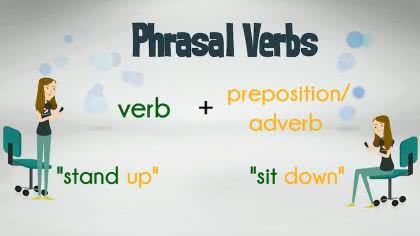
/ˈfreɪzl vɜːrb/
(noun) 片語動詞
範例:
Many English learners find phrasal verbs challenging.
許多英語學習者覺得片語動詞很有挑戰性。
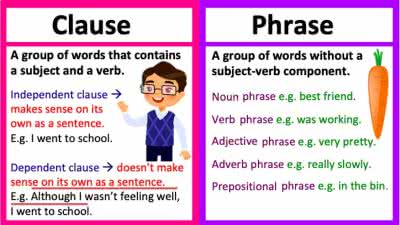
/freɪz/
(noun) 短語, 詞組, 樂句;
(verb) 措辭, 表達
範例:
The phrase 'on the table' is a prepositional phrase.
「在桌子上」這個短語是一個介詞短語。
/ˈpɑː.zə.t̬ɪv/
(adjective) 確信的, 肯定的, 明確的;
(noun) 正片, 幻燈片
範例:
I'm positive that I locked the door.
我確信我鎖了門。

/pəˈzes.ɪv/
(adjective) 佔有慾強的, 獨佔的, 所有格的;
(noun) 所有格, 物主代詞
範例:
He became very possessive of his girlfriend.
他對女朋友變得非常佔有慾強。
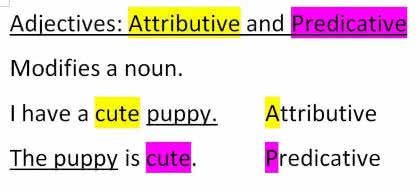
/prɪˈdɪk.ə.t̬ɪv/
(adjective) 表語的, 謂語的
範例:
In the sentence 'The dog is brown,' 'brown' is a predicative adjective.
在句子“狗是棕色的”中,“棕色的”是一個表語形容詞。
/ˈpriː.fɪks/
(noun) 前綴;
(verb) 加前綴
範例:
The word "unhappy" has the prefix "un-".
單詞“unhappy”有前綴“un-”。
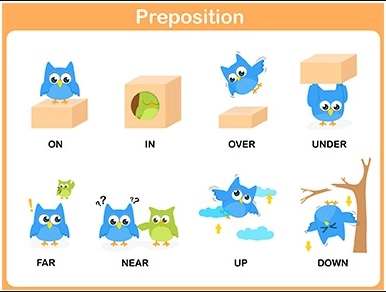
/ˌprep.əˈzɪʃ.ən/
(noun) 介詞
範例:
In the sentence “She walked to the store,” “to” is a preposition.
在句子“她走向商店”中,“向”是一個介詞。

/ˌprep.əˈzɪʃ.ən.əl/
(adjective) 介詞的
範例:
The phrase 'on the table' is a prepositional phrase.
“在桌子上”是一個介詞短語。
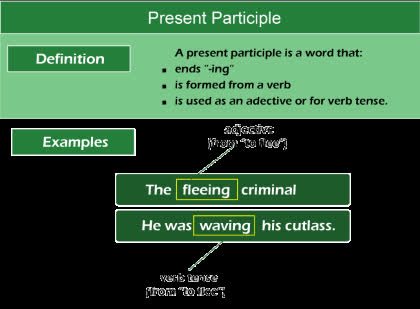
/ˈprez.ənt pɑːrˈtɪs.ə.pəl/
(past participle) 現在分詞
範例:
The word 'running' is a present participle.
單詞“running”是現在分詞。
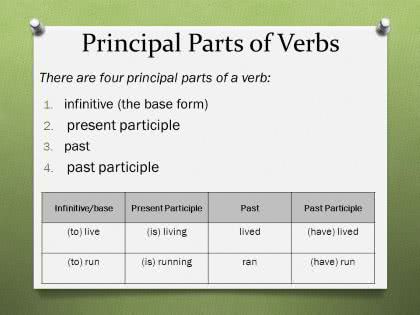
/ˈprɪnsɪpəl pɑːrts/
(noun) 動詞主要部分
範例:
The principal parts of 'sing' are 'sing,' 'sang,' and 'sung.'
“sing”的主要部分是“sing”、“sang”和“sung”。
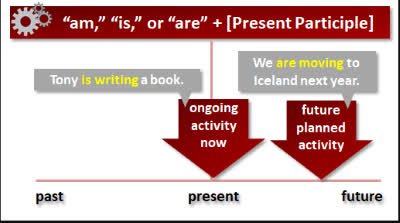
/prəˈɡres.ɪv/
(adjective) 漸進的, 逐步的, 進步的;
(noun) 進步人士, 改革派
範例:
The disease showed a progressive decline in health.
這種疾病表現出健康狀況的逐漸惡化。
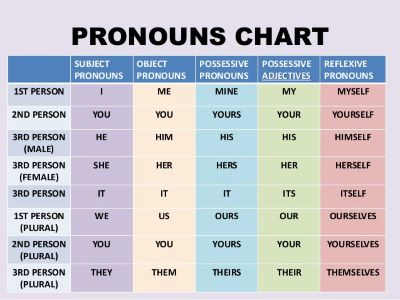
/ˈproʊ.naʊn/
(noun) 代詞
範例:
In the sentence 'She loves him,' 'she' and 'him' are pronouns.
在句子「她愛他」中,「她」和「他」是代詞。
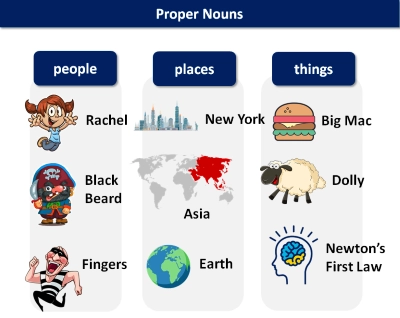
/ˈprɑː.pɚ ˌnaʊn/
(noun) 專有名詞
範例:
In the sentence 'John went to Paris,' 'John' and 'Paris' are proper nouns.
在句子「約翰去了巴黎」中,「約翰」和「巴黎」是專有名詞。