Avatar of Vocabulary Set 文法 3

言語 内 文法 3 語彙セット:完全かつ詳細なリスト

「言語」内の「文法 3」語彙セットは国際標準教材から厳選され、短期間で語彙をマスターできます。定義、例文、標準発音を網羅…

Lingolandでこの語彙セットを学習

今すぐ学習

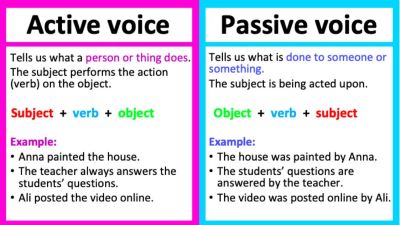
object

/ˈɑːb.dʒɪkt/

(noun) 物体, 物, 対象;

(verb) 反対する, 異議を唱える

例:
She picked up a strange object from the ground.
彼女は地面から奇妙な物体を拾い上げた。

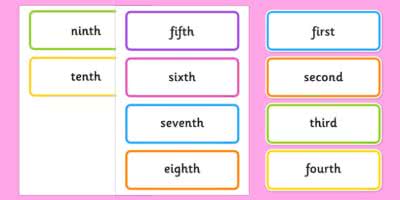
ordinal

/ˈɔːr.dən.əl/

(noun) 序数;

(adjective) 序数の

例:

Ordinal numbers are used to show rank.
序数は順位を示すために使われます。

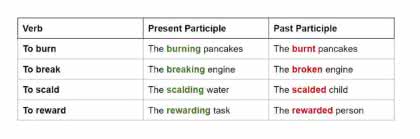
participle

/ˈpɑːr.t̬ɪ.sɪ.pəl/

(noun) 分詞

例:

The word 'running' in 'running water' is a participle.
'running water'の'running'は分詞です。

particle

/ˈpɑːr.t̬ə.kəl/

(noun) 微塵, 少し, 素粒子;

(particle) 助詞, 不変化詞

例:
There wasn't a particle of dust in the room.
部屋には微塵も埃がなかった。

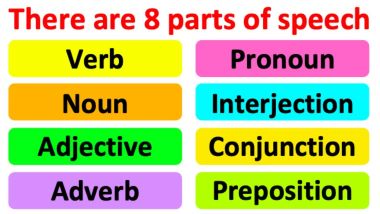
part of speech

/pɑːrt əv spiːtʃ/

(noun) 品詞, 文法上の分類

例:

In the sentence 'The quick brown fox jumps over the lazy dog,' 'jumps' is a part of speech classified as a verb.
「素早い茶色のキツネが怠惰な犬を飛び越える」という文では、「飛び越える」は動詞に分類される品詞です。

passive

/ˈpæs.ɪv/

(adjective) 受動的, 消極的, 受動態の

例:

He remained passive during the discussion, offering no opinions.
彼は議論中、意見を述べずに受動的なままでした。

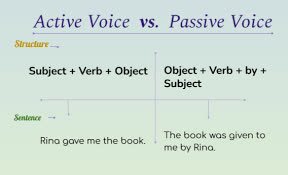
passive voice

/ˈpæs.ɪv ˌvɔɪs/

(noun) 受動態

例:

The ball was thrown by the boy is an example of the passive voice.
少年によってボールが投げられたは受動態の例です。

past

/pæst/

(adjective) 過去の, 以前の;

(noun) 過去;

(preposition) ~を過ぎて, ~を越えて;

(adverb) 通り過ぎて, 越えて

例:
In past years, we used to visit this beach every summer.
過去数年間、私たちは毎年夏にこのビーチを訪れていました。

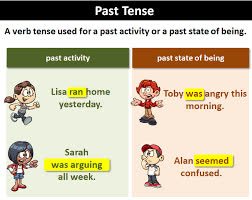
past tense

/ˈpæst ˌtens/

(noun) 過去形

例:

The past tense of 'go' is 'went'.
'go'の過去形は'went'です。

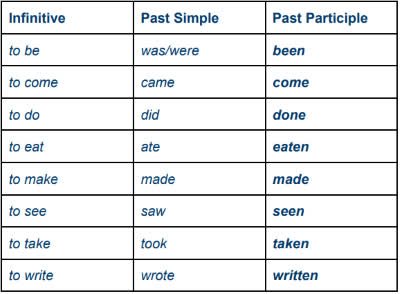
past participle

/pæst pɑːrˈtɪs.ə.pəl/

(past participle) 過去分詞

例:

The word 'eaten' is the past participle of 'eat'.
'eaten'という単語は'eat'の過去分詞です。

perfect

/ˈpɝː.fekt/

(adjective) 完璧な, 完全な, 申し分のない;

(verb) 完璧にする, 完成させる, 磨きをかける

例:
She found the perfect dress for the party.
彼女はパーティーに完璧なドレスを見つけた。

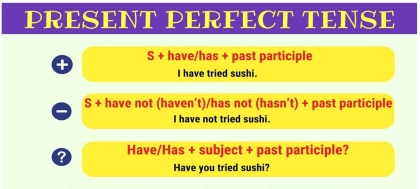
perfect tense

/ˈpɜːr.fɪkt tens/

(noun) 完了形, 現在完了形, 過去完了形

例:

The sentence 'I have eaten' is an example of the present perfect tense.
「I have eaten」という文は現在完了形の例です。

person

/ˈpɝː.sən/

(noun) 人, 個人, 登場人物

例:

She is a very kind person.
彼女はとても親切なです。

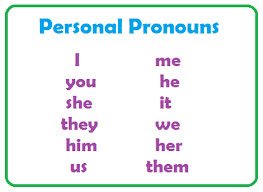
personal pronoun

/ˌpɝː.sən.əl ˈproʊ.naʊn/

(noun) 人称代名詞

例:

In the sentence 'She gave him a book,' 'She' and 'him' are personal pronouns.
「彼女は彼に本をあげた」という文では、「彼女」と「彼」は人称代名詞です。

phrasal verb

/ˈfreɪzl vɜːrb/

(noun) 句動詞

例:

Many English learners find phrasal verbs challenging.
多くの英語学習者は句動詞を難しいと感じています。

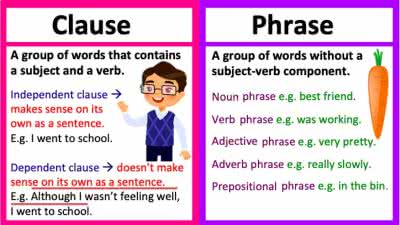
phrase

/freɪz/

(noun) フレーズ, 句, 楽句;

(verb) 表現する, 言い回しをする

例:
The phrase 'on the table' is a prepositional phrase.
「テーブルの上に」というフレーズは前置詞句です。

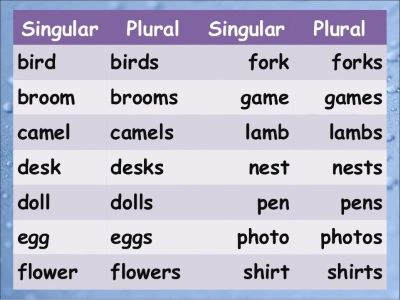
plural

/ˈplʊr.əl/

(noun) 複数形;

(adjective) 複数の, 複数形の

例:

The plural of 'cat' is 'cats'.
「cat」の複数形は「cats」です。

positive

/ˈpɑː.zə.t̬ɪv/

(adjective) 確信している, 肯定的な, 明確な;

(noun) ポジ, ポジフィルム

例:

I'm positive that I locked the door.
ドアに鍵をかけたのは確かです。

possessive

/pəˈzes.ɪv/

(adjective) 独占欲の強い, 所有欲の強い, 所有格の;

(noun) 所有格, 所有代名詞

例:
He became very possessive of his girlfriend.
彼はガールフレンドに対して非常に独占的になった。

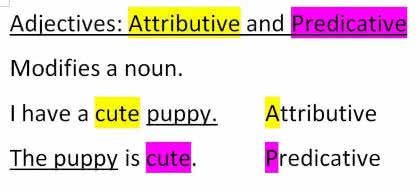
predicative

/prɪˈdɪk.ə.t̬ɪv/

(adjective) 叙述的

例:

In the sentence 'The dog is brown,' 'brown' is a predicative adjective.
「その犬は茶色だ」という文では、「茶色」は叙述的形容詞です。

prefix

/ˈpriː.fɪks/

(noun) 接頭辞;

(verb) 接頭辞として付ける

例:

The word "unhappy" has the prefix "un-".
「unhappy」という単語には「un-」という接頭辞があります。

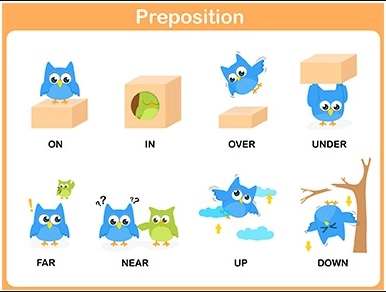
preposition

/ˌprep.əˈzɪʃ.ən/

(noun) 前置詞

例:

In the sentence “She walked to the store,” “to” is a preposition.
「彼女は店まで歩いた」という文では、「まで」は前置詞です。

prepositional

/ˌprep.əˈzɪʃ.ən.əl/

(adjective) 前置詞の

例:

The phrase 'on the table' is a prepositional phrase.
「テーブルの上に」というフレーズは前置詞句です。

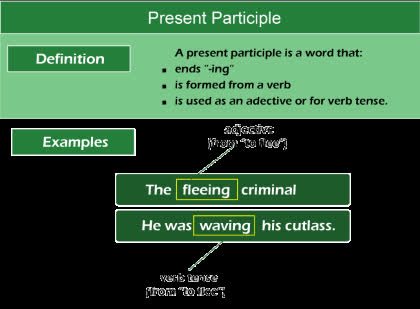
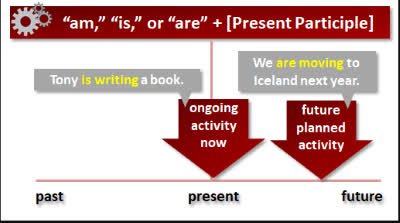
present participle

/ˈprez.ənt pɑːrˈtɪs.ə.pəl/

(past participle) 現在分詞

例:

The word 'running' is a present participle.
'running'という単語は現在分詞です。

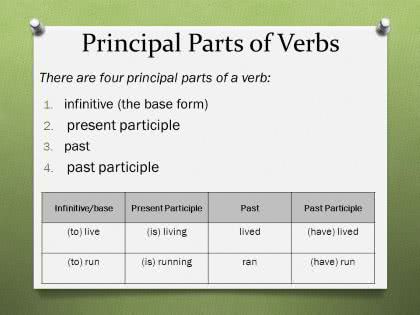
principal parts

/ˈprɪnsɪpəl pɑːrts/

(noun) 動詞の主要部分

例:

The principal parts of 'sing' are 'sing,' 'sang,' and 'sung.'
「歌う」の主要部分は「歌う」、「歌った」、「歌われた」です。

progressive

/prəˈɡres.ɪv/

(adjective) 漸進的な, 段階的な, 進歩的な;

(noun) 進歩主義者, 革新派

例:
The disease showed a progressive decline in health.
その病気は健康の漸進的な低下を示した。

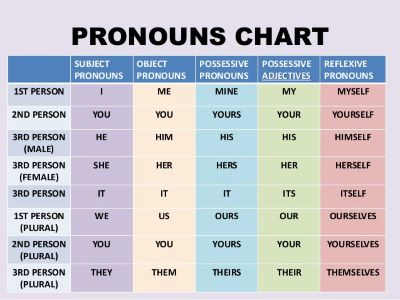
pronoun

/ˈproʊ.naʊn/

(noun) 代名詞

例:

In the sentence 'She loves him,' 'she' and 'him' are pronouns.
「彼女は彼を愛している」という文では、「彼女」と「彼」は代名詞です。

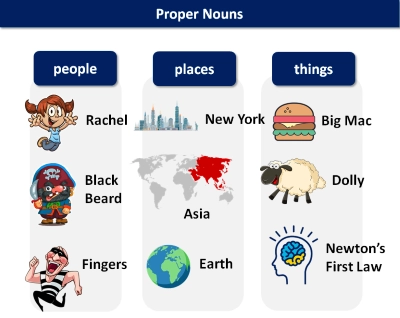
proper noun

/ˈprɑː.pɚ ˌnaʊn/

(noun) 固有名詞

例:

In the sentence 'John went to Paris,' 'John' and 'Paris' are proper nouns.
「ジョンはパリに行った」という文では、「ジョン」と「パリ」は固有名詞です。
Lingolandでこの語彙セットを学習