Avatar of Vocabulary Set 문법 3

언어 내 문법 3 어휘 세트: 완전하고 상세한 목록

'언어' 내 '문법 3' 어휘 세트는 국제 표준 교재 출처에서 엄선되어 짧은 시간 안에 어휘를 마스터할 수 있도록 도와줍니다. 정의, 예문, 표준 발음을 완벽하게 수록...

Lingoland에서 이 어휘 세트 학습하기

지금 학습하기

object

/ˈɑːb.dʒɪkt/

(noun) 물체, 사물, 대상;

(verb) 반대하다, 이의를 제기하다

예시:
She picked up a strange object from the ground.
그녀는 땅에서 이상한 물체를 주웠다.

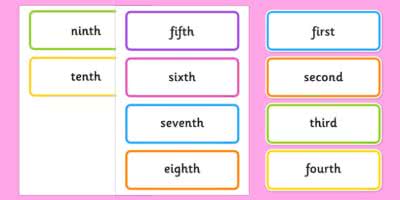
ordinal

/ˈɔːr.dən.əl/

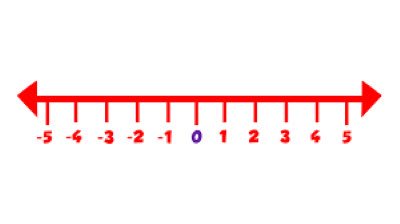
(noun) 서수;

(adjective) 서수의

예시:

Ordinal numbers are used to show rank.
서수는 순위를 나타내는 데 사용됩니다.

participle

/ˈpɑːr.t̬ɪ.sɪ.pəl/

(noun) 분사

예시:

The word 'running' in 'running water' is a participle.
'running water'에서 'running'은 분사입니다.

particle

/ˈpɑːr.t̬ə.kəl/

(noun) 입자, 조금, 아원자 입자;

(particle) 조사, 불변화사

예시:
There wasn't a particle of dust in the room.
방에는 먼지 한 톨도 없었다.

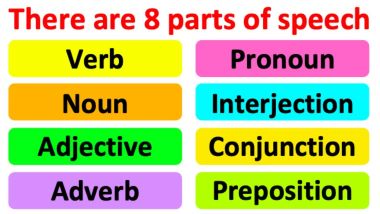
part of speech

/pɑːrt əv spiːtʃ/

(noun) 품사, 문법적 범주

예시:

In the sentence 'The quick brown fox jumps over the lazy dog,' 'jumps' is a part of speech classified as a verb.
'빠른 갈색 여우가 게으른 개를 뛰어넘는다'는 문장에서 '뛰어넘는다'는 동사로 분류되는 품사이다.

passive

/ˈpæs.ɪv/

(adjective) 수동적인, 소극적인, 수동태의

예시:

He remained passive during the discussion, offering no opinions.
그는 토론 내내 수동적으로 남아 아무 의견도 제시하지 않았다.

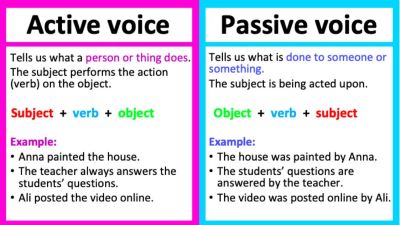
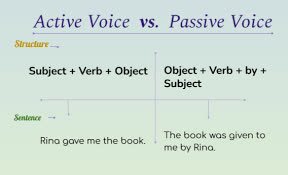
passive voice

/ˈpæs.ɪv ˌvɔɪs/

(noun) 수동태

예시:

The ball was thrown by the boy is an example of the passive voice.
소년에 의해 공이 던져졌다'는 수동태의 예시입니다.

past

/pæst/

(adjective) 지난, 과거의;

(noun) 과거;

(preposition) ~을 지나서, ~을 넘어서;

(adverb) 지나서, 넘어서

예시:
In past years, we used to visit this beach every summer.
지난 몇 년 동안 우리는 매년 여름 이 해변을 방문했어.

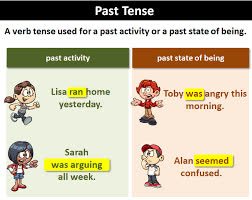
past tense

/ˈpæst ˌtens/

(noun) 과거형

예시:

The past tense of 'go' is 'went'.
'go'의 과거형은 'went'이다.

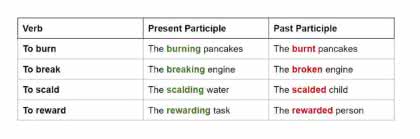
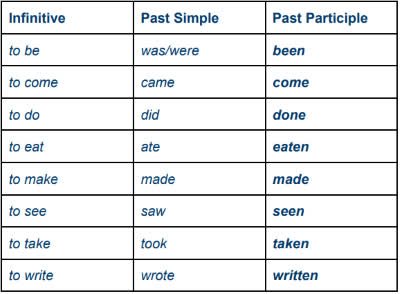
past participle

/pæst pɑːrˈtɪs.ə.pəl/

(past participle) 과거 분사

예시:

The word 'eaten' is the past participle of 'eat'.
'eaten'은 'eat'의 과거 분사입니다.

perfect

/ˈpɝː.fekt/

(adjective) 완벽한, 완전한, 이상적인;

(verb) 완벽하게 하다, 완성하다, 개선하다

예시:
She found the perfect dress for the party.
그녀는 파티에 완벽한 드레스를 찾았다.

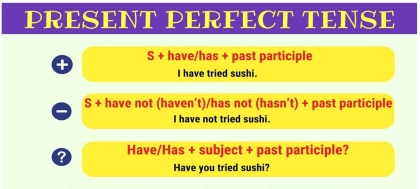
perfect tense

/ˈpɜːr.fɪkt tens/

(noun) 완료 시제, 현재 완료, 과거 완료

예시:

The sentence 'I have eaten' is an example of the present perfect tense.
'I have eaten'이라는 문장은 현재 완료 시제의 예시입니다.

person

/ˈpɝː.sən/

(noun) 사람, 개인, 인물

예시:

She is a very kind person.
그녀는 아주 친절한 사람이다.

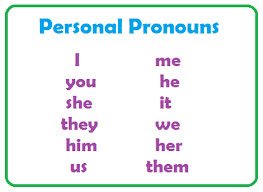
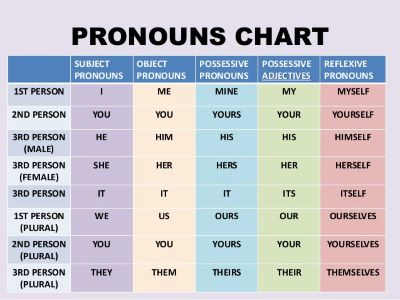
personal pronoun

/ˌpɝː.sən.əl ˈproʊ.naʊn/

(noun) 인칭 대명사

예시:

In the sentence 'She gave him a book,' 'She' and 'him' are personal pronouns.
'그녀는 그에게 책을 주었다'라는 문장에서 '그녀'와 '그'는 인칭 대명사이다.

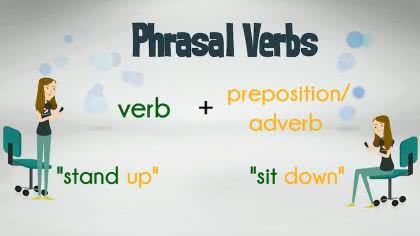
phrasal verb

/ˈfreɪzl vɜːrb/

(noun) 구동사

예시:

Many English learners find phrasal verbs challenging.
많은 영어 학습자들이 구동사를 어렵게 생각한다.

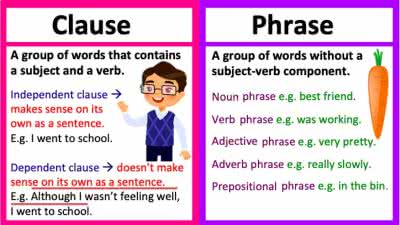
phrase

/freɪz/

(noun) 구, 어구, 악구;

(verb) 표현하다, 말하다

예시:
The phrase 'on the table' is a prepositional phrase.
'테이블 위에'라는 는 전치사구이다.

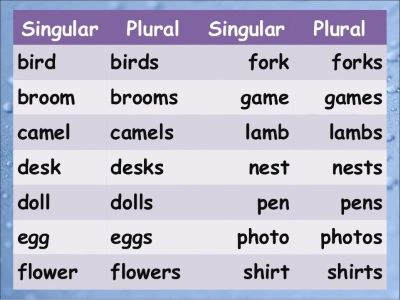
plural

/ˈplʊr.əl/

(noun) 복수형;

(adjective) 복수의

예시:

The plural of 'cat' is 'cats'.
'cat'의 복수형은 'cats'이다.

positive

/ˈpɑː.zə.t̬ɪv/

(adjective) 확실한, 긍정적인, 명확한;

(noun) 포지티브, 양화

예시:

I'm positive that I locked the door.
문 잠근 거 확실해.

possessive

/pəˈzes.ɪv/

(adjective) 소유욕이 강한, 독점적인, 소유격의;

(noun) 소유격, 소유대명사

예시:
He became very possessive of his girlfriend.
그는 여자친구에게 매우 소유욕이 강해졌다.

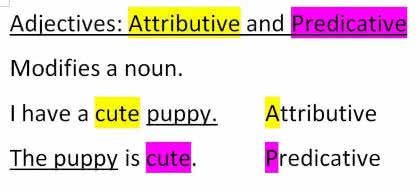
predicative

/prɪˈdɪk.ə.t̬ɪv/

(adjective) 서술적

예시:

In the sentence 'The dog is brown,' 'brown' is a predicative adjective.
'그 개는 갈색이다'라는 문장에서 '갈색'은 서술적 형용사이다.

prefix

/ˈpriː.fɪks/

(noun) 접두사;

(verb) 접두사를 붙이다

예시:

The word "unhappy" has the prefix "un-".
"unhappy"라는 단어에는 "un-"이라는 접두사가 있습니다.

preposition

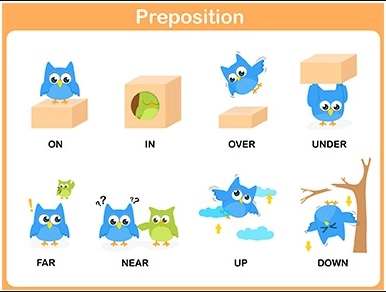
/ˌprep.əˈzɪʃ.ən/

(noun) 전치사

예시:

In the sentence “She walked to the store,” “to” is a preposition.
문장 "그녀는 가게로 걸어갔다"에서 "로"는 전치사이다.

prepositional

/ˌprep.əˈzɪʃ.ən.əl/

(adjective) 전치사의

예시:

The phrase 'on the table' is a prepositional phrase.
'테이블 위에'라는 구는 전치사 구입니다.

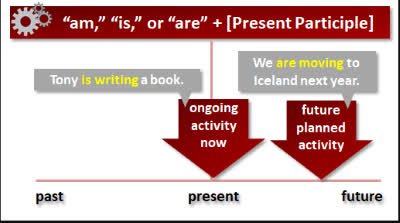
present participle

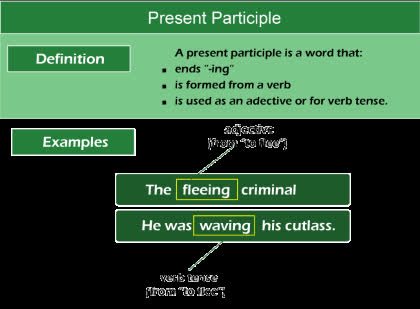
/ˈprez.ənt pɑːrˈtɪs.ə.pəl/

(past participle) 현재분사

예시:

The word 'running' is a present participle.
'running'이라는 단어는 현재분사입니다.

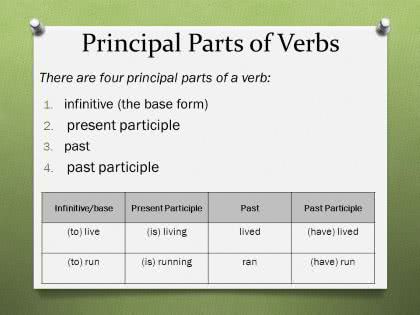
principal parts

/ˈprɪnsɪpəl pɑːrts/

(noun) 동사의 주요 부분

예시:

The principal parts of 'sing' are 'sing,' 'sang,' and 'sung.'
'sing'의 주요 부분은 'sing', 'sang', 'sung'입니다.

progressive

/prəˈɡres.ɪv/

(adjective) 점진적인, 진행적인, 진보적인;

(noun) 진보주의자, 개혁가

예시:
The disease showed a progressive decline in health.
그 질병은 건강의 점진적인 저하를 보였다.

pronoun

/ˈproʊ.naʊn/

(noun) 대명사

예시:

In the sentence 'She loves him,' 'she' and 'him' are pronouns.
'그녀는 그를 사랑한다'는 문장에서 '그녀'와 '그'는 대명사이다.

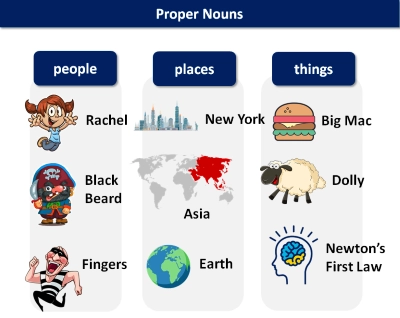
proper noun

/ˈprɑː.pɚ ˌnaʊn/

(noun) 고유명사

예시:

In the sentence 'John went to Paris,' 'John' and 'Paris' are proper nouns.
'존은 파리에 갔다'라는 문장에서 '존'과 '파리'는 고유명사이다.
Lingoland에서 이 어휘 세트 학습하기