Avatar of Vocabulary Set 原因と意図

SAT 数学と論理の語彙 内 原因と意図 語彙セット:完全かつ詳細なリスト

「SAT 数学と論理の語彙」内の「原因と意図」語彙セットは国際標準教材から厳選され、短期間で語彙をマスターできます。定義、例文、標準発音を網羅…

Lingolandでこの語彙セットを学習

今すぐ学習
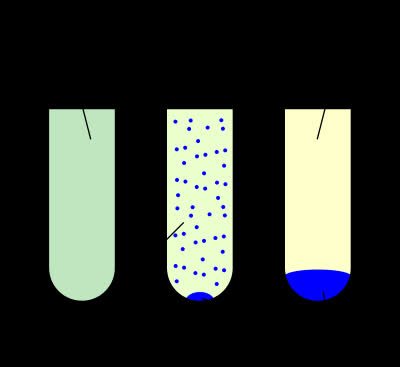
precipitate

/prɪˈsɪp.ə.teɪt/

(verb) 引き起こす, 促進する, 早める;

(adjective) 性急な, 軽率な, 早まった;

(noun) 沈殿物, 析出物

例:

The economic crisis was precipitated by a collapse in housing prices.
経済危機は住宅価格の暴落によって引き起こされた

catalyze

/ˈkæt̬.əl.aɪz/

(verb) 触媒する, 促進する

例:

Enzymes catalyze biochemical reactions in the body.
酵素は体内の生化学反応を触媒する

prompt

/prɑːmpt/

(adjective) 迅速な, 即座の, 素早い;

(noun) きっかけ, 促し, プロンプト;

(verb) 促す, 引き起こす, 誘発する

例:

She was prompt in her response to the email.
彼女はメールへの返信が迅速だった。

invoke

/ɪnˈvoʊk/

(verb) 援用する, 引用する, 呼び出す

例:

He invoked the Fifth Amendment, refusing to answer questions.
彼は質問への回答を拒否し、修正第5条を援用した

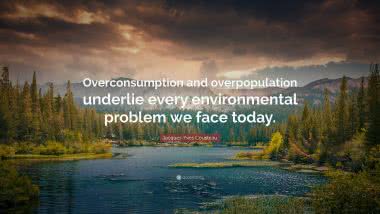
underlie

/ˌʌn.dɚˈlaɪ/

(verb) 根底にある, 基礎となる

例:

The fundamental principles that underlie his philosophy are quite complex.
彼の哲学を支える根本的な原則は非常に複雑です。

pose

/poʊz/

(verb) 提起する, もたらす, ポーズをとる;

(noun) ポーズ, 姿勢, 見せかけ

例:

The new regulations pose a challenge for small businesses.
新しい規制は中小企業にとって課題を提起する

exert

/ɪɡˈzɝːt/

(verb) 行使する, 発揮する, 尽くす

例:

He had to exert all his strength to lift the heavy box.
彼は重い箱を持ち上げるために全力を尽くさなければならなかった。

elicit

/iˈlɪs.ɪt/

(verb) 引き出す, 誘発する, 聞き出す

例:

Her story managed to elicit tears from the audience.
彼女の話は聴衆から涙を引き出すことに成功した。

stem

/stem/

(noun) 茎, 幹, 語幹;

(verb) 起因する, 源を発する, 食い止める

例:

The rose stem had sharp thorns.
バラのには鋭いとげがあった。

incur

/ɪnˈkɝː/

(verb) 被る, 招く

例:

He incurred the wrath of his boss by being late.
彼は遅刻したことで上司の怒りを招いた

animate

/ˈæn.ə.mət/

(verb) アニメートする, 活気づける, 生命を吹き込む;

(adjective) 生きている, 生命のある

例:

The artist used software to animate the characters.
アーティストはソフトウェアを使ってキャラクターをアニメートした。

spearhead

/ˈspɪr.hed/

(noun) 先鋒, 最前線;

(verb) 先導する, 主導する

例:

The special forces unit formed the spearhead of the invasion.
特殊部隊が侵攻の先鋒を務めた。

necessitate

/nəˈses.ə.teɪt/

(verb) 必要とする, 余儀なくさせる

例:

The new policy will necessitate a change in our procedures.
新しい方針は、私たちの手順の変更を必要とするでしょう。

incite

/ɪnˈsaɪt/

(verb) 扇動する, 引き起こす, 刺激する

例:

His speech was accused of trying to incite violence.
彼の演説は暴力を扇動するものだと非難された。

causality

/kɑːˈzæl.ə.t̬i/

(noun) 因果関係, 因果性

例:

Scientists are trying to establish a causality between the two events.
科学者たちは2つの出来事の間の因果関係を立証しようとしている。

instigation

/ˌɪn.stəˈɡeɪ.ʃən/

(noun) 扇動, 教唆, 唆し

例:

The riot was caused by the instigation of a few agitators.
暴動は数人の扇動者の扇動によって引き起こされた。

stimulus

/ˈstɪm.jə.ləs/

(noun) 刺激, 誘因

例:

Light is a stimulus for the eyes.
光は目にとっての刺激です。

foundation

/faʊnˈdeɪ.ʃən/

(noun) 基礎, 土台, 原則

例:

The house has a strong concrete foundation.
その家は頑丈なコンクリートの基礎を持っている。

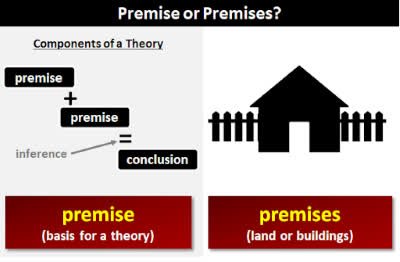
premise

/ˈprem.ɪs/

(noun) 前提, 根拠, 敷地;

(verb) 〜に基づく, 〜を前提とする

例:
The argument was based on a false premise.
その議論は誤った前提に基づいていた。

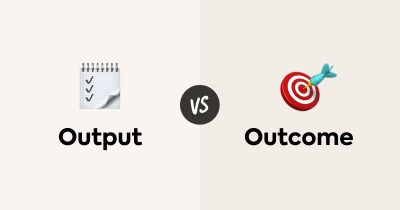
outcome

/ˈaʊt.kʌm/

(noun) 結果, 成果, 結末

例:

The outcome of the election was a surprise to everyone.
選挙の結果は皆にとって驚きだった。

bane

/beɪn/

(noun) 悩み種, 破滅の元

例:

The neighbors' loud music is the bane of my existence.
近所の騒々しい音楽は私の人生の悩み種だ。

grassroots

/ˈɡræs.ruːts/

(noun) 草の根, 一般の人々;

(adjective) 草の根の, 一般市民の

例:
The movement gained strength from the grassroots.
その運動は草の根から力を得た。

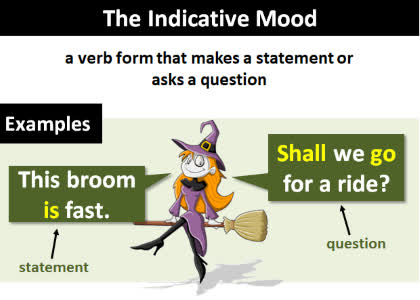
indicative

/ɪnˈdɪk.ə.t̬ɪv/

(adjective) 示唆する, 示す, 直説法;

(noun) 直説法

例:

His poor performance is indicative of a lack of effort.
彼の成績不振は努力不足を示している

conducive

/kənˈduː.sɪv/

(adjective) 助けとなる, 貢献する

例:

The quiet environment was conducive to studying.
静かな環境は勉強に役立った

unintended

/ˌʌn.ɪnˈten.dɪd/

(adjective) 意図しない, 予期せぬ

例:

The new policy had several unintended consequences.
新しい政策にはいくつかの意図しない結果があった。

involuntarily

/ɪnˈvɑː.lən.ter.əl.i/

(adverb) 思わず, 無意識に

例:

She involuntarily gasped when she saw the surprise.
彼女は驚きを見て思わず息をのんだ。

deliberately

/dɪˈlɪb.ɚ.ət.li/

(adverb) ゆっくりと, 慎重に, 意図的に

例:

She walked deliberately, taking in the scenery.
彼女は景色を楽しみながら、ゆっくりと歩いた。

inadvertently

/ˌɪn.ədˈvɝː.t̬ənt.li/

(adverb) うっかり, 不注意にも, 意図せずに

例:

I inadvertently deleted the file.
私はうっかりファイルを削除してしまいました。

readily

/ˈred.əl.i/

(adverb) 快く, 容易に, すぐに

例:

She readily agreed to help us.
彼女は快く私たちを助けることに同意した。

unwittingly

/ʌnˈwɪt̬.ɪŋ.li/

(adverb) 知らずに, うっかり

例:

She unwittingly became involved in a major scandal.
彼女は知らず知らずのうちに大きなスキャンダルに巻き込まれた。

unthinkingly

/ʌnˈθɪŋ.kɪŋ.li/

(adverb) 考えなしに, うっかり

例:

He unthinkingly agreed to the proposal without reading the fine print.
彼は細かい字を読まずに、考えなしにその提案に同意した。

purposely

/ˈpɝː.pəs.li/

(adverb) わざと, 意図的に

例:

She purposely ignored his calls.
彼女はわざと彼の電話を無視した。

wilfully

/ˈwɪl.fəl.i/

(adverb) 故意に, 意図的に, 頑なに

例:

He was accused of wilfully damaging public property.
彼は公共物を故意に損壊した疑いで告発された。

impulse

/ˈɪm.pʌls/

(noun) 衝動, 出来心, 発作

例:

He bought the car on an impulse.
彼は衝動的に車を買った。

volition

/vəˈlɪʃ.ən/

(noun) 意志, 自由意志

例:

He signed the contract of his own volition.
彼は自分の意志で契約に署名した。

resistance

/rɪˈzɪs.təns/

(noun) 抵抗, 反抗, 耐性

例:

The local population offered strong resistance to the invading army.
地元住民は侵攻軍に強い抵抗を示した。

reluctant

/rɪˈlʌk.tənt/

(adjective) 気が進まない, 不本意な

例:

She was reluctant to admit her mistake.
彼女は自分の間違いを認めることに気が進まなかった

purposeful

/ˈpɝː.pəs.fəl/

(adjective) 目的のある, 意図的な, 決意のある

例:

She walked with a purposeful stride towards the finish line.
彼女はゴールラインに向かって目的のある足取りで歩いた。

spontaneous

/spɑːnˈteɪ.ni.əs/

(adjective) 自発的な, 自然発生的な

例:

The crowd burst into spontaneous applause.
群衆は自然発生的な拍手喝采に包まれた。

senseless

/ˈsens.ləs/

(adjective) 無意味な, 愚かな, ばかげた

例:

It was a senseless act of violence.
それは無意味な暴力行為だった。
Lingolandでこの語彙セットを学習