Avatar of Vocabulary Set 原因和意圖

詞彙集 原因和意圖(屬於 SAT數學和邏輯詞彙):完整且詳細的清單

詞彙集「原因和意圖」(屬於「SAT數學和邏輯詞彙」)從國際標準教材來源精心挑選,幫助您在短時間內掌握詞彙。全面彙整定義、例句及標準發音…

在 Lingoland 學習此詞彙集

立即學習
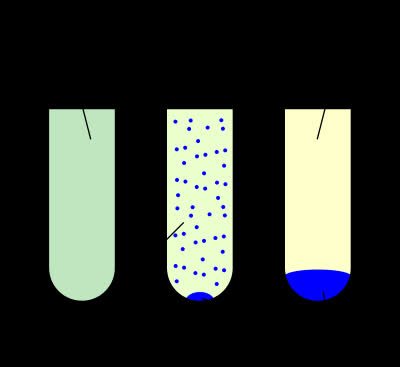
precipitate

/prɪˈsɪp.ə.teɪt/

(verb) 促使, 加速, 引發;

(adjective) 倉促的, 草率的, 魯莽的;

(noun) 沉澱物, 析出物

範例:

The economic crisis was precipitated by a collapse in housing prices.
經濟危機是由房價暴跌引發的

catalyze

/ˈkæt̬.əl.aɪz/

(verb) 催化, 促進

範例:

Enzymes catalyze biochemical reactions in the body.
催化體內的生化反應。

prompt

/prɑːmpt/

(adjective) 迅速的, 及時的, 立即的;

(noun) 提示, 鼓勵, 提示符;

(verb) 促使, 引起, 提示

範例:

She was prompt in her response to the email.
她對郵件的回覆很及時

invoke

/ɪnˈvoʊk/

(verb) 援引, 訴諸, 求助於

範例:

He invoked the Fifth Amendment, refusing to answer questions.
援引了第五修正案,拒絕回答問題。

underlie

/ˌʌn.dɚˈlaɪ/

(verb) 構成...的基礎, 是...的根本原因

範例:

The fundamental principles that underlie his philosophy are quite complex.
構成他哲學基礎的基本原則相當複雜。

pose

/poʊz/

(verb) 構成, 提出, 擺姿勢;

(noun) 姿勢, 姿態, 裝腔作勢

範例:

The new regulations pose a challenge for small businesses.
新規定對小企業構成挑戰。

exert

/ɪɡˈzɝːt/

(verb) 施加, 運用, 發揮

範例:

He had to exert all his strength to lift the heavy box.
他必須施加全部力量才能舉起那個沉重的箱子。

elicit

/iˈlɪs.ɪt/

(verb) 引出, 套取, 誘發

範例:

Her story managed to elicit tears from the audience.
她的故事成功地引出了觀眾的眼淚。

stem

/stem/

(noun) 莖, 桿, 詞幹;

(verb) 源於, 起源於, 阻止

範例:

The rose stem had sharp thorns.
玫瑰有尖銳的刺。

incur

/ɪnˈkɝː/

(verb) 招致, 遭受

範例:

He incurred the wrath of his boss by being late.
他因遲到而招致老闆的憤怒。

animate

/ˈæn.ə.mət/

(verb) 使有生氣, 使活躍, 製作動畫;

(adjective) 有生命的, 活的

範例:

The artist used software to animate the characters.
藝術家使用軟體來製作動畫角色。

spearhead

/ˈspɪr.hed/

(noun) 先鋒, 前鋒;

(verb) 帶頭, 率先

範例:

The special forces unit formed the spearhead of the invasion.
特種部隊是入侵的先鋒

necessitate

/nəˈses.ə.teɪt/

(verb) 使成為必需, 需要

範例:

The new policy will necessitate a change in our procedures.
新政策將需要我們改變程序。

incite

/ɪnˈsaɪt/

(verb) 煽動, 鼓動, 激起

範例:

His speech was accused of trying to incite violence.
他的演講被指控試圖煽動暴力。

causality

/kɑːˈzæl.ə.t̬i/

(noun) 因果關係, 因果律

範例:

Scientists are trying to establish a causality between the two events.
科學家們正試圖確定這兩個事件之間的因果關係

instigation

/ˌɪn.stəˈɡeɪ.ʃən/

(noun) 煽動, 教唆, 慫恿

範例:

The riot was caused by the instigation of a few agitators.
騷亂是由少數煽動者的煽動引起的。

stimulus

/ˈstɪm.jə.ləs/

(noun) 刺激, 刺激物, 激勵

範例:

Light is a stimulus for the eyes.
光是眼睛的刺激物

foundation

/faʊnˈdeɪ.ʃən/

(noun) 地基, 基礎, 原則

範例:

The house has a strong concrete foundation.
這房子有堅固的混凝土地基

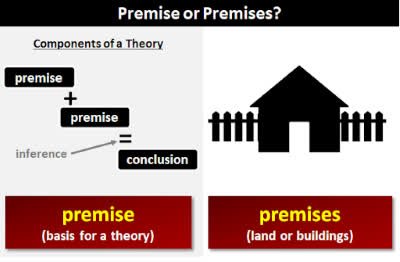
premise

/ˈprem.ɪs/

(noun) 前提, 論據, 場所;

(verb) 基於, 以...為前提

範例:
The argument was based on a false premise.
這個論點是基於一個錯誤的前提

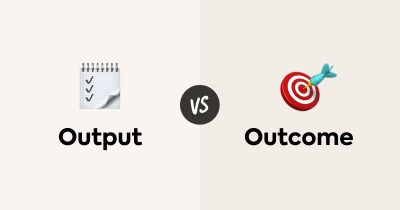
outcome

/ˈaʊt.kʌm/

(noun) 結果, 結局, 後果

範例:

The outcome of the election was a surprise to everyone.
選舉結果出乎所有人的意料。

bane

/beɪn/

(noun) 禍根, 災星

範例:

The neighbors' loud music is the bane of my existence.
鄰居的大聲音樂是我生活的禍根

grassroots

/ˈɡræs.ruːts/

(noun) 基層, 普通民眾;

(adjective) 基層的, 草根的

範例:
The movement gained strength from the grassroots.
這場運動從基層獲得了力量。

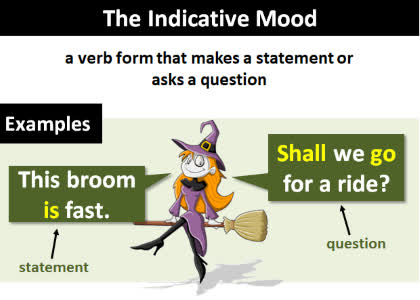
indicative

/ɪnˈdɪk.ə.t̬ɪv/

(adjective) 指示的, 象徵的, 陳述語氣;

(noun) 陳述語氣

範例:

His poor performance is indicative of a lack of effort.
他糟糕的表現表明缺乏努力。

conducive

/kənˈduː.sɪv/

(adjective) 有利的, 有助於

範例:

The quiet environment was conducive to studying.
安靜的環境有利於學習。

unintended

/ˌʌn.ɪnˈten.dɪd/

(adjective) 無意的, 非故意的

範例:

The new policy had several unintended consequences.
新政策產生了一些意想不到的後果。

involuntarily

/ɪnˈvɑː.lən.ter.əl.i/

(adverb) 不由自主地, 無意中

範例:

She involuntarily gasped when she saw the surprise.
她看到驚喜時不由自主地倒吸了一口氣。

deliberately

/dɪˈlɪb.ɚ.ət.li/

(adverb) 從容地, 慎重地, 緩慢地

範例:

She walked deliberately, taking in the scenery.
從容地走著,欣賞著風景。

inadvertently

/ˌɪn.ədˈvɝː.t̬ənt.li/

(adverb) 不經意地, 無意中, 不小心

範例:

I inadvertently deleted the file.
不小心刪除了文件。

readily

/ˈred.əl.i/

(adverb) 欣然, 容易地, 迅速地

範例:

She readily agreed to help us.
欣然同意幫助我們。

unwittingly

/ʌnˈwɪt̬.ɪŋ.li/

(adverb) 無意地, 不知不覺地

範例:

She unwittingly became involved in a major scandal.
無意中卷入了一場重大醜聞。

unthinkingly

/ʌnˈθɪŋ.kɪŋ.li/

(adverb) 不假思索地, 輕率地

範例:

He unthinkingly agreed to the proposal without reading the fine print.
想都不想地同意了提議,沒看清細則。

purposely

/ˈpɝː.pəs.li/

(adverb) 故意地, 有目的地

範例:

She purposely ignored his calls.
故意不接他的電話。

wilfully

/ˈwɪl.fəl.i/

(adverb) 故意地, 任性地, 固執地

範例:

He was accused of wilfully damaging public property.
他被指控故意破壞公共財產。

impulse

/ˈɪm.pʌls/

(noun) 衝動, 心血來潮, 動力

範例:

He bought the car on an impulse.
他一時衝動買了那輛車。

volition

/vəˈlɪʃ.ən/

(noun) 意願, 意志

範例:

He signed the contract of his own volition.
他出於自己的意願簽署了合同。

resistance

/rɪˈzɪs.təns/

(noun) 抵抗, 反抗, 抵抗力

範例:

The local population offered strong resistance to the invading army.
當地居民對入侵軍隊進行了強烈抵抗

reluctant

/rɪˈlʌk.tənt/

(adjective) 不情願的, 勉強的

範例:

She was reluctant to admit her mistake.
不情願承認自己的錯誤。

purposeful

/ˈpɝː.pəs.fəl/

(adjective) 有目的的, 故意的, 堅定的

範例:

She walked with a purposeful stride towards the finish line.
她邁著堅定的步伐走向終點線。

spontaneous

/spɑːnˈteɪ.ni.əs/

(adjective) 自發的, 隨性的

範例:

The crowd burst into spontaneous applause.
人群爆發出自發的掌聲。

senseless

/ˈsens.ləs/

(adjective) 無意義的, 愚蠢的, 荒謬的

範例:

It was a senseless act of violence.
那是一場毫無意義的暴力行為。
在 Lingoland 學習此詞彙集