Avatar of Vocabulary Set 원인과 의도

수학 및 논리를 위한 SAT 어휘 내 원인과 의도 어휘 세트: 완전하고 상세한 목록

'수학 및 논리를 위한 SAT 어휘' 내 '원인과 의도' 어휘 세트는 국제 표준 교재 출처에서 엄선되어 짧은 시간 안에 어휘를 마스터할 수 있도록 도와줍니다. 정의, 예문, 표준 발음을 완벽하게 수록...

Lingoland에서 이 어휘 세트 학습하기

지금 학습하기

precipitate

/prɪˈsɪp.ə.teɪt/

(verb) 촉발하다, 야기하다, 재촉하다;

(adjective) 성급한, 경솔한, 급한;

(noun) 침전물, 석출물

예시:

The economic crisis was precipitated by a collapse in housing prices.
주택 가격 폭락이 경제 위기를 촉발했다.

catalyze

/ˈkæt̬.əl.aɪz/

(verb) 촉매하다, 가속화하다

예시:

Enzymes catalyze biochemical reactions in the body.
효소는 체내의 생화학 반응을 촉매한다.

prompt

/prɑːmpt/

(adjective) 즉각적인, 신속한, 지체 없는;

(noun) 계기, 프롬프트, 자극;

(verb) 유도하다, 촉발하다, 자극하다

예시:

She was prompt in her response to the email.
그녀는 이메일에 즉각적으로 응답했다.

invoke

/ɪnˈvoʊk/

(verb) 인용하다, 들먹이다, 호소하다

예시:

He invoked the Fifth Amendment, refusing to answer questions.
그는 질문에 답하기를 거부하며 수정헌법 제5조를 들먹였다.

underlie

/ˌʌn.dɚˈlaɪ/

(verb) 기초가 되다, 근본 원인이 되다

예시:

The fundamental principles that underlie his philosophy are quite complex.
그의 철학을 뒷받침하는 근본 원리는 상당히 복잡하다.

pose

/poʊz/

(verb) 제기하다, 가하다, 포즈를 취하다;

(noun) 포즈, 자세, 가식

예시:

The new regulations pose a challenge for small businesses.
새로운 규정은 소기업에 도전을 제기한다.

exert

/ɪɡˈzɝːt/

(verb) 발휘하다, 행사하다, 가하다

예시:

He had to exert all his strength to lift the heavy box.
그는 무거운 상자를 들어 올리기 위해 모든 힘을 발휘해야 했다.

elicit

/iˈlɪs.ɪt/

(verb) 자아내다, 끌어내다, 유도하다

예시:

Her story managed to elicit tears from the audience.
그녀의 이야기는 청중의 눈물을 자아냈다.

stem

/stem/

(noun) 줄기, 대, 어간;

(verb) 비롯되다, 발원하다, 막다

예시:

The rose stem had sharp thorns.
장미 줄기에는 날카로운 가시가 있었다.

incur

/ɪnˈkɝː/

(verb) 초래하다, 입다

예시:

He incurred the wrath of his boss by being late.
그는 늦어서 상사의 분노를 샀다.

animate

/ˈæn.ə.mət/

(verb) 애니메이션화하다, 활기 있게 하다, 생명을 불어넣다;

(adjective) 생기 있는, 살아있는

예시:

The artist used software to animate the characters.
예술가는 소프트웨어를 사용하여 캐릭터를 애니메이션화했다.

spearhead

/ˈspɪr.hed/

(noun) 선봉, 선두;

(verb) 선두에 서다, 주도하다

예시:

The special forces unit formed the spearhead of the invasion.
특수부대가 침공의 선봉을 맡았다.

necessitate

/nəˈses.ə.teɪt/

(verb) 필요로 하다, 요구하다

예시:

The new policy will necessitate a change in our procedures.
새로운 정책은 우리 절차의 변경을 필요로 할 것이다.

incite

/ɪnˈsaɪt/

(verb) 선동하다, 자극하다, 유발하다

예시:

His speech was accused of trying to incite violence.
그의 연설은 폭력을 선동하려 했다는 비난을 받았다.

causality

/kɑːˈzæl.ə.t̬i/

(noun) 인과 관계, 인과성

예시:

Scientists are trying to establish a causality between the two events.
과학자들은 두 사건 사이의 인과 관계를 규명하려 노력하고 있다.

instigation

/ˌɪn.stəˈɡeɪ.ʃən/

(noun) 선동, 교사, 자극

예시:

The riot was caused by the instigation of a few agitators.
폭동은 몇몇 선동가들의 선동으로 발생했다.

stimulus

/ˈstɪm.jə.ləs/

(noun) 자극, 자극제, 동기

예시:

Light is a stimulus for the eyes.
빛은 눈에 대한 자극이다.

foundation

/faʊnˈdeɪ.ʃən/

(noun) 기초, 토대, 기반

예시:

The house has a strong concrete foundation.
그 집은 튼튼한 콘크리트 기초를 가지고 있다.

premise

/ˈprem.ɪs/

(noun) 전제, 가정, 건물;

(verb) ~에 기반을 두다, ~을 전제로 하다

예시:
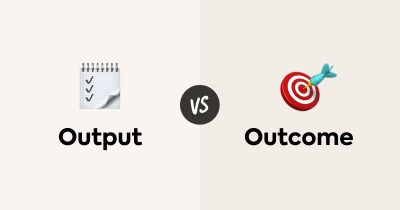
The argument was based on a false premise.
그 주장은 잘못된 전제에 기반을 두고 있었다.

outcome

/ˈaʊt.kʌm/

(noun) 결과, 성과, 귀추

예시:

The outcome of the election was a surprise to everyone.
선거 결과는 모두에게 놀라움이었다.

bane

/beɪn/

(noun) 골칫거리, 파멸의 원인

예시:

The neighbors' loud music is the bane of my existence.
이웃의 시끄러운 음악은 내 인생의 골칫거리다.

grassroots

/ˈɡræs.ruːts/

(noun) 풀뿌리, 일반 대중;

(adjective) 풀뿌리, 대중적인

예시:
The movement gained strength from the grassroots.
그 운동은 풀뿌리에서 힘을 얻었다.

indicative

/ɪnˈdɪk.ə.t̬ɪv/

(adjective) 나타내는, 지표가 되는, 직설법;

(noun) 직설법

예시:

His poor performance is indicative of a lack of effort.
그의 저조한 성과는 노력 부족을 나타낸다.

conducive

/kənˈduː.sɪv/

(adjective) 도움이 되는, 유리한

예시:

The quiet environment was conducive to studying.
조용한 환경은 공부에 도움이 되었다.

unintended

/ˌʌn.ɪnˈten.dɪd/

(adjective) 의도하지 않은, 예상치 못한

예시:

The new policy had several unintended consequences.
새로운 정책은 여러 의도하지 않은 결과를 낳았다.

involuntarily

/ɪnˈvɑː.lən.ter.əl.i/

(adverb) 무의식적으로, 본의 아니게

예시:

She involuntarily gasped when she saw the surprise.
그녀는 놀라움을 보고 무의식적으로 숨을 들이켰다.

deliberately

/dɪˈlɪb.ɚ.ət.li/

(adverb) 천천히, 신중하게, 고의적으로

예시:

She walked deliberately, taking in the scenery.
그녀는 풍경을 감상하며 천천히 걸었다.

inadvertently

/ˌɪn.ədˈvɝː.t̬ənt.li/

(adverb) 실수로, 무심코, 부주의하게

예시:

I inadvertently deleted the file.
나는 실수로 파일을 삭제했다.

readily

/ˈred.əl.i/

(adverb) 기꺼이, 쉽게, 즉시

예시:

She readily agreed to help us.
그녀는 우리를 돕는 데 기꺼이 동의했다.

unwittingly

/ʌnˈwɪt̬.ɪŋ.li/

(adverb) 자신도 모르게, 무심코

예시:

She unwittingly became involved in a major scandal.
그녀는 자신도 모르게 큰 스캔들에 휘말렸다.

unthinkingly

/ʌnˈθɪŋ.kɪŋ.li/

(adverb) 생각 없이, 무심코

예시:

He unthinkingly agreed to the proposal without reading the fine print.
그는 세부 사항을 읽지도 않고 생각 없이 제안에 동의했다.

purposely

/ˈpɝː.pəs.li/

(adverb) 고의로, 일부러

예시:

She purposely ignored his calls.
그녀는 고의로 그의 전화를 무시했다.

wilfully

/ˈwɪl.fəl.i/

(adverb) 고의로, 의도적으로, 고집스럽게

예시:

He was accused of wilfully damaging public property.
그는 공공 기물을 고의로 파손한 혐의로 기소되었다.

impulse

/ˈɪm.pʌls/

(noun) 충동, 돌발적인 욕구, 자극

예시:

He bought the car on an impulse.
그는 충동적으로 차를 샀다.

volition

/vəˈlɪʃ.ən/

(noun) 자유 의지, 의지

예시:

He signed the contract of his own volition.
그는 자신의 자유 의지로 계약서에 서명했다.

resistance

/rɪˈzɪs.təns/

(noun) 저항, 반대, 내성

예시:

The local population offered strong resistance to the invading army.
지역 주민들은 침략군에 강력한 저항을 보였다.

reluctant

/rɪˈlʌk.tənt/

(adjective) 꺼리는, 마지못한

예시:

She was reluctant to admit her mistake.
그녀는 자신의 실수를 인정하기를 꺼려했다.

purposeful

/ˈpɝː.pəs.fəl/

(adjective) 목적 있는, 의도적인, 단호한

예시:

She walked with a purposeful stride towards the finish line.
그녀는 결승선을 향해 목적 있는 걸음으로 걸었다.

spontaneous

/spɑːnˈteɪ.ni.əs/

(adjective) 자발적인, 즉흥적인

예시:

The crowd burst into spontaneous applause.
군중은 자발적인 박수갈채를 보냈다.

senseless

/ˈsens.ləs/

(adjective) 무의미한, 어리석은, 바보 같은

예시:

It was a senseless act of violence.
그것은 무의미한 폭력 행위였다.
Lingoland에서 이 어휘 세트 학습하기