
人文科学に関連するSAT語彙 内 歴史と考古学 語彙セット:完全かつ詳細なリスト
「人文科学に関連するSAT語彙」内の「歴史と考古学」語彙セットは国際標準教材から厳選され、短期間で語彙をマスターできます。定義、例文、標準発音を網羅…
Lingolandでこの語彙セットを学習
今すぐ学習
/ˈren.ə.sɑːns/
(noun) ルネサンス, 復活, 再興
例:
The Italian Renaissance was a period of great cultural change and achievement.
イタリアルネサンスは、大きな文化的変化と成果の時代でした。
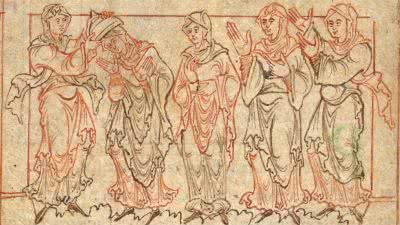
/ænˈtɪk.wə.t̬i/
(noun) 古代, 古くからの時代, 古さ
例:
The museum houses artifacts from antiquity.
その博物館には古代の遺物が収蔵されている。
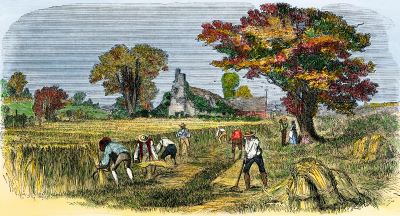
/ˌpriː.ɪnˈdʌs.tri.əl/
(adjective) 産業革命前の, 前工業化時代の
例:
In pre-industrial societies, most people worked in agriculture.
産業革命以前の社会では、ほとんどの人が農業に従事していました。
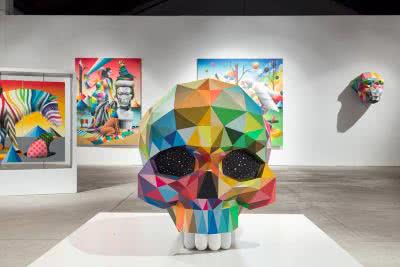
/kənˈtem.pə.rer.i/
(adjective) 同時代の, 同時の, 現代の;
(noun) 同時代人, 同僚
例:
The artist's work is often compared to that of his contemporary peers.
その芸術家の作品は、しばしば彼の同時代の仲間たちの作品と比較される。
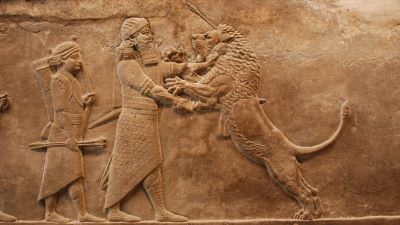
/ˌmes.ə.pəˈteɪ.mi.ə/
(noun) メソポタミア
例:
The first writing systems were developed in Mesopotamia.
最初の文字体系はメソポタミアで発達しました。
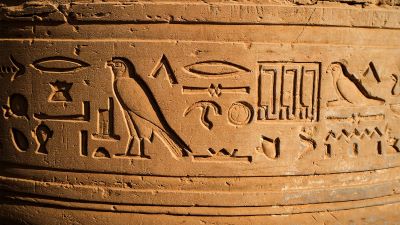
/ˈhaɪ.roʊ.ɡlɪf/
(noun) 象形文字, ヒエログリフ, 判読しがたい文字
例:
The walls of the tomb were covered in ancient hieroglyphs.
墓の壁は古代の象形文字で覆われていた。
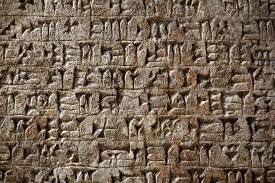
/ˌpriːˈdeɪt/
(verb) より古い, 先行する, 遡及日付にする
例:
These ruins predate the Roman Empire.
これらの遺跡はローマ帝国より古い。
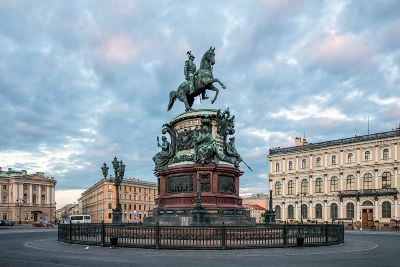
/ˈmɑːn.jə.mənt/
(noun) 記念碑, モニュメント, 永続的な証拠
例:
The Washington Monument is a famous landmark in the United States.
ワシントン記念塔はアメリカ合衆国の有名なランドマークです。
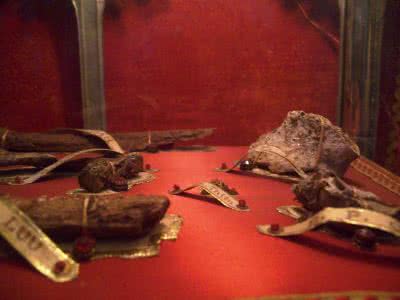
/ˈrel.ɪk/
(noun) 遺物, 遺品, 聖遺物
例:
The old sword was a relic from the medieval era.
その古い剣は中世の遺物だった。
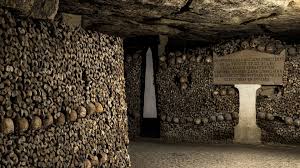
/ˈkæt̬.ə.kuːm/
(noun) カタコンベ, 地下墓地
例:
The tourists explored the ancient catacombs beneath the city of Rome.
観光客はローマの街の地下にある古代のカタコンベを探索した。
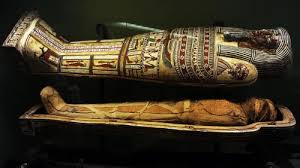
/ˈmʌm.ɪ.faɪ/
(verb) ミイラ化する
例:
The ancient Egyptians used to mummify their pharaohs to prepare them for the afterlife.
古代エジプト人は、死後の世界に備えてファラオをミイラ化していました。
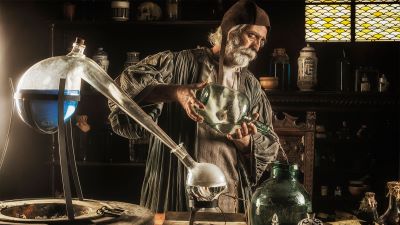
/ˈæl.kə.mi/
(noun) 錬金術, 不思議な変化, 魔法のような過程
例:
Ancient texts describe the pursuit of alchemy to create the philosopher's stone.
古代の文献には、賢者の石を作るための錬金術の追求が記述されている。
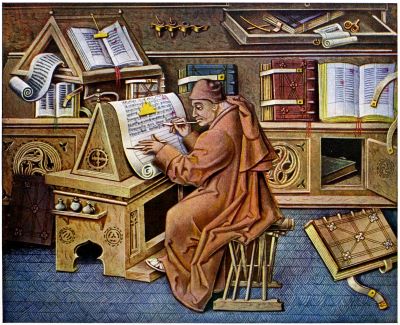
/skraɪb/
(noun) 書記, 写字生, 公証人;
(verb) 罫書く, 印をつける
例:
The ancient scribe meticulously copied the sacred texts.
古代の書記は神聖な文書を細心の注意を払って書き写した。
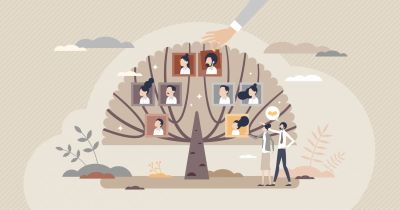
/ænˈses.trəl/
(adjective) 先祖伝来の, 代々の
例:
They returned to their ancestral home in the countryside.
彼らは田舎にある先祖伝来の家に戻った。
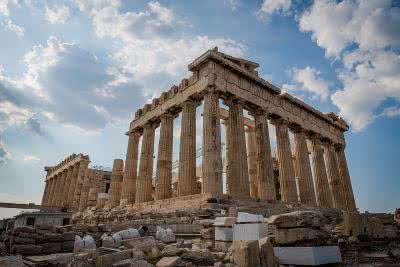

/ˌdʒiː.niˈæl.ə.dʒi/
(noun) 系図学, 家系
例:
She spent years researching her family's genealogy.
彼女は何年もかけて家族の系図を研究した。
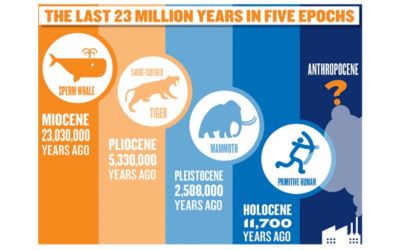
/ˈiː.pɑːk/
(noun) 時代, 紀元, 画期
例:
The invention of the printing press marked a new epoch in human history.
活版印刷の発明は人類史における新たな時代を画した。

/ˈprɑː.vən.əns/
(noun) 来歴, 出所, 起源
例:
The museum is investigating the provenance of the painting.
美術館はその絵画の来歴を調査している。
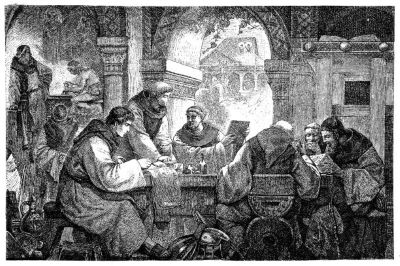
/ˌmed.ˈiː.vəl.ɪst/
(noun) 中世研究者, 中世史家
例:
The medievalist spent years researching 14th-century manuscripts.
その中世研究者は14世紀の写本の研究に何年も費やした。

/ˌɑːr.kiˈɑː.lə.dʒɪst/
(noun) 考古学者
例:
The archeologist carefully unearthed ancient pottery fragments.
考古学者は慎重に古代の陶器の破片を発掘した。
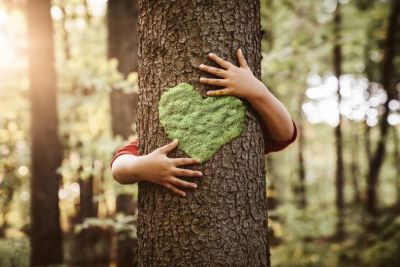
/ˌprez.ɚˈveɪ.ʃən.ɪst/
(noun) 保存活動家, 保護主義者
例:
The local preservationist group fought to save the old theater from demolition.
地元の保存活動家グループは、古い劇場を取り壊しから救うために戦った。
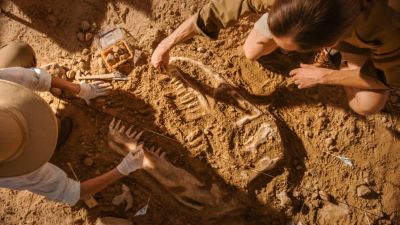
/ˌpeɪ.li.ənˈtɑː.lə.dʒɪst/
(noun) 古生物学者
例:
The paleontologist carefully excavated the dinosaur bones.
その古生物学者は慎重に恐竜の骨を発掘した。
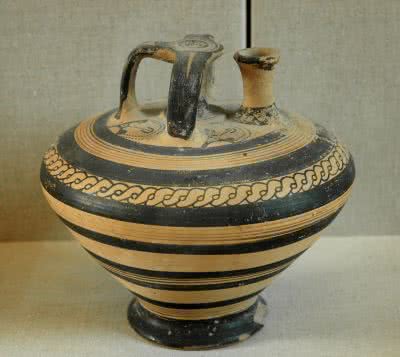
/ˈɑːr.t̬ə.fækt/
(noun) 人工物, 工芸品, アーティファクト
例:
The museum displayed ancient Roman artifacts.
博物館には古代ローマの工芸品が展示されていた。
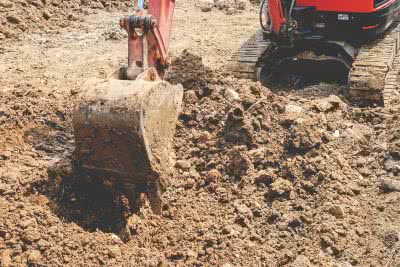
/ˈek.skə.veɪt/
(verb) 掘削する, 発掘する, 掘り出す
例:
They plan to excavate the site for ancient artifacts.
彼らは古代の遺物を求めてその場所を発掘する予定だ。
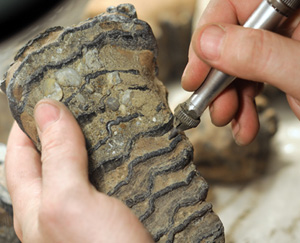
/ˌreɪ.di.oʊˈkɑːr.bən ˈdeɪ.t̬ɪŋ/
(noun) 放射性炭素年代測定
例:
Scientists used radiocarbon dating to determine the age of the ancient bones.
科学者たちは古代の骨の年代を特定するために放射性炭素年代測定を用いた。
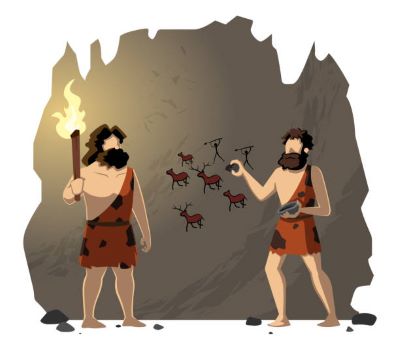
/ˌpeɪ.li.oʊˈlɪθ.ɪk/
(adjective) 旧石器時代の;
(noun) 旧石器時代
例:
Archaeologists discovered several Paleolithic tools in the cave.
考古学者たちはその洞窟でいくつかの旧石器時代の道具を発見した。
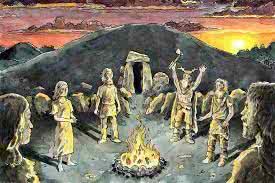
/ˌpriː.hɪˈstɔːr.ɪk/
(adjective) 先史時代, 有史以前の, 時代遅れの
例:
Dinosaurs lived in prehistoric times.
恐竜は先史時代に生きていた。