
SAT 인문학 관련 어휘 내 역사와 고고학 어휘 세트: 완전하고 상세한 목록
'SAT 인문학 관련 어휘' 내 '역사와 고고학' 어휘 세트는 국제 표준 교재 출처에서 엄선되어 짧은 시간 안에 어휘를 마스터할 수 있도록 도와줍니다. 정의, 예문, 표준 발음을 완벽하게 수록...
Lingoland에서 이 어휘 세트 학습하기
지금 학습하기
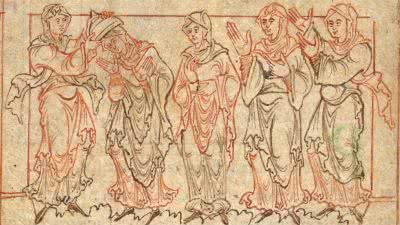
/ˈren.ə.sɑːns/
(noun) 르네상스, 부흥, 재생
예시:
The Italian Renaissance was a period of great cultural change and achievement.
이탈리아 르네상스는 위대한 문화적 변화와 성취의 시기였다.
/ænˈtɪk.wə.t̬i/
(noun) 고대, 옛날, 오래됨
예시:
The museum houses artifacts from antiquity.
그 박물관은 고대 유물을 소장하고 있다.
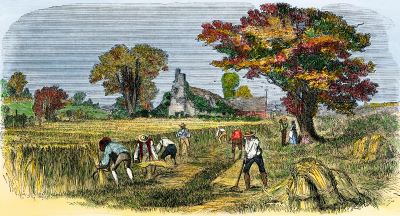
/ˌpriː.ɪnˈdʌs.tri.əl/
(adjective) 산업화 이전의
예시:
In pre-industrial societies, most people worked in agriculture.
산업화 이전 사회에서 대부분의 사람들은 농업에 종사했습니다.
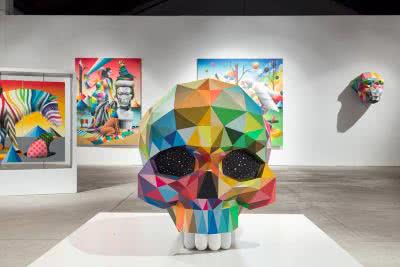
/kənˈtem.pə.rer.i/
(adjective) 동시대의, 동시의, 현대의;
(noun) 동시대인, 동료
예시:
The artist's work is often compared to that of his contemporary peers.
그 예술가의 작품은 종종 그의 동시대 동료들의 작품과 비교된다.
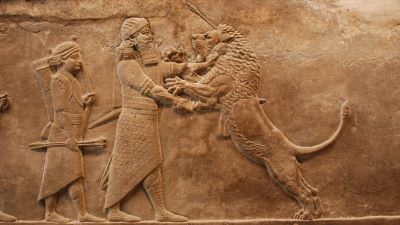
/ˌmes.ə.pəˈteɪ.mi.ə/
(noun) 메소포타미아
예시:
The first writing systems were developed in Mesopotamia.
최초의 문자 체계는 메소포타미아에서 개발되었습니다.
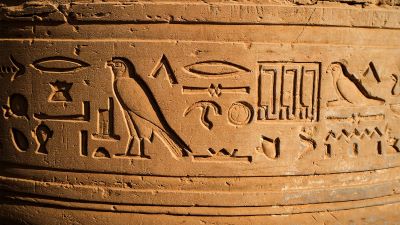
/ˈhaɪ.roʊ.ɡlɪf/
(noun) 상형 문자, 히에로그리프, 알 수 없는 글자
예시:
The walls of the tomb were covered in ancient hieroglyphs.
무덤의 벽은 고대 상형 문자로 뒤덮여 있었다.
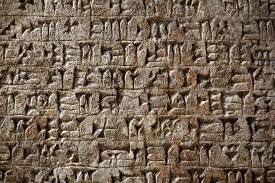
/ˌpriːˈdeɪt/
(verb) ~보다 먼저 존재하다, ~에 앞서다, 날짜를 앞당기다
예시:
These ruins predate the Roman Empire.
이 유적들은 로마 제국 이전의 것이다.
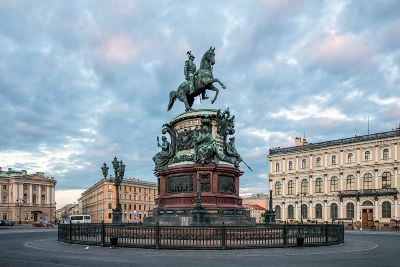
/ˈmɑːn.jə.mənt/
(noun) 기념비, 기념물, 영원한 증거
예시:
The Washington Monument is a famous landmark in the United States.
워싱턴 기념탑은 미국에서 유명한 랜드마크입니다.
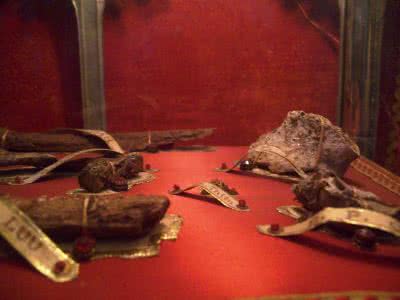
/ˈrel.ɪk/
(noun) 유물, 유적, 성유물
예시:
The old sword was a relic from the medieval era.
그 오래된 검은 중세 시대의 유물이었다.
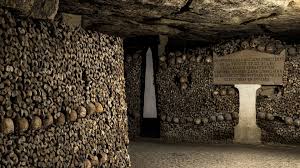
/ˈkæt̬.ə.kuːm/
(noun) 카타콤, 지하 묘지
예시:
The tourists explored the ancient catacombs beneath the city of Rome.
관광객들은 로마 시내 지하에 있는 고대 카타콤을 탐험했다.
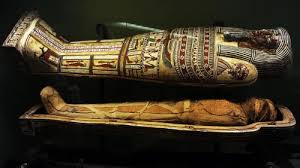
/ˈmʌm.ɪ.faɪ/
(verb) 미이라로 만들다
예시:
The ancient Egyptians used to mummify their pharaohs to prepare them for the afterlife.
고대 이집트인들은 사후 세계를 준비하기 위해 파라오를 미이라로 만들곤 했습니다.
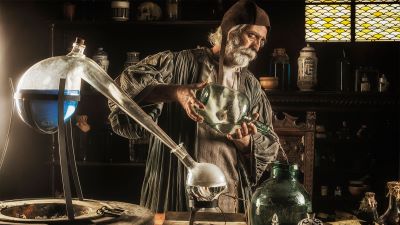
/ˈæl.kə.mi/
(noun) 연금술, 마법 같은 변화, 신비한 과정
예시:
Ancient texts describe the pursuit of alchemy to create the philosopher's stone.
고대 문헌들은 현자의 돌을 만들기 위한 연금술의 추구를 묘사한다.
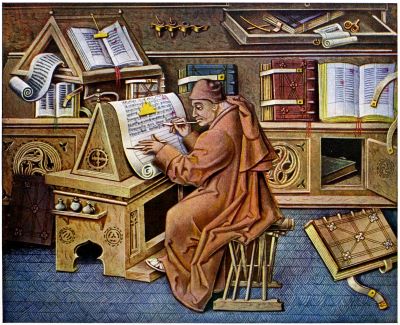
/skraɪb/
(noun) 서기관, 필경사, 공증인;
(verb) 긋다, 표시하다
예시:
The ancient scribe meticulously copied the sacred texts.
고대 서기관은 신성한 문서를 꼼꼼하게 필사했다.
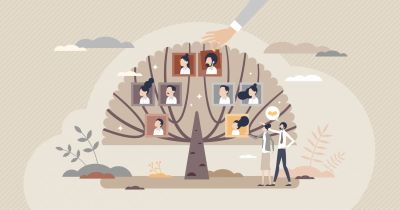
/ænˈses.trəl/
(adjective) 조상의, 대대로 내려오는
예시:
They returned to their ancestral home in the countryside.
그들은 시골에 있는 조상 전래의 집으로 돌아갔다.
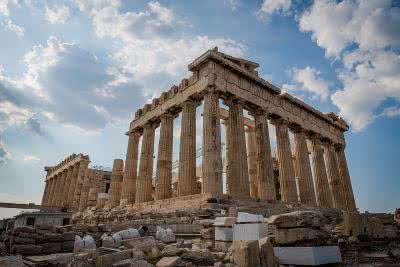
/ˈeɪn.ʃənt/
(adjective) 고대의, 옛날의, 오래된
예시:
The pyramids are ancient structures.
피라미드는 고대 건축물이다.

/ˌdʒiː.niˈæl.ə.dʒi/
(noun) 족보학, 계보
예시:
She spent years researching her family's genealogy.
그녀는 가족의 족보를 연구하는 데 수년을 보냈다.
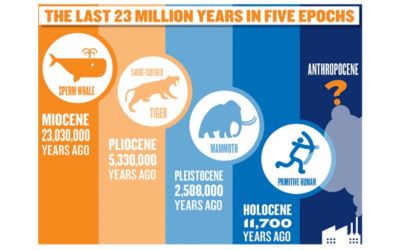
/ˈiː.pɑːk/
(noun) 시대, 시기, 획기적인 사건
예시:
The invention of the printing press marked a new epoch in human history.
인쇄술의 발명은 인류 역사에 새로운 시대를 열었다.

/ˈprɑː.vən.əns/
(noun) 출처, 유래
예시:
The museum is investigating the provenance of the painting.
박물관은 그 그림의 출처를 조사하고 있다.
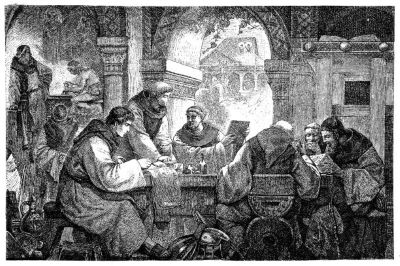
/ˌmed.ˈiː.vəl.ɪst/
(noun) 중세 사학자, 중세 연구가
예시:
The medievalist spent years researching 14th-century manuscripts.
그 중세 사학자는 14세기 필사본을 연구하는 데 수년을 보냈다.

/ˌɑːr.kiˈɑː.lə.dʒɪst/
(noun) 고고학자
예시:
The archeologist carefully unearthed ancient pottery fragments.
고고학자는 고대 도자기 조각들을 조심스럽게 발굴했다.
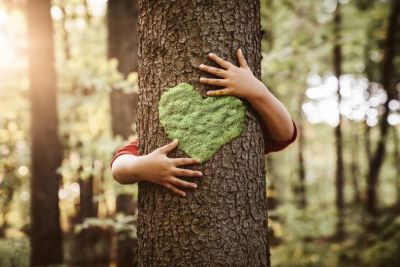
/ˌprez.ɚˈveɪ.ʃən.ɪst/
(noun) 보존주의자, 환경 보호론자
예시:
The local preservationist group fought to save the old theater from demolition.
지역 보존주의자 단체는 오래된 극장을 철거로부터 구하기 위해 싸웠다.
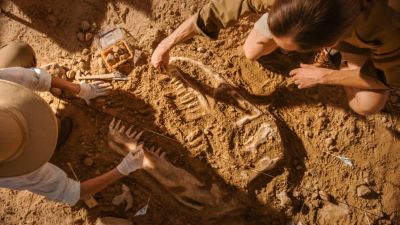
/ˌpeɪ.li.ənˈtɑː.lə.dʒɪst/
(noun) 고생물학자
예시:
The paleontologist carefully excavated the dinosaur bones.
그 고생물학자는 공룡 뼈를 조심스럽게 발굴했다.
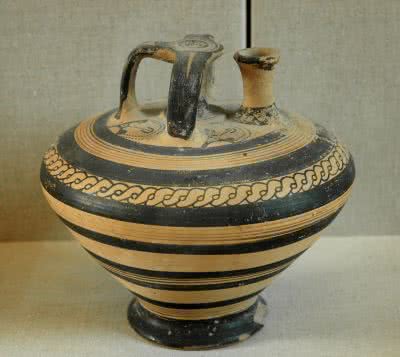
/ˈɑːr.t̬ə.fækt/
(noun) 유물, 인공물, 아티팩트
예시:
The museum displayed ancient Roman artifacts.
박물관은 고대 로마 유물을 전시했다.
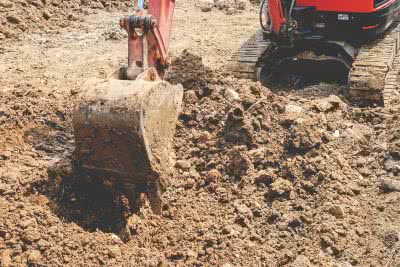
/ˈek.skə.veɪt/
(verb) 발굴하다, 굴착하다, 밝혀내다
예시:
They plan to excavate the site for ancient artifacts.
그들은 고대 유물을 찾기 위해 그 장소를 발굴할 계획이다.
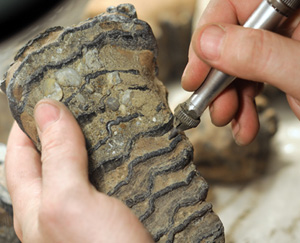
/ˌreɪ.di.oʊˈkɑːr.bən ˈdeɪ.t̬ɪŋ/
(noun) 방사성 탄소 연대 측정법
예시:
Scientists used radiocarbon dating to determine the age of the ancient bones.
과학자들은 고대 뼈의 연대를 측정하기 위해 방사성 탄소 연대 측정법을 사용했다.
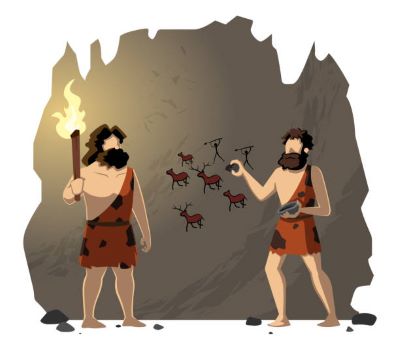
/ˌpeɪ.li.oʊˈlɪθ.ɪk/
(adjective) 구석기 시대의;
(noun) 구석기 시대
예시:
Archaeologists discovered several Paleolithic tools in the cave.
고고학자들은 동굴에서 여러 개의 구석기 시대 도구를 발견했다.
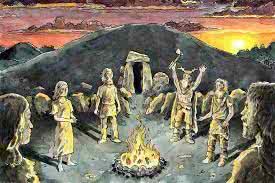
/ˌpriː.hɪˈstɔːr.ɪk/
(adjective) 선사 시대의, 구식의, 원시적인
예시:
Dinosaurs lived in prehistoric times.
공룡은 선사 시대에 살았다.