
詞彙集 歷史與考古(屬於 SAT人文相關詞彙):完整且詳細的清單
詞彙集「歷史與考古」(屬於「SAT人文相關詞彙」)從國際標準教材來源精心挑選,幫助您在短時間內掌握詞彙。全面彙整定義、例句及標準發音…
在 Lingoland 學習此詞彙集
立即學習
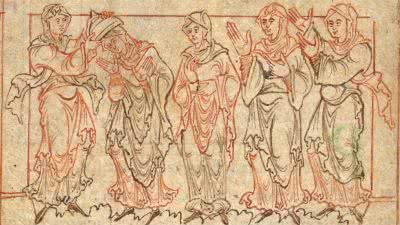
/ˈren.ə.sɑːns/
(noun) 文藝復興, 復興, 再生
範例:
The Italian Renaissance was a period of great cultural change and achievement.
義大利文藝復興是一個文化發生巨大變化和取得巨大成就的時期。
/ænˈtɪk.wə.t̬i/
(noun) 古代, 古時, 古老性
範例:
The museum houses artifacts from antiquity.
博物館收藏著來自古代的文物。
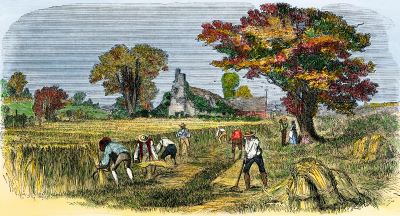
/ˌpriː.ɪnˈdʌs.tri.əl/
(adjective) 前工業的, 工業化前的
範例:
In pre-industrial societies, most people worked in agriculture.
在前工業社會,大多數人從事農業工作。

/kənˈtem.pə.rer.i/
(adjective) 同時代的, 當代的, 現代的;
(noun) 同時代的人, 同輩
範例:
The artist's work is often compared to that of his contemporary peers.
這位藝術家的作品常與他同時代的同行相比較。
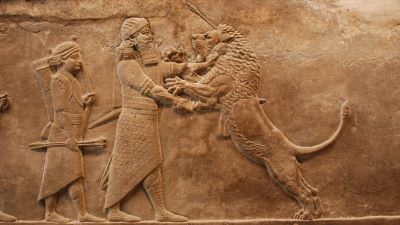
/ˌmes.ə.pəˈteɪ.mi.ə/
(noun) 美索不達米亞
範例:
The first writing systems were developed in Mesopotamia.
最早的文字系統是在美索不達米亞發展起來的。
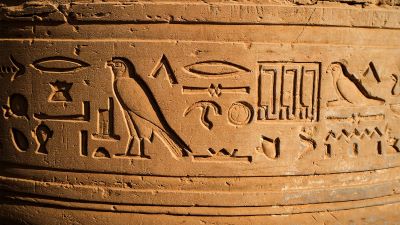
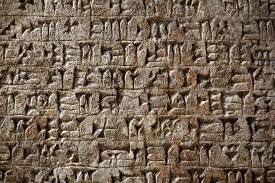
/ˈhaɪ.roʊ.ɡlɪf/
(noun) 象形文字, 聖書體, 難辨認的文字
範例:
The walls of the tomb were covered in ancient hieroglyphs.
墓室的牆上布滿了古代象形文字。
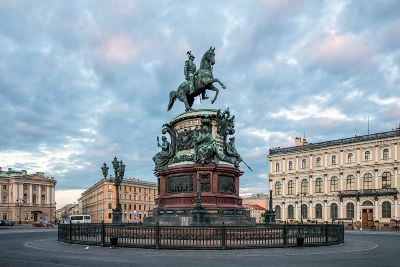
/ˈmɑːn.jə.mənt/
(noun) 紀念碑, 紀念物, 不朽的證據
範例:
The Washington Monument is a famous landmark in the United States.
華盛頓紀念碑是美國著名的地標。
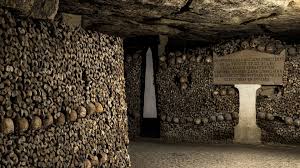
/ˈkæt̬.ə.kuːm/
(noun) 地下墓穴
範例:
The tourists explored the ancient catacombs beneath the city of Rome.
遊客們探索了羅馬城下的古代地下墓穴。
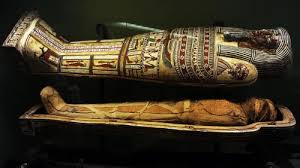
/ˈmʌm.ɪ.faɪ/
(verb) 木乃伊化, 把...製成木乃伊
範例:
The ancient Egyptians used to mummify their pharaohs to prepare them for the afterlife.
古埃及人過去常木乃伊化他們的法老,為他們的來世做準備。

/ˈæl.kə.mi/
(noun) 煉金術, 點金術, 神奇的轉變
範例:
Ancient texts describe the pursuit of alchemy to create the philosopher's stone.
古代文獻描述了追求煉金術以製造賢者之石。

/skraɪb/
(noun) 抄寫員, 文書, 公證人;
(verb) 劃線, 刻畫
範例:
The ancient scribe meticulously copied the sacred texts.
古代抄寫員一絲不苟地抄寫著神聖的文本。

/ænˈses.trəl/
(adjective) 祖傳的, 祖先的
範例:
They returned to their ancestral home in the countryside.
他們回到了位於鄉下的祖傳老宅。
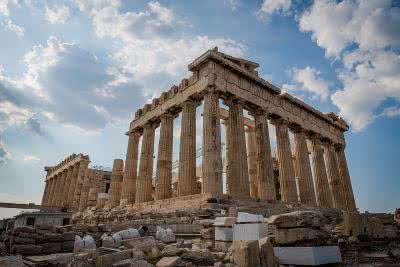

/ˌdʒiː.niˈæl.ə.dʒi/
(noun) 家譜學, 系譜
範例:
She spent years researching her family's genealogy.
她花了數年時間研究家族的家譜。
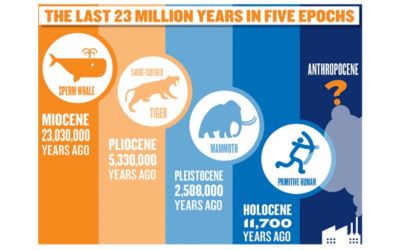
/ˈiː.pɑːk/
(noun) 時代, 紀元, 時期
範例:
The invention of the printing press marked a new epoch in human history.
印刷機的發明標誌著人類歷史的一個新紀元。

/ˈprɑː.vən.əns/
(noun) 出處, 起源
範例:
The museum is investigating the provenance of the painting.
博物館正在調查這幅畫的出處。
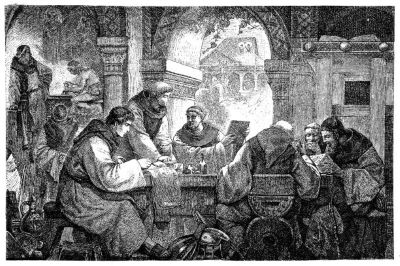
/ˌmed.ˈiː.vəl.ɪst/
(noun) 中世史專家, 中世紀研究者
範例:
The medievalist spent years researching 14th-century manuscripts.
這位中世史專家花了几年的時間研究14世紀的手稿。

/ˌɑːr.kiˈɑː.lə.dʒɪst/
(noun) 考古學家
範例:
The archeologist carefully unearthed ancient pottery fragments.
這位考古學家小心翼翼地挖掘出古代陶器碎片。

/ˌprez.ɚˈveɪ.ʃən.ɪst/
(noun) 文物保護主義者, 自然保護主義者
範例:
The local preservationist group fought to save the old theater from demolition.
當地的文物保護主義者團體為保護老劇院免遭拆除而奮鬥。
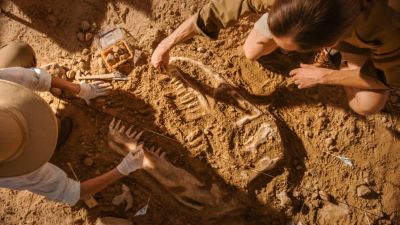
/ˌpeɪ.li.ənˈtɑː.lə.dʒɪst/
(noun) 古生物學家
範例:
The paleontologist carefully excavated the dinosaur bones.
這位古生物學家小心翼翼地挖掘著恐龍骨骼。
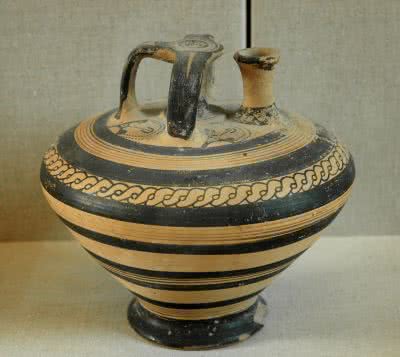
/ˈɑːr.t̬ə.fækt/
(noun) 文物, 人工製品, 偽影
範例:
The museum displayed ancient Roman artifacts.
博物館展出了古羅馬文物。
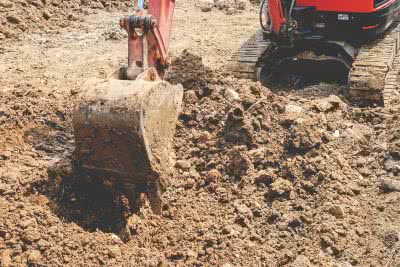
/ˈek.skə.veɪt/
(verb) 挖掘, 開鑿, 發掘
範例:
They plan to excavate the site for ancient artifacts.
他們計劃挖掘該遺址以尋找古代文物。
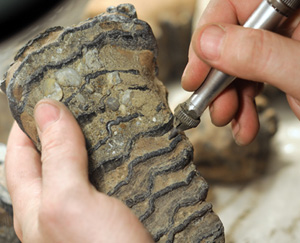
/ˌreɪ.di.oʊˈkɑːr.bən ˈdeɪ.t̬ɪŋ/
(noun) 放射性碳定年法, 碳14定年法
範例:
Scientists used radiocarbon dating to determine the age of the ancient bones.
科學家們使用放射性碳定年法來確定這些古老骨骼的年代。
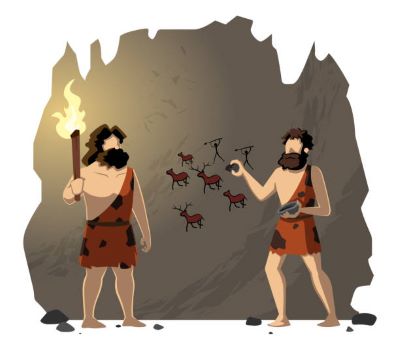
/ˌpeɪ.li.oʊˈlɪθ.ɪk/
(adjective) 舊石器時代的;
(noun) 舊石器時代
範例:
Archaeologists discovered several Paleolithic tools in the cave.
考古學家在洞穴中發現了幾個舊石器時代的工具。
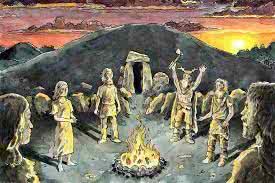
/ˌpriː.hɪˈstɔːr.ɪk/
(adjective) 史前的, 老舊的, 原始的
範例:
Dinosaurs lived in prehistoric times.
恐龍生活在史前時代。