
词汇集 历史与考古(属于 SAT人文相关词汇):完整且详细的清单
词汇集「历史与考古」(属于「SAT人文相关词汇」)从国际标准教材来源精心挑选,帮助您在短时间内掌握词汇。全面汇整定义、例句及标准发音…
在 Lingoland 学习此词汇集
立即学习
/ˈren.ə.sɑːns/
(noun) 文艺复兴, 复兴, 再生
示例:
The Italian Renaissance was a period of great cultural change and achievement.
意大利文艺复兴是一个文化发生巨大变化和取得巨大成就的时期。
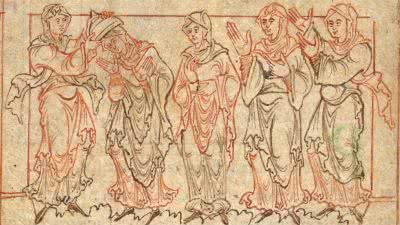
/ænˈtɪk.wə.t̬i/
(noun) 古代, 古时, 古老性
示例:
The museum houses artifacts from antiquity.
博物馆收藏着来自古代的文物。
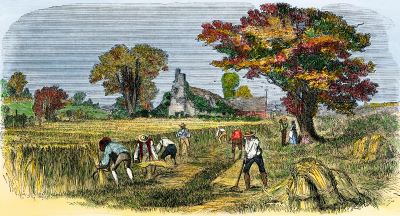
/ˌpriː.ɪnˈdʌs.tri.əl/
(adjective) 前工业的, 工业化前的
示例:
In pre-industrial societies, most people worked in agriculture.
在前工业社会,大多数人从事农业工作。

/kənˈtem.pə.rer.i/
(adjective) 同时代的, 当代的, 现代的;
(noun) 同时代的人, 同辈
示例:
The artist's work is often compared to that of his contemporary peers.
这位艺术家的作品常与他同时代的同行相比较。
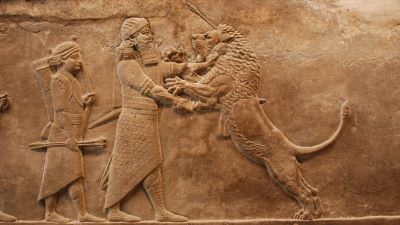
/ˌmes.ə.pəˈteɪ.mi.ə/
(noun) 美索不达米亚
示例:
The first writing systems were developed in Mesopotamia.
最早的文字系统是在美索不达米亚发展起来的。
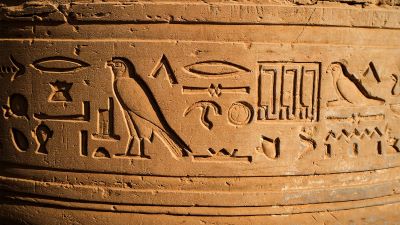
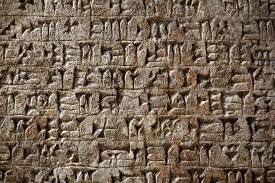
/ˈhaɪ.roʊ.ɡlɪf/
(noun) 象形文字, 圣书体, 难辨认的文字
示例:
The walls of the tomb were covered in ancient hieroglyphs.
墓室的墙上布满了古代象形文字。
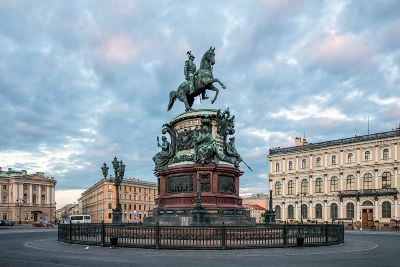
/ˈmɑːn.jə.mənt/
(noun) 纪念碑, 纪念物, 不朽的证据
示例:
The Washington Monument is a famous landmark in the United States.
华盛顿纪念碑是美国著名的地标。
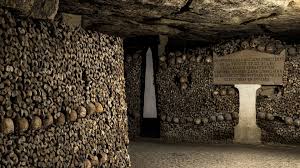
/ˈkæt̬.ə.kuːm/
(noun) 地下墓穴
示例:
The tourists explored the ancient catacombs beneath the city of Rome.
游客们探索了罗马城下的古代地下墓穴。
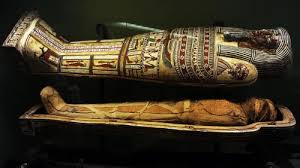
/ˈmʌm.ɪ.faɪ/
(verb) 木乃伊化, 把...制成木乃伊
示例:
The ancient Egyptians used to mummify their pharaohs to prepare them for the afterlife.
古埃及人过去常木乃伊化他们的法老,为他们的来世做准备。

/ˈæl.kə.mi/
(noun) 炼金术, 点金术, 神奇的转变
示例:
Ancient texts describe the pursuit of alchemy to create the philosopher's stone.
古代文献描述了追求炼金术以制造贤者之石。

/skraɪb/
(noun) 抄写员, 文书, 公证人;
(verb) 划线, 刻画
示例:
The ancient scribe meticulously copied the sacred texts.
古代抄写员一丝不苟地抄写着神圣的文本。

/ænˈses.trəl/
(adjective) 祖传的, 祖先的
示例:
They returned to their ancestral home in the countryside.
他们回到了位于乡下的祖传老宅。
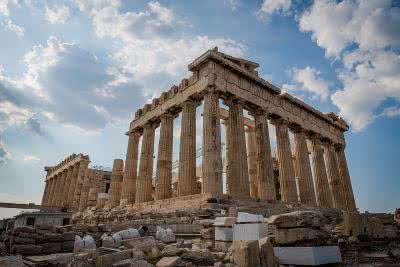

/ˌdʒiː.niˈæl.ə.dʒi/
(noun) 家谱学, 系谱
示例:
She spent years researching her family's genealogy.
她花了数年时间研究家族的家谱。
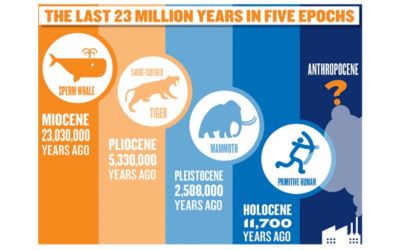
/ˈiː.pɑːk/
(noun) 时代, 纪元, 时期
示例:
The invention of the printing press marked a new epoch in human history.
印刷机的发明标志着人类历史的一个新纪元。

/ˈprɑː.vən.əns/
(noun) 出处, 起源
示例:
The museum is investigating the provenance of the painting.
博物馆正在调查这幅画的出处。
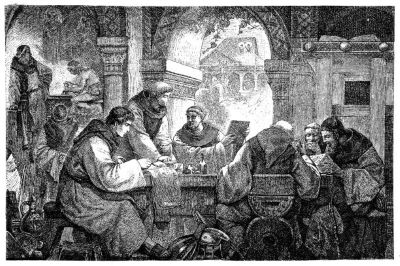
/ˌmed.ˈiː.vəl.ɪst/
(noun) 中世史专家, 中世纪研究者
示例:
The medievalist spent years researching 14th-century manuscripts.
这位中世史专家花了几年的时间研究14世纪的手稿。

/ˌɑːr.kiˈɑː.lə.dʒɪst/
(noun) 考古学家
示例:
The archeologist carefully unearthed ancient pottery fragments.
这位考古学家小心翼翼地挖掘出古代陶器碎片。

/ˌprez.ɚˈveɪ.ʃən.ɪst/
(noun) 文物保护主义者, 自然保护主义者
示例:
The local preservationist group fought to save the old theater from demolition.
当地的文物保护主义者团体为保护老剧院免遭拆除而奋斗。
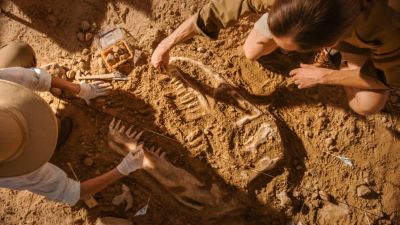
/ˌpeɪ.li.ənˈtɑː.lə.dʒɪst/
(noun) 古生物学家
示例:
The paleontologist carefully excavated the dinosaur bones.
这位古生物学家小心翼翼地挖掘着恐龙骨骼。
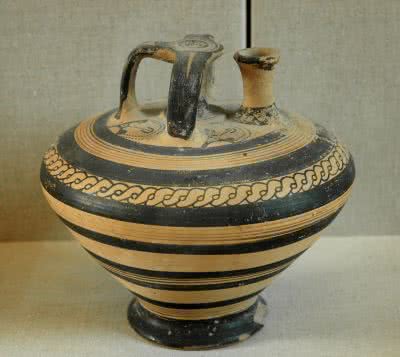
/ˈɑːr.t̬ə.fækt/
(noun) 文物, 人工制品, 伪影
示例:
The museum displayed ancient Roman artifacts.
博物馆展出了古罗马文物。
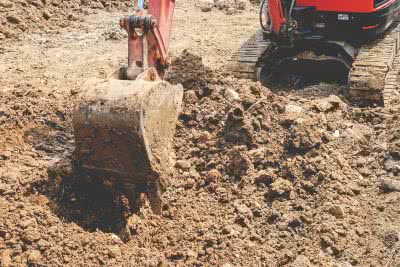
/ˈek.skə.veɪt/
(verb) 挖掘, 开凿, 发掘
示例:
They plan to excavate the site for ancient artifacts.
他们计划挖掘该遗址以寻找古代文物。
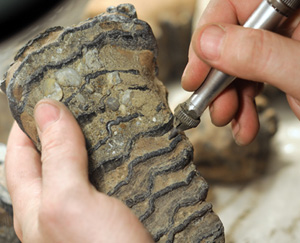
/ˌreɪ.di.oʊˈkɑːr.bən ˈdeɪ.t̬ɪŋ/
(noun) 放射性碳定年法, 碳14定年法
示例:
Scientists used radiocarbon dating to determine the age of the ancient bones.
科学家们使用放射性碳定年法来确定这些古老骨骼的年代。
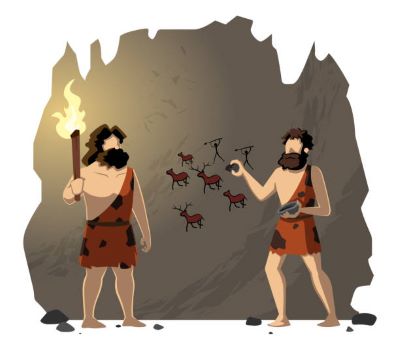
/ˌpeɪ.li.oʊˈlɪθ.ɪk/
(adjective) 旧石器时代的;
(noun) 旧石器时代
示例:
Archaeologists discovered several Paleolithic tools in the cave.
考古学家在洞穴中发现了几个旧石器时代的工具。
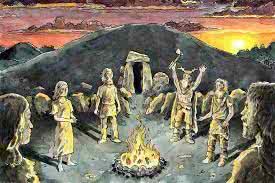
/ˌpriː.hɪˈstɔːr.ɪk/
(adjective) 史前的, 老旧的, 原始的
示例:
Dinosaurs lived in prehistoric times.
恐龙生活在史前时代。