Avatar of Vocabulary Set 活動と行動

人文科学に関連するSAT語彙 内 活動と行動 語彙セット:完全かつ詳細なリスト

「人文科学に関連するSAT語彙」内の「活動と行動」語彙セットは国際標準教材から厳選され、短期間で語彙をマスターできます。定義、例文、標準発音を網羅…

Lingolandでこの語彙セットを学習

今すぐ学習

entice

/ɪnˈtaɪs/

(verb) 誘惑する, 誘い込む, 引きつける

例:

The smell of freshly baked bread enticed him into the bakery.
焼きたてのパンの匂いが彼をパン屋に誘い込んだ

galvanize

/ˈɡæl.və.naɪz/

(verb) 活気づける, 刺激する, 亜鉛メッキする

例:

The urgency of the situation helped galvanize the community into action.
状況の緊急性が、コミュニティを活気づけ行動へと駆り立てた。

impel

/ɪmˈpel/

(verb) 駆り立てる, 強いる, 推進させる

例:

I feel impelled to help those in need.
困っている人々を助けずにはいられない気持ちに駆られています。

spur

/spɝː/

(noun) 拍車, 尾根, 支脈;

(verb) 促進する, 駆り立てる, 拍車をかける

例:
The cowboy dug his spurs into the horse's flanks.
カウボーイは馬の脇腹に拍車をかけた。

urge

/ɝːdʒ/

(noun) 衝動, 欲求, 強い願望;

(verb) 促す, 強く勧める, 駆り立てる

例:

He felt a sudden urge to travel.
彼は突然旅行したいという衝動に駆られた。

coax

/koʊks/

(verb) なだめる, 説得する, おだてる

例:

He tried to coax her into singing.
彼は彼女を歌うように説得しようとした

persuade

/pɚˈsweɪd/

(verb) 説得する, 納得させる, 確信させる

例:

She tried to persuade him to change his mind.
彼女は彼に考えを変えるよう説得しようとした。

dissuade

/dɪˈsweɪd/

(verb) 思いとどまらせる, やめさせる

例:

I tried to dissuade him from quitting his job.
彼に仕事を辞めるのを思いとどまらせようとした。

dabble

/ˈdæb.əl/

(verb) 手を出す, かじる, 浸す

例:

She likes to dabble in painting during her free time.
彼女は暇なときに絵画に手を出すのが好きだ。

partake

/pɑːrˈteɪk/

(verb) 食べる, 飲む, 一部である

例:

He was invited to partake of the feast.
彼はごちそうを食べるように招かれた。

venture

/ˈven.tʃɚ/

(noun) ベンチャー, 冒険, 事業;

(verb) 思い切ってする, 冒険する, あえて言う

例:

Their latest business venture failed.
彼らの最新のビジネスベンチャーは失敗した。

emulate

/ˈem.jə.leɪt/

(verb) 模倣する, 見習う, 匹敵する

例:

She tried to emulate her favorite singer's vocal style.
彼女はお気に入りの歌手の歌唱スタイルを模倣しようとした。

mimic

/ˈmɪm.ɪk/

(verb) 模倣する, 真似る, 似る;

(noun) 模倣者, 物真似師, 模倣品;

(adjective) 模倣的な, 真似た

例:

She could mimic anyone's voice perfectly.
彼女は誰の声でも完璧に模倣することができた。

imitate

/ˈɪm.ə.teɪt/

(verb) 模倣する, 真似る

例:

Many young artists imitate their favorite painters.
多くの若い芸術家は、お気に入りの画家を模倣します

tease

/tiːz/

(verb) からかう, いじめる, 逆毛を立てる;

(noun) からかい屋, じらす人

例:

The children love to tease their dog by hiding its toys.
子供たちは犬のおもちゃを隠してからかうのが大好きです。

tantalize

/ˈtæn.ə.laɪz/

(verb) じらす, 見せびらかしてじらす

例:

The delicious aroma of freshly baked bread continued to tantalize him.
焼きたてのパンの美味しそうな香りが彼をじらし続けた。

belie

/bɪˈlaɪ/

(verb) 裏切る, 偽る, 矛盾する

例:

His cheerful smile belied his inner sadness.
彼の陽気な笑顔は内なる悲しみを裏切っていた

bombard

/bɑːmˈbɑːrd/

(verb) 砲撃する, 爆撃する, 浴びせる

例:

The enemy began to bombard the city with artillery.
敵は砲兵で都市を砲撃し始めた。

lurk

/lɝːk/

(verb) 潜む, 隠れる, 隠れている

例:

A dangerous predator might lurk in the shadows.
危険な捕食者が影に潜んでいるかもしれない。

inclination

/ˌɪn.kləˈneɪ.ʃən/

(noun) 傾向, 好み, 意向

例:

He followed his inclination to become an artist.
彼は芸術家になりたいという自分の傾向に従った。

tendency

/ˈten.dən.si/

(noun) 傾向, 性向, 趨勢

例:

He has a tendency to procrastinate.
彼には先延ばしにする傾向がある。

propensity

/prəˈpen.sə.t̬i/

(noun) 傾向, 性向, 素質

例:

He has a propensity for getting into trouble.
彼にはトラブルに巻き込まれる傾向がある。

temperament

/ˈtem.pɚ.ə.mənt/

(noun) 気質, 気性, 性質

例:

She has a fiery temperament and can get angry easily.
彼女は激しい気性で、すぐに怒ることがある。

caprice

/kəˈpriːs/

(noun) 気まぐれ, 移り気

例:

Her decision to quit her job was a mere caprice.
彼女が仕事を辞める決心をしたのは、単なる気まぐれだった。

ritual

/ˈrɪtʃ.u.əl/

(noun) 儀式, 祭式, 日課;

(adjective) 儀式的な, 祭式の

例:

The ancient tribe performed a sacred ritual to honor their ancestors.
古代の部族は祖先を敬うために神聖な儀式を行った。

regimen

/ˈredʒ.ə.mən/

(noun) レジメン, 治療計画, 養生法

例:

The doctor prescribed a strict regimen of diet and exercise.
医師は厳格な食事と運動のレジメンを処方した。

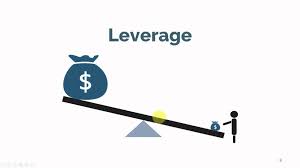
leverage

/ˈlev.ɚ.ɪdʒ/

(noun) てこ, 影響力, 優位性;

(verb) 活用する, 利用する

例:
The company used its brand recognition as leverage to enter new markets.
その会社はブランド認知度をてこにして新しい市場に参入した。

moderation

/ˌmɑː.dəˈreɪ.ʃən/

(noun) 節度, 中庸, 緩和

例:

Everything in moderation, including moderation.
節度を持って何事も、節度も含む。

sensitivity

/ˌsen.səˈtɪv.ə.t̬i/

(noun) 感度, 感受性, 配慮

例:

The new device has high sensitivity to light.
新しいデバイスは光に対する感度が高い。

ambivalence

/æmˈbɪv.ə.ləns/

(noun) 両価性, アンビバレンス, 相反する感情

例:

Her ambivalence about the job offer made her hesitate.
仕事のオファーに対する彼女の両価性は、彼女をためらわせた。

upbringing

/ˈʌpˌbrɪŋ.ɪŋ/

(noun) しつけ, 育ち

例:

She had a strict upbringing.
彼女は厳しいしつけを受けて育った。

uproar

/ˈʌp.rɔːr/

(noun) 騒動, 騒ぎ, 混乱

例:

The announcement caused an immediate uproar among the crowd.
その発表は群衆の間で即座に騒動を引き起こした。

rote

/roʊt/

(noun) 丸暗記, 機械的な暗記

例:

He learned the poem by rote.
彼はその詩を丸暗記で覚えた。

semblance

/ˈsem.bləns/

(noun) うわべ, 外見

例:

She tried to maintain some semblance of order in the classroom.
彼女は教室で何とかうわべだけの秩序を保とうとした。

treatment

/ˈtriːt.mənt/

(noun) 扱い, 対応, 治療

例:

She received excellent treatment from the hospital staff.
彼女は病院のスタッフから素晴らしい対応を受けた。

paranoiac

/ˌper.əˈnɔɪ.æk/

(adjective) 偏執狂的な, パラノイアの;

(noun) 偏執狂, パラノイア患者

例:

He has a paranoiac fear that everyone is out to get him.
彼は誰もが自分を陥れようとしているという偏執狂的な恐怖を抱いている。

competitive

/kəmˈpet̬.ə.t̬ɪv/

(adjective) 競争の, 競争力のある, 競争心の強い

例:

The company operates in a highly competitive market.
その会社は非常に競争の激しい市場で事業を展開している。

participatory

/pɑːrˈtɪs.ə.pəˌtɔːr.i/

(adjective) 参加型, 参加の

例:

The workshop was highly participatory, with everyone contributing ideas.
そのワークショップは非常に参加型で、全員がアイデアを出し合った。

frenetic

/frəˈnet̬.ɪk/

(adjective) 熱狂的な, 慌ただしい

例:

The city has a frenetic pace of life.
その街は熱狂的で慌ただしい生活ペースだ。

rowdy

/ˈraʊ.di/

(adjective) 騒々しい, 乱暴な;

(noun) 乱暴者, あばれ者

例:

The rowdy crowd started throwing bottles onto the field.
騒々しい群衆がフィールドにボトルを投げ入れ始めた。

adventurous

/ədˈven.tʃɚ.əs/

(adjective) 冒険好きな, 大胆な

例:

She's an adventurous traveler who loves exploring new cultures.
彼女は新しい文化を探求するのが好きな冒険好きな旅行者です。

vibrant

/ˈvaɪ.brənt/

(adjective) 活気に満ちた, 生き生きとした, 鮮やかな

例:

She has a vibrant personality.
彼女は活気に満ちた性格をしている。

addictive

/əˈdɪk.tɪv/

(adjective) 中毒性の, 病みつきになる

例:

Nicotine is a highly addictive substance.
ニコチンは非常に中毒性の高い物質です。

impetuous

/ɪmˈpetʃ.u.əs/

(adjective) 衝動的な, 軽率な

例:

His impetuous decision to quit his job without a plan led to financial difficulties.
計画なしに仕事を辞めるという彼の衝動的な決断は、経済的困難につながった。

expeditious

/ˌek.spəˈdɪʃ.əs/

(adjective) 迅速な, 手早い, 効率的な

例:

The company provided an expeditious solution to the customer's problem.
その会社は顧客の問題に迅速な解決策を提供した。

brisk

/brɪsk/

(adjective) きびきびした, 活発な, 活気のある

例:

She set off at a brisk pace.
彼女はきびきびとした足取りで出発した。

undercover

/ˌʌn.dɚˈkʌv.ɚ/

(adjective) おとり捜査の, 秘密の;

(adverb) おとり捜査で, 秘密裏に

例:

The police officer went undercover to infiltrate the criminal organization.
警察官は犯罪組織に潜入するためおとり捜査を行った。

sedentary

/ˈsed.ən.ter.i/

(adjective) 座りがちな, 運動不足の, あまり活動的でない

例:

A sedentary lifestyle can lead to various health problems.
座りがちな生活様式は様々な健康問題を引き起こす可能性があります。

tumultuous

/tuːˈmʌl.tʃu.əs/

(adjective) 騒々しい, 激動の, 混乱した

例:

The crowd gave the band a tumultuous welcome.
群衆はバンドに騒々しい歓迎を与えた。

sedate

/səˈdeɪt/

(adjective) 落ち着いた, 穏やかな;

(verb) 鎮静させる, 落ち着かせる

例:

The village had a sedate atmosphere.
その村は落ち着いた雰囲気だった。

hectic

/ˈhek.tɪk/

(adjective) 多忙な, 慌ただしい

例:

I've had a pretty hectic day.
今日はかなり忙しい一日だった。

responsive

/rɪˈspɑːn.sɪv/

(adjective) 反応が良い, 迅速な, 応答する

例:

The company is very responsive to customer feedback.
その会社は顧客のフィードバックに非常に迅速に対応します。

hands-on

/ˌhændzˈɑːn/

(adjective) 実践的な, 実地

例:

The course provides hands-on training with real equipment.
このコースでは、実際の機器を使った実践的なトレーニングが提供されます。

bungled

/ˈbʌŋ.ɡəld/

(verb) 台無しにした, しくじった;

(adjective) 失敗した, 台無しになった

例:

The police bungled the investigation, allowing the suspect to escape.
警察は捜査を台無しにし、容疑者を逃がしてしまった。

exploratory

/ekˈsplɑː.rə.tɔːr.i/

(adjective) 探索的な, 予備的な

例:

The doctors performed exploratory surgery to find the cause of the pain.
医師は痛みの原因を突き止めるために探索的な手術を行った。

excursive

/ɪkˈskɜːr.sɪv/

(adjective) 脱線しがちな, とりとめのない

例:

The professor's excursive lecture style made it difficult for students to take structured notes.
教授の脱線しがちな講義スタイルのせいで、学生が体系的なノートを取るのが難しかった。

frivolous

/ˈfrɪv.əl.əs/

(adjective) つまらない, 軽薄な, 浮ついた

例:

She made a frivolous excuse for being late.
彼女は遅刻のつまらない言い訳をした。

single-handedly

/ˌsɪŋ.ɡəlˈhæn.dɪd.li/

(adverb) 独力で, たった一人で

例:

She single-handedly organized the entire conference.
彼女はたった一人で会議全体を運営した。

rigorously

/ˈrɪɡ.ɚ.əs.li/

(adverb) 厳密に, 厳しく, 徹底的に

例:

The new safety procedures were rigorously enforced.
新しい安全手順は厳密に施行された。

strategically

/strəˈtiː.dʒɪ.kəl.i/

(adverb) 戦略的に

例:

The company strategically placed its new store near a busy intersection.
その会社は新しい店舗を交通量の多い交差点の近くに戦略的に配置した。

leisurely

/ˈliː.ʒɚ.li/

(adjective) のんびりした, ゆったりした, くつろいだ;

(adverb) のんびりと, ゆったりと, くつろいで

例:

They took a leisurely stroll through the park.
彼らは公園をのんびり散歩した。

compulsively

/kəmˈpʌl.sɪv.li/

(adverb) 強迫的に, 衝動的に

例:

He compulsively checked his phone every few minutes.
彼は数分ごとに強迫的に携帯電話をチェックした。

tenderly

/ˈten.dɚ.li/

(adverb) 優しく, 愛情を込めて, そっと

例:

He held her hand tenderly.
彼は彼女の手を優しく握った。

studiously

/ˈstuː.di.əs.li/

(adverb) 熱心に, 注意深く, 入念に

例:

She studiously avoided eye contact with him.
彼女は彼とのアイコンタクトを注意深く避けた。
Lingolandでこの語彙セットを学習