Avatar of Vocabulary Set Oxford 5000 - C1 - 文字S

Oxford 5000 - C1 内 Oxford 5000 - C1 - 文字S 語彙セット:完全かつ詳細なリスト

「Oxford 5000 - C1」内の「Oxford 5000 - C1 - 文字S」語彙セットは国際標準教材から厳選され、短期間で語彙をマスターできます。定義、例文、標準発音を網羅…

Lingolandでこの語彙セットを学習

今すぐ学習

sack

/sæk/

(noun) 袋, 麻袋, 解雇;

(verb) 解雇する, クビにする, サックする

例:

He carried a heavy sack of potatoes.
彼は重いジャガイモのを運んだ。

sacred

/ˈseɪ.krɪd/

(adjective) 神聖な, 聖なる, 不可侵の

例:

The temple is a sacred place for worship.
その寺院は礼拝のための神聖な場所です。

sacrifice

/ˈsæk.rə.faɪs/

(noun) 犠牲, 献身, 生贄;

(verb) 犠牲にする, 捧げる, 生贄にする

例:

Parents often make great sacrifices for their children's future.
親は子供たちの将来のために大きな犠牲を払うことが多い。

saint

/seɪnt/

(noun) 聖人, 徳の高い人;

(verb) 聖人にする, 列聖する

例:

Mother Teresa is considered a modern saint.
マザー・テレサは現代の聖人と見なされている。

sake

/seɪk/

(noun) 〜のために, 〜の目的で

例:

They moved to the city for the sake of their children's education.
彼らは子供たちの教育のために都会に引っ越した。

sanction

/ˈsæŋk.ʃən/

(noun) 承認, 許可, 制裁;

(verb) 承認する, 許可する, 制裁する

例:

The government gave its sanction to the new trade agreement.
政府は新しい貿易協定に承認を与えた。

say

/seɪ/

(verb) 言う, 述べる, 意味する;

(noun) 発言権, 意見

例:

He didn't say anything.
彼は何も言わなかった。

scattered

/ˈskæt̬.ɚd/

(adjective) 散らばった, まばらな, 散発的な;

(past participle) まいた, 散らした

例:

There were scattered papers all over the floor.
床中に散らばった紙があった。

sceptical

/ˈskep.tɪ.kəl/

(adjective) 懐疑的な, 疑い深い

例:

I'm sceptical about his claims of winning the lottery.
彼の宝くじ当選の主張には懐疑的だ。

scope

/skoʊp/

(noun) 範囲, 領域, 視野;

(verb) 調査する, 検討する, 評価する

例:

The scope of this project is very broad.
このプロジェクトの範囲は非常に広い。

screw

/skruː/

(noun) ネジ, ひねり, ねじり;

(verb) ネジで固定する, ネジで締める, ひねる

例:

He used a screw to fasten the two pieces of wood together.
彼は2つの木片を固定するためにネジを使った。

scrutiny

/ˈskruː.t̬ən.i/

(noun) 精査, 綿密な調査, 監視

例:

Every detail of the plan came under close scrutiny.
計画のあらゆる詳細が厳密な精査の対象となった。

seal

/siːl/

(noun) シール, 封印, 印章;

(verb) 封をする, 密閉する, 確定する

例:

The broken seal caused the leak.
壊れたシールが漏れの原因だった。

secular

/ˈsek.jə.lɚ/

(adjective) 世俗の, 非宗教的な, 在俗の

例:

The school provides a secular education, not religious instruction.
その学校は宗教教育ではなく、世俗的な教育を提供しています。

seemingly

/ˈsiː.mɪŋ.li/

(adverb) 一見, 見たところ

例:

The problem is seemingly simple, but it's actually quite complex.
その問題は一見単純そうに見えるが、実際はかなり複雑だ。

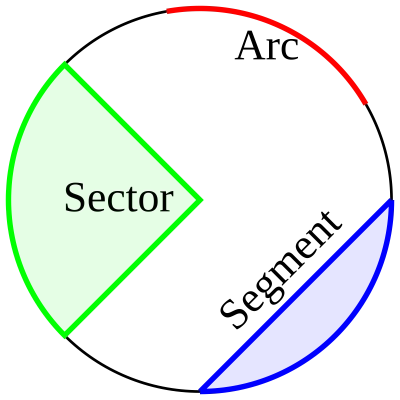
segment

/ˈseɡ.mənt/

(noun) セグメント, 部分, 区分;

(verb) セグメント化する, 分割する

例:

The orange was divided into several segments.
オレンジはいくつかのセグメントに分けられた。

seize

/siːz/

(verb) つかむ, 押収する, 捕らえる

例:

She tried to seize the opportunity.
彼女は機会をつかもうとした。

seldom

/ˈsel.dəm/

(adverb) めったに, ほとんどない

例:

She seldom goes out on weekdays.
彼女は平日にめったに外出しない。

selective

/səˈlek.t̬ɪv/

(adjective) 選択的, 選り好みする, 選抜的な

例:

She is very selective about the books she reads.
彼女は読む本について非常に選択的です。

senator

/ˈsen.ə.t̬ɚ/

(noun) 上院議員

例:

The senator delivered a powerful speech on the floor.
上院議員は議場で力強い演説を行った。

sensation

/senˈseɪ.ʃən/

(noun) 感覚, 知覚, センセーション

例:

She had a strange sensation in her stomach.
彼女は胃に奇妙な感覚があった。

sensitivity

/ˌsen.səˈtɪv.ə.t̬i/

(noun) 感度, 感受性, 配慮

例:

The new device has high sensitivity to light.
新しいデバイスは光に対する感度が高い。

sentiment

/ˈsen.t̬ə.mənt/

(noun) 感情, 意見, 心情

例:

The song evoked a strong sentiment of nostalgia.
その歌は強い郷愁の感情を呼び起こした。

separation

/ˌsep.əˈreɪ.ʃən/

(noun) 分離, 区別, 別居

例:

The separation of church and state is a fundamental principle.
政教分離は基本的な原則です。

serial

/ˈsɪr.i.əl/

(adjective) 連続した, 直列の, 連載の;

(noun) 連載, 連続ドラマ

例:

The library has a serial number for each book.
図書館には各書籍にシリアル番号があります。

settlement

/ˈset̬.əl.mənt/

(noun) 和解, 解決, 集落

例:

The two parties reached a peaceful settlement after long negotiations.
両当事者は長い交渉の末、平和的な和解に達した。

set up

/set ʌp/

(phrasal verb) 設立する, 設置する, 準備する

例:

They plan to set up a new business next year.
彼らは来年、新しいビジネスを立ち上げる予定です。

sexuality

/ˌsek.ʃuˈæl.ə.t̬i/

(noun) セクシュアリティ, 性的指向, 性的感情

例:

The film explores themes of identity and sexuality.
この映画はアイデンティティとセクシュアリティのテーマを探求している。

shareholder

/ˈʃerˌhoʊl.dɚ/

(noun) 株主

例:

The company's annual meeting is open to all shareholders.
会社の年次総会はすべての株主に開かれています。

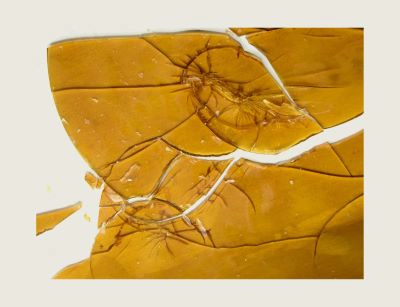
shatter

/ˈʃæt̬.ɚ/

(verb) 粉砕する, 砕け散る, 打ち砕く;

(noun) 粉砕, 破砕

例:

The glass vase fell and shattered on the floor.
ガラスの花瓶が落ちて床に砕け散った

shed

/ʃed/

(noun) 物置, 小屋, 納屋;

(verb) 脱ぎ捨てる, 落とす, 流す

例:

He keeps his gardening tools in the shed.
彼は園芸用品を物置にしまっている。

sheer

/ʃɪr/

(adjective) 純粋な, 全くの, 完全な;

(adverb) 垂直に, まっすぐに;

(verb) 剥がれる, 切れる, 急に方向を変える

例:

The success was due to sheer hard work.
成功は純粋な努力によるものだった。

shipping

/ˈʃɪp.ɪŋ/

(noun) 配送, 輸送, 海運;

(verb) 発送する, 水を取り込む

例:

The company offers free shipping on all orders over $50.
この会社は50ドル以上のすべての注文で無料配送を提供しています。

shoot

/ʃuːt/

(verb) 撃つ, 射る, 急行する;

(noun) 銃声, 射撃, 芽;

(exclamation) しまった, さあ

例:

The police officer had to shoot the armed suspect.
警察官は武装した容疑者を撃たなければならなかった。

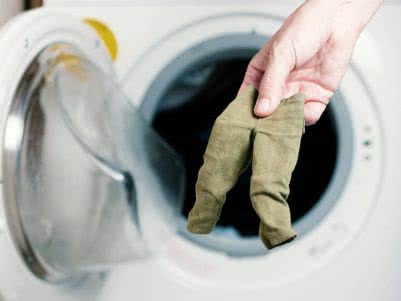
shrink

/ʃrɪŋk/

(verb) 縮む, 縮小する, 身を引く;

(noun) 精神科医

例:

The company's profits shrank by 10% last year.
昨年、会社の利益は10%減少した

shrug

/ʃrʌɡ/

(verb) 肩をすくめる;

(noun) 肩をすくめること

例:

He just shrugged and walked away.
彼はただ肩をすくめて立ち去った。

sigh

/saɪ/

(noun) ため息;

(verb) ため息をつく

例:

She let out a deep sigh of relief when she heard the good news.
彼女は良い知らせを聞いて、安堵の深いため息をついた。

simulate

/ˈsɪm.jə.leɪt/

(verb) シミュレートする, 模倣する, 装う

例:

The software can simulate various weather conditions.
このソフトウェアは様々な気象条件をシミュレートできる。

simulation

/ˌsɪm.jəˈleɪ.ʃən/

(noun) シミュレーション, 模擬, 偽装

例:

The flight simulation prepared the pilots for various scenarios.
フライトシミュレーションは、パイロットをさまざまなシナリオに備えさせた。

simultaneously

/ˌsaɪ.məlˈteɪ.ni.əs.li/

(adverb) 同時に, 一斉に

例:

The two events happened simultaneously.
2つの出来事が同時に起こった。

sin

/sɪn/

(noun) 罪, 残念なこと;

(verb) 罪を犯す

例:

He confessed his sins to the priest.
彼は司祭にを告白した。

situated

/ˈsɪtʃ.u.eɪ.t̬ɪd/

(adjective) 位置している, ある

例:

The hotel is ideally situated near the beach.
ホテルはビーチの近くに理想的に位置しています

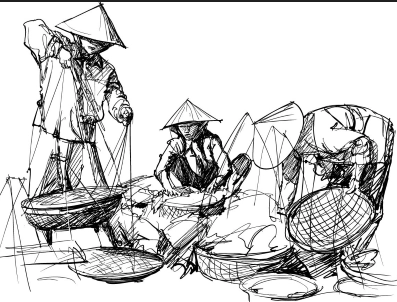
sketch

/sketʃ/

(noun) スケッチ, 素描, 概要;

(verb) スケッチする, 素描する, 概説する

例:

He made a quick sketch of the landscape.
彼は風景の素早いスケッチを描いた。

skip

/skɪp/

(verb) スキップする, 跳ねる, 飛ばす;

(noun) スキップ, 跳躍, 省略

例:
The children were skipping happily down the street.
子供たちは楽しそうに通りをスキップしていた。

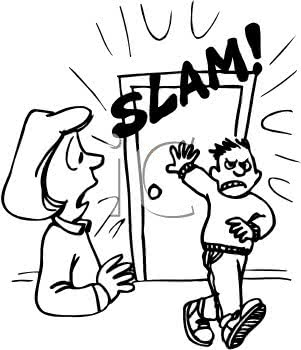
slam

/slæm/

(verb) バタンと閉める, 叩きつける, 投げつける;

(noun) バタンという音, 衝撃音, ポエトリースラム

例:

She slammed the door shut behind her.
彼女はドアをバタンと閉めた

slap

/slæp/

(noun) 平手打ち, ぴしゃり;

(verb) 平手打ちする, 叩く, 叩きつける;

(adverb) まっすぐ, 直接

例:

She gave him a hard slap across the face.
彼女は彼の顔を強く平手打ちした。

slash

/slæʃ/

(noun) 切り込み, 切り傷, スラッシュ;

(verb) 切り裂く, 切りつける, 削減する

例:

He made a deep slash across the canvas.
彼はキャンバスに深い切り込みを入れた。

slavery

/ˈsleɪ.vər.i/

(noun) 奴隷制度, 奴隷状態

例:

The abolition of slavery was a major milestone in human rights.
奴隷制度の廃止は人権における主要な節目でした。

slot

/slɑːt/

(noun) スロット, 溝, 場所;

(verb) 差し込む, はめる

例:

Insert the coin into the slot.
コインをスロットに入れてください。

smash

/smæʃ/

(verb) 粉砕する, 打ち砕く, 激突する;

(noun) 粉砕, 衝突, 大ヒット

例:

He accidentally smashed the vase.
彼は誤って花瓶を粉砕した

snap

/snæp/

(verb) 折れる, 切れる, パチンと閉まる;

(noun) パチンという音, カチッという音, 写真;

(adjective) 即断の, 簡単な;

(adverb) 即座に, 突然に;

(exclamation) パチン, カチッ

例:

The twig snapped under his foot.
小枝が彼の足元で折れた

soak

/soʊk/

(verb) 浸す, 濡らす, 吸収する;

(noun) 浸すこと, 入浴

例:

Soak the clothes in warm water before washing.
洗濯する前に服を温水に浸してください。

soar

/sɔːr/

(verb) 舞い上がる, 高騰する, 急騰する

例:

The eagle began to soar above the mountains.
ワシは山の上を舞い上がり始めた。

socialist

/ˈsoʊ.ʃəl.ɪst/

(noun) 社会主義者;

(adjective) 社会主義の

例:

He is a lifelong socialist who believes in equality for all.
彼は生涯の社会主義者であり、すべての人の平等を信じている。

sole

/soʊl/

(noun) 足の裏, 靴底, 舌平目;

(adjective) 唯一の, 単独の;

(verb) 底を付ける

例:

He had a blister on the sole of his foot.
彼は足のに水ぶくれができていた。

solely

/ˈsoʊl.li/

(adverb) 単独で, もっぱら, 唯一

例:

He is solely responsible for the error.
彼がその誤りの唯一の責任者です。

solicitor

/səˈlɪs.ə.t̬ɚ/

(noun) 弁護士, 事務弁護士, 勧誘員

例:

She consulted a solicitor about her property dispute.
彼女は不動産紛争について弁護士に相談した。

solidarity

/ˌsɑː.lɪˈder.ə.t̬i/

(noun) 連帯, 結束

例:

The workers showed solidarity by going on strike together.
労働者たちは共にストライキを行うことで連帯を示した。

solo

/ˈsoʊ.loʊ/

(noun) ソロ, 単独;

(adverb) 単独で, 一人で;

(verb) ソロで演奏する, 単独で飛行する;

(adjective) ソロの, 単独の

例:

She performed a beautiful piano solo.
彼女は美しいピアノソロを演奏した。

sound

/saʊnd/

(noun) 音, 響き, 海峡;

(verb) 鳴る, 音を出す, 〜のように聞こえる;

(adjective) 健全な, 確かな, 妥当な;

(adverb) ぐっすり, 完全に

例:

The sound of music filled the room.
音楽のが部屋に満ちた。

sovereignty

/ˈsɑːv.rən.i/

(noun) 主権, 統治権, 主権国家

例:

The nation declared its sovereignty after years of colonial rule.
その国は植民地支配の数年後、主権を宣言した。

spam

/spæm/

(noun) スパム, 迷惑メール, 缶詰肉;

(verb) スパムを送る, 迷惑メールを送る

例:
My inbox is full of spam.
私の受信箱はスパムでいっぱいです。

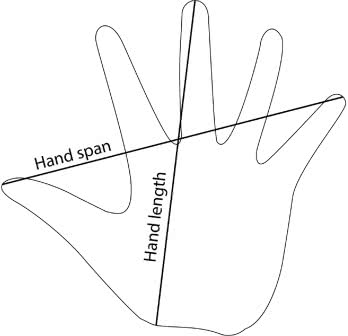
span

/spæn/

(noun) スパン, 期間, 範囲;

(verb) またぐ, 及ぶ

例:

The bridge has a span of 200 meters.
その橋は200メートルのスパンがある。

spare

/sper/

(adjective) 予備の, 余分な, 痩せた;

(verb) 割く, 与える, 助ける;

(noun) スペア, スペアタイヤ

例:

Do you have a spare key?
予備の鍵はありますか?

spark

/spɑːrk/

(noun) 火花, きらめき, ひらめき;

(verb) 火花を散らす, 引き起こす, 刺激する

例:

A single spark ignited the dry leaves.
一本の火花が乾いた葉に火をつけた。

specialized

/ˈspeʃ.ə.laɪzd/

(adjective) 専門の, 特殊な, 特化した

例:

He works in a highly specialized field of medicine.
彼は非常に専門的な医療分野で働いている。

specification

/ˌspes.ə.fəˈkeɪ.ʃən/

(noun) 仕様, 明細, 特定

例:

The architect provided detailed specifications for the new building.
建築家は新しい建物の詳細な仕様書を提供した。

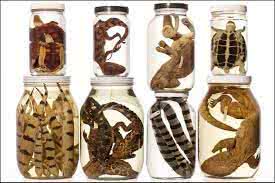
specimen

/ˈspes.ə.mɪn/

(noun) 標本, 見本, 典型

例:

The museum has a rare specimen of a giant squid.
博物館には巨大イカの珍しい標本があります。

spectacle

/ˈspek.tə.kəl/

(noun) 光景, 見世物, 壮観

例:

The opening ceremony was a magnificent spectacle.
開会式は壮大な光景だった。

spectrum

/ˈspek.trəm/

(noun) スペクトル, 範囲, 領域

例:

The prism separated the white light into a beautiful spectrum of colors.
プリズムは白色光を美しい色のスペクトルに分離した。

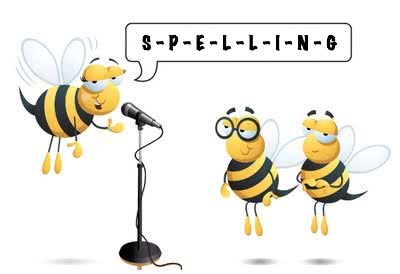
spell

/spel/

(verb) スペルする, 綴る, 招く;

(noun) 呪文, 魔法, 期間

例:

Can you spell your name for me?
あなたの名前をスペルできますか?

sphere

/sfɪr/

(noun) 球体, 球, 分野

例:

The Earth is approximately a sphere.
地球はほぼ球体です。

spin

/spɪn/

(verb) 回転する, 回す, 紡ぐ;

(noun) 回転, スピン, 偏向

例:
The dancer began to spin on one foot.
ダンサーは片足で回転し始めた。

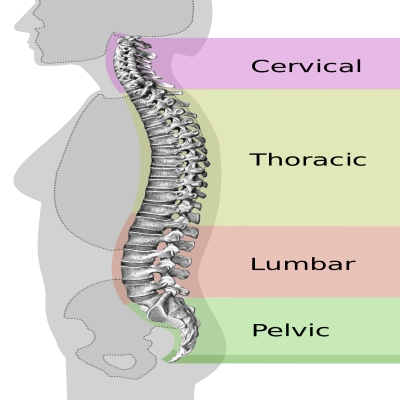
spine

/spaɪn/

(noun) 脊椎, 背骨, 背表紙

例:

He injured his spine in a fall.
彼は転倒で脊椎を負傷した。

spotlight

/ˈspɑːt.laɪt/

(noun) スポットライト, 照明, 注目;

(verb) スポットライトを当てる, 注目させる

例:

The singer was illuminated by a single spotlight on stage.
歌手はステージ上の単一のスポットライトによって照らされた。

spouse

/spaʊs/

(noun) 配偶者, 夫, 妻;

(verb) 結婚する, 配偶者となる

例:

Each spouse must sign the document.
配偶者は書類に署名する必要があります。

spy

/spaɪ/

(noun) スパイ, 秘密情報員;

(verb) スパイする, 秘密裏に調べる, 見つける

例:
The government arrested a foreign spy.
政府は外国のスパイを逮捕した。

squad

/skwɑːd/

(noun) 分隊, 班, チーム

例:

The police squad arrived at the crime scene.
警察の分隊が犯罪現場に到着した。

squeeze

/skwiːz/

(verb) 絞る, 握る, 通り抜ける;

(noun) 絞り, 握り, 圧迫

例:

She squeezed the lemon to get the juice out.
彼女はジュースを出すためにレモンを絞った

stab

/stæb/

(verb) 刺す, 突き刺す, 突く;

(noun) 刺し傷, 痛み

例:

He was arrested for trying to stab his neighbor.
彼は隣人を刺そうとしたとして逮捕された。

stability

/stəˈbɪl.ə.t̬i/

(noun) 安定性, 安定, 平衡

例:

The country is seeking economic stability.
その国は経済的安定を求めている。

stabilize

/ˈsteɪ.bə.laɪz/

(verb) 安定させる, 安定する

例:

The government is trying to stabilize the economy.
政府は経済を安定させようとしている。

stake

/steɪk/

(noun) 杭, 棒, 賭け金;

(verb) 杭で示す, 主張する, 賭ける

例:

He drove a stake into the ground to mark the property line.
彼は敷地の境界線を示すために地面にを打ち込んだ。

standing

/ˈstæn.dɪŋ/

(noun) 地位, 評判, 立場;

(adjective) 立っている, 立ち, 常設の

例:

The company has a long standing in the community.
その会社は地域社会で長い地位を築いている。

stark

/stɑːrk/

(adjective) 荒涼とした, 簡素な, むき出しの;

(adverb) 完全に, 全く

例:

The landscape was stark and barren.
その風景は荒涼として不毛だった。

statistical

/stəˈtɪs.tɪ.kəl/

(adjective) 統計の, 統計的な

例:

We need to perform a statistical analysis of the data.
データの統計的分析を行う必要があります。

steer

/stɪr/

(verb) 操縦する, 導く, 方向付ける;

(noun) 去勢牛, 雄牛

例:

He managed to steer the car around the corner.
彼は車のハンドルを切って角を曲がった。

stem

/stem/

(noun) 茎, 幹, 語幹;

(verb) 起因する, 源を発する, 食い止める

例:

The rose stem had sharp thorns.
バラのには鋭いとげがあった。

stereotype

/ˈster.i.ə.taɪp/

(noun) ステレオタイプ, 固定観念;

(verb) ステレオタイプ化する, 固定観念で見る

例:

It's important to challenge gender stereotypes.
ジェンダーステレオタイプに異議を唱えることが重要です。

stimulus

/ˈstɪm.jə.ləs/

(noun) 刺激, 誘因

例:

Light is a stimulus for the eyes.
光は目にとっての刺激です。

stir

/stɝː/

(verb) かき混ぜる, 混ぜる, 動かす;

(noun) 動き, 騒動

例:

She stirred her coffee with a spoon.
彼女はスプーンでコーヒーをかき混ぜた

storage

/ˈstɔːr.ɪdʒ/

(noun) 貯蔵, 保管, 記憶容量

例:

The company offers secure data storage solutions.
その会社は安全なデータストレージソリューションを提供しています。

straightforward

/ˌstreɪtˈfɔːr.wɚd/

(adjective) 簡単な, わかりやすい, 率直な

例:

The instructions were very straightforward.
指示は非常にわかりやすかった

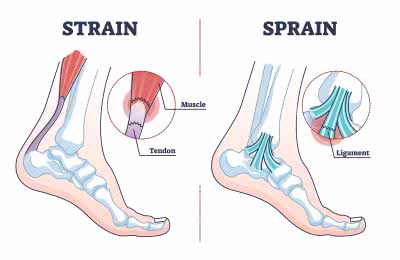
strain

/streɪn/

(noun) 負担, 緊張, 品種;

(verb) 酷使する, 緊張させる, 水切りする

例:

The constant pressure put a lot of strain on the bridge.
絶え間ない圧力は橋に大きな負担をかけた。

strand

/strænd/

(noun) 一本, より糸, 岸辺;

(verb) 立ち往生させる, 足止めする, 座礁する

例:

She found a long strand of hair on her pillow.
彼女は枕の上に長い髪の一本を見つけた。

strategic

/strəˈtiː.dʒɪk/

(adjective) 戦略的な, 軍事的な

例:

The company developed a new strategic plan for growth.
その会社は成長のための新しい戦略的計画を策定した。

striking

/ˈstraɪ.kɪŋ/

(adjective) 印象的な, 目立つ, 驚くべき

例:

She has a striking resemblance to her mother.
彼女は母親に驚くほど似ている。

strip

/strɪp/

(verb) 剥がす, 取り除く, 服を脱ぐ;

(noun) 帯, 細長い一片, ストリップ

例:

He began to strip the old paint from the door.
彼はドアから古いペンキを剥がし始めた。

structural

/ˈstrʌk.tʃɚ.əl/

(adjective) 構造の, 構造的な, 構造上の

例:

The architect focused on the structural integrity of the building.
建築家は建物の構造的完全性に焦点を当てた。

strive

/straɪv/

(verb) 努力する, 奮闘する, 戦う

例:

We must strive to achieve excellence in all our endeavors.
私たちはすべての努力において卓越性を達成するために努力しなければなりません

stumble

/ˈstʌm.bəl/

(verb) つまずく, よろめく, どもる;

(noun) つまずき, よろめき

例:

He began to stumble as he walked through the uneven terrain.
彼はでこぼこした地形を歩いているとつまずき始めた。

stun

/stʌn/

(verb) 気絶させる, 呆然とさせる, 驚かせる;

(noun) 気絶, 呆然

例:

The boxer delivered a powerful punch that stunned his opponent.
ボクサーは相手を気絶させる強力なパンチを放った。

submission

/səbˈmɪʃ.ən/

(noun) 提出, 応募, 服従

例:

The deadline for essay submission is next Friday.
エッセイの提出期限は来週の金曜日です。

subscriber

/səbˈskraɪ.bɚ/

(noun) 購読者, 加入者, 寄付者

例:

The magazine has over a million subscribers worldwide.
その雑誌は世界中に100万人以上の購読者がいる。

subscription

/səbˈskrɪp.ʃən/

(noun) 購読, 会費, 賛同

例:

I cancelled my gym subscription last month.
先月、ジムのサブスクリプションをキャンセルしました。

subsidy

/ˈsʌb.sə.di/

(noun) 補助金, 助成金

例:

The government provides subsidies to farmers.
政府は農家に補助金を提供しています。

substantial

/səbˈstæn.ʃəl/

(adjective) かなりの, 実質的な, 重要な

例:

The company made a substantial profit this quarter.
その会社は今四半期にかなりの利益を上げた。

substantially

/səbˈstæn.ʃəl.i/

(adverb) 大幅に, 実質的に

例:

The cost of living has increased substantially.
生活費は大幅に増加しました。

substitute

/ˈsʌb.stə.tuːt/

(noun) 代わり, 代替品;

(verb) 代用する, 置き換える;

(adjective) 代用の, 代替の

例:

The teacher had a substitute for the day.
先生は一日代わりの人がいた。

substitution

/ˌsʌb.stəˈtuː.ʃən/

(noun) 置換, 代用, 交代

例:

The coach made a tactical substitution in the second half.
監督は後半に戦術的な交代を行った。

subtle

/ˈsʌt̬.əl/

(adjective) 微妙な, 繊細な, かすかな

例:

The painting had a subtle blend of colors.
その絵は微妙な色の組み合わせを持っていた。

suburban

/səˈbɝː.bən/

(adjective) 郊外の, 近郊の

例:

They live in a quiet suburban neighborhood.
彼らは静かな郊外の地域に住んでいます。

succession

/səkˈseʃ.ən/

(noun) 連続, 継起, 連なり

例:

A succession of visitors came to the house.
連続して訪問者が家に来た。

successive

/səkˈses.ɪv/

(adjective) 連続の, 引き続く

例:

This is the third successive year that we've won the championship.
チャンピオンシップで優勝したのは、これで3年連続です。

successor

/səkˈses.ɚ/

(noun) 後継者, 後任

例:

The vice president is the natural successor to the president.
副大統領は大統領の当然の後継者である。

suck

/sʌk/

(verb) 吸う, しゃぶる, ひどい;

(noun) 吸い込み, 吸うこと

例:

The baby began to suck its thumb.
赤ちゃんは指を吸い始めた。

sue

/suː/

(verb) 訴える, 提訴する

例:

He decided to sue the company for unfair dismissal.
彼は不当解雇で会社を訴えることにした。

suicide

/ˈsuː.ə.saɪd/

(noun) 自殺;

(verb) 自殺する

例:

The police are investigating the cause of death, but it appears to be suicide.
警察は死因を調査しているが、自殺のようだ。

suite

/swiːt/

(noun) スイート, 一続きの部屋, 家具一式

例:

The hotel offers a luxurious suite with a view of the ocean.
ホテルは海の見える豪華なスイートを提供しています。

summit

/ˈsʌm.ɪt/

(noun) 頂上, 山頂, 首脳会議;

(verb) 頂上を極める, 登頂する

例:

They reached the summit of Mount Everest.
彼らはエベレストの頂上に到達した。

superb

/suːˈpɝːb/

(adjective) 素晴らしい, 見事な, 最高の

例:

The food at the restaurant was superb.
レストランの料理は素晴らしい

superior

/səˈpɪr.i.ɚ/

(adjective) 優れた, 上級の;

(noun) 上司, 上位者

例:

She is my superior at work.
彼女は職場の私の上司です。

supervise

/ˈsuː.pɚ.vaɪz/

(verb) 監督する, 管理する, 担当する

例:

She was hired to supervise the construction of the new building.
彼女は新築ビルの建設を監督するために雇われた。

supervision

/ˌsuː.pɚˈvɪʒ.ən/

(noun) 監督, 指導, 監視

例:

The project is under the supervision of a senior engineer.
そのプロジェクトは上級エンジニアの監督下にある。

supervisor

/ˈsuː.pɚ.vaɪ.zɚ/

(noun) 監督者, 上司

例:

My supervisor approved my leave request.
私の上司が休暇申請を承認しました。

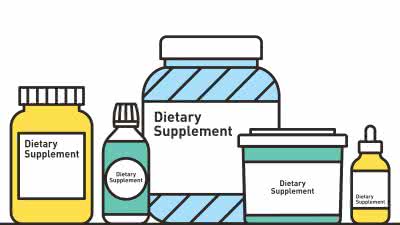
supplement

/ˈsʌp.lə.mənt/

(noun) サプリメント, 補足, 付録;

(verb) 補う, 追加する

例:

The vitamin C is a good supplement to your diet.
ビタミンCはあなたの食事の良いサプリメントです。

supportive

/səˈpɔːr.t̬ɪv/

(adjective) 協力的な, 支えとなる, 裏付ける

例:

She has a very supportive family.
彼女にはとても協力的な家族がいる。

supposedly

/səˈpoʊ.zɪd.li/

(adverb) おそらく, 建前上は, 一般的に言われていることだが

例:

The new restaurant is supposedly very good.
新しいレストランはおそらくとても美味しい。

suppress

/səˈpres/

(verb) 鎮圧する, 抑圧する, 抑える

例:

The government moved quickly to suppress the rebellion.
政府は反乱を鎮圧するために迅速に行動した。

supreme

/suːˈpriːm/

(adjective) 最高の, 至高の, 極上の

例:

The supreme court is the highest judicial body.
最高裁判所は最高の司法機関です。

surge

/sɝːdʒ/

(noun) 急増, 殺到, 増加;

(verb) 殺到する, 押し寄せる, 急上昇する

例:

A sudden surge of water broke through the dam.
突然の水の急増がダムを突破した。

surgical

/ˈsɝː.dʒɪ.kəl/

(adjective) 外科の, 手術の, 精密な

例:

The doctor used surgical instruments for the operation.
医師は手術に外科用器具を使用した。

surplus

/ˈsɝː.pləs/

(noun) 余剰, 過剰;

(adjective) 余剰の, 過剰な

例:

The company reported a budget surplus this quarter.
その会社は今四半期、予算余剰を報告した。

surrender

/səˈren.dɚ/

(verb) 降伏する, 引き渡す, 屈する;

(noun) 降伏, 引き渡し

例:

The enemy was forced to surrender their weapons.
敵は武器を降伏させられた。

surveillance

/sɚˈveɪ.ləns/

(noun) 監視, 見張り

例:

The police kept the suspect under constant surveillance.
警察は容疑者を絶えず監視下に置いた。

suspension

/səˈspen.ʃən/

(noun) 停学, 出場停止, 中断

例:

The student faced suspension from school for a week due to misconduct.
その生徒は不正行為のため、1週間の学校停学処分を受けた。

suspicion

/səˈspɪʃ.ən/

(noun) 疑い, 不信, 疑念

例:

The police arrested him on suspicion of theft.
警察は彼を窃盗の疑いで逮捕した。

suspicious

/səˈspɪʃ.əs/

(adjective) 疑い深い, 不審な, 怪しい

例:

He gave me a suspicious look when I asked about the money.
彼はお金について尋ねたとき、私に疑わしい目を向けた。

sustain

/səˈsteɪn/

(verb) 支える, 維持する, 持続させる

例:

The pillars sustain the roof.
柱が屋根を支えている

swing

/swɪŋ/

(verb) 揺れる, 振る, 飛び乗る;

(noun) ブランコ, 変化, 変動

例:

The door swung open.
ドアが開いた

sword

/sɔːrd/

(noun)

例:

The knight drew his sword from its scabbard.
騎士は鞘からを抜いた。

symbolic

/sɪmˈbɑː.lɪk/

(adjective) 象徴的な

例:

The dove is symbolic of peace.
ハトは平和の象徴です。

syndrome

/ˈsɪn.droʊm/

(noun) 症候群, 特徴

例:

Down syndrome is a genetic disorder.
ダウン症候群は遺伝性疾患です。

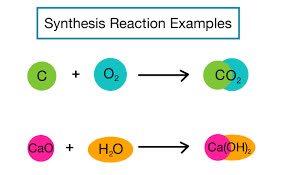
synthesis

/ˈsɪn.θə.sɪs/

(noun) 統合, 合成, 総合

例:

The report provides a synthesis of the research findings.
この報告書は研究結果の統合を提供します。

systematic

/ˌsɪs.təˈmæt̬.ɪk/

(adjective) 体系的な, 組織的な, 定期的な

例:

The police conducted a systematic search of the area.
警察は地域の体系的な捜索を行った。
Lingolandでこの語彙セットを学習