Avatar of Vocabulary Set A1 - 文字 T

Oxford 3000 - A1 内 A1 - 文字 T 語彙セット:完全かつ詳細なリスト

「Oxford 3000 - A1」内の「A1 - 文字 T」語彙セットは国際標準教材から厳選され、短期間で語彙をマスターできます。定義、例文、標準発音を網羅…

Lingolandでこの語彙セットを学習

今すぐ学習
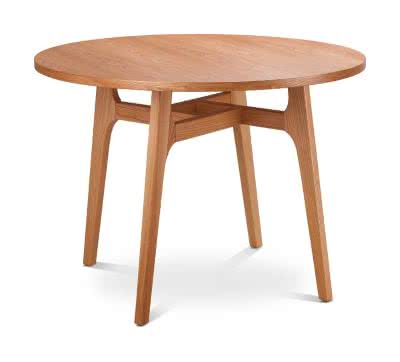
table

/ˈteɪ.bəl/

(noun) テーブル, 食卓, 表;

(verb) 棚上げする, 延期する

例:

We gathered around the kitchen table for dinner.
私たちは夕食のためにキッチンテーブルの周りに集まった。

take

/teɪk/

(verb) 取る, つかむ, 持っていく;

(noun) テイク, 撮影, 取得

例:

She decided to take a book from the shelf.
彼女は棚から本を取ることにした。

talk

/tɑːk/

(verb) 話す, しゃべる, 講演する;

(noun) 話, 会話, 講演

例:

Can we talk for a moment?
少し話せますか?

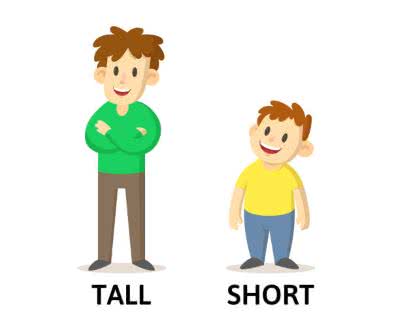
tall

/tɑːl/

(adjective) 背が高い, 高い, 信じがたい

例:

He is a very tall man.
彼はとても背が高い男性です。

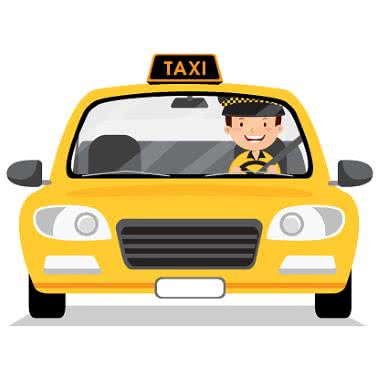
taxi

/ˈtæk.si/

(noun) タクシー;

(verb) タクシーに乗る, タキシングする

例:

Let's take a taxi to the airport.
空港までタクシーで行きましょう。

tea

/tiː/

(noun) お茶, 茶, ティータイム

例:

Would you like a cup of tea?
お茶はいかがですか?

teach

/tiːtʃ/

(verb) 教える, 指導する, 身につけさせる

例:

She decided to teach English abroad.
彼女は海外で英語を教えることにした。

teacher

/ˈtiː.tʃɚ/

(noun) 先生, 教師

例:

My favorite teacher is Mrs. Davis.
私のお気に入りの先生はデイビス先生です。

team

/tiːm/

(noun) チーム, 組;

(verb) 協力する, チームを組む

例:
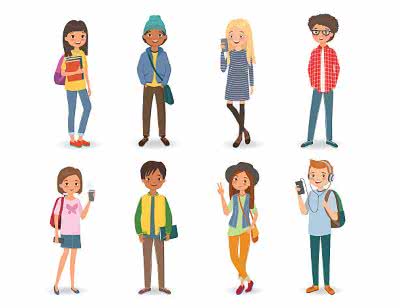
Our sales team exceeded their targets this quarter.
当社の営業チームは今四半期、目標を上回りました。

teenager

/ˈtiːnˌeɪ.dʒɚ/

(noun) ティーンエイジャー, 10代

例:

My daughter is a teenager now, she just turned 15.
私の娘は今ティーンエイジャーで、ちょうど15歳になりました。

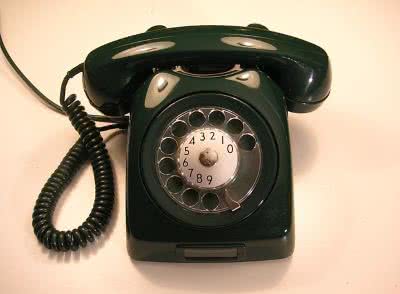
telephone

/ˈtel.ə.foʊn/

(noun) 電話;

(verb) 電話する

例:

She answered the telephone on the first ring.
彼女は最初の呼び出しで電話に出た。

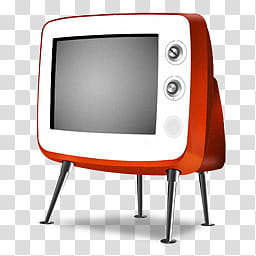
television

/ˈtel.ə.vɪʒ.ən/

(noun) テレビ, テレビジョン, テレビ受像機

例:

We watched the news on television.
テレビでニュースを見ました。

tell

/tel/

(verb) 言う, 話す, 教える;

(noun) 兆候, 手がかり

例:

Can you tell me your name?
あなたの名前を教えていただけますか?

ten

/ten/

(number) 10, 十;

(noun) 10個, 10のグループ

例:

She counted ten apples in the basket.
彼女はかごの中に10個のリンゴを数えた。

tennis

/ˈten.ɪs/

(noun) テニス

例:

She plays tennis every Saturday morning.
彼女は毎週土曜日の朝にテニスをします。

terrible

/ˈter.ə.bəl/

(adjective) ひどい, 恐ろしい, 最悪の

例:

The weather was terrible, so we stayed indoors.
天気はひどかったので、私たちは屋内にいました。

test

/test/

(noun) テスト, 試験;

(verb) テストする, 試す, 試練を与える

例:

The new software underwent rigorous tests before its release.
新しいソフトウェアはリリース前に厳格なテストを受けました。

text

/tekst/

(noun) テキスト, 文章, テキストメッセージ;

(verb) テキストメッセージを送る, SMSを送る

例:
The original text of the novel was much longer.
小説の元のテキストははるかに長かった。

than

/ðæn/

(conjunction) より, 以外に, 以外は;

(preposition) より

例:

She is taller than her brother.
彼女は兄より背が高い。

thank

/θæŋk/

(verb) 感謝する;

(noun) 感謝, ありがとう;

(exclamation) ありがとう

例:

I want to thank you for your help.
ご協力に感謝いたします。

thanks

/θæŋks/

(exclamation) ありがとう, 感謝;

(plural noun) 感謝, お礼

例:

Thanks for your help!
助けてくれてありがとう

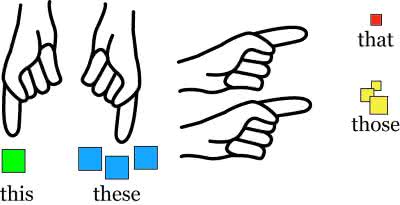
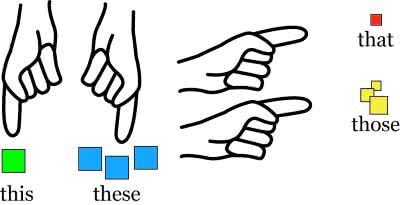
that

/ðæt/

(determiner) あの;

(pronoun) あれ;

(adverb) それほど, そんなに;

(conjunction) と, こと, が

例:

Look at that beautiful sunset!
あの美しい夕日を見て!

the

/ðiː/

(determiner) その, あの, 〜というもの;

(adverb) 〜ば〜ほど

例:

The sun is shining brightly.
太陽が明るく輝いている。

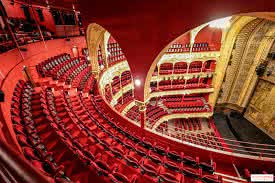
theatre

/ˈθiː.ə.t̬ɚ/

(noun) 劇場, 映画館, 演劇

例:

We went to the theatre to see a play.
劇を観に劇場へ行った。

their

/ðer/

(determiner) 彼らの, 彼女らの

例:

The students submitted their assignments.
学生たちは課題を提出した。

them

/ðem/

(pronoun) 彼らを, 彼女らを, それらを

例:

I saw them at the park.
公園で彼らに会いました。

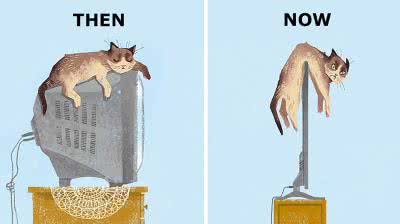
then

/ðen/

(adverb) その時, 当時, それから;

(conjunction) では, それなら;

(adjective) 当時の, その時の

例:
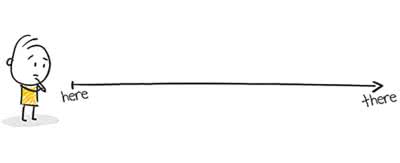
I was living in London then.
私はその時ロンドンに住んでいました。

there

/ðer/

(adverb) そこ, あそこ, ある;

(pronoun) そこ, あの場所;

(interjection) ある, いる, これで

例:
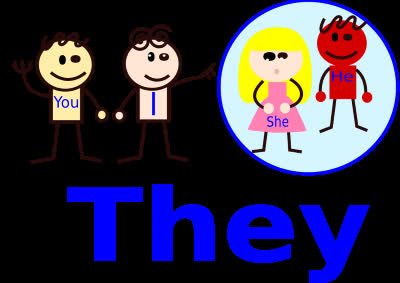
The book is over there on the shelf.
本は棚のあそこにあります。

they

/ðeɪ/

(pronoun) 彼ら, 彼女ら, それら

例:

The children are playing outside; they are having fun.
子供たちは外で遊んでいます。彼らは楽しんでいます。

thing

/θɪŋ/

(noun) 物, こと, 出来事

例:

What is that thing over there?
あそこのあれは何ですか?

think

/θɪŋk/

(verb) 思う, 考える, 熟考する;

(noun) 考え, 思考

例:

What do you think about the new policy?
新しい方針についてどう思いますか?

third

/θɝːd/

(ordinal number) 3番目の, 第3の;

(noun) 3分の1;

(adverb) 3番目に

例:
She finished third in the race.
彼女はレースで3位になった。

thirsty

/ˈθɝː.sti/

(adjective) 喉が渇いた, 水を欲しがっている, 乾燥した

例:
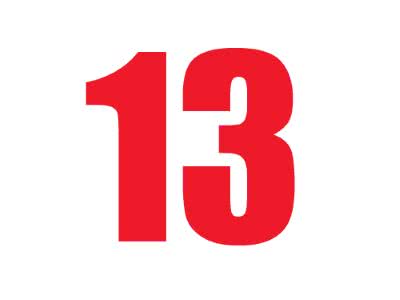
I'm so thirsty, I could drink a whole gallon of water.
とても喉が渇いた、1ガロンの水が飲めそうだ。

thirteen

/θɝːˈtiːn/

(number) 13, 十三

例:

There are thirteen students in the class.
クラスには13人の生徒がいます。

thirty

/ˈθɝː.t̬i/

(number) 三十, 30

例:

She is thirty years old.
彼女は30歳です。

this

/ðɪs/

(determiner) この;

(pronoun) これ;

(adverb) これほど, このように

例:

Don't listen to this guy.
この男に耳を貸さないで。

thousand

/ˈθaʊ.zənd/

(number) 千;

(noun) 何千もの, 多数の

例:

The city has a population of over a thousand.
その都市の人口は人を超えています。

three

/θriː/

(number)

例:

I have three apples.
私はリンゴを3つ持っています。

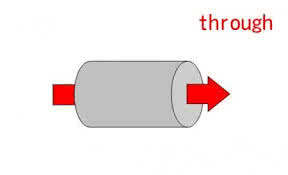
through

/θruː/

(preposition) 〜を通り抜けて, 〜を越えて, 〜の間ずっと;

(adverb) 〜を通り抜けて, 〜を越えて, 〜を終えて;

(adjective) 〜を終えた, 〜が終わった

例:
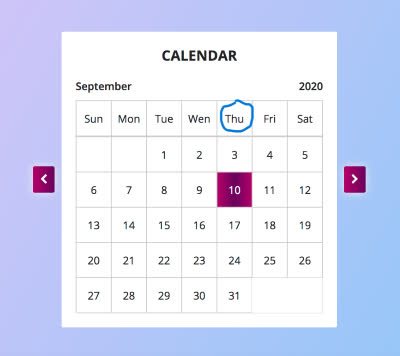
The train passed through the tunnel.
列車はトンネルを通り抜けました

thursday

/ˈθɝːz.deɪ/

(noun) 木曜日

例:

I have a meeting on Thursday morning.
木曜日の朝に会議があります。

ticket

/ˈtɪk.ɪt/

(noun) チケット, 切符, 違反切符;

(verb) 切符を切る, 罰金を科す

例:

I bought a ticket for the concert.
コンサートのチケットを買いました。

time

/taɪm/

(noun) 時間, 時刻, 回;

(verb) 時間を計る, タイミングを計る, 時間を合わせる

例:

Time flies when you're having fun.
楽しい時間はあっという間に過ぎる。

tired

/taɪrd/

(adjective) 疲れた, くたびれた, うんざりした

例:

I'm so tired, I could sleep for a week.
とても疲れていて、一週間眠れそうだ。

title

/ˈtaɪ.t̬əl/

(noun) タイトル, 題名, 役職;

(verb) 題する, 命名する

例:

What's the title of that movie?
その映画のタイトルは何ですか?

to

/tuː/

(preposition) へ, に, 〜すること

例:

We are going to the store.

私たちは店行きます。

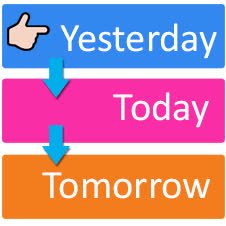
today

/təˈdeɪ/

(adverb) 今日, 現代;

(noun) 今日, 現代

例:

I have a lot of work to do today.
今日はたくさんの仕事があります。

together

/təˈɡeð.ɚ/

(adverb) 一緒に, 共に, 一つに;

(adjective) 落ち着いた, しっかりした

例:

They walked together down the street.
彼らは一緒に通りを歩いた。

toilet

/ˈtɔɪ.lət/

(noun) トイレ, 便器, 化粧室

例:

Could you tell me where the toilet is?
トイレはどこですか?

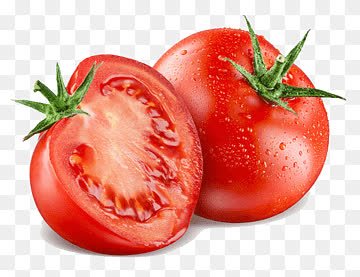
tomato

/təˈmeɪ.t̬oʊ/

(noun) トマト

例:

She sliced a ripe tomato for her sandwich.
彼女はサンドイッチのために熟したトマトをスライスした。

tomorrow

/təˈmɔːr.oʊ/

(adverb) 明日;

(noun) 明日

例:

I will see you tomorrow.
明日会いましょう。

tonight

/təˈnaɪt/

(adverb) 今夜;

(noun) 今夜

例:

I'm going to the concert tonight.
今夜コンサートに行きます。

too

/tuː/

(adverb) 〜すぎる, あまりに, 〜もまた

例:

It's too hot to go outside.
外に出るには暑すぎる

tooth

/tuːθ/

(noun) 歯, ギザギザ

例:

He brushed his teeth twice a day.
彼は1日2回を磨いた。

topic

/ˈtɑː.pɪk/

(noun) トピック, 話題, 主題

例:

The main topic of discussion was climate change.
議論の主なトピックは気候変動でした。

tourist

/ˈtʊr.ɪst/

(noun) 観光客, 旅行者

例:

Many tourists visit Paris every year.
毎年多くの観光客がパリを訪れます。

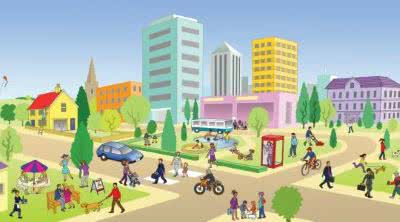
town

/taʊn/

(noun) 町, 市街, 町の住民

例:

She grew up in a small town in the countryside.
彼女は田舎の小さなで育った。

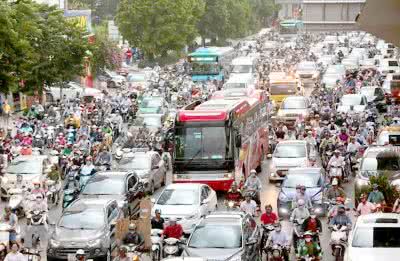
traffic

/ˈtræf.ɪk/

(noun) 交通, 交通量, 取引;

(verb) 取引する, 売買する

例:

The morning traffic was heavy on the highway.
朝の交通量は高速道路で多かった。

train

/treɪn/

(noun) 列車, 電車, トレーン;

(verb) 訓練する, 教育する, トレーニングする

例:

The train arrived at the station on time.
列車は定刻に駅に到着した。

travel

/ˈtræv.əl/

(verb) 旅行する, 移動する, 進む;

(noun) 旅行, 旅

例:
I love to travel to new countries.
新しい国へ旅行するのが大好きです。

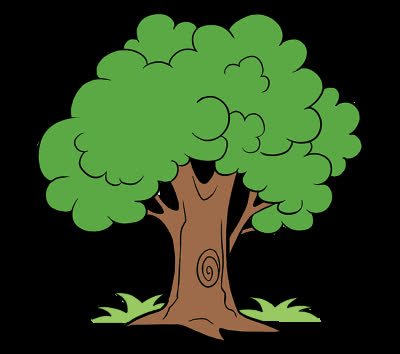
tree

/triː/

(noun) 木, ツリー, 図;

(verb) 木に追い上げる, 木に追い詰める

例:

The old oak tree stood tall in the forest.
古いオークの木が森の中に高く立っていた。

trip

/trɪp/

(noun) 旅行, 遠足, つまずき;

(verb) つまずく, 転ぶ, 旅行する

例:
We're planning a weekend trip to the mountains.
私たちは山への週末旅行を計画しています。

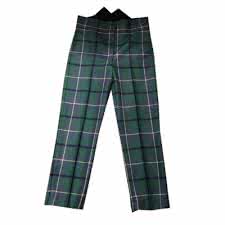
trousers

/ˈtraʊ.zɚz/

(plural noun) ズボン, パンツ

例:

He was wearing a pair of grey trousers and a white shirt.
彼は灰色のズボンと白いシャツを着ていた。

true

/truː/

(adjective) 真実の, 本当の, 忠実な;

(adverb) 正確に, まさに

例:

The story he told was completely true.
彼が話した話は完全に真実だった。

try

/traɪ/

(verb) 試す, 努力する, テストする;

(noun) 試み, 挑戦

例:
I will try to finish the report by tomorrow.
明日までにレポートを終わらせるようにします。

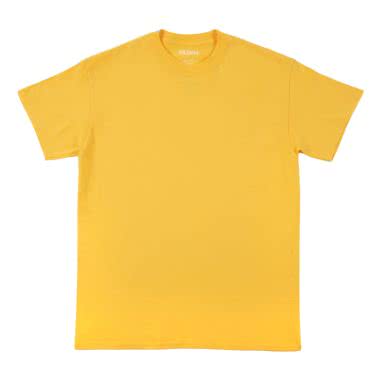
T-shirt

/ˈtiː.ʃɜːrt/

(noun) Tシャツ

例:

He was wearing a plain white T-shirt.
彼は無地の白いTシャツを着ていた。

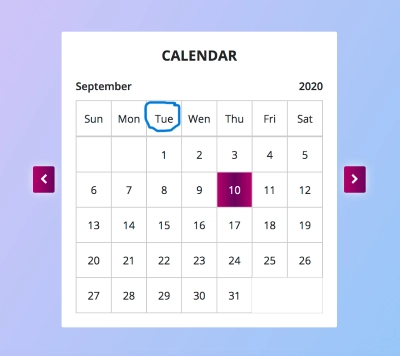
tuesday

/ˈtuːz.deɪ/

(noun) 火曜日

例:

I have a meeting on Tuesday morning.
火曜日の朝に会議があります。

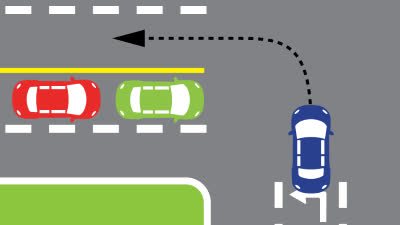
turn

/tɝːn/

(verb) 回る, 回転する, 曲がる;

(noun) 曲がり角, 番

例:

The Earth turns on its axis.
地球は自転する

TV

/ˌtiːˈviː/

(noun) テレビ, テレビ放送, テレビ番組

例:

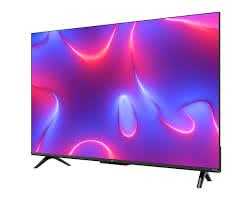
We bought a new TV for the living room.
リビングルームに新しいテレビを買いました。

twelve

/twelv/

(number) 十二, 12;

(noun) 12時

例:

There are twelve months in a year.
1年は12ヶ月です。

twenty

/ˈtwen.t̬i/

(number) 二十, 20;

(noun) 20ドル札

例:

There are twenty students in the class.
クラスには20人の生徒がいます。

twice

/twaɪs/

(adverb) 2回, 二度, 2倍

例:

I've been to Paris twice.
パリには2回行ったことがあります。

two

/tuː/

(number) 二, 2

例:

I have two apples.
リンゴが2つあります。

type

/taɪp/

(noun) 種類, タイプ, 活字;

(verb) タイプする, 入力する

例:

What type of music do you like?
どんな種類の音楽が好きですか?
Lingolandでこの語彙セットを学習