Avatar of Vocabulary Set A1 - 字母 T

词汇集 A1 - 字母 T(属于 Oxford 3000 - A1):完整且详细的清单

词汇集「A1 - 字母 T」(属于「Oxford 3000 - A1」)从国际标准教材来源精心挑选,帮助您在短时间内掌握词汇。全面汇整定义、例句及标准发音…

在 Lingoland 学习此词汇集

立即学习
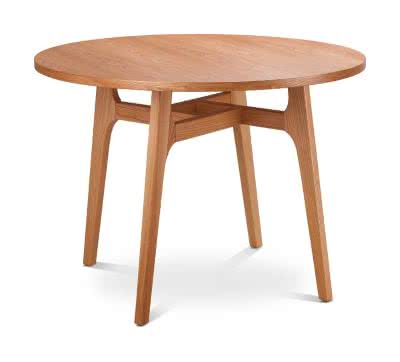
table

/ˈteɪ.bəl/

(noun) 桌子, 餐桌, 表格;

(verb) 搁置, 提交

示例:

We gathered around the kitchen table for dinner.
我们围坐在厨房餐桌旁吃晚饭。

take

/teɪk/

(verb) 拿, 取, 带;

(noun) 镜头, 拍摄, 拿取

示例:

She decided to take a book from the shelf.
她决定从书架上一本书。

talk

/tɑːk/

(verb) 说话, 交谈, 演讲;

(noun) 谈话, 交谈, 演讲

示例:

Can we talk for a moment?
我们能谈谈吗?

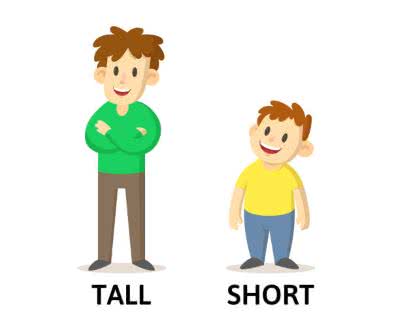
tall

/tɑːl/

(adjective) 高, 夸张的, 难以置信的

示例:

He is a very tall man.
他是一个很的男人。

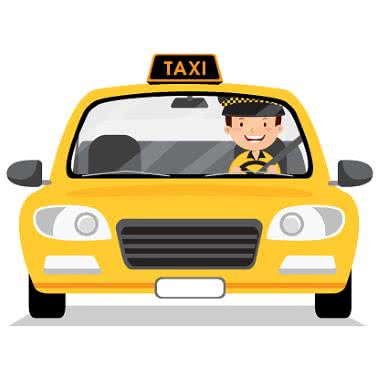
taxi

/ˈtæk.si/

(noun) 出租车;

(verb) 打车, 滑行 (飞机)

示例:

Let's take a taxi to the airport.
我们打个出租车去机场吧。

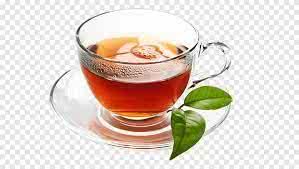
tea

/tiː/

(noun) 茶, 下午茶, 茶点

示例:

Would you like a cup of tea?
你想喝杯吗?

teach

/tiːtʃ/

(verb) 教, 教授, 教会

示例:

She decided to teach English abroad.
她决定出国英语。

teacher

/ˈtiː.tʃɚ/

(noun) 老师, 教师

示例:

My favorite teacher is Mrs. Davis.
我最喜欢的老师是戴维斯夫人。

team

/tiːm/

(noun) 团队, 队伍, 队;

(verb) 组队, 合作

示例:
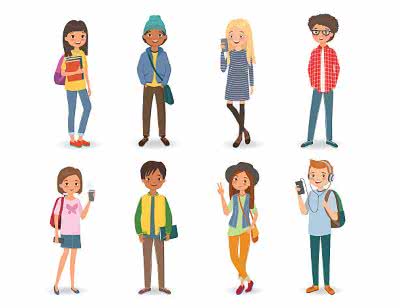
Our sales team exceeded their targets this quarter.
我们的销售团队本季度超额完成了目标。

teenager

/ˈtiːnˌeɪ.dʒɚ/

(noun) 青少年, 十几岁的人

示例:

My daughter is a teenager now, she just turned 15.
我女儿现在是青少年了,她刚满15岁。

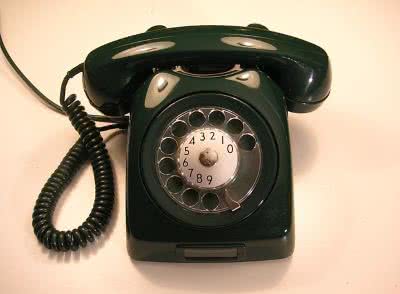
telephone

/ˈtel.ə.foʊn/

(noun) 电话;

(verb) 打电话

示例:

She answered the telephone on the first ring.
她接了第一声响的电话

television

/ˈtel.ə.vɪʒ.ən/

(noun) 电视, 电视机

示例:

We watched the news on television.
我们在电视上看新闻。

tell

/tel/

(verb) 告诉, 说, 讲;

(noun) 破绽, 迹象

示例:

Can you tell me your name?
你能告诉我你的名字吗?

ten

/ten/

(number) 十;

(noun) 十个, 十个一组

示例:

She counted ten apples in the basket.
她数了数篮子里有个苹果。

tennis

/ˈten.ɪs/

(noun) 网球

示例:

She plays tennis every Saturday morning.
她每周六早上都打网球

terrible

/ˈter.ə.bəl/

(adjective) 糟糕的, 可怕的, 严重的

示例:

The weather was terrible, so we stayed indoors.
天气很糟糕,所以我们待在室内。

test

/test/

(noun) 测试, 试验, 考试;

(verb) 测试, 检验, 考验

示例:

The new software underwent rigorous tests before its release.
新软件在发布前经过了严格的测试

text

/tekst/

(noun) 文本, 正文, 短信;

(verb) 发短信, 发消息

示例:
The original text of the novel was much longer.
小说的原始文本要长得多。

than

/ðæn/

(conjunction) 比, 与...相比, 除了;

(preposition)

示例:

She is taller than her brother.
她比她哥哥高。

thank

/θæŋk/

(verb) 感谢;

(noun) 感谢, 谢意;

(exclamation) 谢谢

示例:

I want to thank you for your help.
我想感谢你的帮助。

thanks

/θæŋks/

(exclamation) 谢谢, 感谢;

(plural noun) 感谢, 谢意

示例:

Thanks for your help!
谢谢你的帮助!

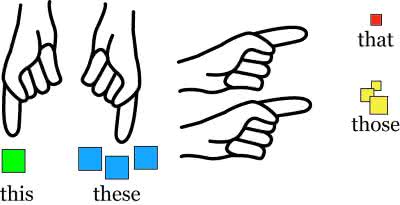
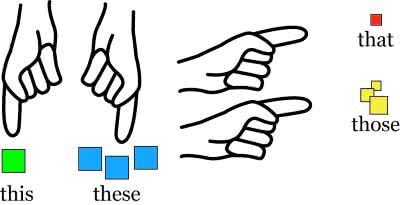
that

/ðæt/

(determiner) 那个;

(pronoun) 那个;

(adverb) 那么, 如此;

(conjunction) 那, 说, 所

示例:
Look at that beautiful sunset!
那个美丽的日落!

the

/ðiː/

(determiner) 这, 那, 这类;

(adverb)

示例:

The sun is shining brightly.
太阳正明亮地照耀着。

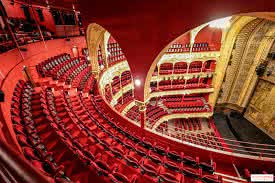
theatre

/ˈθiː.ə.t̬ɚ/

(noun) 剧院, 戏院, 戏剧艺术

示例:

We went to the theatre to see a play.
我们去剧院看戏。

their

/ðer/

(determiner) 他们的

示例:

The students submitted their assignments.
学生们提交了他们的作业。

them

/ðem/

(pronoun) 他们, 她们, 它们

示例:

I saw them at the park.
我在公园看到了他们

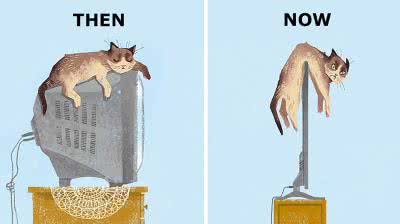
then

/ðen/

(adverb) 那时, 当时, 然后;

(conjunction) 那么, 于是;

(adjective) 当时的, 那时的

示例:
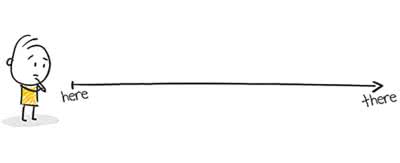
I was living in London then.
那时住在伦敦。

there

/ðer/

(adverb) 那里, 那边, 有;

(pronoun) 那里, 那个地方;

(interjection) 有, 那

示例:
The book is over there on the shelf.
书在那里的架子上。

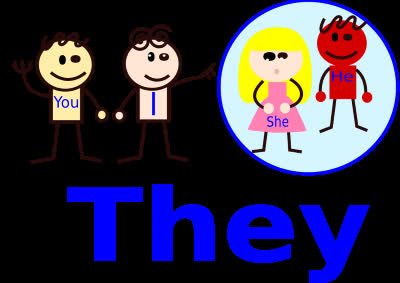
they

/ðeɪ/

(pronoun) 他们, 她们, 它们

示例:

The children are playing outside; they are having fun.
孩子们在外面玩;他们玩得很开心。

thing

/θɪŋ/

(noun) 东西, 物品, 事情

示例:

What is that thing over there?
那边的那个东西是什么?

think

/θɪŋk/

(verb) 认为, 觉得, 思考;

(noun) 思考, 想法

示例:

What do you think about the new policy?
你对新政策有何看法

third

/θɝːd/

(ordinal number) 第三;

(noun) 三分之一;

(adverb) 第三

示例:
She finished third in the race.
她在比赛中获得第三名

thirsty

/ˈθɝː.sti/

(adjective) 口渴的, 缺水的, 干燥的

示例:

I'm so thirsty, I could drink a whole gallon of water.
我太了,能喝下一整加仑的水。

thirteen

/θɝːˈtiːn/

(number) 十三

示例:

There are thirteen students in the class.
班上有十三名学生。

thirty

/ˈθɝː.t̬i/

(number) 三十

示例:

She is thirty years old.
三十岁了。

this

/ðɪs/

(determiner) 这个;

(pronoun) 这个;

(adverb) 这么, 如此

示例:

Don't listen to this guy.
不要听这个家伙。

thousand

/ˈθaʊ.zənd/

(number) 千;

(noun) 成千上万, 大量

示例:

The city has a population of over a thousand.
这个城市的人口超过一千

three

/θriː/

(number)

示例:

I have three apples.
我有三个苹果。

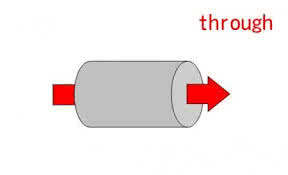
through

/θruː/

(preposition) 通过, 穿过, 在...期间;

(adverb) 通过, 穿过, 完成;

(adjective) 完成的, 结束的

示例:
The train passed through the tunnel.
火车穿过了隧道。

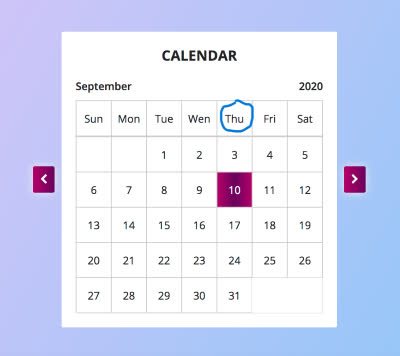
thursday

/ˈθɝːz.deɪ/

(noun) 周四, 星期四

示例:

I have a meeting on Thursday morning.
周四上午有个会议。

ticket

/ˈtɪk.ɪt/

(noun) 票, 门票, 罚单;

(verb) 开罚单, 罚款

示例:

I bought a ticket for the concert.
我买了一张音乐会门票

time

/taɪm/

(noun) 时间, 时刻, 次;

(verb) 计时, 安排时间, 把握时机

示例:

Time flies when you're having fun.
时间在玩乐中飞逝。

tired

/taɪrd/

(adjective) 累, 疲倦, 厌倦

示例:

I'm so tired, I could sleep for a week.
我太了,可以睡一个星期。

title

/ˈtaɪ.t̬əl/

(noun) 标题, 名称, 头衔;

(verb) 命名, 给...加标题

示例:

What's the title of that movie?
那部电影的片名是什么?

to

/tuː/

(preposition) 到, 向, 给

示例:

We are going to the store.

我们去商店。

today

/təˈdeɪ/

(adverb) 今天, 当今;

(noun) 今天, 当今时代

示例:

I have a lot of work to do today.
今天有很多工作要做。

together

/təˈɡeð.ɚ/

(adverb) 一起, 共同, 合拢;

(adjective) 有条理的, 情绪稳定的

示例:

They walked together down the street.
他们一起走在街上。

toilet

/ˈtɔɪ.lət/

(noun) 马桶, 厕所, 洗手间

示例:

Could you tell me where the toilet is?
你能告诉我厕所在哪里吗?

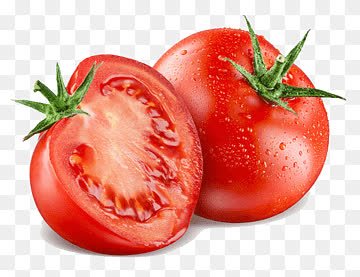
tomato

/təˈmeɪ.t̬oʊ/

(noun) 番茄, 西红柿

示例:

She sliced a ripe tomato for her sandwich.
她为三明治切了一个熟番茄

tomorrow

/təˈmɔːr.oʊ/

(adverb) 明天;

(noun) 明天

示例:

I will see you tomorrow.
明天见你。

tonight

/təˈnaɪt/

(adverb) 今晚;

(noun) 今晚

示例:

I'm going to the concert tonight.
今晚要去听音乐会。

too

/tuː/

(adverb) 太, 过于, 也

示例:

It's too hot to go outside.
外面热了,不能出去。

tooth

/tuːθ/

(noun) 牙齿, 齿, 锯齿

示例:

He brushed his teeth twice a day.
他每天刷两次

topic

/ˈtɑː.pɪk/

(noun) 话题, 主题

示例:

The main topic of discussion was climate change.
讨论的中心话题是气候变化。

tourist

/ˈtʊr.ɪst/

(noun) 游客, 观光客

示例:

Many tourists visit Paris every year.
每年都有许多游客参观巴黎。

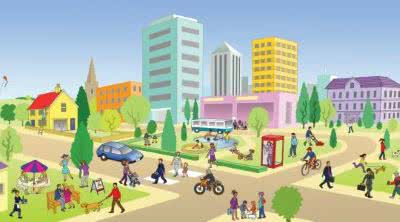
town

/taʊn/

(noun) 城镇, 镇, 镇民

示例:

She grew up in a small town in the countryside.
她在乡村的一个小长大。

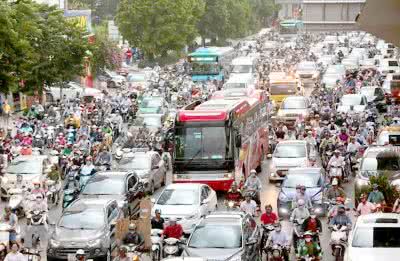
traffic

/ˈtræf.ɪk/

(noun) 交通, 车流量, 交易;

(verb) 贩卖, 交易

示例:
The morning traffic was heavy on the highway.
早上高速公路上的交通很拥堵。

train

/treɪn/

(noun) 火车, 列车, 拖尾;

(verb) 训练, 培养, 锻炼

示例:

The train arrived at the station on time.
火车准时到达车站。

travel

/ˈtræv.əl/

(verb) 旅行, 行进, 传播;

(noun) 旅行, 行程

示例:

I love to travel to new countries.
我喜欢旅行到新的国家。

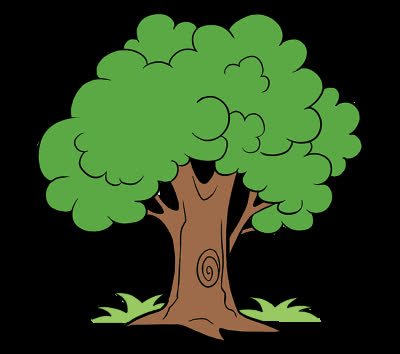
tree

/triː/

(noun) 树, 图;

(verb) 逼上树, 困在树上

示例:

The old oak tree stood tall in the forest.
那棵老橡树高高地立在森林里。

trip

/trɪp/

(noun) 旅行, 旅程, 绊倒;

(verb) 绊倒, 跌倒, 旅行

示例:
We're planning a weekend trip to the mountains.
我们正在计划一次周末旅行去山区。

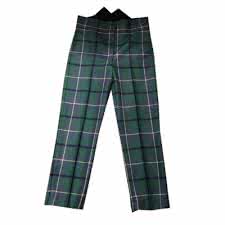
trousers

/ˈtraʊ.zɚz/

(plural noun) 裤子

示例:

He was wearing a pair of grey trousers and a white shirt.
他穿着一条灰色裤子和一件白色衬衫。

true

/truː/

(adjective) 真实的, 正确的, 忠诚的;

(adverb) 准确地, 精确地

示例:

The story he told was completely true.
他讲的故事完全是真实的。

try

/traɪ/

(verb) 尝试, 努力, 测试;

(noun) 尝试, 努力

示例:
I will try to finish the report by tomorrow.
我将尝试在明天之前完成报告。

T-shirt

/ˈtiː.ʃɜːrt/

(noun) T恤

示例:

He was wearing a plain white T-shirt.
他穿着一件纯白T恤

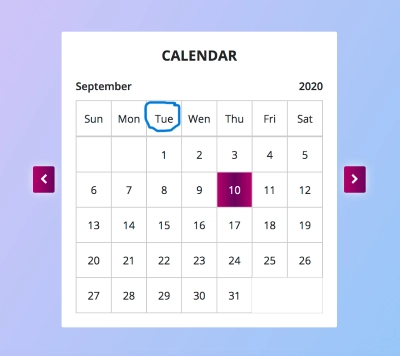
tuesday

/ˈtuːz.deɪ/

(noun) 周二, 星期二

示例:

I have a meeting on Tuesday morning.
周二早上有个会议。

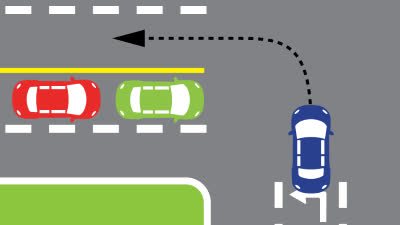
turn

/tɝːn/

(verb) 转动, 旋转, 转向;

(noun) 转弯, 轮流

示例:

The Earth turns on its axis.
地球绕着地轴转动

TV

/ˌtiːˈviː/

(noun) 电视, 电视机, 电视广播

示例:

We bought a new TV for the living room.
我们为客厅买了一台新电视

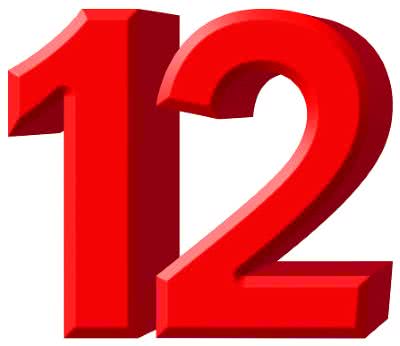
twelve

/twelv/

(number) 十二;

(noun) 十二点

示例:

There are twelve months in a year.
一年有十二个月。

twenty

/ˈtwen.t̬i/

(number) 二十;

(noun) 二十美元钞票

示例:

There are twenty students in the class.
班上有二十名学生。

twice

/twaɪs/

(adverb) 两次, 两倍

示例:

I've been to Paris twice.
我去过巴黎两次

two

/tuː/

(number) 二, 两

示例:

I have two apples.
我有两个苹果。

type

/taɪp/

(noun) 类型, 种类, 铅字;

(verb) 打字, 输入

示例:

What type of music do you like?
你喜欢什么类型的音乐?
在 Lingoland 学习此词汇集