Avatar of Vocabulary Set A1 - Lettre T

Ensemble de vocabulaire A1 - Lettre T dans Oxford 3000 - A1 : Liste complète et détaillée

L'ensemble de vocabulaire 'A1 - Lettre T' dans 'Oxford 3000 - A1' est soigneusement sélectionné à partir de sources de manuels internationaux standard, vous aidant à maîtriser le vocabulaire en peu de temps. Compilation complète de définitions, exemples illustratifs et prononciation standard...

Apprendre cet ensemble de vocabulaire sur Lingoland

Apprendre maintenant
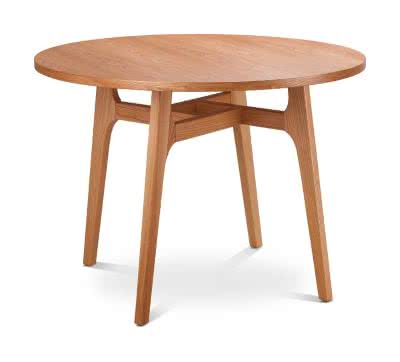
table

/ˈteɪ.bəl/

(noun) table, tableau;

(verb) reporter, ajourner

Exemple:

We gathered around the kitchen table for dinner.
Nous nous sommes réunis autour de la table de la cuisine pour le dîner.

take

/teɪk/

(verb) prendre, saisir, emmener;

(noun) prise, plan, capture

Exemple:

She decided to take a book from the shelf.
Elle a décidé de prendre un livre sur l'étagère.

talk

/tɑːk/

(verb) parler, discuter, faire une conférence;

(noun) discussion, conversation, conférence

Exemple:
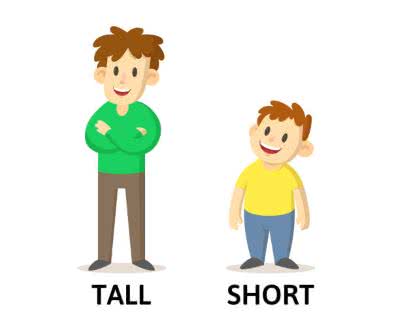
Can we talk for a moment?
Pouvons-nous parler un instant ?

tall

/tɑːl/

(adjective) grand, haut, exagéré

Exemple:
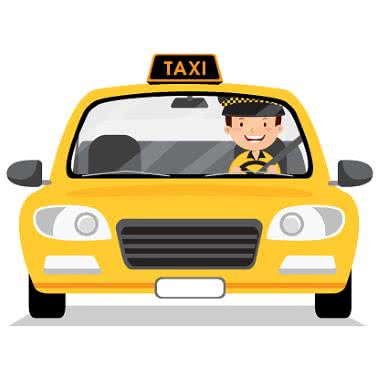
He is a very tall man.
C'est un homme très grand.

taxi

/ˈtæk.si/

(noun) taxi;

(verb) prendre un taxi, rouler (avion)

Exemple:

Let's take a taxi to the airport.
Prenons un taxi pour l'aéroport.

tea

/tiː/

(noun) thé, goûter

Exemple:

Would you like a cup of tea?
Voulez-vous une tasse de thé ?

teach

/tiːtʃ/

(verb) enseigner, apprendre, inculquer

Exemple:

She decided to teach English abroad.
Elle a décidé d'enseigner l'anglais à l'étranger.

teacher

/ˈtiː.tʃɚ/

(noun) professeur, enseignant

Exemple:

My favorite teacher is Mrs. Davis.
Ma professeure préférée est Mme Davis.

team

/tiːm/

(noun) équipe, groupe, attelage;

(verb) faire équipe, collaborer

Exemple:
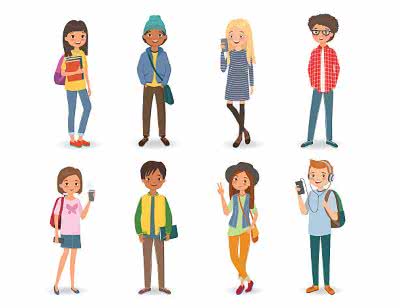
Our sales team exceeded their targets this quarter.
Notre équipe de vente a dépassé ses objectifs ce trimestre.

teenager

/ˈtiːnˌeɪ.dʒɚ/

(noun) adolescent, ado

Exemple:

My daughter is a teenager now, she just turned 15.
Ma fille est une adolescente maintenant, elle vient d'avoir 15 ans.

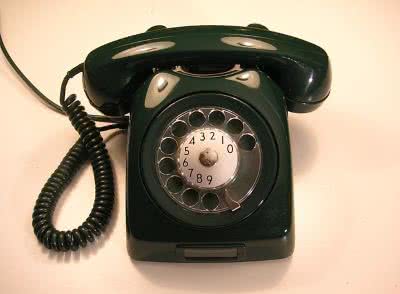
telephone

/ˈtel.ə.foʊn/

(noun) téléphone;

(verb) téléphoner, appeler

Exemple:
She answered the telephone on the first ring.
Elle a répondu au téléphone dès la première sonnerie.

television

/ˈtel.ə.vɪʒ.ən/

(noun) télévision, télé, téléviseur

Exemple:

We watched the news on television.
Nous avons regardé les informations à la télévision.

tell

/tel/

(verb) dire, raconter, distinguer;

(noun) indice, révélation

Exemple:
Can you tell me your name?
Peux-tu me dire ton nom ?

ten

/ten/

(number) dix;

(noun) dizaine, groupe de dix

Exemple:

She counted ten apples in the basket.
Elle a compté dix pommes dans le panier.

tennis

/ˈten.ɪs/

(noun) tennis

Exemple:

She plays tennis every Saturday morning.
Elle joue au tennis tous les samedis matin.

terrible

/ˈter.ə.bəl/

(adjective) terrible, horrible, affreux

Exemple:
The weather was terrible, so we stayed indoors.
Le temps était terrible, alors nous sommes restés à l'intérieur.

test

/test/

(noun) test, essai, examen;

(verb) tester, éprouver, mettre à l'épreuve

Exemple:

The new software underwent rigorous tests before its release.
Le nouveau logiciel a subi des tests rigoureux avant sa sortie.

text

/tekst/

(noun) texte, écrit, SMS;

(verb) envoyer un SMS, texter

Exemple:
The original text of the novel was much longer.
Le texte original du roman était beaucoup plus long.

than

/ðæn/

(conjunction) que, à part;

(preposition) que

Exemple:

She is taller than her brother.
Elle est plus grande que son frère.

thank

/θæŋk/

(verb) remercier;

(noun) remerciement, merci;

(exclamation) merci

Exemple:
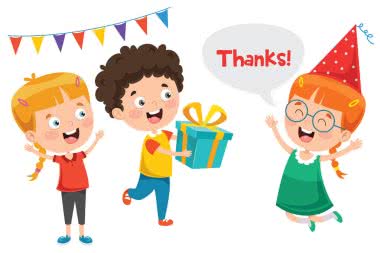
I want to thank you for your help.
Je veux vous remercier pour votre aide.

thanks

/θæŋks/

(exclamation) merci;

(plural noun) remerciements, gratitude

Exemple:
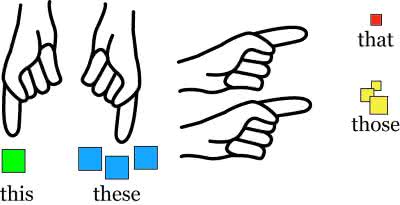
Thanks for your help!
Merci de votre aide !

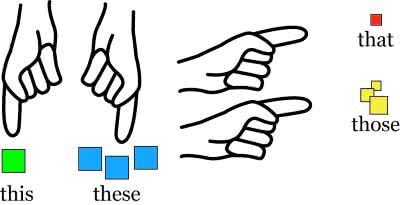
that

/ðæt/

(determiner) ce, cette;

(pronoun) cela, celui-là;

(adverb) si, tellement;

(conjunction) que, qui

Exemple:

Look at that beautiful sunset!
Regarde ce magnifique coucher de soleil !

the

/ðiː/

(determiner) le, la, les;

(adverb) le, plus

Exemple:
The sun is shining brightly.
Le soleil brille fort.

theatre

/ˈθiː.ə.t̬ɚ/

(noun) théâtre, art dramatique, amphithéâtre

Exemple:

We went to the theatre to see a play.
Nous sommes allés au théâtre pour voir une pièce.

their

/ðer/

(determiner) leur, leurs

Exemple:

The students submitted their assignments.
Les étudiants ont rendu leurs devoirs.

them

/ðem/

(pronoun) les, eux, elles

Exemple:

I saw them at the park.
Je les ai vus au parc.

then

/ðen/

(adverb) alors, à ce moment-là, ensuite;

(conjunction) alors, donc;

(adjective) d'alors, de l'époque

Exemple:
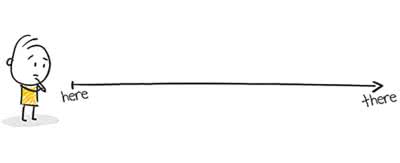
I was living in London then.
J'habitais à Londres à ce moment-là.

there

/ðer/

(adverb) là, là-bas, il y a;

(pronoun) là, cet endroit;

(interjection) il y a, voilà

Exemple:
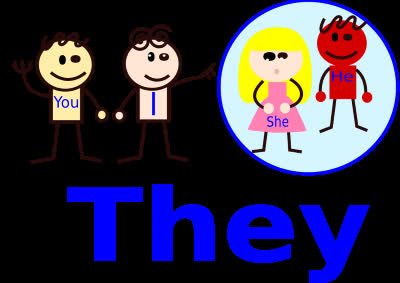
The book is over there on the shelf.
Le livre est là-bas sur l'étagère.

they

/ðeɪ/

(pronoun) ils, elles

Exemple:

The children are playing outside; they are having fun.
Les enfants jouent dehors ; ils s'amusent.

thing

/θɪŋ/

(noun) chose, objet, événement

Exemple:

What is that thing over there?
Qu'est-ce que cette chose là-bas ?

think

/θɪŋk/

(verb) penser, croire, réfléchir;

(noun) réflexion, pensée

Exemple:

What do you think about the new policy?
Que pensez-vous de la nouvelle politique ?

third

/θɝːd/

(ordinal number) troisième;

(noun) tiers;

(adverb) troisièmement

Exemple:
She finished third in the race.
Elle a terminé troisième de la course.

thirsty

/ˈθɝː.sti/

(adjective) assoiffé, sec, avide

Exemple:
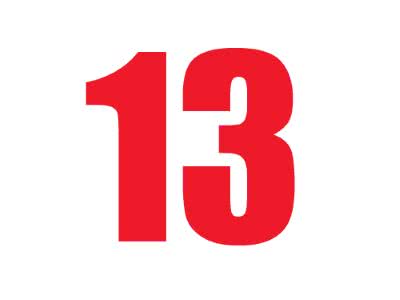
I'm so thirsty, I could drink a whole gallon of water.
J'ai tellement soif, je pourrais boire un gallon entier d'eau.

thirteen

/θɝːˈtiːn/

(number) treize

Exemple:

There are thirteen students in the class.
Il y a treize élèves dans la classe.

thirty

/ˈθɝː.t̬i/

(number) trente

Exemple:

She is thirty years old.
Elle a trente ans.

this

/ðɪs/

(determiner) ce, cette;

(pronoun) ceci;

(adverb) aussi, si

Exemple:

Don't listen to this guy.
N’écoute pas ce gars.

thousand

/ˈθaʊ.zənd/

(number) mille;

(noun) des milliers, un grand nombre

Exemple:

The city has a population of over a thousand.
La ville a une population de plus de mille habitants.

three

/θriː/

(number) trois

Exemple:

I have three apples.
J'ai trois pommes.

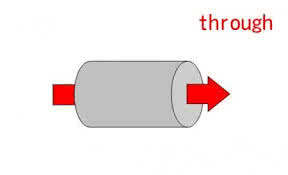
through

/θruː/

(preposition) à travers, par, pendant;

(adverb) à travers, par, fini avec;

(adjective) fini, terminé

Exemple:
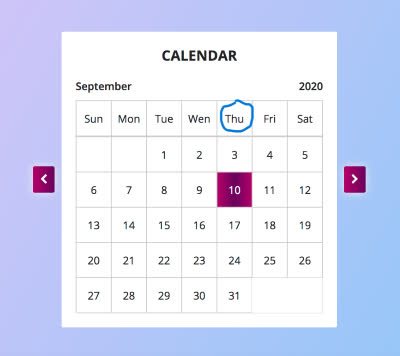
The train passed through the tunnel.
Le train est passé à travers le tunnel.

thursday

/ˈθɝːz.deɪ/

(noun) jeudi

Exemple:

I have a meeting on Thursday morning.
J'ai une réunion le jeudi matin.

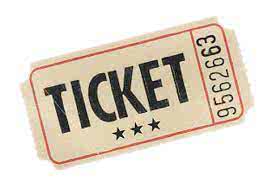
ticket

/ˈtɪk.ɪt/

(noun) billet, contravention, amende;

(verb) verbaliser, mettre une contravention

Exemple:
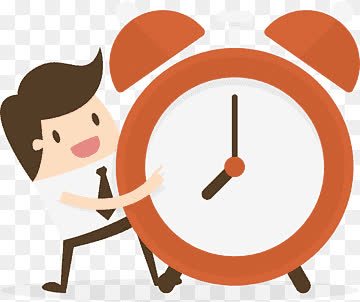
I bought a ticket for the concert.
J'ai acheté un billet pour le concert.

time

/taɪm/

(noun) temps, heure, fois;

(verb) chronométrer, caler

Exemple:

Time flies when you're having fun.
Le temps passe vite quand on s'amuse.

tired

/taɪrd/

(adjective) fatigué, épuisé, lassé

Exemple:
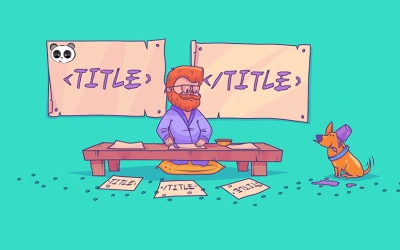
I'm so tired, I could sleep for a week.
Je suis si fatigué, je pourrais dormir pendant une semaine.

title

/ˈtaɪ.t̬əl/

(noun) titre, fonction, championnat;

(verb) titrer, intituler

Exemple:

What's the title of that movie?
Quel est le titre de ce film ?

to

/tuː/

(preposition) à, vers, pour

Exemple:

We are going to the store.

Nous allons au magasin.

today

/təˈdeɪ/

(adverb) aujourd'hui, à l'heure actuelle;

(noun) aujourd'hui, l'époque actuelle

Exemple:

I have a lot of work to do today.
J'ai beaucoup de travail à faire aujourd'hui.

together

/təˈɡeð.ɚ/

(adverb) ensemble, en un seul bloc, en contact;

(adjective) équilibré, bien dans sa peau

Exemple:

They walked together down the street.
Ils marchaient ensemble dans la rue.

toilet

/ˈtɔɪ.lət/

(noun) toilettes, WC

Exemple:

Could you tell me where the toilet is?
Pourriez-vous me dire où sont les toilettes ?

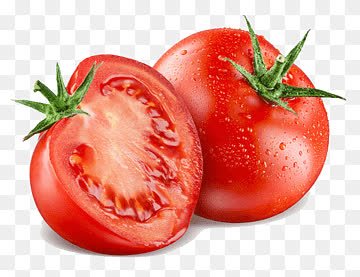
tomato

/təˈmeɪ.t̬oʊ/

(noun) tomate

Exemple:

She sliced a ripe tomato for her sandwich.
Elle a coupé une tomate mûre pour son sandwich.

tomorrow

/təˈmɔːr.oʊ/

(adverb) demain;

(noun) demain

Exemple:

I will see you tomorrow.
Je te verrai demain.

tonight

/təˈnaɪt/

(adverb) ce soir;

(noun) ce soir

Exemple:

I'm going to the concert tonight.
Je vais au concert ce soir.

too

/tuː/

(adverb) trop, aussi, également

Exemple:

It's too hot to go outside.
Il fait trop chaud pour sortir.

tooth

/tuːθ/

(noun) dent, cran

Exemple:

He brushed his teeth twice a day.
Il se brossait les dents deux fois par jour.

topic

/ˈtɑː.pɪk/

(noun) sujet, thème

Exemple:

The main topic of discussion was climate change.
Le principal sujet de discussion était le changement climatique.

tourist

/ˈtʊr.ɪst/

(noun) touriste, visiteur

Exemple:

Many tourists visit Paris every year.
De nombreux touristes visitent Paris chaque année.

town

/taʊn/

(noun) ville, bourg, habitants de la ville

Exemple:
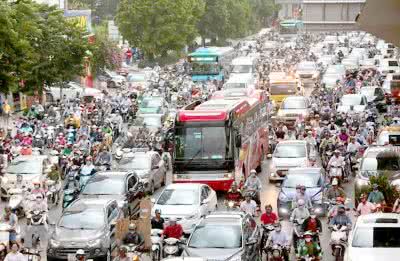
She grew up in a small town in the countryside.
Elle a grandi dans une petite ville à la campagne.

traffic

/ˈtræf.ɪk/

(noun) trafic, circulation, commerce;

(verb) trafiquer, faire du trafic

Exemple:
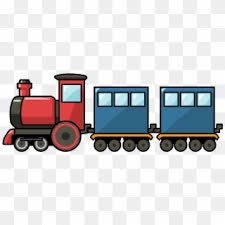
The morning traffic was heavy on the highway.
Le trafic du matin était dense sur l'autoroute.

train

/treɪn/

(noun) train, traîne;

(verb) former, entraîner, s'entraîner

Exemple:
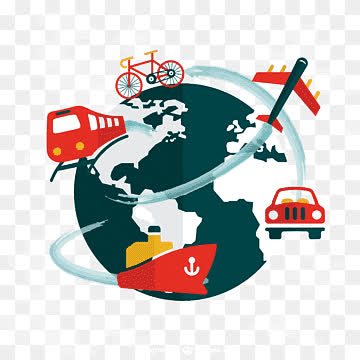
The train arrived at the station on time.
Le train est arrivé à la gare à l'heure.

travel

/ˈtræv.əl/

(verb) voyager, se déplacer, se propager;

(noun) voyage, déplacement

Exemple:
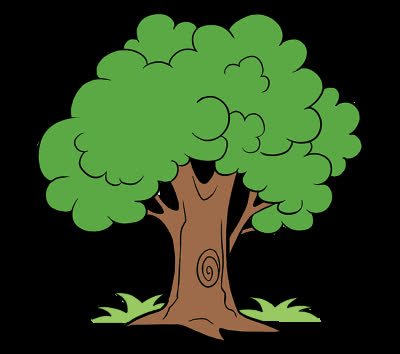
I love to travel to new countries.
J'adore voyager vers de nouveaux pays.

tree

/triː/

(noun) arbre, diagramme;

(verb) faire monter à l'arbre, coincer dans un arbre

Exemple:

The old oak tree stood tall in the forest.
Le vieux chêne se dressait haut dans la forêt.

trip

/trɪp/

(noun) voyage, excursion, chute;

(verb) trébucher, tomber, voyager

Exemple:
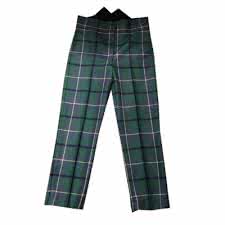
We're planning a weekend trip to the mountains.
Nous planifions un voyage de week-end à la montagne.

trousers

/ˈtraʊ.zɚz/

(plural noun) pantalon

Exemple:

He was wearing a pair of grey trousers and a white shirt.
Il portait un pantalon gris et une chemise blanche.

true

/truː/

(adjective) vrai, réel, fidèle;

(adverb) précisément, exactement

Exemple:
The story he told was completely true.
L'histoire qu'il a racontée était entièrement vraie.

try

/traɪ/

(verb) essayer, tenter, tester;

(noun) essai, tentative

Exemple:
I will try to finish the report by tomorrow.
Je vais essayer de terminer le rapport d'ici demain.

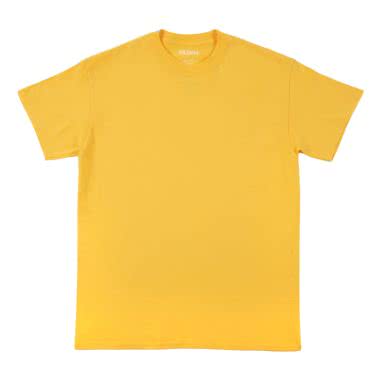
T-shirt

/ˈtiː.ʃɜːrt/

(noun) T-shirt

Exemple:

He was wearing a plain white T-shirt.
Il portait un T-shirt blanc uni.

tuesday

/ˈtuːz.deɪ/

(noun) mardi

Exemple:

I have a meeting on Tuesday morning.
J'ai une réunion le mardi matin.

turn

/tɝːn/

(verb) tourner, faire pivoter, se retourner;

(noun) virage, tour

Exemple:
The Earth turns on its axis.
La Terre tourne sur son axe.

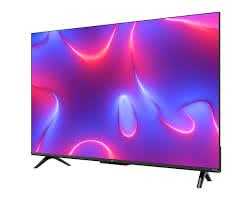
TV

/ˌtiːˈviː/

(noun) télévision, télé, diffusion télévisuelle

Exemple:
We bought a new TV for the living room.
Nous avons acheté une nouvelle télévision pour le salon.

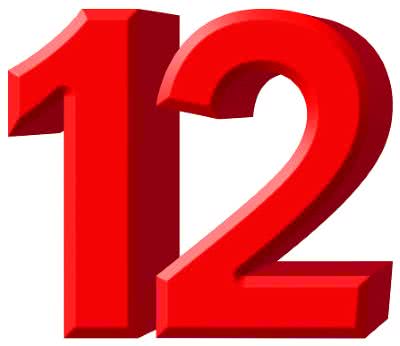
twelve

/twelv/

(number) douze;

(noun) douze

Exemple:

There are twelve months in a year.
Il y a douze mois dans une année.

twenty

/ˈtwen.t̬i/

(number) vingt;

(noun) billet de vingt

Exemple:
There are twenty students in the class.
Il y a vingt étudiants dans la classe.

twice

/twaɪs/

(adverb) deux fois

Exemple:

I've been to Paris twice.
Je suis allé à Paris deux fois.

two

/tuː/

(number) deux

Exemple:

I have two apples.
J'ai deux pommes.

type

/taɪp/

(noun) type, genre, caractère;

(verb) taper, écrire

Exemple:

What type of music do you like?
Quel type de musique aimes-tu ?
Apprendre cet ensemble de vocabulaire sur Lingoland