Avatar of Vocabulary Set A1 - 문자 T

Oxford 3000 - A1 내 A1 - 문자 T 어휘 세트: 완전하고 상세한 목록

'Oxford 3000 - A1' 내 'A1 - 문자 T' 어휘 세트는 국제 표준 교재 출처에서 엄선되어 짧은 시간 안에 어휘를 마스터할 수 있도록 도와줍니다. 정의, 예문, 표준 발음을 완벽하게 수록...

Lingoland에서 이 어휘 세트 학습하기

지금 학습하기
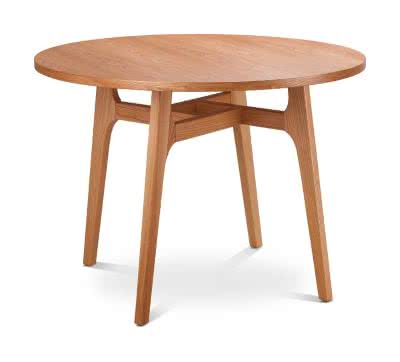
table

/ˈteɪ.bəl/

(noun) 테이블, 식탁, 표;

(verb) 연기하다, 상정하다

예시:

We gathered around the kitchen table for dinner.
우리는 저녁 식사를 위해 부엌 테이블 주위에 모였다.

take

/teɪk/

(verb) 잡다, 쥐다, 데려가다;

(noun) 테이크, 촬영, 가져감

예시:

She decided to take a book from the shelf.
그녀는 선반에서 책을 집어 들기로 결정했다.

talk

/tɑːk/

(verb) 이야기하다, 말하다, 강연하다;

(noun) 이야기, 대화, 강연

예시:
Can we talk for a moment?
잠시 이야기할 수 있을까요?

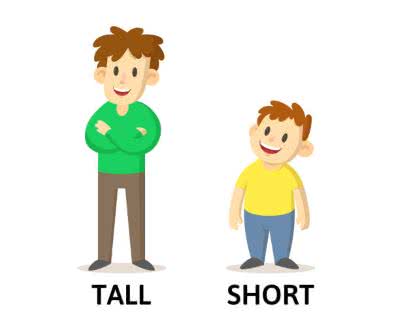
tall

/tɑːl/

(adjective) 키가 큰, 높은, 과장된

예시:

He is a very tall man.
그는 아주 키가 큰 남자이다.

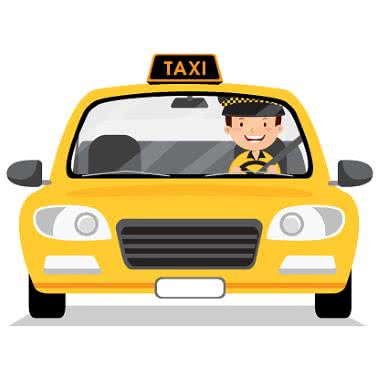
taxi

/ˈtæk.si/

(noun) 택시;

(verb) 택시를 타다, 이동하다 (항공기)

예시:

Let's take a taxi to the airport.
공항까지 택시를 타자.

tea

/tiː/

(noun) 차, 티타임, 간식

예시:

Would you like a cup of tea?
한 잔 하실래요?

teach

/tiːtʃ/

(verb) 가르치다, 교육하다, 깨닫게 하다

예시:

She decided to teach English abroad.
그녀는 해외에서 영어를 가르치기로 결정했다.

teacher

/ˈtiː.tʃɚ/

(noun) 선생님, 교사

예시:

My favorite teacher is Mrs. Davis.
제가 가장 좋아하는 선생님은 데이비스 선생님입니다.

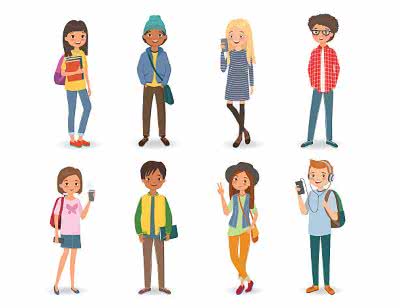
team

/tiːm/

(noun) 팀, 단체, 쌍;

(verb) 협력하다, 팀을 이루다

예시:
Our sales team exceeded their targets this quarter.
우리 영업 은 이번 분기에 목표를 초과 달성했다.

teenager

/ˈtiːnˌeɪ.dʒɚ/

(noun) 십대, 청소년

예시:

My daughter is a teenager now, she just turned 15.
우리 딸은 이제 십대야, 방금 15살이 됐어.

telephone

/ˈtel.ə.foʊn/

(noun) 전화;

(verb) 전화하다

예시:

She answered the telephone on the first ring.
그녀는 첫 벨소리에 전화를 받았다.

television

/ˈtel.ə.vɪʒ.ən/

(noun) 텔레비전, TV, 텔레비전 수상기

예시:

We watched the news on television.
우리는 텔레비전으로 뉴스를 봤다.

tell

/tel/

(verb) 말하다, 이야기하다, 구별하다;

(noun) 신호, 단서

예시:

Can you tell me your name?
이름을 말해줄 수 있니?

ten

/ten/

(number) 열, 십;

(noun) 열 개, 열 묶음

예시:

She counted ten apples in the basket.
그녀는 바구니에 개의 사과를 세었다.

tennis

/ˈten.ɪs/

(noun) 테니스

예시:

She plays tennis every Saturday morning.
그녀는 매주 토요일 아침에 테니스를 쳐.

terrible

/ˈter.ə.bəl/

(adjective) 끔찍한, 지독한, 형편없는

예시:

The weather was terrible, so we stayed indoors.
날씨가 끔찍해서 우리는 실내에 머물렀다.

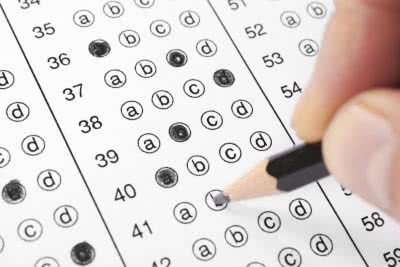
test

/test/

(noun) 테스트, 시험;

(verb) 테스트하다, 시험하다, 능력을 확인하다

예시:

The new software underwent rigorous tests before its release.
새 소프트웨어는 출시 전에 엄격한 테스트를 거쳤다.

text

/tekst/

(noun) 텍스트, 본문, 문자 메시지;

(verb) 문자 보내다, 문자하다

예시:
The original text of the novel was much longer.
소설의 원문은 훨씬 길었다.

than

/ðæn/

(conjunction) 보다, 외에는, 말고는;

(preposition) 보다

예시:

She is taller than her brother.
그녀는 오빠보다 키가 크다.

thank

/θæŋk/

(verb) 감사하다;

(noun) 감사;

(exclamation) 감사합니다

예시:

I want to thank you for your help.
도와주셔서 감사합니다.

thanks

/θæŋks/

(exclamation) 고마워, 감사;

(plural noun) 감사, 고마움

예시:

Thanks for your help!
도와줘서 고마워!

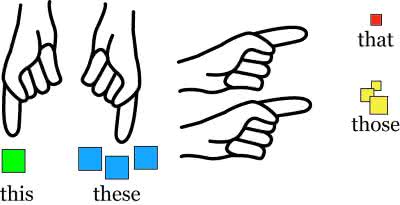
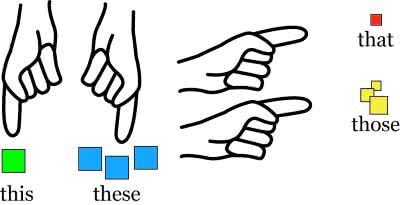
that

/ðæt/

(determiner) 저;

(pronoun) 저것;

(adverb) 그렇게, 그 정도로;

(conjunction) 라고, 것을, 는

예시:
Look at that beautiful sunset!
아름다운 일몰을 봐!

the

/ðiː/

(determiner) 그, ~류, ~종;

(adverb) ~면 ~수록

예시:

The sun is shining brightly.
태양이 밝게 빛나고 있다.

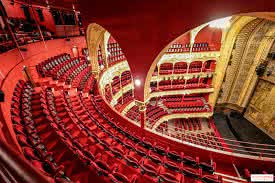
theatre

/ˈθiː.ə.t̬ɚ/

(noun) 극장, 연극, 연극 예술

예시:

We went to the theatre to see a play.
우리는 연극을 보러 극장에 갔다.

their

/ðer/

(determiner) 그들의, 그것들의

예시:

The students submitted their assignments.
학생들은 과제를 제출했다.

them

/ðem/

(pronoun) 그들을, 그것들을

예시:

I saw them at the park.
공원에서 그들을 봤어.

then

/ðen/

(adverb) 그때, 당시에, 그 다음에;

(conjunction) 그럼, 그러면;

(adjective) 당시의, 그때의

예시:
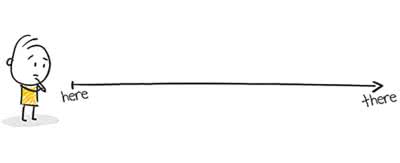
I was living in London then.
나는 그때 런던에 살고 있었어.

there

/ðer/

(adverb) 거기, 저기, 있다;

(pronoun) 거기, 그곳;

(interjection) 있다, 저기

예시:
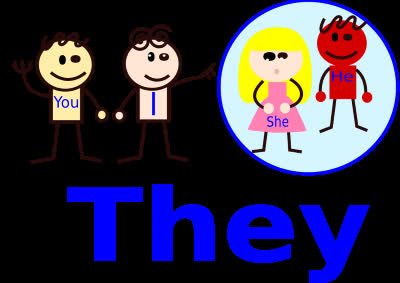
The book is over there on the shelf.
책은 저기 선반 위에 있어.

they

/ðeɪ/

(pronoun) 그들, 그것들

예시:

The children are playing outside; they are having fun.
아이들이 밖에서 놀고 있어; 그들은 즐거워하고 있어.

thing

/θɪŋ/

(noun) 것, 물건, 일

예시:

What is that thing over there?
저기 저 은 무엇입니까?

think

/θɪŋk/

(verb) 생각하다, 여기다, 고려하다;

(noun) 생각, 사고

예시:

What do you think about the new policy?
새로운 정책에 대해 어떻게 생각해?

third

/θɝːd/

(ordinal number) 세 번째의, 제3의;

(noun) 3분의 1;

(adverb) 세 번째로

예시:
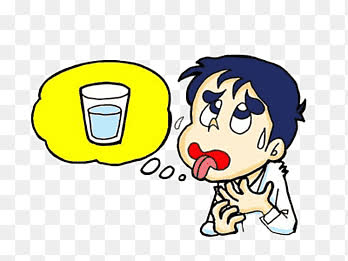
She finished third in the race.
그녀는 경주에서 3등을 했다.

thirsty

/ˈθɝː.sti/

(adjective) 목마른, 물을 필요로 하는, 건조한

예시:
I'm so thirsty, I could drink a whole gallon of water.
너무 목마르다, 물 한 갤런을 다 마실 수 있을 것 같아.

thirteen

/θɝːˈtiːn/

(number) 열셋, 십삼

예시:

There are thirteen students in the class.
반에는 열세 명의 학생이 있다.

thirty

/ˈθɝː.t̬i/

(number) 서른, 삼십

예시:

She is thirty years old.
그녀는 서른 살이야.

this

/ðɪs/

(determiner) 이;

(pronoun) 이것;

(adverb) 이렇게

예시:

Don't listen to this guy.
사람 말 안 들어.

thousand

/ˈθaʊ.zənd/

(number) 천;

(noun) 수천, 많은 수

예시:

The city has a population of over a thousand.
그 도시는 인구가 명이 넘는다.

three

/θriː/

(number) 셋, 삼

예시:

I have three apples.
나는 사과 개를 가지고 있어.

through

/θruː/

(preposition) ~을 통하여, ~을 지나서, ~동안;

(adverb) ~을 통하여, ~을 지나서, ~을 끝내다;

(adjective) ~을 끝낸, ~을 마친

예시:
The train passed through the tunnel.
기차가 터널을 통과했다.

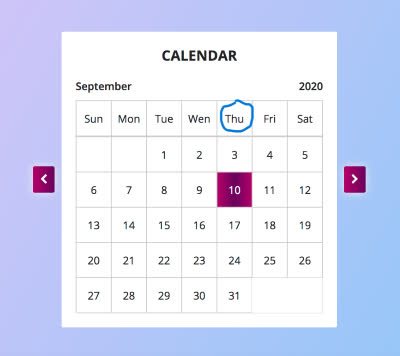
thursday

/ˈθɝːz.deɪ/

(noun) 목요일

예시:

I have a meeting on Thursday morning.
목요일 아침에 회의가 있어.

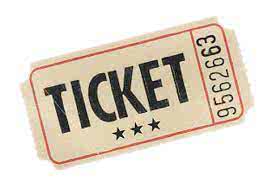
ticket

/ˈtɪk.ɪt/

(noun) 티켓, 표, 딱지;

(verb) 딱지를 떼다, 벌금을 부과하다

예시:

I bought a ticket for the concert.
콘서트 티켓을 샀어.

time

/taɪm/

(noun) 시간, 시각, 번;

(verb) 시간을 재다, 시간을 맞추다, 타이밍을 맞추다

예시:

Time flies when you're having fun.
즐거울 때는 시간이 빨리 간다.

tired

/taɪrd/

(adjective) 피곤한, 지친, 지겨운

예시:

I'm so tired, I could sleep for a week.
너무 피곤해서 일주일 내내 잘 수 있을 것 같아.

title

/ˈtaɪ.t̬əl/

(noun) 제목, 직함, 작위;

(verb) 제목을 붙이다, 이름을 짓다

예시:

What's the title of that movie?
그 영화의 제목이 뭐야?

to

/tuː/

(preposition) 로, 으로, 에게

예시:

We are going to the store.

우리는 가게 가고 있어.

today

/təˈdeɪ/

(adverb) 오늘, 오늘날, 현대;

(noun) 오늘, 오늘날, 현대

예시:

I have a lot of work to do today.
오늘 할 일이 많아.

together

/təˈɡeð.ɚ/

(adverb) 함께, 같이, 한데;

(adjective) 정신적으로 안정된, 정돈된

예시:

They walked together down the street.
그들은 함께 길을 걸어갔다.

toilet

/ˈtɔɪ.lət/

(noun) 화장실, 변기, 변소

예시:

Could you tell me where the toilet is?
화장실이 어디인지 알려주시겠어요?

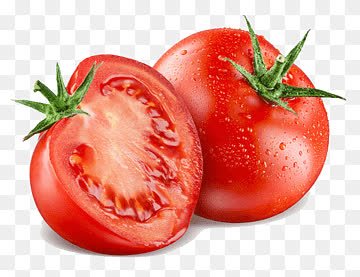
tomato

/təˈmeɪ.t̬oʊ/

(noun) 토마토

예시:

She sliced a ripe tomato for her sandwich.
그녀는 샌드위치를 위해 잘 익은 토마토를 썰었다.

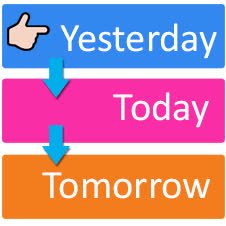
tomorrow

/təˈmɔːr.oʊ/

(adverb) 내일;

(noun) 내일

예시:

I will see you tomorrow.
내일 보자.

tonight

/təˈnaɪt/

(adverb) 오늘 밤;

(noun) 오늘 밤

예시:

I'm going to the concert tonight.
오늘 밤 콘서트에 갈 거야.

too

/tuː/

(adverb) 너무, 지나치게, 또한

예시:

It's too hot to go outside.
밖에 나가기엔 너무 더워.

tooth

/tuːθ/

(noun) 이, 치아, 톱니

예시:

He brushed his teeth twice a day.
그는 하루에 두 번 를 닦았다.

topic

/ˈtɑː.pɪk/

(noun) 주제, 화제

예시:

The main topic of discussion was climate change.
토론의 주요 주제는 기후 변화였다.

tourist

/ˈtʊr.ɪst/

(noun) 관광객, 여행자

예시:

Many tourists visit Paris every year.
매년 많은 관광객이 파리를 방문한다.

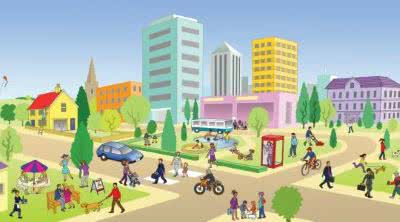
town

/taʊn/

(noun) 읍, 도시, 마을 사람들

예시:

She grew up in a small town in the countryside.
그녀는 시골의 작은 마을에서 자랐다.

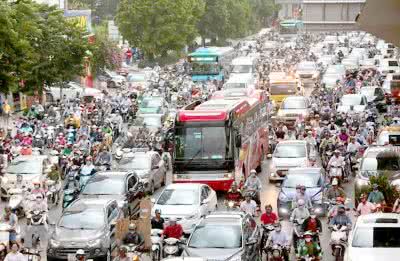
traffic

/ˈtræf.ɪk/

(noun) 교통, 교통량, 거래;

(verb) 거래하다, 매매하다

예시:
The morning traffic was heavy on the highway.
아침 교통량은 고속도로에서 많았다.

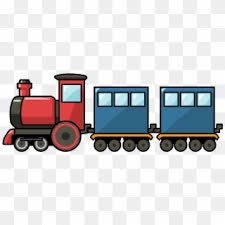
train

/treɪn/

(noun) 기차, 열차, 트레인;

(verb) 훈련하다, 교육하다, 운동하다

예시:

The train arrived at the station on time.
기차는 정시에 역에 도착했다.

travel

/ˈtræv.əl/

(verb) 여행하다, 이동하다, 퍼지다;

(noun) 여행, 이동

예시:
I love to travel to new countries.
새로운 나라로 여행하는 것을 좋아해.

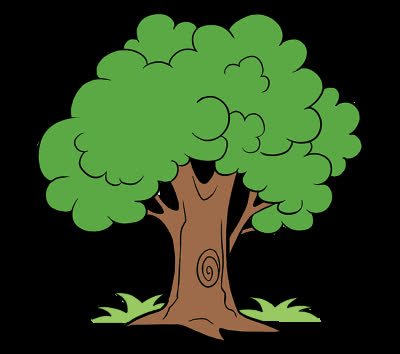
tree

/triː/

(noun) 나무, 트리, 다이어그램;

(verb) 나무 위로 몰아붙이다, 나무에 가두다

예시:

The old oak tree stood tall in the forest.
오래된 참나무가 숲에 높이 서 있었다.

trip

/trɪp/

(noun) 여행, 소풍, 넘어짐;

(verb) 넘어지다, 발이 걸리다, 여행하다

예시:
We're planning a weekend trip to the mountains.
우리는 산으로 주말 여행을 계획하고 있어.

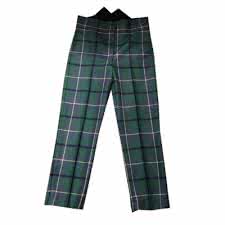
trousers

/ˈtraʊ.zɚz/

(plural noun) 바지

예시:

He was wearing a pair of grey trousers and a white shirt.
그는 회색 바지와 흰 셔츠를 입고 있었다.

true

/truː/

(adjective) 사실인, 진실한, 충실한;

(adverb) 정확히, 바르게

예시:

The story he told was completely true.
그가 말한 이야기는 완전히 사실이었다.

try

/traɪ/

(verb) 시도하다, 노력하다, 시험하다;

(noun) 시도, 노력

예시:

I will try to finish the report by tomorrow.
내일까지 보고서를 끝내려고 노력할 거야.

T-shirt

/ˈtiː.ʃɜːrt/

(noun) 티셔츠

예시:

He was wearing a plain white T-shirt.
그는 평범한 흰색 티셔츠를 입고 있었다.

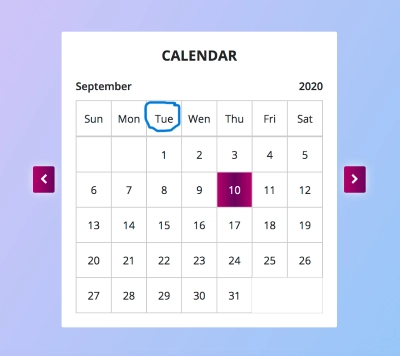
tuesday

/ˈtuːz.deɪ/

(noun) 화요일

예시:

I have a meeting on Tuesday morning.
화요일 오전에 회의가 있어.

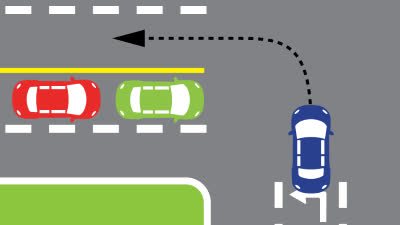
turn

/tɝːn/

(verb) 돌다, 회전하다, 꺾다;

(noun) 회전, 차례

예시:

The Earth turns on its axis.
지구는 자전한다.

TV

/ˌtiːˈviː/

(noun) TV, 텔레비전, 텔레비전 방송

예시:

We bought a new TV for the living room.
거실에 새 TV를 샀어.

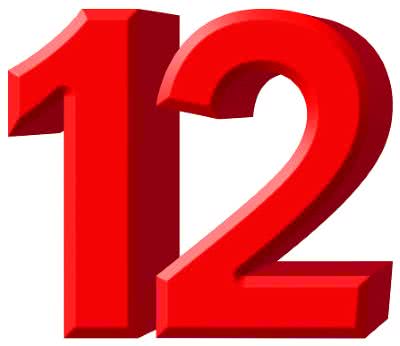
twelve

/twelv/

(number) 열두, 12;

(noun) 12시

예시:

There are twelve months in a year.
1년은 12개월이다.

twenty

/ˈtwen.t̬i/

(number) 스물, 이십;

(noun) 20달러 지폐

예시:

There are twenty students in the class.
반에는 스무 명의 학생이 있다.

twice

/twaɪs/

(adverb) 두 번, 두 배

예시:

I've been to Paris twice.
파리에 두 번 가봤어.

two

/tuː/

(number) 둘, 두

예시:

I have two apples.
나는 사과 개가 있어.

type

/taɪp/

(noun) 종류, 유형, 활자;

(verb) 타이핑하다, 입력하다

예시:

What type of music do you like?
어떤 종류의 음악을 좋아하세요?
Lingoland에서 이 어휘 세트 학습하기