
レベルC2 内 文学 語彙セット:完全かつ詳細なリスト
「レベルC2」内の「文学」語彙セットは国際標準教材から厳選され、短期間で語彙をマスターできます。定義、例文、標準発音を網羅…
Lingolandでこの語彙セットを学習
今すぐ学習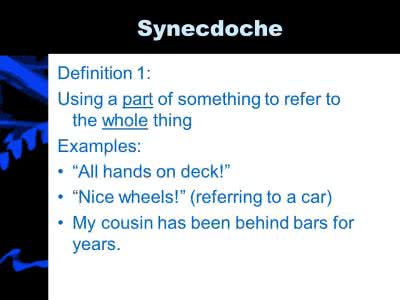
/sɪˈnek.də.ki/
(noun) 提喩, シネクドキ
例:
The phrase 'all hands on deck' is a synecdoche, where 'hands' refers to the sailors.
「all hands on deck(全員甲板へ)」というフレーズは提喩であり、「hands(手)」は船員を指します。

/ænˈtæɡ.ən.ɪst/
(noun) 敵対者, 対抗者, 敵役
例:
The hero faced his main antagonist in the final battle.
主人公は最終決戦で主要な敵対者と対峙した。
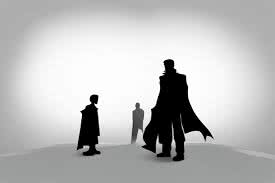
/prəˈtæɡ.ən.ɪst/
(noun) 主人公, 主役, 提唱者
例:
The young wizard is the protagonist of the fantasy series.
若い魔法使いはファンタジーシリーズの主人公です。
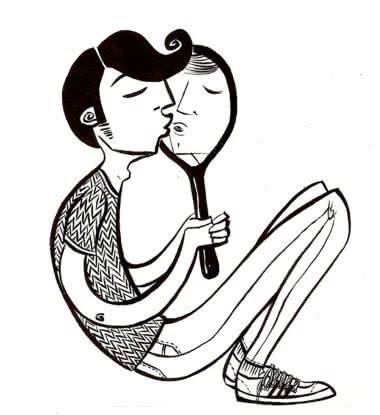
/kənˈsiːt/
(noun) うぬぼれ, 自惚れ, 奇想
例:
His conceit made him unpopular among his colleagues.
彼のうぬぼれは同僚の間で不人気だった。
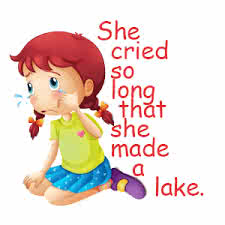
/haɪˈpɝː.bəl.i/
(noun) 誇張法, 誇張
例:
He used hyperbole to describe his hunger, saying he could eat a horse.
彼は空腹を表現するために誇張法を使い、馬一頭食べられると言った。
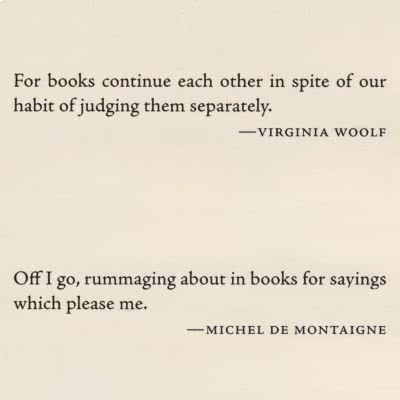
/ˈep.ə.ɡræf/
(noun) エピグラフ, 題辞, 碑文
例:
The novel opened with an intriguing epigraph from an ancient philosopher.
その小説は古代の哲学者の興味深いエピグラフで始まった。
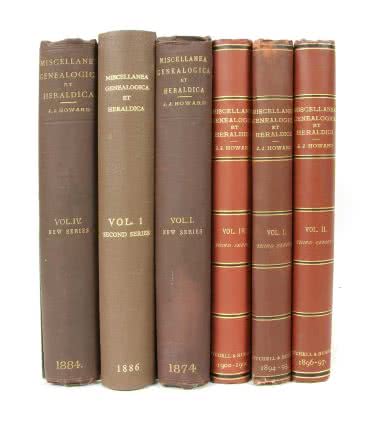
/ˌmɪs.əˈleɪ.ni.ə/
(noun) 雑多なもの, 寄せ集め
例:
The old trunk contained a fascinating array of miscellanea, from antique postcards to forgotten trinkets.
古いトランクには、アンティークの絵葉書から忘れられた小物まで、魅力的な雑多なものが詰まっていた。

/ˌhuːˈdʌn.ɪt/
(noun) 推理小説, フーダニット
例:
She loves reading classic whodunits by Agatha Christie.
彼女はアガサ・クリスティの古典的な推理小説を読むのが大好きだ。
/ˈkoʊ.deks/
(noun) 写本, 絵文書, 法典
例:
The ancient codex contained rare biblical texts.
その古代の写本には珍しい聖書テキストが含まれていた。
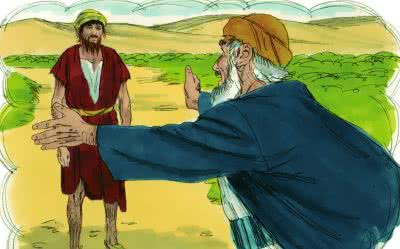
/ˈper.ə.bəl/
(noun) たとえ話, 寓話
例:
The teacher used a parable to explain the importance of forgiveness.
教師は許しの重要性を説明するためにたとえ話を使った。
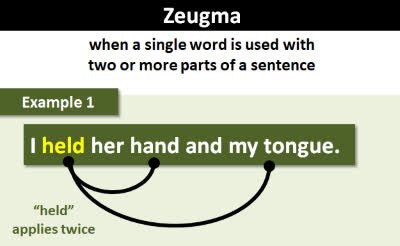
/ˈzuːɡ.mə/
(noun) ゼウグマ, 懸詞法
例:
The sentence 'She broke his car and his heart' is an example of zeugma.
「彼女は彼の車と彼の心を壊した」という文はゼウグマの一例です。
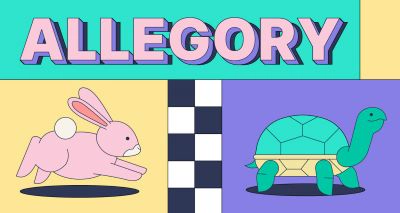
/ˈæl.ə.ɡɔːr.i/
(noun) 寓話, 比喩
例:
George Orwell's 'Animal Farm' is a famous allegory for the Russian Revolution.
ジョージ・オーウェルの『動物農場』はロシア革命の有名な寓話です。
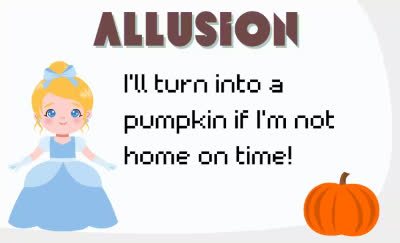
/əˈluː.ʒən/
(noun) 言及, 暗示, ほのめかし
例:
The poem contains an allusion to Greek mythology.
その詩にはギリシャ神話への言及が含まれている。
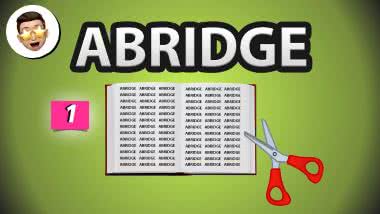
/əˈbrɪdʒ.mənt/
(noun) 要約, 抄録, 短縮版
例:
The publisher released an abridgment of the classic novel for younger readers.
出版社は若い読者向けに古典小説の要約版をリリースした。
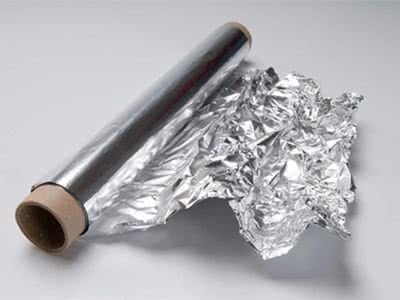
/fɔɪl/
(noun) ホイル, アルミホイル, 引き立て役;
(verb) 阻止する, 挫折させる
例:
Wrap the leftovers tightly in aluminum foil.
残り物をアルミホイルでしっかりと包んでください。
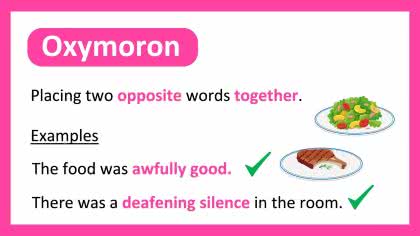
/ˌɑːk.sɪˈmɔːr.ɑːn/
(noun) 撞着語法, 矛盾語法
例:
The phrase 'jumbo shrimp' is a classic example of an oxymoron.
「ジャンボシュリンプ」というフレーズは、撞着語法の典型的な例です。

/fɔrˈʃæd·oʊ·ɪŋ, foʊr-/
(noun) 伏線, 予兆
例:
The dark clouds and distant thunder served as foreshadowing of the coming storm.
暗い雲と遠くの雷は、来るべき嵐の予兆として機能した。
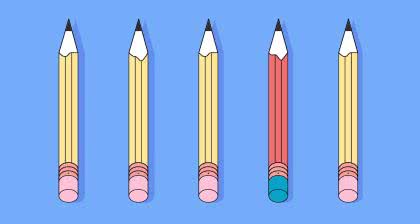
/ˌdʒʌk.stə.pəˈzɪʃ.ən/
(noun) 並置, 対比
例:
The artist used juxtaposition to highlight the differences between light and shadow.
その芸術家は光と影の違いを強調するために並置を用いた。

/ˌmet.əˈfɪk.ʃən/
(noun) メタフィクション
例:
Many postmodern novels employ metafiction to explore the nature of storytelling.
多くのポストモダン小説は、物語の性質を探求するためにメタフィクションを採用しています。

/ˈbɪl.dʊŋz.roʊˌmɑːn/
(noun) 教養小説, 成長小説
例:
Many classic novels, like 'Great Expectations,' are considered bildungsroman.
『大いなる遺産』のような多くの古典小説は、教養小説と見なされている。
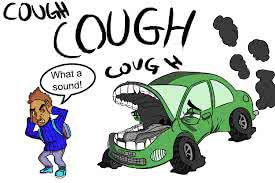
/kəˈkɑː.fə.ni/
(noun) 不協和音, 雑音
例:
The city street was a cacophony of car horns and shouting.
街の通りは車のクラクションと叫び声の不協和音だった。

/moʊˈtiːf/
(noun) モチーフ, 主題, 模様
例:
The motif of betrayal runs through the entire novel.
裏切りのモチーフが小説全体に流れている。
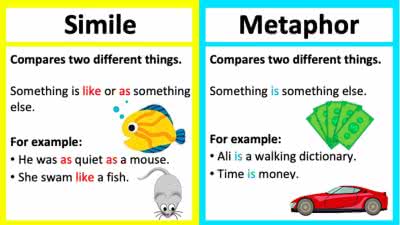
/ˈsɪm.ə.li/
(noun) 直喩
例:
The poet used a simile to describe the clouds as 'like cotton balls floating in the sky'.
詩人は雲を「空に浮かぶ綿の玉のよう」と表現するために直喩を用いた。

/ˈrɔɪ.əl.t̬i/
(noun) 王族, 皇族, 印税
例:
The queen and other royalty attended the state dinner.
女王と他の王族が国賓晩餐会に出席した。
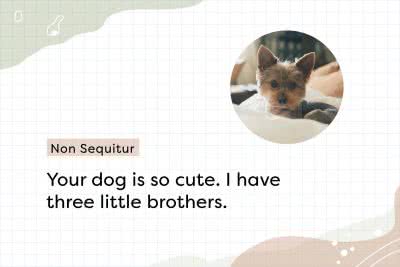
/ˌnɑːn ˈsek.wɪ.tʊr/
(noun) 論理の飛躍, 不合理な結論
例:
His argument was full of non sequiturs, making it hard to follow.
彼の議論は論理の飛躍だらけで、ついていくのが難しかった。
/kəˈnɑː.nɪ.kəl/
(adjective) 教会法の, 正典の, 公認の
例:
The decision was made according to canonical procedures.
その決定は教会法に基づく手続きに従って行われた。
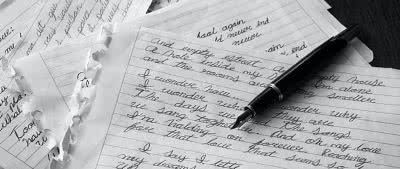
/ɪˈpɪs.təl.er.i/
(adjective) 書簡体の, 手紙の
例:
The novel is written in an epistolary style, composed entirely of letters.
その小説は完全に手紙で構成された書簡体で書かれている。