
Literature Vocabulary Set in Level C2: Full and Detailed List
The 'Literature' vocabulary set in 'Level C2' is carefully selected from standard international textbook sources, helping you master vocabulary in a short time. Comprehensive compilation of definitions, illustrative examples, and standard pronunciation...
Learn this vocabulary set on Lingoland
Learn Now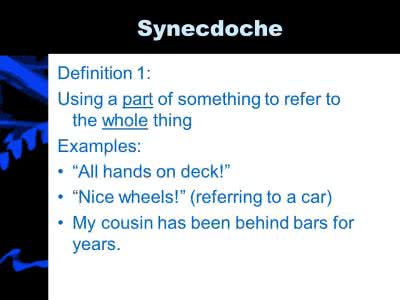
/sɪˈnek.də.ki/
Example:
The phrase 'all hands on deck' is a synecdoche, where 'hands' refers to the sailors.

/ænˈtæɡ.ən.ɪst/
Example:
The hero faced his main antagonist in the final battle.

/prəˈtæɡ.ən.ɪst/
Example:
The young wizard is the protagonist of the fantasy series.
/kənˈsiːt/
Example:
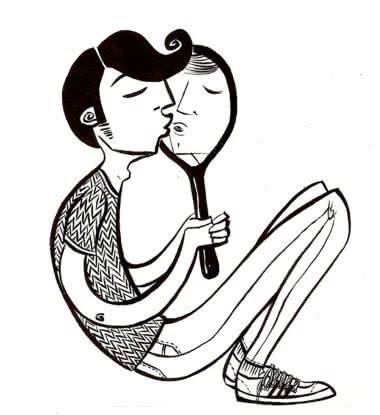
His conceit made him unpopular among his colleagues.

/haɪˈpɝː.bəl.i/
Example:
He used hyperbole to describe his hunger, saying he could eat a horse.
/ˈep.ə.ɡræf/
Example:
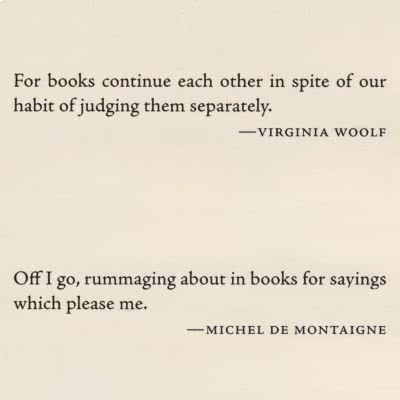
The novel opened with an intriguing epigraph from an ancient philosopher.
/ˌmɪs.əˈleɪ.ni.ə/
Example:
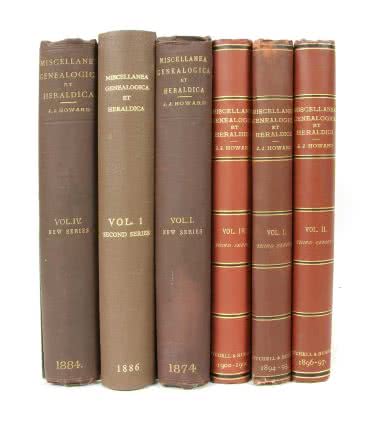
The old trunk contained a fascinating array of miscellanea, from antique postcards to forgotten trinkets.

/ˌhuːˈdʌn.ɪt/
Example:
She loves reading classic whodunits by Agatha Christie.

/ˈkoʊ.deks/
Example:
The ancient codex contained rare biblical texts.
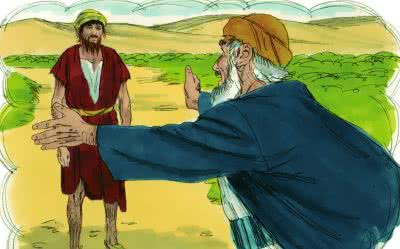
/ˈper.ə.bəl/
Example:
The teacher used a parable to explain the importance of forgiveness.
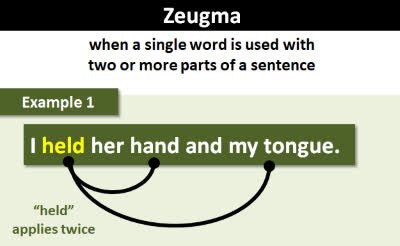
/ˈzuːɡ.mə/
Example:
The sentence 'She broke his car and his heart' is an example of zeugma.

/ˈæl.ə.ɡɔːr.i/
Example:
George Orwell's 'Animal Farm' is a famous allegory for the Russian Revolution.
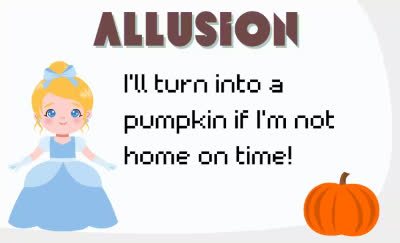
/əˈluː.ʒən/
Example:
The poem contains an allusion to Greek mythology.
/əˈbrɪdʒ.mənt/
Example:
The publisher released an abridgment of the classic novel for younger readers.

/fɔɪl/
Example:
Wrap the leftovers tightly in aluminum foil.
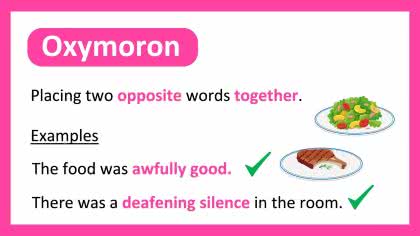
/ˌɑːk.sɪˈmɔːr.ɑːn/
Example:
The phrase 'jumbo shrimp' is a classic example of an oxymoron.

/fɔrˈʃæd·oʊ·ɪŋ, foʊr-/
Example:
The dark clouds and distant thunder served as foreshadowing of the coming storm.

/ˌdʒʌk.stə.pəˈzɪʃ.ən/
Example:
The artist used juxtaposition to highlight the differences between light and shadow.

/ˌmet.əˈfɪk.ʃən/
Example:
Many postmodern novels employ metafiction to explore the nature of storytelling.

/ˈbɪl.dʊŋz.roʊˌmɑːn/
Example:
Many classic novels, like 'Great Expectations,' are considered bildungsroman.

/ˈel.ə.dʒi/
Example:
He wrote an elegy for his deceased friend.
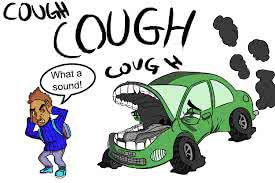
/kəˈkɑː.fə.ni/
Example:
The city street was a cacophony of car horns and shouting.

/moʊˈtiːf/
Example:
The motif of betrayal runs through the entire novel.
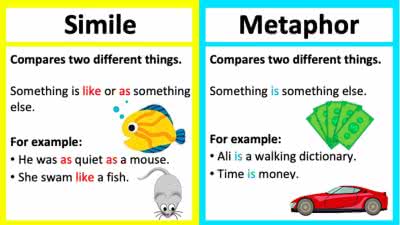
/ˈsɪm.ə.li/
Example:
The poet used a simile to describe the clouds as 'like cotton balls floating in the sky'.

/ˈrɔɪ.əl.t̬i/
Example:
The queen and other royalty attended the state dinner.

/ˌnɑːn ˈsek.wɪ.tʊr/
Example:
His argument was full of non sequiturs, making it hard to follow.

/kəˈnɑː.nɪ.kəl/
Example:
The decision was made according to canonical procedures.

/ɪˈpɪs.təl.er.i/
Example:
The novel is written in an epistolary style, composed entirely of letters.