Avatar of Vocabulary Set C1 - 法と秩序

レベル C1 内 C1 - 法と秩序 語彙セット:完全かつ詳細なリスト

「レベル C1」内の「C1 - 法と秩序」語彙セットは国際標準教材から厳選され、短期間で語彙をマスターできます。定義、例文、標準発音を網羅…

Lingolandでこの語彙セットを学習

今すぐ学習

sue

/suː/

(verb) 訴える, 提訴する

例:

He decided to sue the company for unfair dismissal.
彼は不当解雇で会社を訴えることにした。

acquit

/əˈkwɪt/

(verb) 無罪にする, 放免する, 振る舞う

例:

The jury decided to acquit the defendant due to lack of evidence.
陪審は証拠不十分のため被告を無罪にすることを決定した。

bail

/beɪl/

(noun) 保釈金, 保釈, 手桶;

(verb) 保釈する, 水を汲み出す, 排水する

例:

He was released on bail after paying a large sum.
彼は多額の保釈金を支払って保釈された。

condemn

/kənˈdem/

(verb) 非難する, 糾弾する, 宣告する

例:

The government issued a statement to condemn the terrorist attack.
政府はテロ攻撃を非難する声明を発表した。

convict

/kənˈvɪkt/

(verb) 有罪を宣告する, 有罪とする;

(noun) 囚人, 受刑者

例:

The jury decided to convict him of the crime.
陪審は彼をその罪で有罪とすることを決定した。

detain

/dɪˈteɪn/

(verb) 拘留する, 留置する, 引き止める

例:

Police have the right to detain suspects for a limited period.
警察は容疑者を限られた期間拘留する権利がある。

enforce

/ɪnˈfɔːrs/

(verb) 施行する, 強制する

例:

The police are responsible for enforcing traffic laws.
警察は交通法規を施行する責任がある。

legislate

/ˈledʒ.ə.sleɪt/

(verb) 立法する, 法律を制定する

例:

The government plans to legislate on environmental protection.
政府は環境保護について立法する予定です。

prosecute

/ˈprɑː.sə.kjuːt/

(verb) 起訴する, 訴追する, 遂行する

例:

The state decided to prosecute him for fraud.
州は彼を詐欺で起訴することを決定した。

testify

/ˈtes.tə.faɪ/

(verb) 証言する, 証拠を提出する, 証明する

例:

She was called to testify in court.
彼女は法廷で証言するよう求められた。

advocate

/ˈæd.və.keɪt/

(noun) 擁護者, 提唱者, 弁護士;

(verb) 擁護する, 提唱する

例:

She is a strong advocate for human rights.
彼女は人権の強力な擁護者です。

fbi

/ˌef.biːˈaɪ/

(abbreviation) FBI, 連邦捜査局

例:

The FBI is investigating the case.
FBIがその事件を捜査している。

cop

/kɑːp/

(noun) 警官, 警察官;

(verb) 捕まえる, 逮捕する, 取る

例:

The cop directed traffic at the busy intersection.
警官は交通量の多い交差点で交通整理をした。

handcuff

/ˈhænd.kʌf/

(noun) 手錠;

(verb) 手錠をかける

例:

The police put handcuffs on the suspect.
警察は容疑者に手錠をかけた。

patrol

/pəˈtroʊl/

(noun) パトロール, 巡回隊;

(verb) パトロールする, 巡回する

例:

The police patrol regularly checks the neighborhood.
警察のパトロールは定期的に近所をチェックします。

defendant

/dɪˈfen.dənt/

(noun) 被告, 被告人

例:

The defendant pleaded not guilty to all charges.
被告はすべての容疑に対して無罪を主張した。

hangman

/ˈhæŋ.mən/

(noun) 絞首刑執行人, ハングマン, 単語当てゲーム

例:

In medieval times, the hangman was a feared figure.
中世では、絞首刑執行人は恐れられた存在だった。

juvenile

/ˈdʒuː.və.nəl/

(noun) 少年, 少女;

(adjective) 少年期の, 若者向けの, 幼稚な

例:

The court deals with both adult and juvenile offenders.
裁判所は成人および少年犯罪者の両方を扱います。

magistrate

/ˌmædʒ.ə.streɪt ˈdʒʌdʒ/

(noun) 治安判事, 行政官

例:

The suspect was brought before the magistrate.
容疑者は治安判事の前に連れてこられた。

outlaw

/ˈaʊt.lɑː/

(noun) 無法者, 追放者, 犯罪者;

(verb) 禁止する, 非合法化する, 追放する

例:

The sheriff pursued the notorious outlaw across the desert.
保安官は砂漠を越えて悪名高い無法者を追跡した。

bond

/bɑːnd/

(noun) きずな, 結びつき, 絆;

(verb) 結合する, 接着する, 絆を深める

例:

The prisoner was held by a strong bond.
囚人は強いきずなでつながれていた。

court order

/ˈkɔːrt ˌɔːr.dər/

(noun) 裁判所命令, 法廷命令

例:

The judge issued a court order to prevent the company from selling the disputed property.
裁判官は、会社が係争中の財産を売却するのを防ぐために裁判所命令を出した。

lawsuit

/ˈlɑː.suːt/

(noun) 訴訟, 裁判

例:

The company is facing a lawsuit over patent infringement.
その会社は特許侵害で訴訟に直面している。

hearing

/ˈhɪr.ɪŋ/

(noun) 聴力, 聴覚, 聴聞会

例:

Her hearing is excellent for her age.
彼女の聴力は年齢の割に優れている。

custody

/ˈkʌs.tə.di/

(noun) 親権, 監護権, 拘留

例:

The court granted the mother full custody of the children.
裁判所は母親に子供たちの完全な親権を与えた。

declaration

/ˌdek.ləˈreɪ.ʃən/

(noun) 宣言, 声明, 宣言書

例:

The government issued a declaration of emergency.
政府は緊急事態の宣言を発表した。

guilt

/ɡɪlt/

(noun) 有罪, 罪, 罪悪感

例:

The jury found him innocent of the guilt.
陪審員は彼を有罪ではないと判断した。

innocence

/ˈɪn.ə.səns/

(noun) 無実, 潔白, 無邪気さ

例:

The jury was convinced of his innocence.
陪審員は彼の無実を確信した。

legalization

/ˌliː.ɡəl.əˈzeɪ.ʃən/

(noun) 合法化

例:

The legalization of cannabis has been a controversial topic.
大麻の合法化は物議を醸す話題となっている。

pro bono

/ˌproʊ ˈboʊ.noʊ/

(adverb) プロボノ, 無償の;

(noun) プロボノ, 無償の活動

例:

The lawyer offered to take the case pro bono.
弁護士はプロボノでその事件を引き受けることを申し出た。

plea

/pliː/

(noun) 嘆願, 訴え, 答弁

例:

He made a desperate plea for help.
彼は助けを求める必死の嘆願をした。

testimony

/ˈtes.tə.moʊ.ni/

(noun) 証言, 証拠, 証

例:

The witness gave compelling testimony in court.
証人は法廷で説得力のある証言をした。

verdict

/ˈvɝː.dɪkt/

(noun) 評決, 判決, 評価

例:

The jury returned a verdict of not guilty.
陪審は無罪の評決を下した。

warrant

/ˈwɔːr.ənt/

(noun) 令状, 許可証, 保証;

(verb) 正当化する, 必要とする

例:

The judge issued a search warrant for the suspect's home.
裁判官は容疑者の家に対する捜索令状を発行した。

applicable

/əˈplɪk.ə.bəl/

(adjective) 適用される, 該当する

例:

Please fill in all applicable sections of the form.
フォームの該当するすべてのセクションにご記入ください。

invalid

/ɪnˈvæl.ɪd/

(noun) 病人, 病弱者;

(adjective) 無効な, 不当な, 誤った

例:

The nurse helped the invalid to sit up in bed.
看護師は病人がベッドに座るのを手伝った。

judicial

/dʒuːˈdɪʃ.əl/

(adjective) 司法の, 裁判の, 判断の

例:

The case is currently undergoing judicial review.
その事件は現在、司法審査を受けている。

liable

/ˈlaɪ.ə.bəl/

(adjective) 責任がある, 法的義務がある, 〜しがちである

例:

The company is liable for any damage caused.
会社は発生した損害に対して責任がある

regulatory

/ˈreɡ.jə.lə.tɔːr.i/

(adjective) 規制の, 調整の

例:

The government introduced new regulatory measures for the banking sector.
政府は銀行部門に新たな規制措置を導入した。

undercover

/ˌʌn.dɚˈkʌv.ɚ/

(adjective) おとり捜査の, 秘密の;

(adverb) おとり捜査で, 秘密裏に

例:

The police officer went undercover to infiltrate the criminal organization.
警察官は犯罪組織に潜入するためおとり捜査を行った。

lethal

/ˈliː.θəl/

(adjective) 致命的な, 致死の, 破壊的な

例:

The snake's venom was lethal.
そのヘビの毒は致命的だった。

declare

/dɪˈkler/

(verb) 宣言する, 発表する, 申告する

例:

The government declared a state of emergency.
政府は非常事態を宣言した

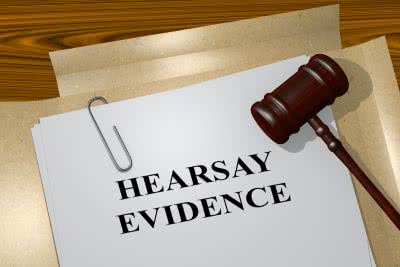
hearsay

/ˈhɪr.seɪ/

(noun) 伝聞, うわさ

例:

I don't trust that information; it's just hearsay.
その情報は信用できない。ただのうわさだ。

public prosecutor

/ˌpʌb.lɪk ˈprɑː.sɪ.kjuː.t̬ɚ/

(noun) 検察官, 検事

例:

The public prosecutor presented strong evidence against the defendant.
検察官は被告に対して強力な証拠を提示した。
Lingolandでこの語彙セットを学習