Avatar of Vocabulary Set Suoni

Insieme di vocabolario Suoni in Livello C2: Lista completa e dettagliata

L'insieme di vocabolario 'Suoni' in 'Livello C2' è selezionato con cura da fonti di testi standard internazionali, aiutandoti a padroneggiare il vocabolario in breve tempo. Compilazione completa di definizioni, esempi illustrativi e pronuncia standard...

Impara questo insieme di vocabolario su Lingoland

Impara ora

muffled

/ˈmʌf.əld/

(adjective) attutito, soffocato;

(verb) avvolgere, coprire

Esempio:

Her voice was muffled by the pillow.
La sua voce era attutita dal cuscino.

shrill

/ʃrɪl/

(adjective) stridulo, acuto;

(verb) strillare, gridare

Esempio:

The shrill cry of the eagle echoed through the mountains.
Il grido stridulo dell'aquila echeggiò tra le montagne.

dissonant

/ˈdɪs.ən.ənt/

(adjective) dissonante, discordante, stonato

Esempio:

The choir produced a dissonant sound.
Il coro ha prodotto un suono dissonante.

grating

/ˈɡreɪ.t̬ɪŋ/

(noun) grata, inferriata;

(adjective) stridulo, fastidioso

Esempio:

The old iron grating covered the storm drain.
La vecchia grata di ferro copriva lo scarico pluviale.

jarring

/ˈdʒɑːr.ɪŋ/

(adjective) stridente, sgradevole, scioccante

Esempio:

The sudden loud noise was quite jarring.
Il rumore improvviso e forte era piuttosto stridente.

squeaky

/ˈskwiː.ki/

(adjective) cigolante, stridulo

Esempio:

The old door opened with a squeaky sound.
La vecchia porta si aprì con un suono cigolante.

raucous

/ˈrɑː.kəs/

(adjective) rauco, chiassoso, turbolento

Esempio:

The crowd gave a raucous cheer.
La folla ha lanciato un applauso rauco.

raspy

/ˈræsp.i/

(adjective) rauca, stridula

Esempio:

He spoke with a raspy voice after shouting all night.
Parlava con una voce rauca dopo aver urlato tutta la notte.

guttural

/ˈɡʌt̬.ɚ.əl/

(adjective) gutturale, roco

Esempio:

He spoke in a deep, guttural voice.
Parlava con una voce profonda e gutturale.

jangling

/ˈdʒæŋ.ɡlɪŋ/

(verb) tintinnante, sferragliante;

(noun) tintinnio, sferragliamento

Esempio:
The keys were jangling in his pocket as he walked.
Le chiavi tintinnavano nella sua tasca mentre camminava.

sibilant

/ˈsɪb.əl.ənt/

(adjective) sibilante;

(noun) sibilante

Esempio:
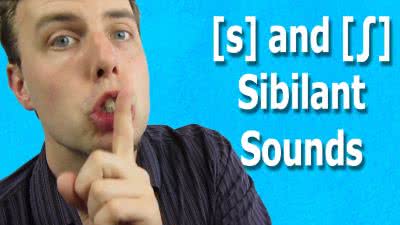
The snake made a sibilant sound as it slithered through the grass.
Il serpente emise un suono sibilante mentre strisciava nell'erba.

clangorous

/ˈklæŋ.ɡər.əs/

(adjective) clangoroso, risonante, strepitante

Esempio:
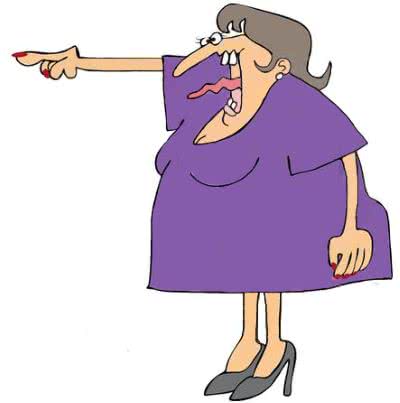
The old factory was filled with the clangorous noise of machinery.
La vecchia fabbrica era piena del rumore clangoroso dei macchinari.

vociferous

/vəˈsɪf.ɚ.əs/

(adjective) vociferante, clamoroso, strepitante

Esempio:

The protestors were vociferous in their demands for justice.
I manifestanti erano vociferanti nelle loro richieste di giustizia.

strident

/ˈstraɪ.dənt/

(adjective) stridulo, aspro, graffiante

Esempio:
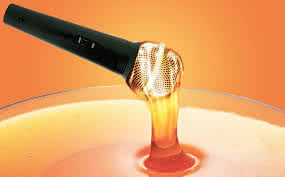
The old machine made a strident noise.
La vecchia macchina faceva un rumore stridulo.

mellifluous

/melˈɪf.lu.əs/

(adjective) mellifluo, dolce, soave

Esempio:
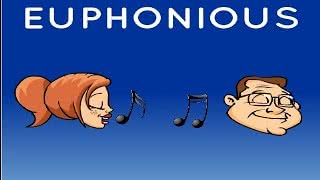
Her mellifluous voice captivated the audience.
La sua voce melliflua ha affascinato il pubblico.

euphonious

/juːˈfoʊ.ni.əs/

(adjective) eufonico, armonioso

Esempio:

The choir's performance was truly euphonious.
L'esibizione del coro è stata davvero eufonica.

clamorous

/ˈklæm.ɚ.əs/

(adjective) rumoroso, chiassoso, insistente

Esempio:

The clamorous crowd cheered for their team.
La folla rumorosa ha tifato per la loro squadra.

screech

/skriːtʃ/

(noun) stridio, strillo, urlo;

(verb) stridere, strillare, urlare

Esempio:

The car came to a sudden halt with a loud screech of tires.
L'auto si fermò improvvisamente con un forte stridio di pneumatici.

chime

/tʃaɪm/

(noun) rintocco, campanello, carillon;

(verb) suonare, rintoccare, tintinnare

Esempio:
The clock struck noon with a melodious chime.
L'orologio suonò mezzogiorno con un rintocco melodioso.

purl

/pɝːl/

(noun) punto rovescio, mormorio, gorgoglio;

(verb) lavorare a rovescio, gorgogliare, mormorare

Esempio:

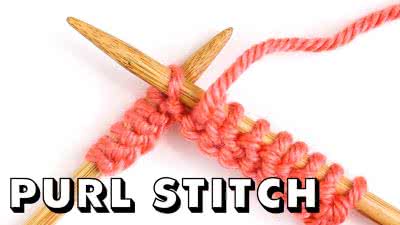
To create a ribbed pattern, alternate knit and purl stitches.
Per creare un motivo a coste, alterna punti dritti e punti rovesci.
Impara questo insieme di vocabolario su Lingoland