Avatar of Vocabulary Set Anatomía Animal (Peces, Insectos, etc.)

Conjunto de vocabulario Anatomía Animal (Peces, Insectos, etc.) en Animales: Lista completa y detallada

El conjunto de vocabulario 'Anatomía Animal (Peces, Insectos, etc.)' en 'Animales' está seleccionado cuidadosamente de fuentes de libros de texto estándar internacionales, ayudándote a dominar el vocabulario en poco tiempo. Incluye definiciones completas, ejemplos ilustrativos y pronunciación estándar...

Aprende este conjunto de vocabulario en Lingoland

Aprender ahora

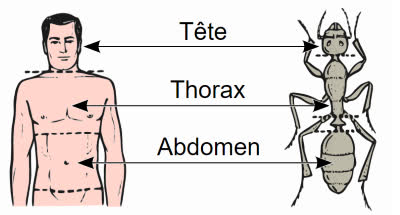
head

/hed/

(noun) cabeza, jefe, director;

(verb) dirigirse, ir, dirigir;

(adjective) principal, delantero

Ejemplo:
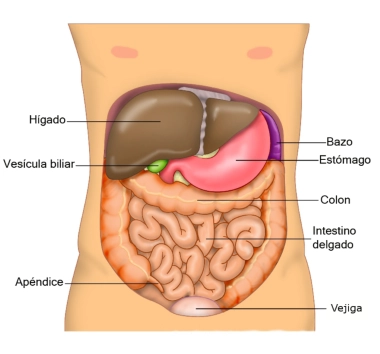
She nodded her head in agreement.
Ella asintió con la cabeza en señal de acuerdo.

abdomen

/ˈæb.də.mən/

(noun) abdomen, vientre

Ejemplo:

He felt a sharp pain in his abdomen.
Sintió un dolor agudo en el abdomen.

thorax

/ˈθɔːr.æks/

(noun) tórax, pecho

Ejemplo:

The surgeon made an incision in the patient's thorax.
El cirujano hizo una incisión en el tórax del paciente.

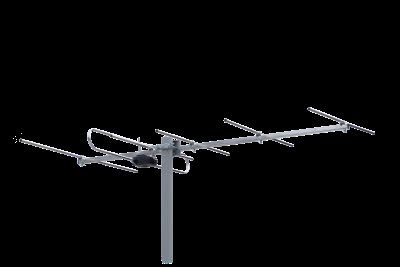
antenna

/ænˈten.ə/

(noun) antena

Ejemplo:

The old television had a rabbit-ear antenna.
El televisor antiguo tenía una antena de orejas de conejo.

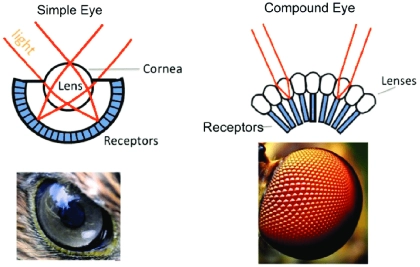
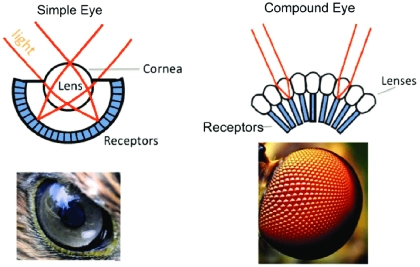
simple eye

/ˈsɪm.pəl ˌaɪ/

(noun) ojo simple, ocelo

Ejemplo:

Insects often have both compound eyes and simple eyes (ocelli).
Los insectos a menudo tienen ojos compuestos y ojos simples (ocelos).

compound eye

/ˈkɑːm.paʊnd aɪ/

(noun) ojo compuesto

Ejemplo:

The fly's compound eye allows it to detect movement from many directions.
El ojo compuesto de la mosca le permite detectar movimiento desde muchas direcciones.

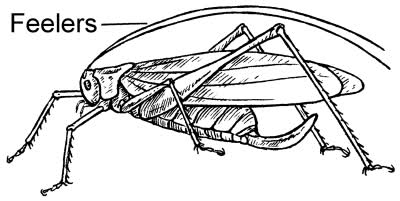
feeler

/ˈfiː.lɚ/

(noun) antena, palpo, sonda

Ejemplo:

The cockroach moved its feelers rapidly.
La cucaracha movió rápidamente sus antenas.

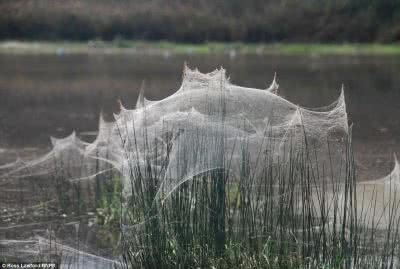
gossamer

/ˈɡɑː.sə.mɚ/

(noun) telaraña, hilo de araña, ligero;

(adjective) ligero, delgado, transparente

Ejemplo:
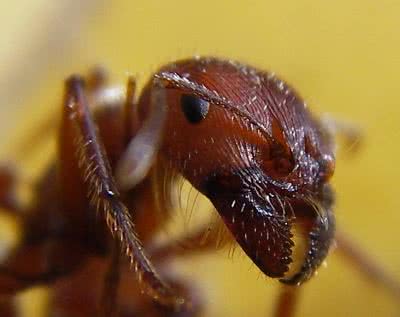
The morning dew clung to the delicate gossamer threads.
El rocío de la mañana se aferraba a los delicadas hebras de telaraña.

pincer

/ˈpɪn.sɚ/

(noun) pinzas, alicates, pinza;

(verb) pinzar, rodear

Ejemplo:
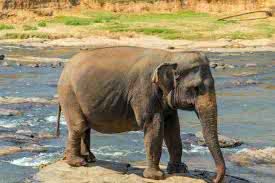
He used a pair of pincers to pull out the nail.
Usó un par de pinzas para sacar el clavo.

proboscis

/proʊˈbɑː.sɪs/

(noun) trompa, probóscide

Ejemplo:

The elephant used its proboscis to spray water over itself.
El elefante usó su trompa para rociarse agua.

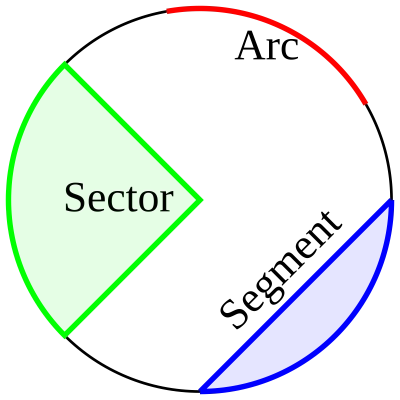
segment

/ˈseɡ.mənt/

(noun) segmento, parte, sección;

(verb) segmentar, dividir

Ejemplo:
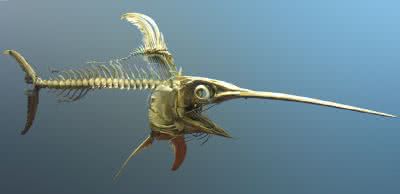
The orange was divided into several segments.
La naranja se dividió en varios segmentos.

stinger

/ˈstɪŋ.ɚ/

(noun) aguijón, puya, cortinilla

Ejemplo:
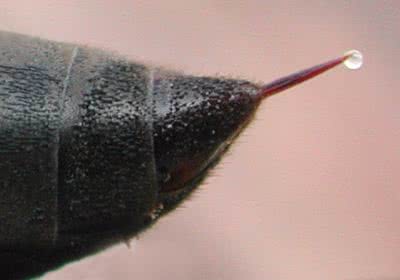
The bee left its stinger in my arm.
La abeja dejó su aguijón en mi brazo.

sucker

/ˈsʌk.ɚ/

(noun) tonto, incauto, mamón;

(verb) engañar, timar

Ejemplo:
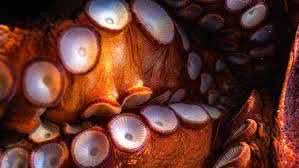
He's such a sucker for a sob story.
Es un tonto para las historias tristes.

vein

/veɪn/

(noun) vena, veta, derrotero

Ejemplo:
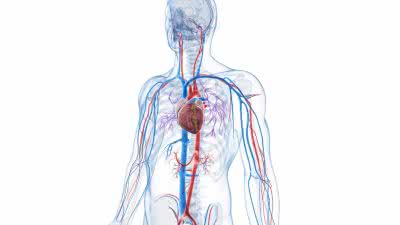
The nurse struggled to find a suitable vein for the injection.
La enfermera luchó por encontrar una vena adecuada para la inyección.

endoskeleton

/ˌen.doʊˈskel.ɪ.tən/

(noun) endoesqueleto, esqueleto interno

Ejemplo:
Humans and other mammals have an endoskeleton.
Los humanos y otros mamíferos tienen un endoesqueleto.

exoskeleton

/ˌek.soʊˈskel.ət̬ən/

(noun) exoesqueleto, estructura externa

Ejemplo:
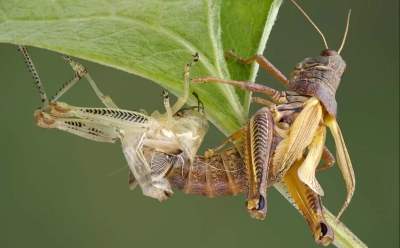
Insects have a hard exoskeleton that protects their soft bodies.
Los insectos tienen un exoesqueleto duro que protege sus cuerpos blandos.

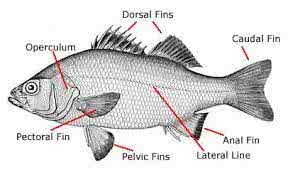
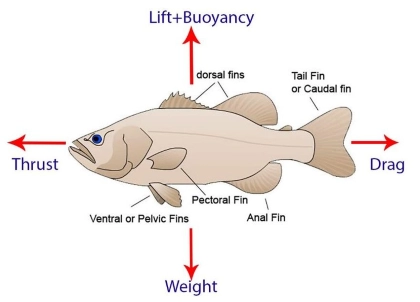
fin

/fɪn/

(noun) aleta, estabilizador;

(verb) aletas, dotar de aletas

Ejemplo:
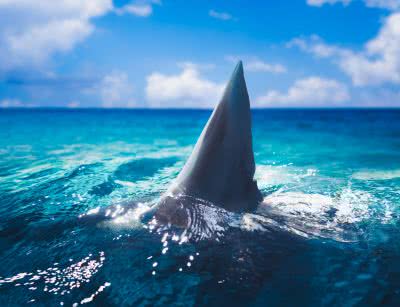
The shark's dorsal fin cut through the water.
La aleta dorsal del tiburón cortaba el agua.

venom

/ˈvenəm/

(noun) veneno, malicia, rencor

Ejemplo:
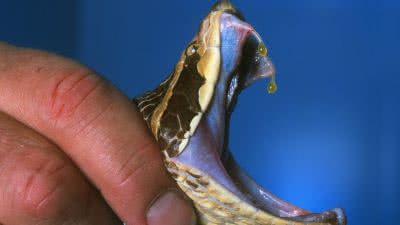
The snake injected its venom into the mouse.
La serpiente inyectó su veneno en el ratón.

tentacle

/ˈten.t̬ə.kəl/

(noun) tentáculo, ramificación, extensión

Ejemplo:
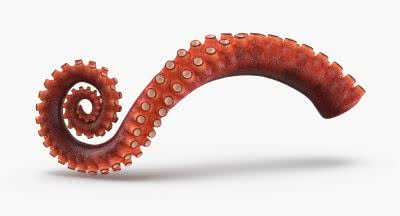
The octopus used its tentacles to grab the prey.
El pulpo usó sus tentáculos para agarrar a la presa.

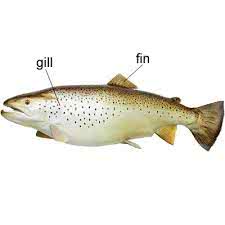
gill

/ɡɪl/

(noun) branquia, lámina, gill

Ejemplo:
Fish breathe through their gills.
Los peces respiran por sus branquias.

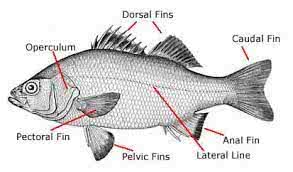
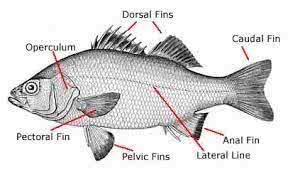
pectoral fin

/ˈpek.tər.əl fɪn/

(noun) aleta pectoral

Ejemplo:

The shark used its pectoral fins to steer through the water.
El tiburón usó sus aletas pectorales para dirigirse a través del agua.

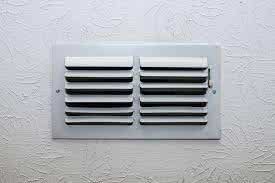
vent

/vent/

(noun) ventilación, rejilla, chimenea;

(verb) desahogar, expresar, manifestar

Ejemplo:
The bathroom has a small vent to remove steam.
El baño tiene una pequeña rejilla de ventilación para eliminar el vapor.

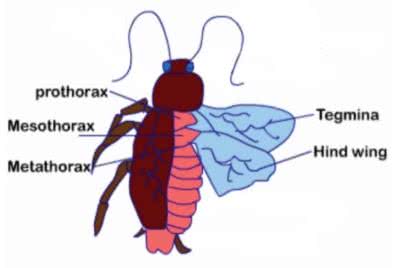
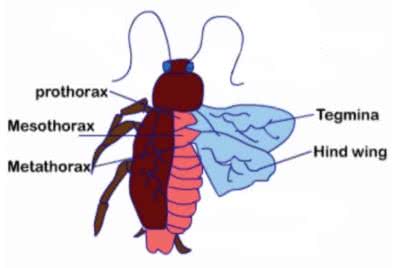
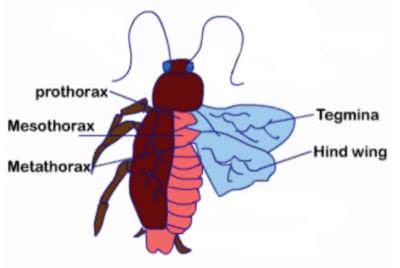
prothorax

/ˌproʊˈθɔː.ræks/

(noun) protórax

Ejemplo:

The beetle's prothorax was heavily armored.
El protórax del escarabajo estaba fuertemente blindado.

mesothorax

/ˌmɛsoʊˈθɔːræks/

(noun) mesotórax

Ejemplo:

The forewings of the beetle are attached to its mesothorax.
Las alas anteriores del escarabajo están unidas a su mesotórax.

metathorax

/ˌmetəˈθɔːræks/

(noun) metatórax

Ejemplo:

The insect's metathorax is clearly visible, supporting its powerful hind legs.
El metatórax del insecto es claramente visible, soportando sus poderosas patas traseras.

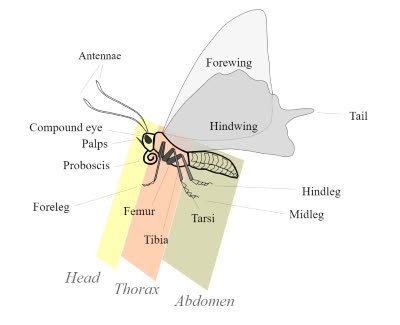
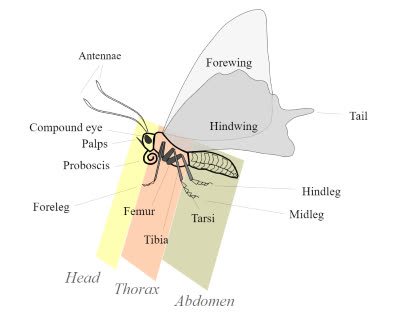
forewing

/ˈfɔːr.wɪŋ/

(noun) ala anterior

Ejemplo:

The butterfly's forewing had a distinctive blue spot.
El ala anterior de la mariposa tenía una mancha azul distintiva.

hindwing

/ˈhaɪnd.wɪŋ/

(noun) ala posterior

Ejemplo:

The butterfly's hindwing had a beautiful eyespot pattern.
El ala posterior de la mariposa tenía un hermoso patrón de manchas oculares.

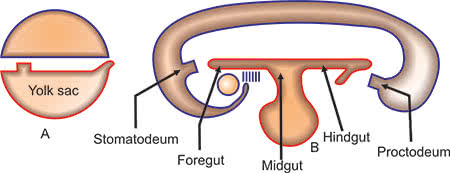
hindgut

/ˈhaɪndɡʌt/

(noun) intestino posterior

Ejemplo:

In insects, the hindgut is involved in water and ion reabsorption.
En los insectos, el intestino posterior está involucrado en la reabsorción de agua e iones.

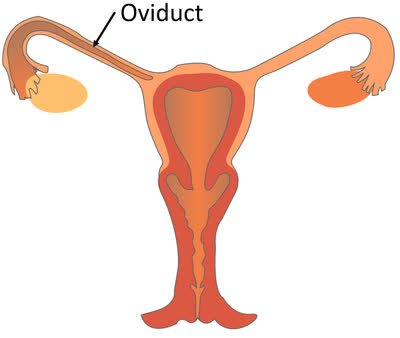
oviduct

/ˈoʊ.vɪ.dʌkt/

(noun) oviducto

Ejemplo:

In birds, the oviduct is where the eggshell is formed.
En las aves, el oviducto es donde se forma la cáscara del huevo.

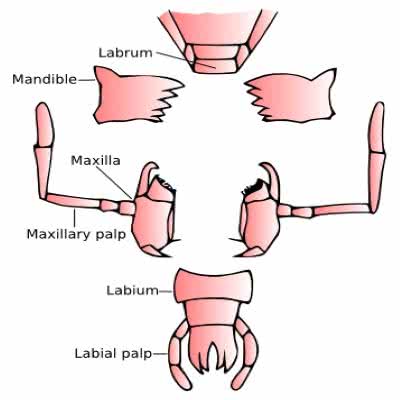
mouthpart

/ˈmaʊθ.pɑːrt/

(noun) pieza bucal, apéndice bucal

Ejemplo:
The mosquito's mouthparts are adapted for piercing and sucking blood.
Las piezas bucales del mosquito están adaptadas para perforar y succionar sangre.

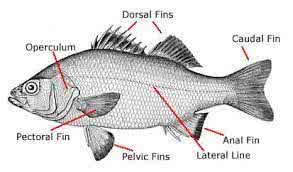
operculum

/oʊˈpɜːr.kjə.ləm/

(noun) opérculo

Ejemplo:

The snail retracted into its shell, closing the operculum tightly.
El caracol se retrajo en su concha, cerrando el opérculo herméticamente.

lateral line

/ˈlæt.ər.əl ˌlaɪn/

(noun) línea lateral

Ejemplo:

Fish use their lateral line to navigate in murky waters.
Los peces usan su línea lateral para navegar en aguas turbias.

dorsal fin

/ˈdɔːr.səl ˌfɪn/

(noun) aleta dorsal

Ejemplo:

The shark's dorsal fin cut through the water.
La aleta dorsal del tiburón cortaba el agua.

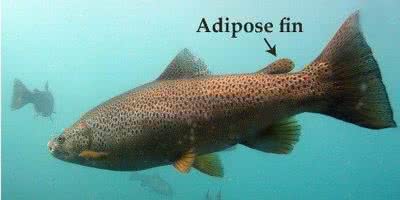
adipose fin

/ˈæd.ɪ.poʊs fɪn/

(noun) aleta adiposa

Ejemplo:

The salmon's adipose fin is a key identifier for its species.
La aleta adiposa del salmón es un identificador clave para su especie.

caudal fin

/ˈkɔːdəl fɪn/

(noun) aleta caudal

Ejemplo:

The shark's powerful caudal fin propelled it through the water.
La potente aleta caudal del tiburón lo impulsaba a través del agua.

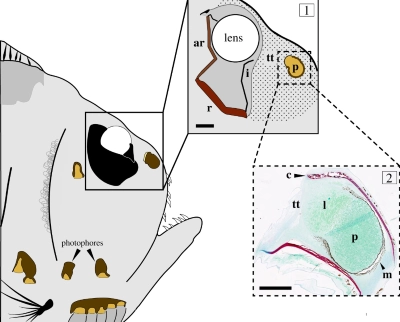
photophore

/ˈfoʊtəfɔːr/

(noun) fotóforo

Ejemplo:

Many deep-sea creatures use photophores to attract prey or mates.
Muchas criaturas de aguas profundas usan fotóforos para atraer presas o parejas.

pelvic fin

/ˈpel.vɪk fɪn/

(noun) aleta pélvica, aleta ventral

Ejemplo:
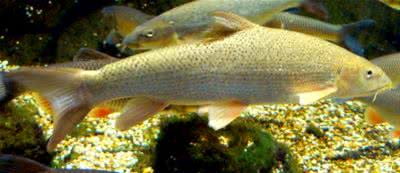
The fish used its pelvic fins to maintain balance in the current.
El pez usó sus aletas pélvicas para mantener el equilibrio en la corriente.

barbel

/ˈbɑːr.bəl/

(noun) barbillón, barbo

Ejemplo:

The catfish has prominent barbels around its mouth.
El bagre tiene barbillones prominentes alrededor de su boca.
Aprende este conjunto de vocabulario en Lingoland