
動物 内 動物の解剖学(魚、昆虫など) 語彙セット:完全かつ詳細なリスト
「動物」内の「動物の解剖学(魚、昆虫など)」語彙セットは国際標準教材から厳選され、短期間で語彙をマスターできます。定義、例文、標準発音を網羅…
Lingolandでこの語彙セットを学習
今すぐ学習
/hed/
(noun) 頭, 首, 長;
(verb) 向かう, 進む, 率いる;
(adjective) 主要な, 先頭の
例:
She nodded her head in agreement.
彼女は同意して首を縦に振った。
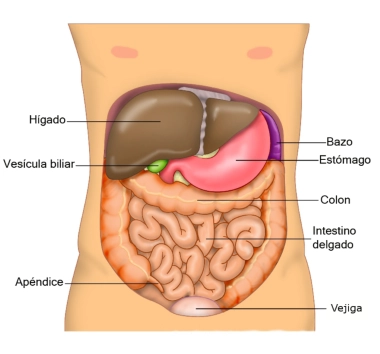
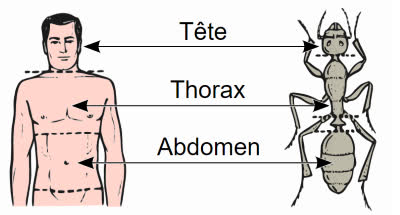
/ˈθɔːr.æks/
(noun) 胸部, 胸郭, 胸節
例:
The surgeon made an incision in the patient's thorax.
外科医は患者の胸部に切開を行った。
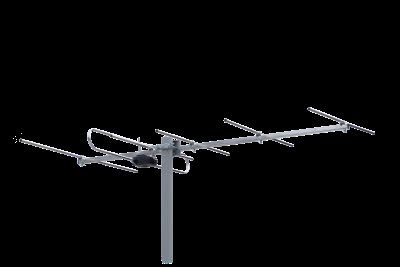
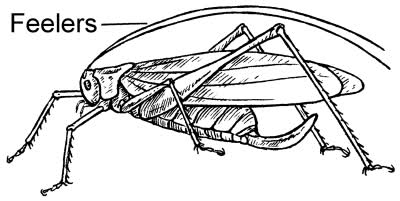
/ænˈten.ə/
(noun) アンテナ, 触角
例:
The old television had a rabbit-ear antenna.
古いテレビにはウサギの耳のようなアンテナが付いていた。
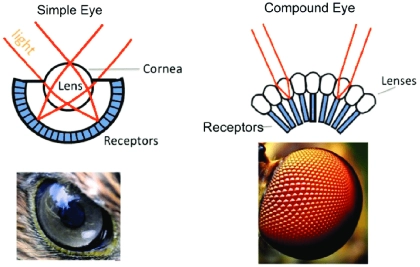
/ˈsɪm.pəl ˌaɪ/
(noun) 単眼, 個眼
例:
Insects often have both compound eyes and simple eyes (ocelli).
昆虫はしばしば複眼と単眼(個眼)の両方を持っています。
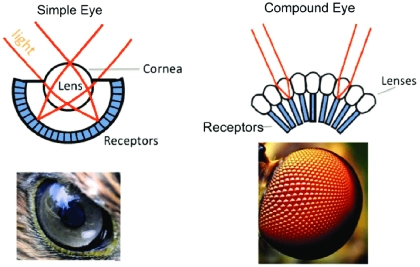
/ˈkɑːm.paʊnd aɪ/
(noun) 複眼
例:
The fly's compound eye allows it to detect movement from many directions.
ハエの複眼は、多くの方向からの動きを検出することを可能にする。
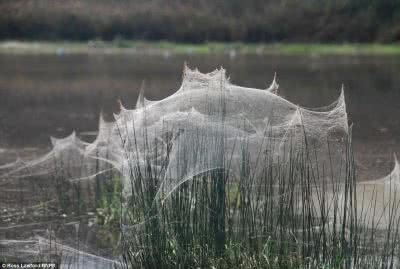
/ˈɡɑː.sə.mɚ/
(noun) クモの糸, 薄い絹, 薄い;
(adjective) 薄い, 軽い, 繊細な
例:
The morning dew clung to the delicate gossamer threads.
朝露が繊細なクモの糸にまとわりついていた。
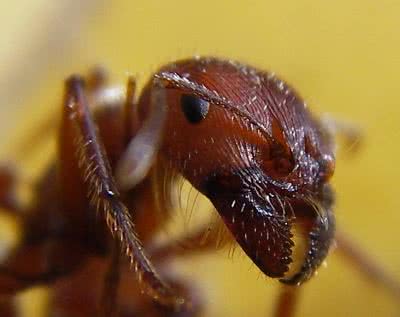
/ˈpɪn.sɚ/
(noun) ペンチ, やっとこ, はさみ;
(verb) 挟む, 挟み撃ちにする
例:
He used a pair of pincers to pull out the nail.
彼は釘を抜くためにペンチを使った。
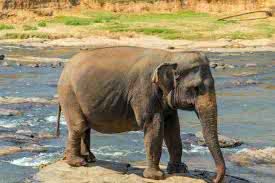
/proʊˈbɑː.sɪs/
(noun) 鼻, 口吻, 吸口
例:
The elephant used its proboscis to spray water over itself.
ゾウは鼻を使って自分に水をかけた。
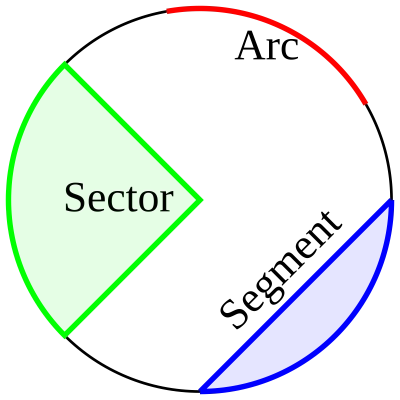
/ˈseɡ.mənt/
(noun) セグメント, 部分, 区分;
(verb) セグメント化する, 分割する
例:
The orange was divided into several segments.
オレンジはいくつかのセグメントに分けられた。
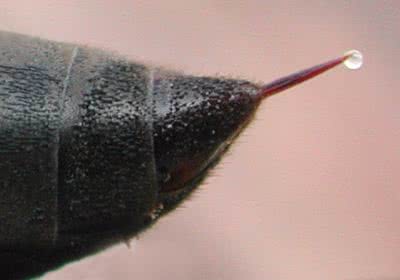
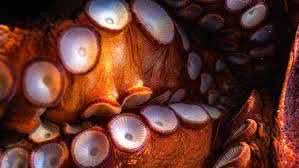
/ˈsʌk.ɚ/
(noun) だまされやすい人, カモ, 子動物;
(verb) だます, 欺く
例:
He's such a sucker for a sob story.
彼は泣き話にとてもだまされやすい。
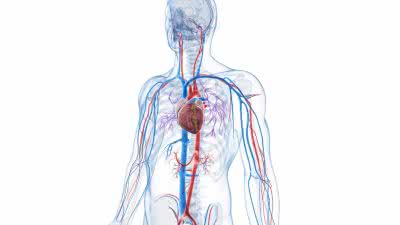
/veɪn/
(noun) 静脈, 血管, 筋
例:
The nurse struggled to find a suitable vein for the injection.
看護師は注射に適した静脈を見つけるのに苦労した。
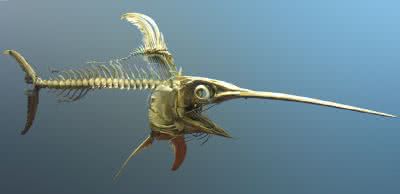
/ˌen.doʊˈskel.ɪ.tən/
(noun) 内骨格
例:
Humans and other mammals have an endoskeleton.
人間や他の哺乳類は内骨格を持っています。
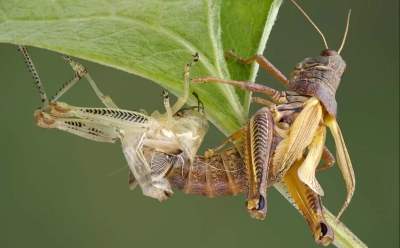
/ˌek.soʊˈskel.ət̬ən/
(noun) 外骨格, 外部骨格
例:
Insects have a hard exoskeleton that protects their soft bodies.
昆虫は柔らかい体を保護する硬い外骨格を持っています。
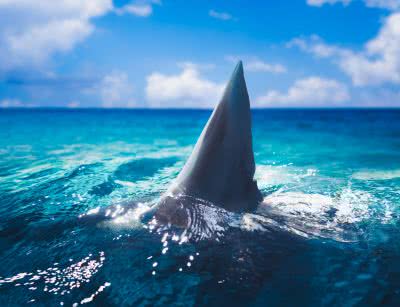
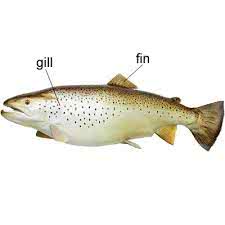
/fɪn/
(noun) ひれ, フィン, 安定板;
(verb) フィンを取り付ける
例:
The shark's dorsal fin cut through the water.
サメの背びれが水を切った。
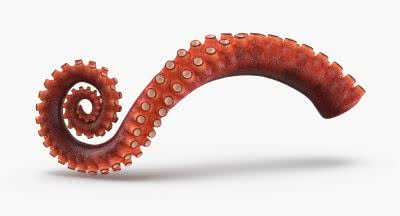
/ˈten.t̬ə.kəl/
(noun) 触手, 触角, 延長部
例:
The octopus used its tentacles to grab the prey.
タコは獲物を捕まえるために触手を使った。
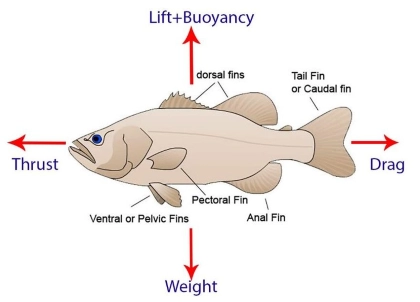
/ˈpek.tər.əl fɪn/
(noun) 胸びれ
例:
The shark used its pectoral fins to steer through the water.
サメは胸びれを使って水中を操縦した。
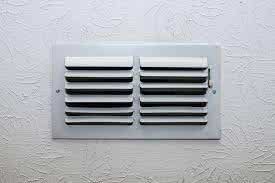
/vent/
(noun) 通気口, 排気口, 噴気孔;
(verb) ぶちまける, 発散する, 吐き出す
例:
The bathroom has a small vent to remove steam.
浴室には蒸気を排出するための小さな通気口があります。
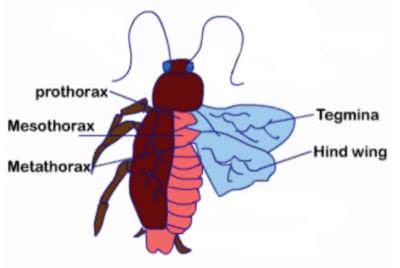
/ˌproʊˈθɔː.ræks/
(noun) 前胸
例:
The beetle's prothorax was heavily armored.
カブトムシの前胸は重装甲だった。
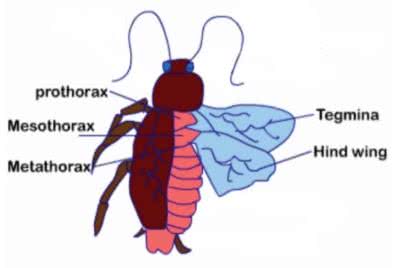
/ˌmɛsoʊˈθɔːræks/
(noun) 中胸
例:
The forewings of the beetle are attached to its mesothorax.
カブトムシの前翅は中胸に付着している。
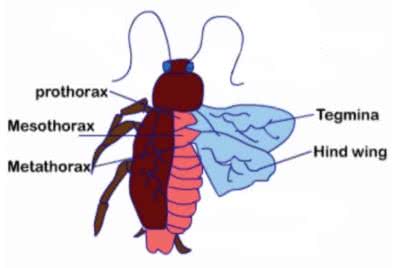
/ˌmetəˈθɔːræks/
(noun) 後胸
例:
The insect's metathorax is clearly visible, supporting its powerful hind legs.
昆虫の後胸ははっきりと見え、その強力な後脚を支えている。
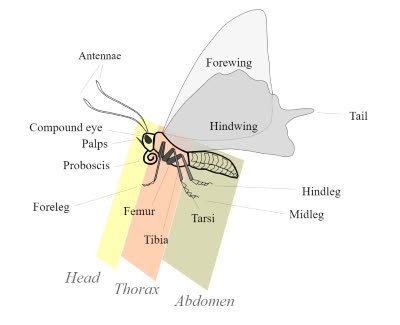
/ˈfɔːr.wɪŋ/
(noun) 前翅
例:
The butterfly's forewing had a distinctive blue spot.
その蝶の前翅には特徴的な青い斑点があった。
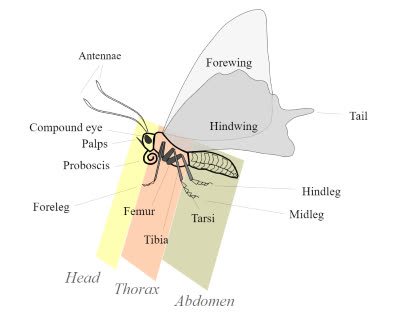
/ˈhaɪnd.wɪŋ/
(noun) 後翅
例:
The butterfly's hindwing had a beautiful eyespot pattern.
その蝶の後翅には美しい目玉模様があった。
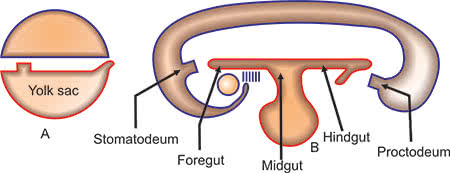
/ˈhaɪndɡʌt/
(noun) 後腸
例:
In insects, the hindgut is involved in water and ion reabsorption.
昆虫では、後腸は水とイオンの再吸収に関与している。
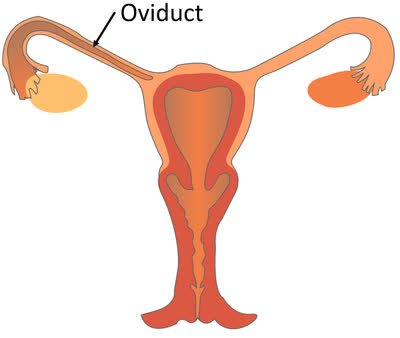
/ˈoʊ.vɪ.dʌkt/
(noun) 卵管
例:
In birds, the oviduct is where the eggshell is formed.
鳥類では、卵管で卵殻が形成されます。
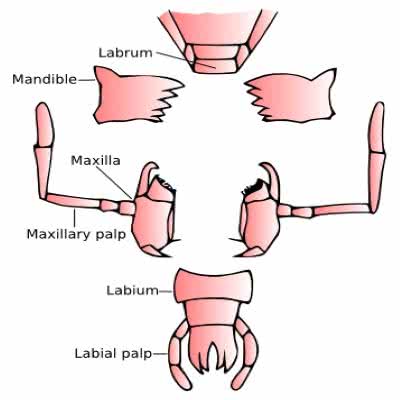
/ˈmaʊθ.pɑːrt/
(noun) 口器, 口部
例:
The mosquito's mouthparts are adapted for piercing and sucking blood.
蚊の口器は、刺して血を吸うのに適応している。
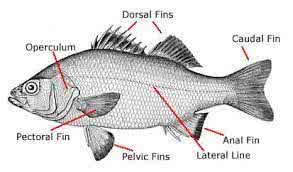
/oʊˈpɜːr.kjə.ləm/
(noun) 鰓蓋, 蓋
例:
The snail retracted into its shell, closing the operculum tightly.
カタツムリは殻の中に引っ込み、蓋をしっかりと閉じた。
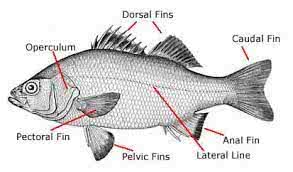
/ˈlæt.ər.əl ˌlaɪn/
(noun) 側線
例:
Fish use their lateral line to navigate in murky waters.
魚は濁った水中で側線を使って移動します。
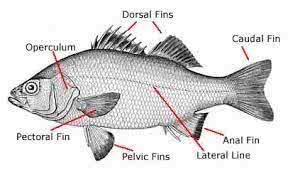
/ˈdɔːr.səl ˌfɪn/
(noun) 背びれ
例:
The shark's dorsal fin cut through the water.
サメの背びれが水を切って進んだ。
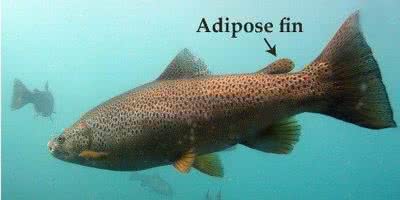
/ˈæd.ɪ.poʊs fɪn/
(noun) 脂鰭
例:
The salmon's adipose fin is a key identifier for its species.
サケの脂鰭はその種の重要な識別子です。
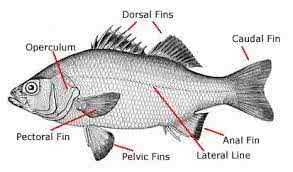
/ˈkɔːdəl fɪn/
(noun) 尾びれ
例:
The shark's powerful caudal fin propelled it through the water.
サメの強力な尾びれが水を推進した。
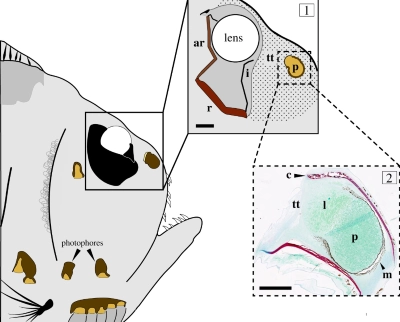
/ˈfoʊtəfɔːr/
(noun) 発光器
例:
Many deep-sea creatures use photophores to attract prey or mates.
多くの深海生物は、獲物や仲間を引き寄せるために発光器を使用します。
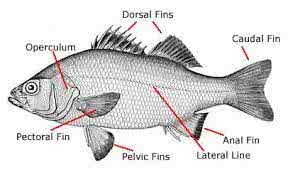
/ˈpel.vɪk fɪn/
(noun) 腹びれ, 腹鰭
例:
The fish used its pelvic fins to maintain balance in the current.
魚は流れの中でバランスを保つために腹びれを使った。
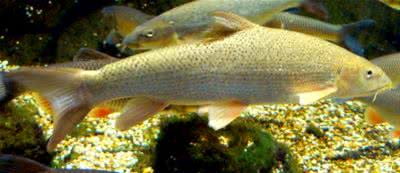
/ˈbɑːr.bəl/
(noun) ひげ, 口ひげ, バーベル
例:
The catfish has prominent barbels around its mouth.
ナマズの口の周りには目立つひげがある。