
Animal Anatomy (Fish, Insects, etc.) Vocabulary Set in Animals: Full and Detailed List
The 'Animal Anatomy (Fish, Insects, etc.)' vocabulary set in 'Animals' is carefully selected from standard international textbook sources, helping you master vocabulary in a short time. Comprehensive compilation of definitions, illustrative examples, and standard pronunciation...
Learn this vocabulary set on Lingoland
Learn Now
/hed/
Example:
She nodded her head in agreement.
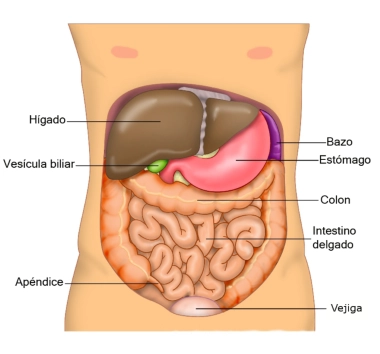
/ˈæb.də.mən/
Example:
He felt a sharp pain in his abdomen.
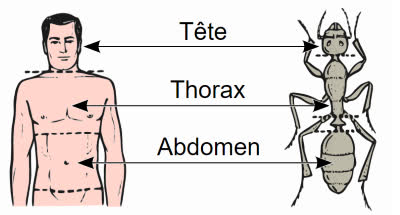
/ˈθɔːr.æks/
Example:
The surgeon made an incision in the patient's thorax.
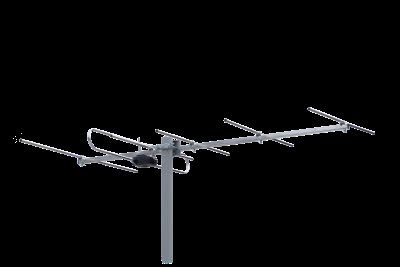
/ænˈten.ə/
Example:
The old television had a rabbit-ear antenna.
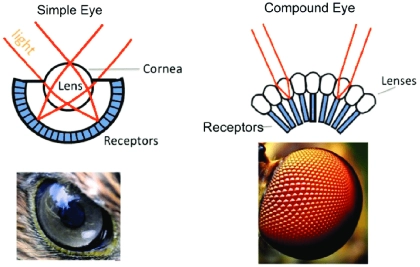
/ˈsɪm.pəl ˌaɪ/
Example:
Insects often have both compound eyes and simple eyes (ocelli).
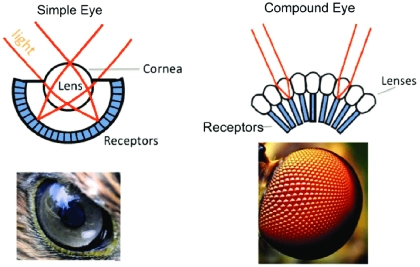
/ˈkɑːm.paʊnd aɪ/
Example:
The fly's compound eye allows it to detect movement from many directions.
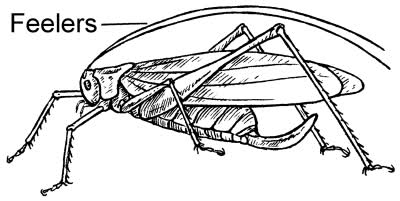
/ˈfiː.lɚ/
Example:
The cockroach moved its feelers rapidly.
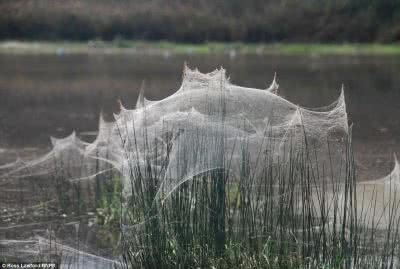
/ˈɡɑː.sə.mɚ/
Example:
The morning dew clung to the delicate gossamer threads.
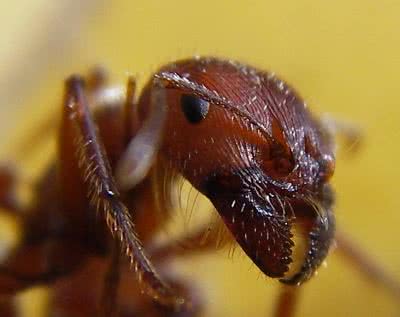
/ˈpɪn.sɚ/
Example:
He used a pair of pincers to pull out the nail.
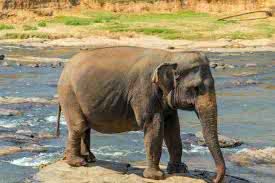
/proʊˈbɑː.sɪs/
Example:
The elephant used its proboscis to spray water over itself.

/ˈseɡ.mənt/
Example:
The orange was divided into several segments.
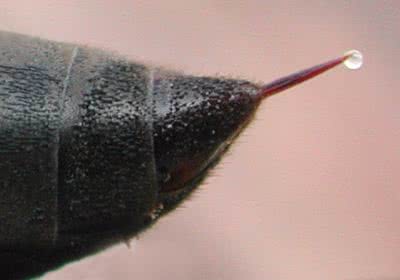
/ˈstɪŋ.ɚ/
Example:
The bee left its stinger in my arm.
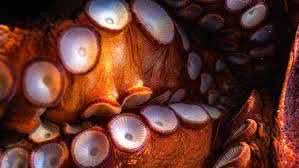
/ˈsʌk.ɚ/
Example:
He's such a sucker for a sob story.
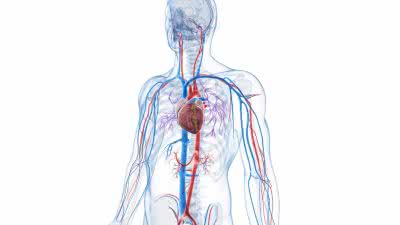
/veɪn/
Example:
The nurse struggled to find a suitable vein for the injection.
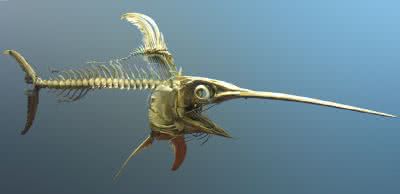
/ˌen.doʊˈskel.ɪ.tən/
Example:
Humans and other mammals have an endoskeleton.
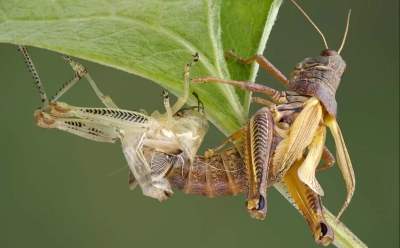
/ˌek.soʊˈskel.ət̬ən/
Example:
Insects have a hard exoskeleton that protects their soft bodies.
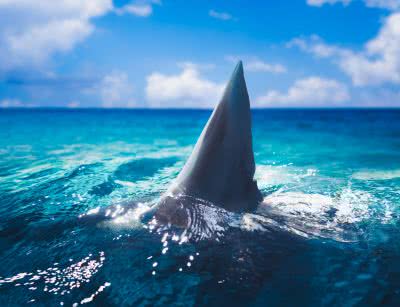
/fɪn/
Example:
The shark's dorsal fin cut through the water.
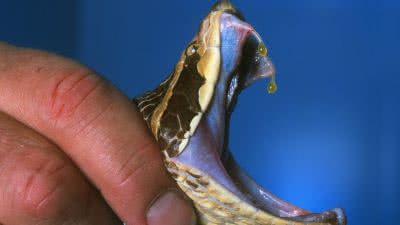
/ˈvenəm/
Example:
The snake injected its venom into the mouse.
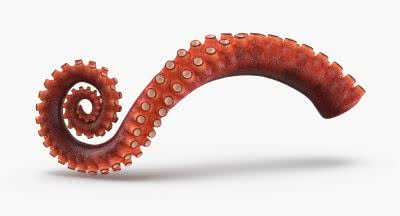
/ˈten.t̬ə.kəl/
Example:
The octopus used its tentacles to grab the prey.
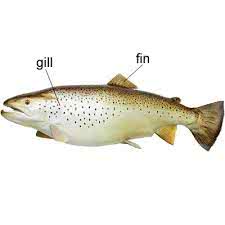
/ɡɪl/
Example:
Fish breathe through their gills.
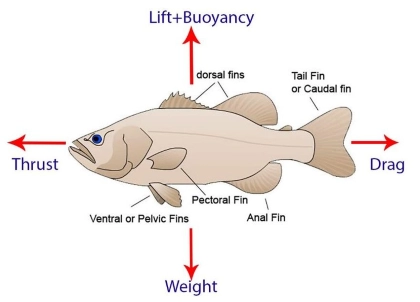
/ˈpek.tər.əl fɪn/
Example:
The shark used its pectoral fins to steer through the water.

/vent/
Example:
The bathroom has a small vent to remove steam.
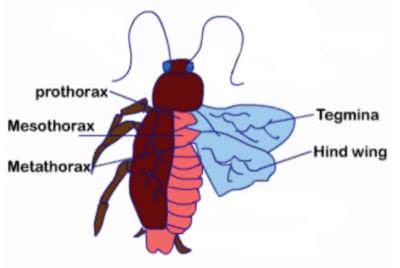
/ˌproʊˈθɔː.ræks/
Example:
The beetle's prothorax was heavily armored.
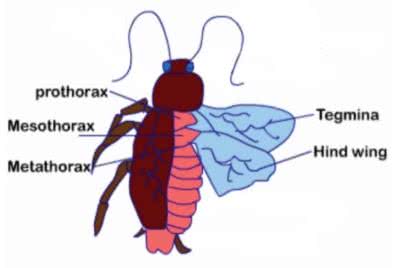
/ˌmɛsoʊˈθɔːræks/
Example:
The forewings of the beetle are attached to its mesothorax.
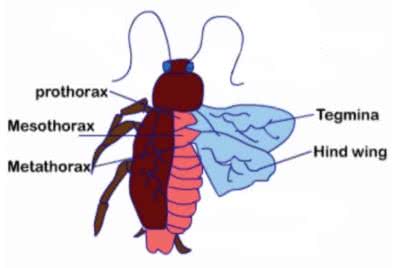
/ˌmetəˈθɔːræks/
Example:
The insect's metathorax is clearly visible, supporting its powerful hind legs.
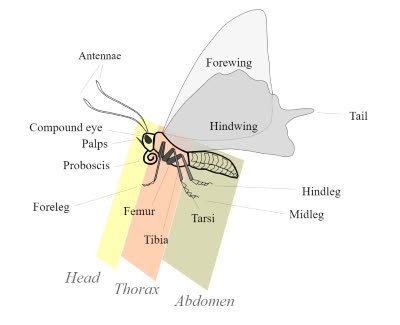
/ˈfɔːr.wɪŋ/
Example:
The butterfly's forewing had a distinctive blue spot.
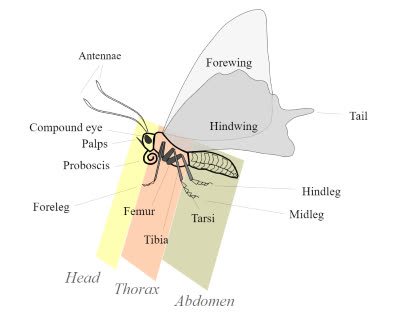
/ˈhaɪnd.wɪŋ/
Example:
The butterfly's hindwing had a beautiful eyespot pattern.
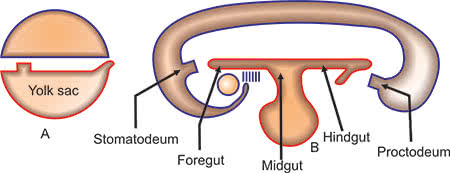
/ˈhaɪndɡʌt/
Example:
In insects, the hindgut is involved in water and ion reabsorption.
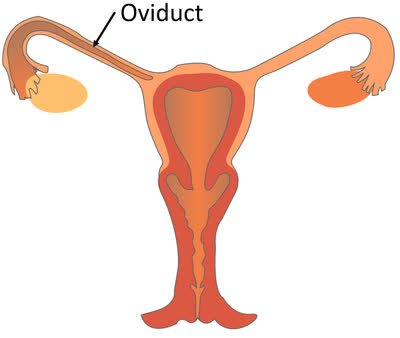
/ˈoʊ.vɪ.dʌkt/
Example:
In birds, the oviduct is where the eggshell is formed.
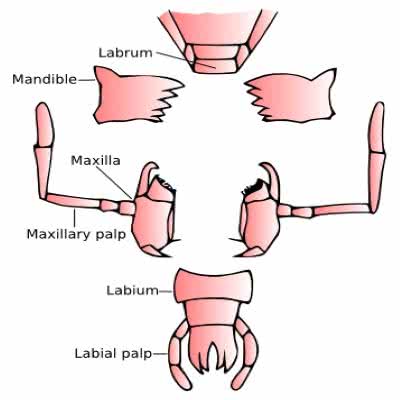
/ˈmaʊθ.pɑːrt/
Example:
The mosquito's mouthparts are adapted for piercing and sucking blood.
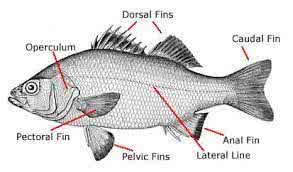
/oʊˈpɜːr.kjə.ləm/
Example:
The snail retracted into its shell, closing the operculum tightly.
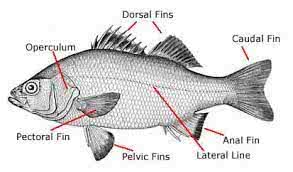
/ˈlæt.ər.əl ˌlaɪn/
Example:
Fish use their lateral line to navigate in murky waters.
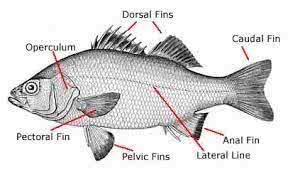
/ˈdɔːr.səl ˌfɪn/
Example:
The shark's dorsal fin cut through the water.
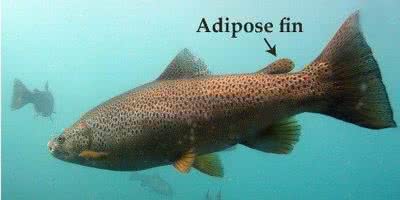
/ˈæd.ɪ.poʊs fɪn/
Example:
The salmon's adipose fin is a key identifier for its species.
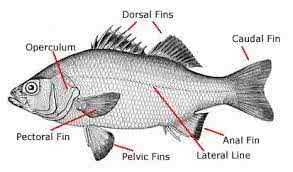
/ˈkɔːdəl fɪn/
Example:
The shark's powerful caudal fin propelled it through the water.
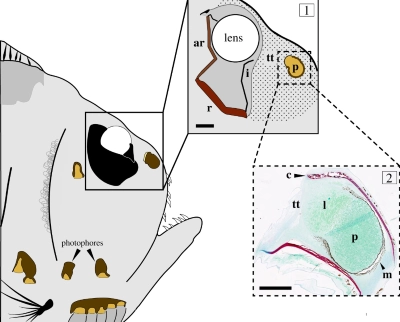
/ˈfoʊtəfɔːr/
Example:
Many deep-sea creatures use photophores to attract prey or mates.
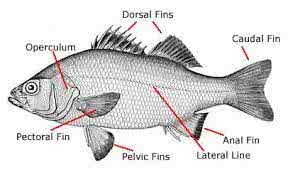
/ˈpel.vɪk fɪn/
Example:
The fish used its pelvic fins to maintain balance in the current.
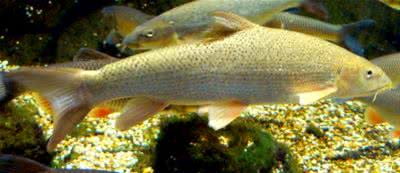
/ˈbɑːr.bəl/
Example:
The catfish has prominent barbels around its mouth.