
Punctuation Vocabulary Set in Language: Full and Detailed List
The 'Punctuation' vocabulary set in 'Language' is carefully selected from standard international textbook sources, helping you master vocabulary in a short time. Comprehensive compilation of definitions, illustrative examples, and standard pronunciation...
Learn this vocabulary set on Lingoland
Learn Now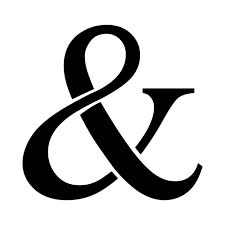
/ˈæm.pɚ.sænd/
Example:
The company name is 'Smith & Sons'.
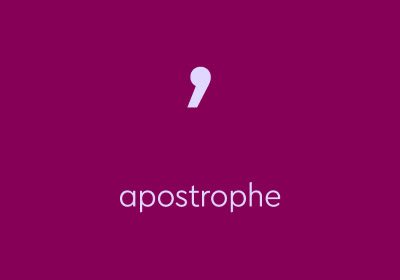
/əˈpɑː.strə.fi/
Example:
The boy's hat was lost, so he used an apostrophe to show possession.

/ˈæs.tɚ.ɪsk/
Example:
Please add an asterisk next to the items that require special attention.

/ˈbæk.slæʃ/
Example:
In Windows, file paths use a backslash to separate directory names.

/breɪs/
Example:
The carpenter used a brace to support the weak beam.
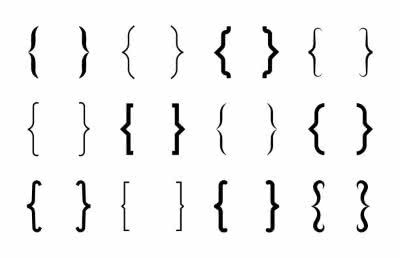
/ˈbræk.ɪt/
Example:
Please put the additional information in brackets.

/ˈbʊl.ɪt ˌpɔɪnt/
Example:
Please list the main features using bullet points.

/ˈkoʊ.lən/
Example:
The recipe requires the following ingredients: flour, sugar, and eggs.
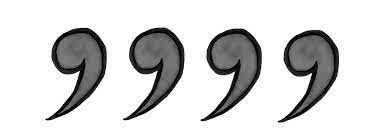
/ˈkɑː.mə/
Example:
Remember to put a comma before the conjunction in a compound sentence.
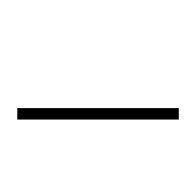
/dæʃ/
Example:
Add a dash of salt to the soup.

/ˈdɪt̬.oʊ/
Example:
She said she was tired, and I said ditto.

/dɑːt/
Example:
There's a small red dot on the map indicating our location.

/ˌek.skləˈmeɪ.ʃən ˌmɑːrk/
Example:
Remember to use an exclamation mark at the end of a strong statement.
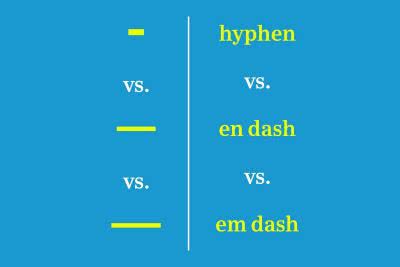
/ˈhaɪ.fən/
Example:
Use a hyphen to connect 'well' and 'known' in 'well-known author'.
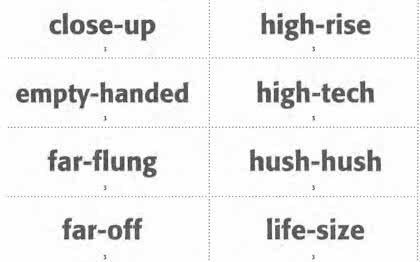
/ˈhaɪ.fən.eɪt/
Example:
You should hyphenate 'well-known' when it's used as an adjective before a noun.
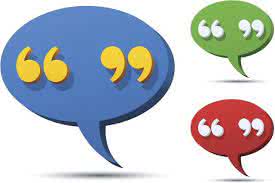
/ɪnˌvɜːr.t̬ɪd ˈkɑː.məz/
Example:
Please put the direct quote in inverted commas.
/mɑːrk/
Example:
The teacher put a red mark on the incorrect answers.
/ˈpɪr.i.əd/
Example:
The Roman Empire lasted for a long period.
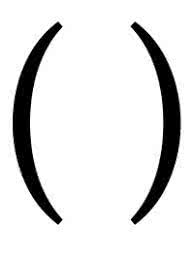
/pəˈren.θə.sɪs/
Example:
The author used a parenthesis to add extra information.

/pɔɪnt/
Example:
The point of the knife was very sharp.

/ˈpaʊnd saɪn/
Example:
Press the pound sign to confirm your selection.
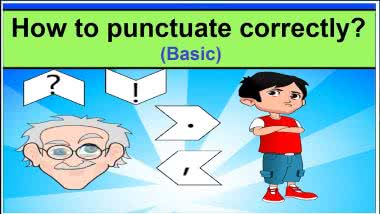
/ˈpʌŋk.tuː.eɪt/
Example:
Remember to punctuate your sentences correctly.
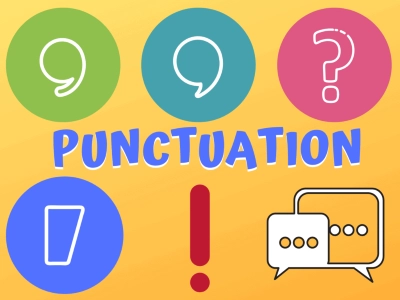
/ˌpʌŋk.tʃuˈeɪ.ʃən/
Example:
Proper punctuation is essential for clear writing.
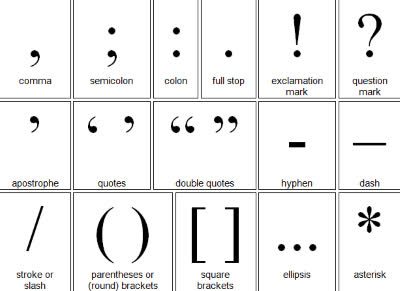
/ˌpʌŋk.tʃuˈeɪ.ʃən ˌmɑːrk/
Example:
Always use the correct punctuation mark at the end of a sentence.

/ˈkwes.tʃən ˌmɑːrk/
Example:
Always end a direct question with a question mark.

/kwoʊˈteɪʃn mɑːrk/
Example:
Always use quotation marks when directly quoting someone.

/kwoʊt/
Example:
She likes to quote Shakespeare in her essays.
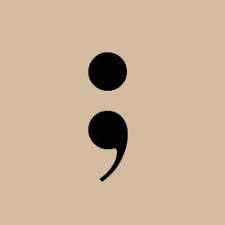
/ˈsem.iˌkoʊ.lən/
Example:
Use a semicolon to connect two closely related independent clauses.

/slæʃ/
Example:
He made a deep slash across the canvas.

/ˈtɪl.də/
Example:
The Spanish word 'señor' has a tilde over the 'n'.