Avatar of Vocabulary Set 生物學家

詞彙集 生物學家(屬於 SAT科學詞彙):完整且詳細的清單

詞彙集「生物學家」(屬於「SAT科學詞彙」)從國際標準教材來源精心挑選,幫助您在短時間內掌握詞彙。全面彙整定義、例句及標準發音…

在 Lingoland 學習此詞彙集

立即學習
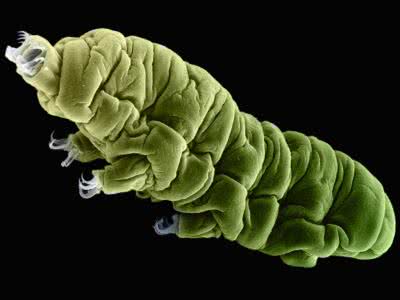
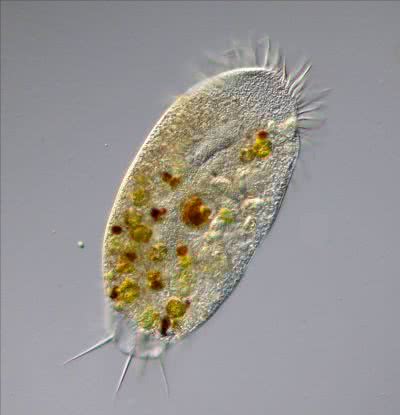
organism

/ˈɔːr-/

(noun) 生物, 有機體, 系統

範例:

Bacteria are single-celled organisms.
細菌是單細胞生物

culture

/ˈkʌl.tʃɚ/

(noun) 文化, 培養物, 培養;

(verb) 培養, 培育

範例:
Japanese culture is rich in tradition.
日本文化傳統豐富。

metabolic

/met̬.əˈbɑː.lɪk/

(adjective) 新陳代謝的

範例:

Exercise can boost your metabolic rate.
運動可以提高你的新陳代謝率。

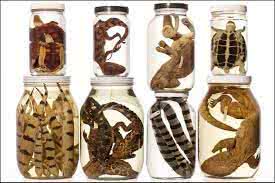
specimen

/ˈspes.ə.mɪn/

(noun) 標本, 樣本, 典範

範例:

The museum has a rare specimen of a giant squid.
博物館裡有一件罕見的巨型魷魚標本

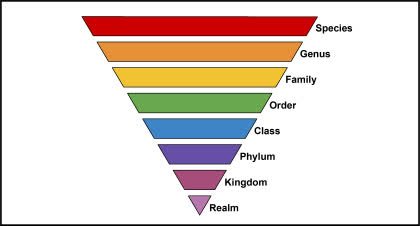
genus

/ˈdʒiː.nəs/

(noun) 屬, 類型, 種類

範例:

The genus Homo includes modern humans and several extinct species.
人屬包括現代人類和幾種已滅絕的物種。

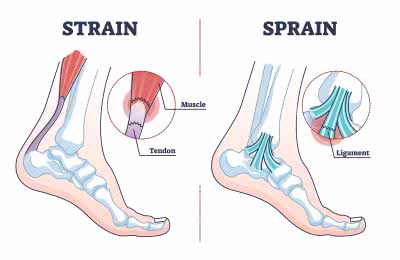
strain

/streɪn/

(noun) 壓力, 拉傷, 品種;

(verb) 費力, 勞損, 瀝乾

範例:
The constant pressure put a lot of strain on the bridge.
持續的壓力給橋樑帶來了很大的負擔

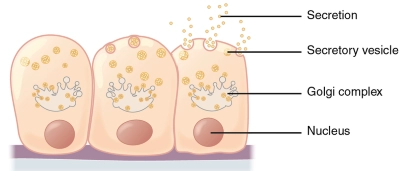
secrete

/sɪˈkriːt/

(verb) 分泌, 排出, 隱藏

範例:

The glands secrete hormones into the bloodstream.
腺體分泌激素到血液中。

excrete

/ɪkˈskriːt/

(verb) 排泄, 分泌

範例:

The kidneys excrete waste products from the body.
腎臟從體內排出廢物。

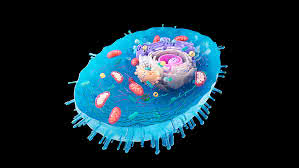
eukaryote

/juːˈker.i.oʊt/

(noun) 真核生物

範例:

Humans are eukaryotes, as our cells contain a nucleus.
人類是真核生物,因為我們的細胞含有細胞核。

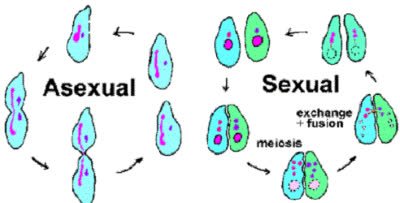
asexual reproduction

/ˌeɪˌsek.ʃu.əl rɪ.prəˈdʌk.ʃən/

(noun) 無性繁殖

範例:

Many single-celled organisms reproduce through asexual reproduction.
許多單細胞生物透過無性繁殖進行繁殖。

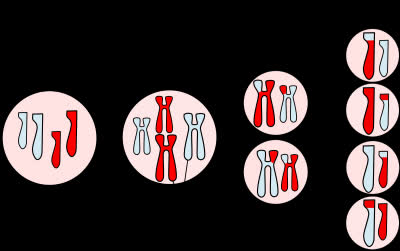
meiosis

/maɪˈoʊ.sɪs/

(noun) 減數分裂

範例:

During meiosis, genetic recombination occurs, leading to increased genetic diversity.
減數分裂過程中,會發生基因重組,從而增加遺傳多樣性。

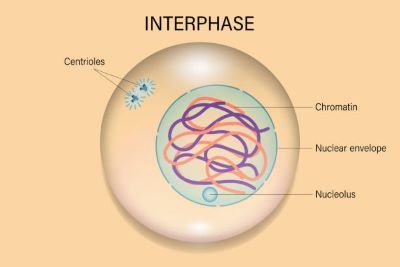
interphase

/ˈɪn.t̬ɚ.feɪz/

(noun) 間期

範例:

During interphase, the cell copies its DNA in preparation for mitosis.
間期,細胞複製其 DNA 以準備有絲分裂。

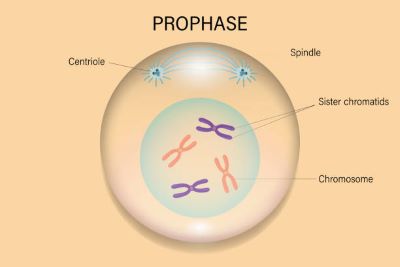
prophase

/ˈproʊ.feɪz/

(noun) 前期

範例:

During prophase, the chromatin condenses into discrete chromosomes.
前期,染色質濃縮成離散的染色體。

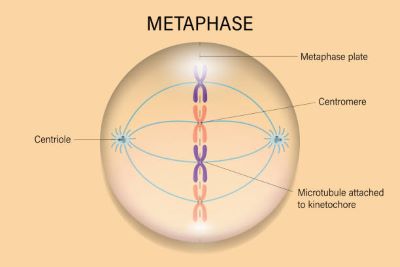
metaphase

/ˈmet̬.ə.feɪz/

(noun) 中期

範例:

During metaphase, chromosomes line up along the equatorial plate.
中期,染色體沿赤道板排列。

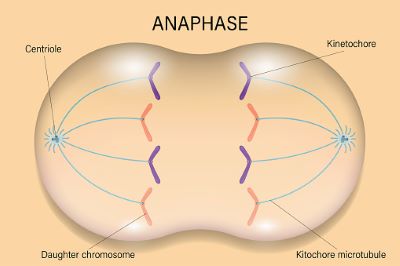
anaphase

/ˈæn.ə.feɪz/

(noun) 後期, 分裂後期

範例:

During anaphase, the sister chromatids separate and move toward opposite ends of the cell.
後期,姐妹染色單體分離並向細胞的相反兩端移動。

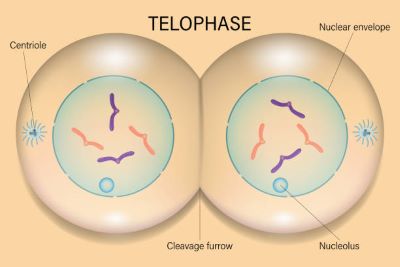
telophase

/ˈtiː.lə.feɪz/

(noun) 末期

範例:

During telophase, the nuclear envelopes reform around the new sets of chromosomes.
末期,核膜在新的染色體組周圍重新形成。

biodegrade

/ˌbaɪ.oʊ.dɪˈɡreɪd/

(verb) 生物降解

範例:

Most paper products will biodegrade within a few months.
大多數紙製品會在幾個月內生物降解

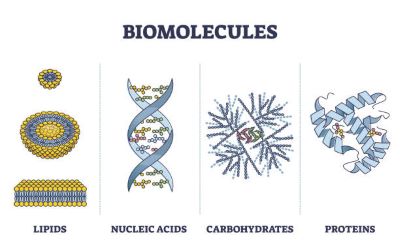
biomolecule

/ˌbaɪ.oʊˈmɑː.lɪ.kjuːl/

(noun) 生物分子

範例:

Proteins and nucleic acids are essential biomolecules found in all living cells.
蛋白質和核酸是存在於所有活細胞中的重要生物分子

biodiversity

/ˌbaɪ.oʊ.dɪˈvɝː.sə.t̬i/

(noun) 生物多樣性

範例:

Protecting rainforests is crucial for maintaining global biodiversity.
保護雨林對於維持全球生物多樣性至關重要。

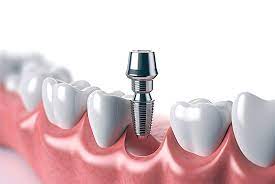
biocompatible

/ˌbaɪ.oʊ.kəmˈpæt̬.ə.bəl/

(adjective) 生物相容的

範例:

The surgeon used a biocompatible material for the implant.
外科醫生在植入手術中使用了生物相容性材料。

biometrics

/ˌbaɪ.oʊˈmet.rɪks/

(noun) 生物識別技術, 生物統計學

範例:

The airport uses biometrics like facial recognition to speed up security checks.
機場使用面部識別等生物識別技術來加快安檢速度。

microbiology

/ˌmaɪ.kroʊ.baɪˈɑː.lə.dʒi/

physiologist

/ˌfɪz.iˈɑː.lə.dʒɪst/

(noun) 生理學家

範例:

The physiologist explained how the heart responds to extreme exercise.
這位生理學家解釋了心臟對劇烈運動的反應方式。

ecology

/iˈkɑː.lə.dʒi/

(noun) 生態學, 生態, 環保運動

範例:

She is studying ecology at university.
她在大學學習生態學

ecotourism

/ˈiː.koʊˌtʊr.ɪ.zəm/

(noun) 生態旅遊

範例:

Many travelers are choosing ecotourism to experience nature responsibly.
許多旅行者選擇生態旅遊,以負責的方式體驗大自然。

biomimicry

/ˌbaɪ.oʊˈmɪm.ɪ.kri/

(noun) 仿生學, 生物擬態

範例:

The design of the high-speed train was a result of biomimicry, inspired by the beak of a kingfisher.
這輛高速列車的設計是仿生學的結果,靈感來自翠鳥的喙。

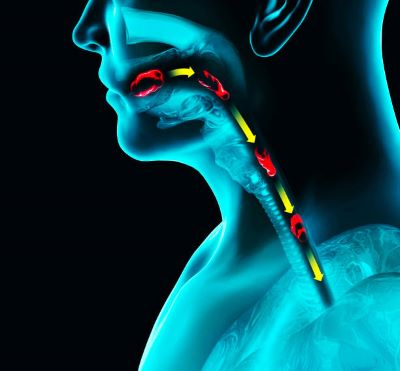
mucus

/ˈmjuː.kəs/

(noun) 黏液

範例:

When you have a cold, your body produces more mucus.
當你感冒時,你的身體會產生更多的黏液

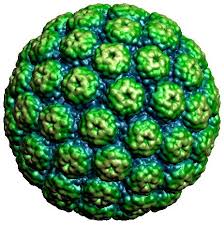
virion

/ˈvɪr.i.ɑːn/

(noun) 病毒顆粒, 病毒體

範例:

The virion attaches to the surface of the host cell to begin the infection process.
病毒顆粒附著在宿主細胞表面以開始感染過程。

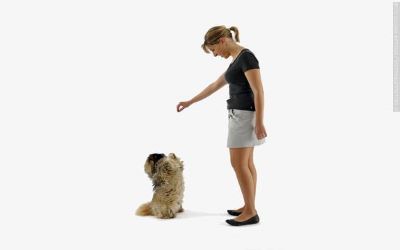
conditioning

/kənˈdɪʃ.ən.ɪŋ/

(noun) 條件反射, 訓練, 體能

範例:

The dog's good behavior is a result of consistent conditioning.
狗的良好行為是持續條件反射的結果。

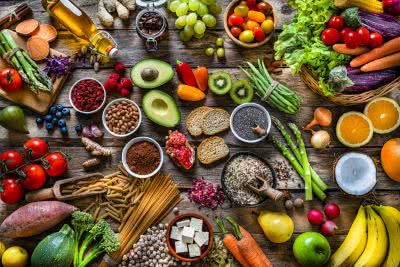
nutrient

/ˈnuː.tri.ənt/

(noun) 營養素, 養分

範例:

Plants absorb essential nutrients from the soil.
植物從土壤中吸收必需的營養物質

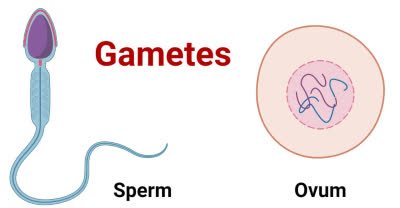
gamete

/ˈɡæm.iːt/

(noun) 配子, 生殖細胞

範例:

In humans, sperm and egg cells are examples of gametes.
在人類中,精子和卵細胞是配子的例子。

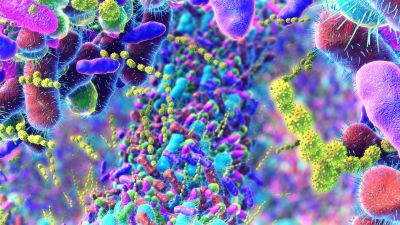
microbiome

/ˌmaɪ.kroʊˈbaɪ.oʊm/

(noun) 微生物組, 微生態系統

範例:

Eating fermented foods can help improve your gut microbiome.
食用發酵食品有助於改善腸道微生物組

anthropogenic

/ˌæn.θrə.pəˈdʒen.ɪk/

(adjective) 人為的, 人類活動引起的

範例:

Scientists are studying the impact of anthropogenic climate change on marine life.
科學家們正在研究人為的氣候變化對海洋生物的影響。

motility

/moʊˈtɪl.ə.t̬i/

(noun) 運動性, 能動性

範例:

Sperm motility is a key factor in male fertility.
精子活力是男性生育能力的關鍵因素。

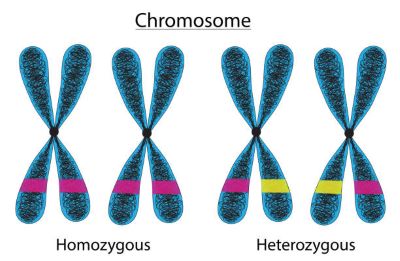
homologous

/hoʊˈmɑː.lə.ɡəs/

(adjective) 同源的, 相應的

範例:

The wings of a bird and the arms of a human are homologous structures.
鳥的翅膀和人的手臂是同源結構。

bioluminescence

/ˌbaɪ.oʊ.luː.məˈnes.əns/

(noun) 生物發光

範例:

The ocean glowed with the bioluminescence of tiny plankton.
海洋因微小浮游生物的生物發光而閃爍。

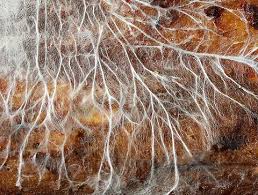
mycelium

/maɪˈsiːliəm/

(noun) 菌絲體

範例:

The forest floor was covered with a dense network of fungal mycelium.
森林地面覆蓋著密集的真菌菌絲體網絡。

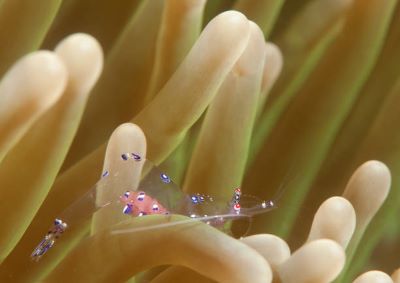
commensal

/kəˈmen.səl/

(adjective) 共生的, 片利共生的;

(noun) 共生生物, 片利共生生物

範例:

Remora fish have a commensal relationship with sharks.
印魚與鯊魚有著共生關係。

mycorrhiza

/ˌmaɪ.kəˈraɪ.zə/

(noun) 菌根

範例:

The health of the forest depends on the mycorrhiza connecting the trees.
森林的健康取決於連接樹木的菌根

assimilate

/əˈsɪm.ə.leɪt/

(verb) 吸收, 理解, 同化

範例:

It's hard to assimilate all the new information at once.
很難一次性吸收所有新信息。

spore

/spɔːr/

(noun) 孢子;

(verb) 產生孢子, 釋放孢子

範例:

Mushrooms reproduce by releasing tiny spores.
蘑菇通過釋放微小的孢子繁殖。

biomass

/ˈbaɪ.oʊˌmæs/

(noun) 生物質

範例:

The power plant generates electricity from agricultural biomass.
該發電廠利用農業生物質發電。

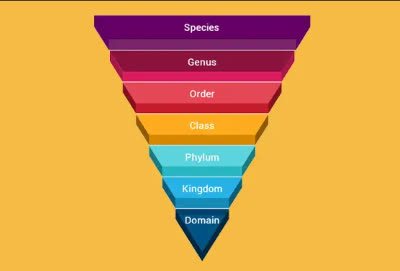
taxonomy

/tækˈsɑː.nə.mi/

(noun) 分類學, 分類, 分類法

範例:

The taxonomy of plants is a complex field.
植物分類學是一個複雜的領域。

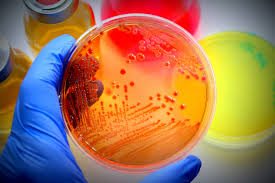
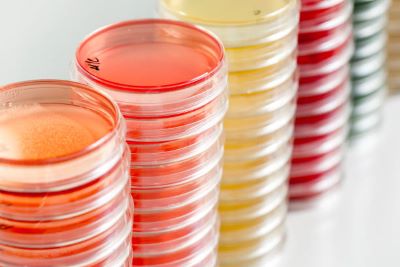
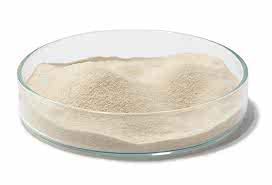
Petri dish

/ˈpiː.tri ˌdɪʃ/

(noun) 培養皿

範例:

The scientist placed the bacteria sample in a Petri dish.
科學家將細菌樣本放入培養皿中。

agar

/ˈeɪ.ɡɑːr/

(noun) 瓊脂, 洋菜

範例:

The bacteria grew well on the agar plate.
細菌在瓊脂平板上生長良好。

cosmology

/kɑːzˈmɑː.lə.dʒi/

(noun) 宇宙學

範例:

Modern cosmology is based on the Big Bang theory.
現代宇宙學是建立在大爆炸理論基礎上的。

virulent

/ˈvɪr.jə.lənt/

(adjective) 劇毒的, 惡性的, 有害的

範例:

The disease was caused by a highly virulent strain of bacteria.
這種疾病是由一種高度劇毒的細菌引起的。

decomposition

/ˌdiː.kɑːm.pəˈzɪʃ.ən/

(noun) 分解, 腐爛, 拆解

範例:

The rapid decomposition of organic matter enriches the soil.
有機物的快速分解使土壤肥沃。

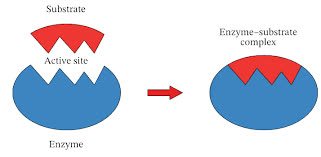
substrate

/ˈsʌb.streɪt/

(noun) 基質, 底層, 底物

範例:

Algae grew on the rocky substrate.
藻類生長在岩石基質上。

ameba

/əˈmiː.bə/

(noun) 阿米巴蟲

範例:

The ameba moved slowly across the microscope slide.
阿米巴蟲在顯微鏡載玻片上緩慢移動。

adaptation

/ˌæd.əpˈteɪ.ʃən/

(noun) 適應, 改編, 改編版

範例:

The adaptation of the species to the new environment was slow.
該物種對新環境的適應過程很緩慢。
在 Lingoland 學習此詞彙集