Avatar of Vocabulary Set 생물학자

SAT 과학 어휘 내 생물학자 어휘 세트: 완전하고 상세한 목록

'SAT 과학 어휘' 내 '생물학자' 어휘 세트는 국제 표준 교재 출처에서 엄선되어 짧은 시간 안에 어휘를 마스터할 수 있도록 도와줍니다. 정의, 예문, 표준 발음을 완벽하게 수록...

Lingoland에서 이 어휘 세트 학습하기

지금 학습하기
organism

/ˈɔːr-/

(noun) 유기체, 생물, 시스템

예시:

Bacteria are single-celled organisms.
박테리아는 단세포 생물이다.

culture

/ˈkʌl.tʃɚ/

(noun) 문화, 배양;

(verb) 배양하다

예시:

Japanese culture is rich in tradition.
일본 문화는 전통이 풍부하다.

metabolic

/met̬.əˈbɑː.lɪk/

(adjective) 신진대사의, 대사의

예시:

Exercise can boost your metabolic rate.
운동은 신진대사율을 높일 수 있습니다.

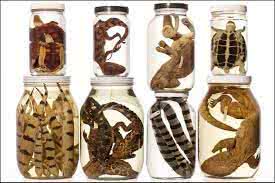
specimen

/ˈspes.ə.mɪn/

(noun) 표본, 견본, 유형

예시:

The museum has a rare specimen of a giant squid.
박물관에는 희귀한 대왕오징어 표본이 있다.

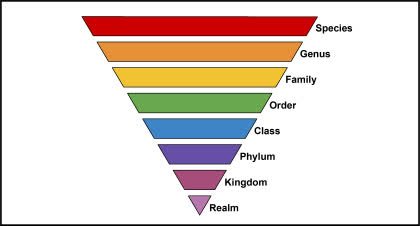
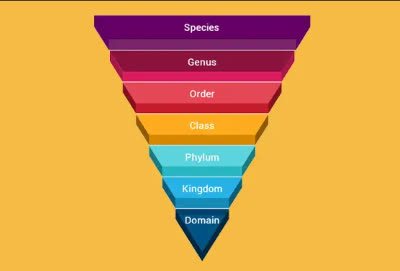
genus

/ˈdʒiː.nəs/

(noun) 속, 종류, 유형

예시:

The genus Homo includes modern humans and several extinct species.
호모 속은 현대 인류와 여러 멸종된 종을 포함한다.

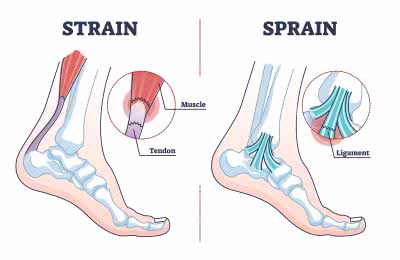
strain

/streɪn/

(noun) 부담, 통증, 품종;

(verb) 애쓰다, 혹사시키다, 걸러내다

예시:
The constant pressure put a lot of strain on the bridge.
지속적인 압력은 다리에 많은 부담을 주었다.

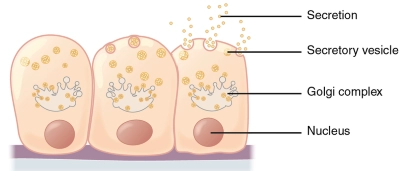
secrete

/sɪˈkriːt/

(verb) 분비하다, 배출하다, 숨기다

예시:

The glands secrete hormones into the bloodstream.
샘은 호르몬을 혈류로 분비한다.

excrete

/ɪkˈskriːt/

(verb) 배설하다, 분비하다

예시:

The kidneys excrete waste products from the body.
신장은 몸에서 노폐물을 배설한다.

eukaryote

/juːˈker.i.oʊt/

(noun) 진핵생물

예시:

Humans are eukaryotes, as our cells contain a nucleus.
인간은 세포에 핵을 가지고 있으므로 진핵생물이다.

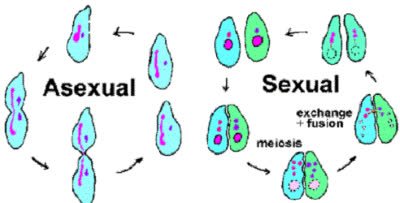
asexual reproduction

/ˌeɪˌsek.ʃu.əl rɪ.prəˈdʌk.ʃən/

(noun) 무성 생식

예시:

Many single-celled organisms reproduce through asexual reproduction.
많은 단세포 생물은 무성 생식을 통해 번식한다.

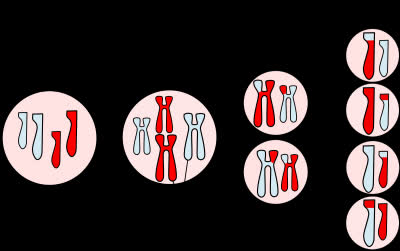
meiosis

/maɪˈoʊ.sɪs/

(noun) 감수분열

예시:

During meiosis, genetic recombination occurs, leading to increased genetic diversity.
감수분열 동안 유전자 재조합이 일어나 유전적 다양성이 증가한다.

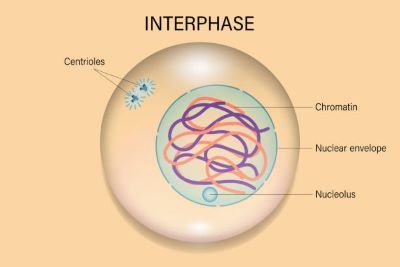
interphase

/ˈɪn.t̬ɚ.feɪz/

(noun) 간기

예시:

During interphase, the cell copies its DNA in preparation for mitosis.
간기 동안 세포는 체세포 분열을 준비하기 위해 DNA를 복제합니다.

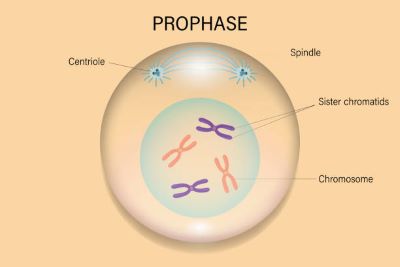
prophase

/ˈproʊ.feɪz/

(noun) 전기

예시:

During prophase, the chromatin condenses into discrete chromosomes.
전기 동안 염색질은 별개의 염색체로 응축됩니다.

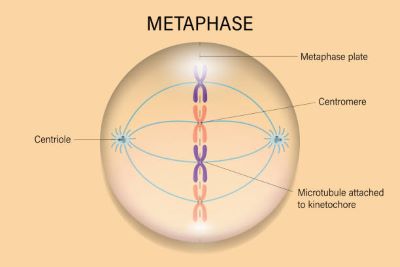
metaphase

/ˈmet̬.ə.feɪz/

(noun) 중기

예시:

During metaphase, chromosomes line up along the equatorial plate.
중기 동안 염색체는 적도판을 따라 배열됩니다.

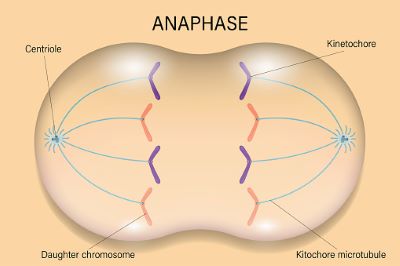
anaphase

/ˈæn.ə.feɪz/

(noun) 후기, 아나페이즈

예시:

During anaphase, the sister chromatids separate and move toward opposite ends of the cell.
후기 동안 자매 염색분체는 분리되어 세포의 반대편 끝으로 이동합니다.

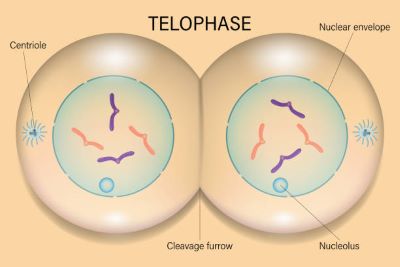
telophase

/ˈtiː.lə.feɪz/

(noun) 말기

예시:

During telophase, the nuclear envelopes reform around the new sets of chromosomes.
말기 동안, 핵막이 새로운 염색체 세트 주위에 다시 형성됩니다.

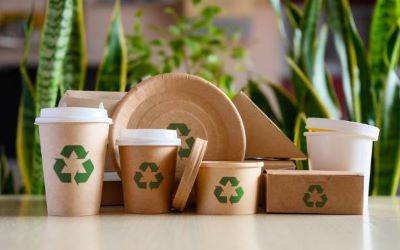
biodegrade

/ˌbaɪ.oʊ.dɪˈɡreɪd/

(verb) 생분해되다

예시:

Most paper products will biodegrade within a few months.
대부분의 종이 제품은 몇 달 안에 생분해됩니다.

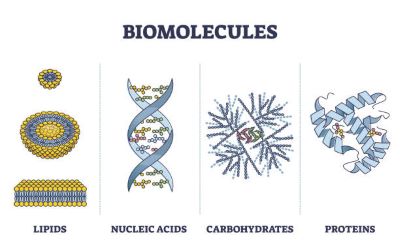
biomolecule

/ˌbaɪ.oʊˈmɑː.lɪ.kjuːl/

(noun) 생체 분자

예시:

Proteins and nucleic acids are essential biomolecules found in all living cells.
단백질과 핵산은 모든 살아있는 세포에서 발견되는 필수적인 생체 분자입니다.

biodiversity

/ˌbaɪ.oʊ.dɪˈvɝː.sə.t̬i/

(noun) 생물 다양성

예시:

Protecting rainforests is crucial for maintaining global biodiversity.
열대우림 보호는 전 세계 생물 다양성을 유지하는 데 매우 중요합니다.

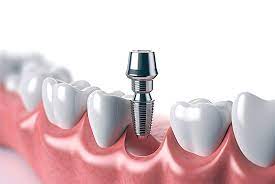
biocompatible

/ˌbaɪ.oʊ.kəmˈpæt̬.ə.bəl/

(adjective) 생체 적합성의

예시:

The surgeon used a biocompatible material for the implant.
외과 의사는 이식에 생체 적합성 재료를 사용했다.

biometrics

/ˌbaɪ.oʊˈmet.rɪks/

(noun) 생체 인식, 바이오메트릭스

예시:

The airport uses biometrics like facial recognition to speed up security checks.
공항은 보안 검색 속도를 높이기 위해 안면 인식과 같은 생체 인식 기술을 사용합니다.

microbiology

/ˌmaɪ.kroʊ.baɪˈɑː.lə.dʒi/

physiologist

/ˌfɪz.iˈɑː.lə.dʒɪst/

(noun) 생리학자

예시:

The physiologist explained how the heart responds to extreme exercise.
생리학자는 심장이 극한의 운동에 어떻게 반응하는지 설명했다.

ecology

/iˈkɑː.lə.dʒi/

(noun) 생태학, 환경 운동

예시:

She is studying ecology at university.
그녀는 대학에서 생태학을 공부하고 있다.

ecotourism

/ˈiː.koʊˌtʊr.ɪ.zəm/

(noun) 생태관광

예시:

Many travelers are choosing ecotourism to experience nature responsibly.
많은 여행자들이 자연을 책임감 있게 경험하기 위해 생태관광을 선택하고 있습니다.

biomimicry

/ˌbaɪ.oʊˈmɪm.ɪ.kri/

(noun) 생체 모방, 바이오미미크리

예시:

The design of the high-speed train was a result of biomimicry, inspired by the beak of a kingfisher.
그 고속 열차의 디자인은 물딱새의 부리에서 영감을 받은 생체 모방의 결과였습니다.

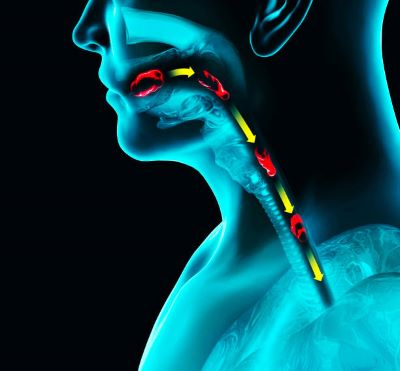
mucus

/ˈmjuː.kəs/

(noun) 점액

예시:

When you have a cold, your body produces more mucus.
감기에 걸리면 몸에서 더 많은 점액이 생성됩니다.

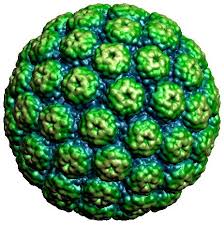
virion

/ˈvɪr.i.ɑːn/

(noun) 비리온, 바이러스 입자

예시:

The virion attaches to the surface of the host cell to begin the infection process.
비리온은 감염 과정을 시작하기 위해 숙주 세포의 표면에 부착됩니다.

conditioning

/kənˈdɪʃ.ən.ɪŋ/

(noun) 조건화, 훈련, 컨디션

예시:

The dog's good behavior is a result of consistent conditioning.
개의 좋은 행동은 꾸준한 조건화의 결과이다.

nutrient

/ˈnuː.tri.ənt/

(noun) 영양소, 영양분

예시:

Plants absorb essential nutrients from the soil.
식물은 토양에서 필수 영양분을 흡수한다.

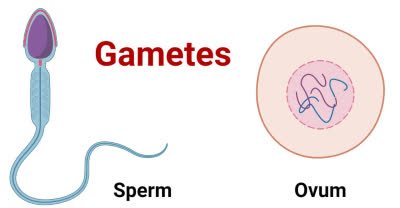
gamete

/ˈɡæm.iːt/

(noun) 생식세포, 배우자

예시:

In humans, sperm and egg cells are examples of gametes.
인간에게서 정자와 난자는 생식세포의 예시이다.

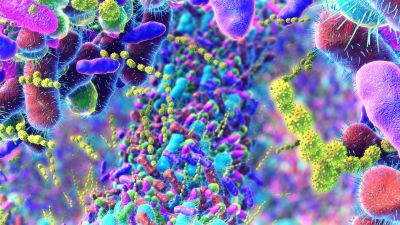
microbiome

/ˌmaɪ.kroʊˈbaɪ.oʊm/

(noun) 마이크로바이옴, 미생물 생태계

예시:

Eating fermented foods can help improve your gut microbiome.
발효 식품을 먹는 것은 장내 마이크로바이옴을 개선하는 데 도움이 될 수 있습니다.

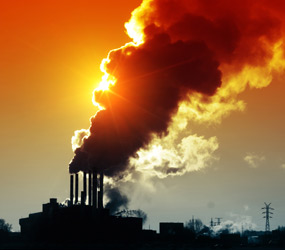
anthropogenic

/ˌæn.θrə.pəˈdʒen.ɪk/

(adjective) 인위적인, 인류 발생의

예시:

Scientists are studying the impact of anthropogenic climate change on marine life.
과학자들은 인위적인 기후 변화가 해양 생물에 미치는 영향을 연구하고 있다.

motility

/moʊˈtɪl.ə.t̬i/

(noun) 운동성, 이동성

예시:

Sperm motility is a key factor in male fertility.
정자 운동성은 남성 불임의 주요 요인이다.

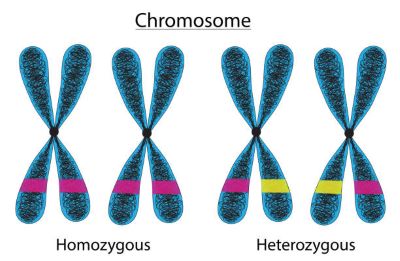
homologous

/hoʊˈmɑː.lə.ɡəs/

(adjective) 상동의

예시:

The wings of a bird and the arms of a human are homologous structures.
새의 날개와 인간의 팔은 상동 구조입니다.

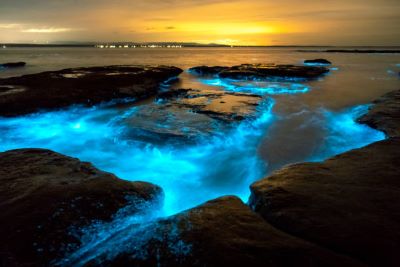
bioluminescence

/ˌbaɪ.oʊ.luː.məˈnes.əns/

(noun) 생물 발광

예시:

The ocean glowed with the bioluminescence of tiny plankton.
바다는 작은 플랑크톤의 생물 발광으로 빛났다.

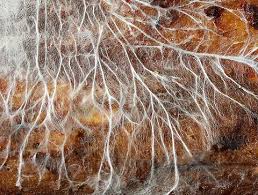
mycelium

/maɪˈsiːliəm/

(noun) 균사체

예시:

The forest floor was covered with a dense network of fungal mycelium.
숲 바닥은 빽빽한 곰팡이 균사체 네트워크로 덮여 있었다.

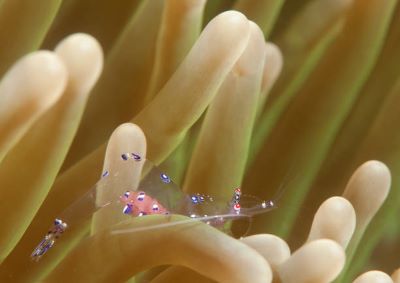
commensal

/kəˈmen.səl/

(adjective) 편리 공생의;

(noun) 편리 공생 생물

예시:
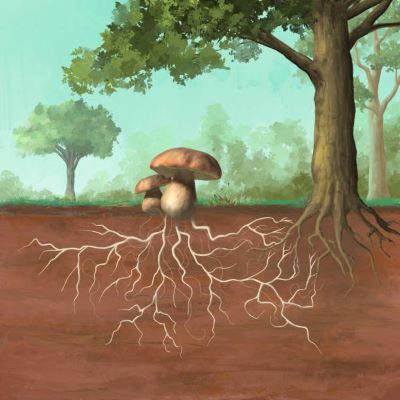
Remora fish have a commensal relationship with sharks.
빨판상어는 상어와 편리 공생 관계를 맺고 있습니다.

mycorrhiza

/ˌmaɪ.kəˈraɪ.zə/

(noun) 균근

예시:

The health of the forest depends on the mycorrhiza connecting the trees.
숲의 건강은 나무들을 연결하는 균근에 달려 있습니다.

assimilate

/əˈsɪm.ə.leɪt/

(verb) 흡수하다, 동화하다, 동화시키다

예시:

It's hard to assimilate all the new information at once.
모든 새로운 정보를 한 번에 흡수하기는 어렵다.

spore

/spɔːr/

(noun) 포자;

(verb) 포자를 형성하다, 포자를 방출하다

예시:
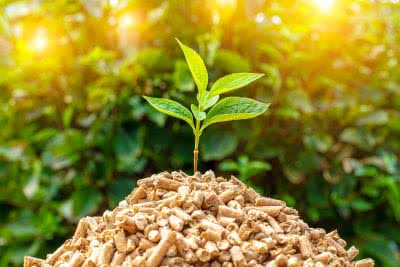
Mushrooms reproduce by releasing tiny spores.
버섯은 미세한 포자를 방출하여 번식한다.

biomass

/ˈbaɪ.oʊˌmæs/

(noun) 바이오매스, 생물량

예시:

The power plant generates electricity from agricultural biomass.
발전소는 농업 바이오매스에서 전기를 생산한다.

taxonomy

/tækˈsɑː.nə.mi/

(noun) 분류학, 분류, 분류 체계

예시:

The taxonomy of plants is a complex field.
식물 분류학은 복잡한 분야이다.

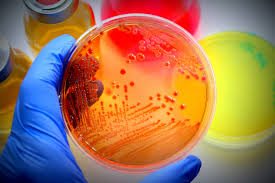
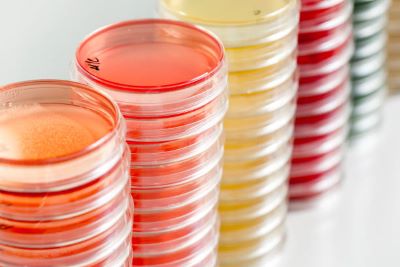
Petri dish

/ˈpiː.tri ˌdɪʃ/

(noun) 페트리 접시, 배양 접시

예시:

The scientist placed the bacteria sample in a Petri dish.
과학자는 박테리아 샘플을 페트리 접시에 담았다.

agar

/ˈeɪ.ɡɑːr/

(noun) 한천, 아가

예시:

The bacteria grew well on the agar plate.
박테리아는 한천 배지에서 잘 자랐다.

cosmology

/kɑːzˈmɑː.lə.dʒi/

(noun) 우주론

예시:

Modern cosmology is based on the Big Bang theory.
현대 우주론은 빅뱅 이론에 기초합니다.

virulent

/ˈvɪr.jə.lənt/

(adjective) 독성이 강한, 악성의, 맹렬한

예시:

The disease was caused by a highly virulent strain of bacteria.
그 질병은 매우 독성이 강한 박테리아 균주에 의해 발생했다.

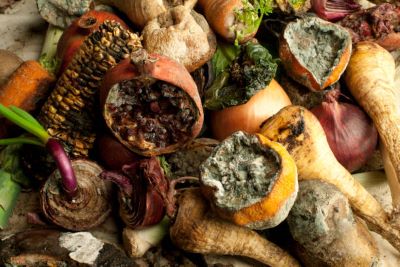
decomposition

/ˌdiː.kɑːm.pəˈzɪʃ.ən/

(noun) 분해, 부패, 해체

예시:

The rapid decomposition of organic matter enriches the soil.
유기물의 빠른 분해는 토양을 비옥하게 한다.

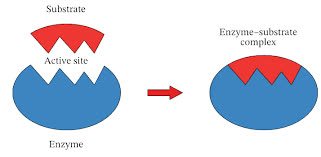
substrate

/ˈsʌb.streɪt/

(noun) 기질, 배지, 기판

예시:

Algae grew on the rocky substrate.
바위 기질에 조류가 자랐다.

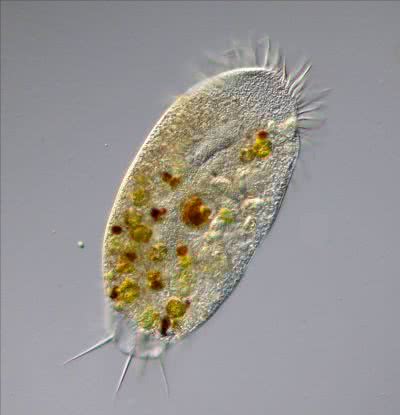
ameba

/əˈmiː.bə/

(noun) 아메바

예시:

The ameba moved slowly across the microscope slide.
아메바는 현미경 슬라이드를 천천히 움직였다.

adaptation

/ˌæd.əpˈteɪ.ʃən/

(noun) 적응, 순응, 각색

예시:

The adaptation of the species to the new environment was slow.
새로운 환경에 대한 종의 적응은 느렸다.
Lingoland에서 이 어휘 세트 학습하기