Avatar of Vocabulary Set 生物学者

SAT理科語彙 内 生物学者 語彙セット:完全かつ詳細なリスト

「SAT理科語彙」内の「生物学者」語彙セットは国際標準教材から厳選され、短期間で語彙をマスターできます。定義、例文、標準発音を網羅…

Lingolandでこの語彙セットを学習

今すぐ学習
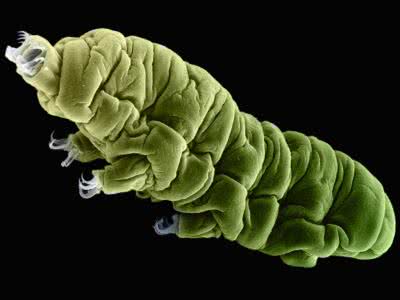
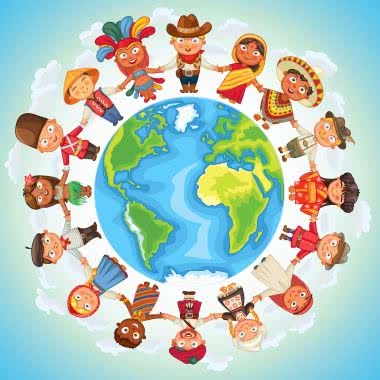
organism

/ˈɔːr-/

(noun) 生物, 有機体, システム

例:

Bacteria are single-celled organisms.
バクテリアは単細胞生物です。

culture

/ˈkʌl.tʃɚ/

(noun) 文化, 培養;

(verb) 培養する

例:

Japanese culture is rich in tradition.
日本の文化は伝統が豊かです。

metabolic

/met̬.əˈbɑː.lɪk/

(adjective) 代謝の

例:

Exercise can boost your metabolic rate.
運動は代謝率を高めることができます。

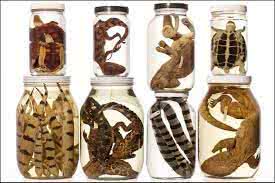
specimen

/ˈspes.ə.mɪn/

(noun) 標本, 見本, 典型

例:

The museum has a rare specimen of a giant squid.
博物館には巨大イカの珍しい標本があります。

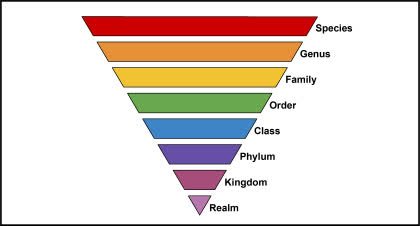
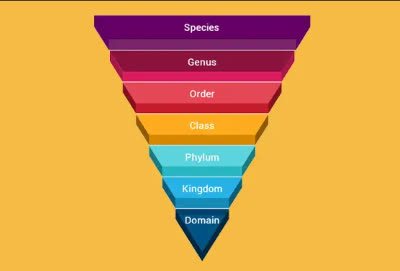
genus

/ˈdʒiː.nəs/

(noun) 属, 種類, タイプ

例:

The genus Homo includes modern humans and several extinct species.
ホモ属には現代の人類といくつかの絶滅種が含まれる。

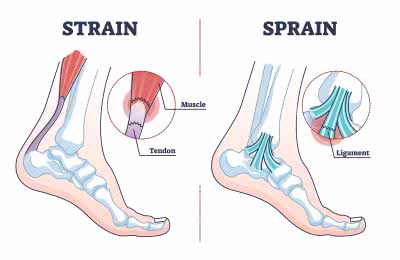
strain

/streɪn/

(noun) 負担, 緊張, 品種;

(verb) 酷使する, 緊張させる, 水切りする

例:
The constant pressure put a lot of strain on the bridge.
絶え間ない圧力は橋に大きな負担をかけた。

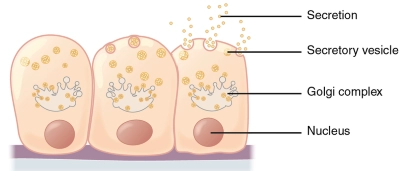
secrete

/sɪˈkriːt/

(verb) 分泌する, 排出する, 隠す

例:

The glands secrete hormones into the bloodstream.
腺はホルモンを血流に分泌する。

excrete

/ɪkˈskriːt/

(verb) 排泄する, 分泌する

例:

The kidneys excrete waste products from the body.
腎臓は体から老廃物を排泄する

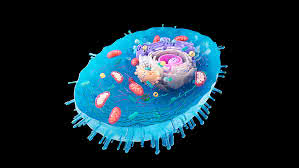
eukaryote

/juːˈker.i.oʊt/

(noun) 真核生物

例:

Humans are eukaryotes, as our cells contain a nucleus.
人間は細胞に核を持つ真核生物です。

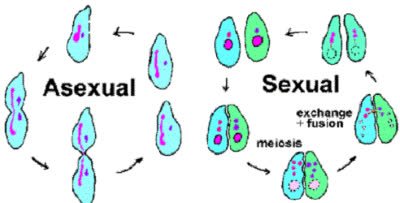
asexual reproduction

/ˌeɪˌsek.ʃu.əl rɪ.prəˈdʌk.ʃən/

(noun) 無性生殖

例:

Many single-celled organisms reproduce through asexual reproduction.
多くの単細胞生物は無性生殖によって繁殖します。

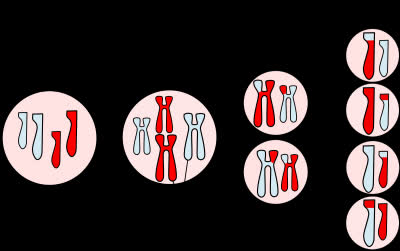
meiosis

/maɪˈoʊ.sɪs/

(noun) 減数分裂

例:

During meiosis, genetic recombination occurs, leading to increased genetic diversity.
減数分裂中に遺伝的組換えが起こり、遺伝的多様性が増加する。

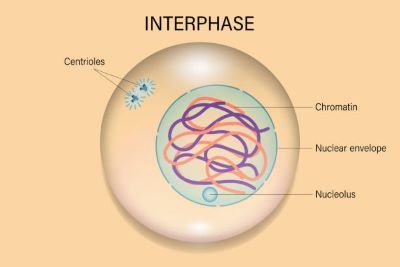
interphase

/ˈɪn.t̬ɚ.feɪz/

(noun) 間期

例:

During interphase, the cell copies its DNA in preparation for mitosis.
間期の間、細胞は有糸分裂の準備としてDNAを複製します。

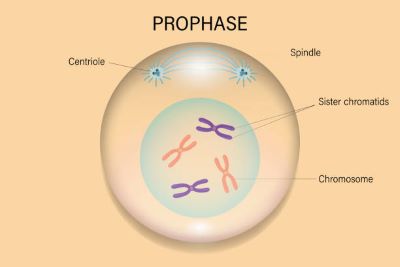
prophase

/ˈproʊ.feɪz/

(noun) 前期

例:

During prophase, the chromatin condenses into discrete chromosomes.
前期の間、染色質は個別の染色体に凝縮します。

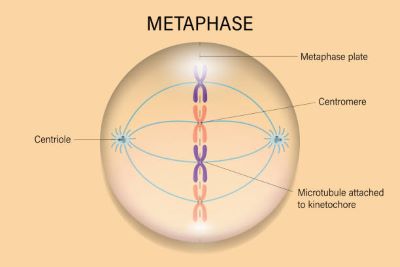
metaphase

/ˈmet̬.ə.feɪz/

(noun) 中期

例:

During metaphase, chromosomes line up along the equatorial plate.
中期の間、染色体は赤道面に並びます。

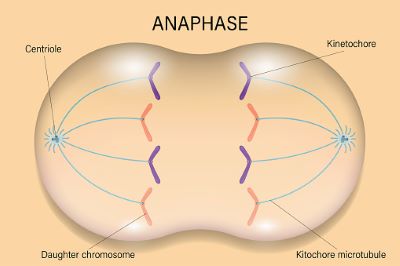
anaphase

/ˈæn.ə.feɪz/

(noun) 後期, アナフェーズ

例:

During anaphase, the sister chromatids separate and move toward opposite ends of the cell.
後期の間、姉妹染色分体は分離し、細胞の反対側の端に向かって移動します。

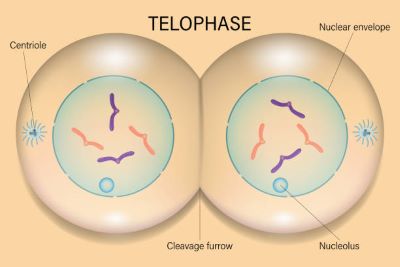
telophase

/ˈtiː.lə.feɪz/

(noun) 終期

例:

During telophase, the nuclear envelopes reform around the new sets of chromosomes.
終期の間、核膜が新しい染色体セットの周囲に再形成されます。

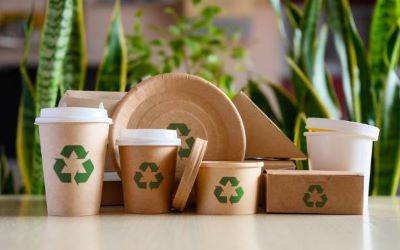
biodegrade

/ˌbaɪ.oʊ.dɪˈɡreɪd/

(verb) 生物分解する, 自然分解する

例:

Most paper products will biodegrade within a few months.
ほとんどの紙製品は数ヶ月以内に自然に分解されます

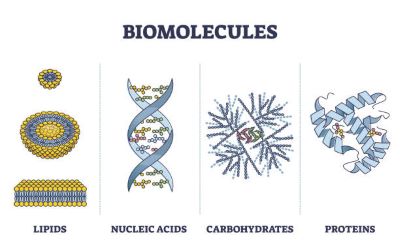
biomolecule

/ˌbaɪ.oʊˈmɑː.lɪ.kjuːl/

(noun) 生体分子

例:

Proteins and nucleic acids are essential biomolecules found in all living cells.
タンパク質と核酸は、すべての生細胞に見られる不可欠な生体分子です。

biodiversity

/ˌbaɪ.oʊ.dɪˈvɝː.sə.t̬i/

(noun) 生物多様性

例:

Protecting rainforests is crucial for maintaining global biodiversity.
熱帯雨林の保護は、地球規模の生物多様性を維持するために不可欠です。

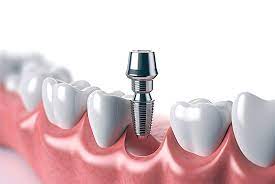
biocompatible

/ˌbaɪ.oʊ.kəmˈpæt̬.ə.bəl/

(adjective) 生体適合性のある

例:

The surgeon used a biocompatible material for the implant.
外科医はインプラントに生体適合性のある材料を使用した。

biometrics

/ˌbaɪ.oʊˈmet.rɪks/

(noun) 生体認証, バイオメトリクス

例:

The airport uses biometrics like facial recognition to speed up security checks.
空港では、セキュリティチェックを迅速化するために顔認証などの生体認証を使用しています。

microbiology

/ˌmaɪ.kroʊ.baɪˈɑː.lə.dʒi/

physiologist

/ˌfɪz.iˈɑː.lə.dʒɪst/

(noun) 生理学者

例:

The physiologist explained how the heart responds to extreme exercise.
その生理学者は、心臓が激しい運動にどのように反応するかを説明した。

ecology

/iˈkɑː.lə.dʒi/

(noun) 生態学, エコロジー, 環境保護運動

例:

She is studying ecology at university.
彼女は大学で生態学を学んでいます。

ecotourism

/ˈiː.koʊˌtʊr.ɪ.zəm/

(noun) エコツーリズム

例:

Many travelers are choosing ecotourism to experience nature responsibly.
多くの旅行者が責任を持って自然を体験するためにエコツーリズムを選んでいます。

biomimicry

/ˌbaɪ.oʊˈmɪm.ɪ.kri/

(noun) バイオミミクリー, 生体模倣

例:

The design of the high-speed train was a result of biomimicry, inspired by the beak of a kingfisher.
その高速列車の設計は、カワセミのくちばしにヒントを得たバイオミミクリーの結果でした。

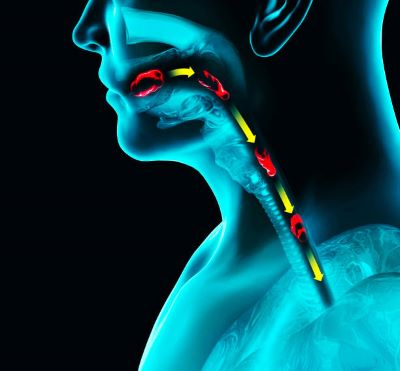
mucus

/ˈmjuː.kəs/

(noun) 粘液

例:

When you have a cold, your body produces more mucus.
風邪をひくと、体はより多くの粘液を生成します。

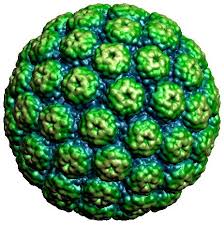
virion

/ˈvɪr.i.ɑːn/

(noun) ビリオン, ウイルス粒子

例:

The virion attaches to the surface of the host cell to begin the infection process.
ビリオンは宿主細胞の表面に付着し、感染プロセスを開始します。

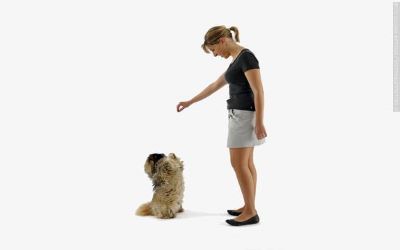
conditioning

/kənˈdɪʃ.ən.ɪŋ/

(noun) 条件付け, 訓練, コンディショニング

例:

The dog's good behavior is a result of consistent conditioning.
犬の良い行動は、一貫した条件付けの結果です。

nutrient

/ˈnuː.tri.ənt/

(noun) 栄養素, 栄養分

例:

Plants absorb essential nutrients from the soil.
植物は土壌から必須の栄養素を吸収します。

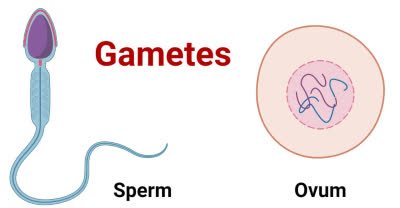
gamete

/ˈɡæm.iːt/

(noun) 配偶子, 生殖細胞

例:

In humans, sperm and egg cells are examples of gametes.
人間では、精子と卵細胞は配偶子の例です。

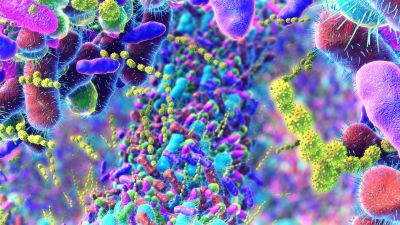
microbiome

/ˌmaɪ.kroʊˈbaɪ.oʊm/

(noun) マイクロバイオーム, 微生物相

例:

Eating fermented foods can help improve your gut microbiome.
発酵食品を食べることは、腸内マイクロバイオームの改善に役立ちます。

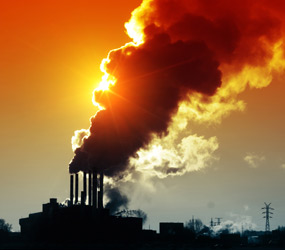
anthropogenic

/ˌæn.θrə.pəˈdʒen.ɪk/

(adjective) 人類起源の, 人間活動による

例:

Scientists are studying the impact of anthropogenic climate change on marine life.
科学者たちは、人類起源の気候変動が海洋生物に与える影響を研究している。

motility

/moʊˈtɪl.ə.t̬i/

(noun) 運動性, 可動性

例:

Sperm motility is a key factor in male fertility.
精子の運動性は男性の生殖能力における重要な要素です。

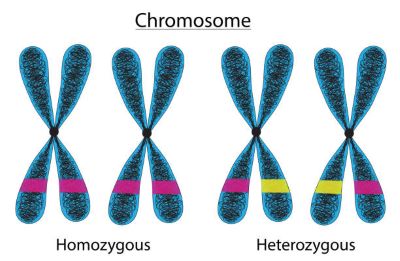
homologous

/hoʊˈmɑː.lə.ɡəs/

(adjective) 相同の

例:

The wings of a bird and the arms of a human are homologous structures.
鳥の翼と人間の腕は相同器官です。

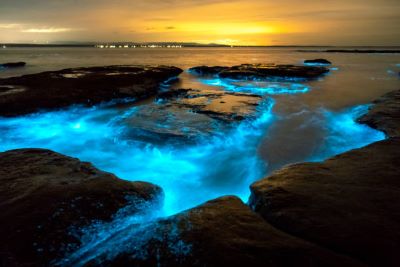
bioluminescence

/ˌbaɪ.oʊ.luː.məˈnes.əns/

(noun) 生物発光

例:

The ocean glowed with the bioluminescence of tiny plankton.
海は小さなプランクトンの生物発光で輝いていた。

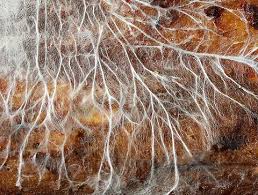
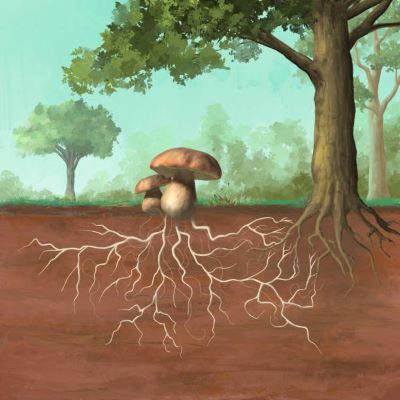
mycelium

/maɪˈsiːliəm/

(noun) 菌糸体

例:

The forest floor was covered with a dense network of fungal mycelium.
森林の地面は、菌類の菌糸体の密なネットワークで覆われていた。

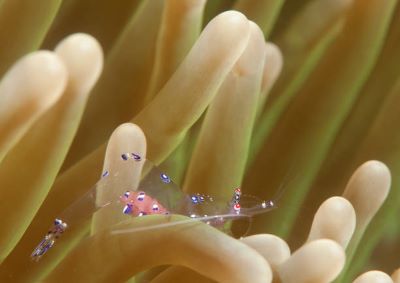
commensal

/kəˈmen.səl/

(adjective) 片利共生の;

(noun) 片利共生生物

例:

Remora fish have a commensal relationship with sharks.
コバンザメはサメと片利共生の関係にあります。

mycorrhiza

/ˌmaɪ.kəˈraɪ.zə/

(noun) 菌根

例:

The health of the forest depends on the mycorrhiza connecting the trees.
森林の健康は、木々をつなぐ菌根にかかっています。

assimilate

/əˈsɪm.ə.leɪt/

(verb) 吸収する, 同化する, 同化させる

例:

It's hard to assimilate all the new information at once.
一度にすべての新しい情報を吸収するのは難しい。

spore

/spɔːr/

(noun) 胞子;

(verb) 胞子を形成する, 胞子を放出する

例:
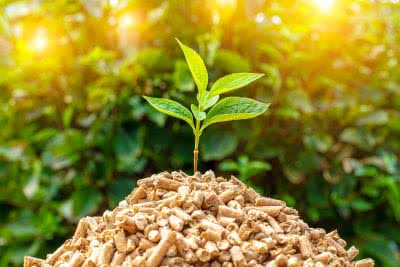
Mushrooms reproduce by releasing tiny spores.
キノコは小さな胞子を放出して繁殖します。

biomass

/ˈbaɪ.oʊˌmæs/

(noun) バイオマス, 生物量

例:

The power plant generates electricity from agricultural biomass.
発電所は農業バイオマスから電力を生成します。

taxonomy

/tækˈsɑː.nə.mi/

(noun) 分類学, 分類, 分類体系

例:

The taxonomy of plants is a complex field.
植物の分類学は複雑な分野です。

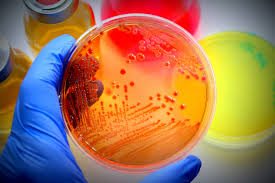
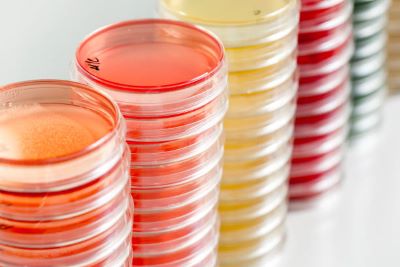
Petri dish

/ˈpiː.tri ˌdɪʃ/

(noun) シャーレ, ペトリ皿

例:

The scientist placed the bacteria sample in a Petri dish.
科学者は細菌のサンプルをシャーレに入れた。

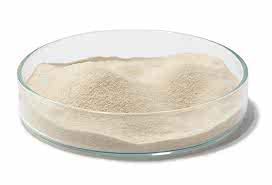
agar

/ˈeɪ.ɡɑːr/

(noun) 寒天, アガー

例:

The bacteria grew well on the agar plate.
細菌は寒天培地でよく増殖した。

cosmology

/kɑːzˈmɑː.lə.dʒi/

(noun) 宇宙論

例:

Modern cosmology is based on the Big Bang theory.
現代の宇宙論はビッグバン理論に基づいています。

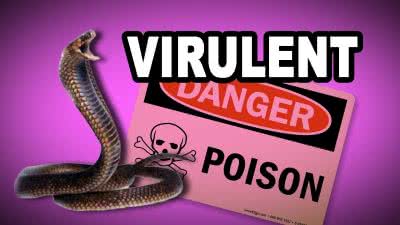
virulent

/ˈvɪr.jə.lənt/

(adjective) 毒性の強い, 悪性の, 激しい

例:

The disease was caused by a highly virulent strain of bacteria.
その病気は非常に毒性の強い細菌株によって引き起こされた。

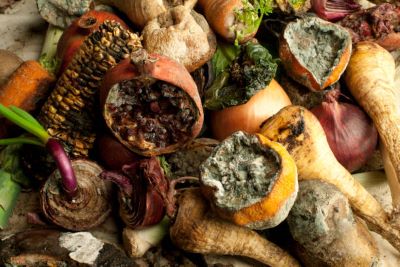
decomposition

/ˌdiː.kɑːm.pəˈzɪʃ.ən/

(noun) 分解, 腐敗, 分析

例:

The rapid decomposition of organic matter enriches the soil.
有機物の急速な分解は土壌を豊かにする。

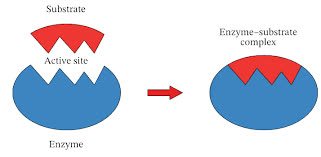
substrate

/ˈsʌb.streɪt/

(noun) 基質, 下地, 基板

例:

Algae grew on the rocky substrate.
藻類は岩の基質の上で育った。

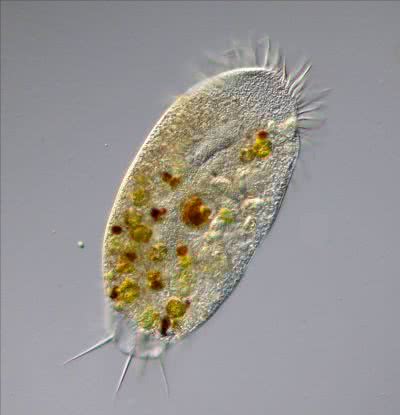
ameba

/əˈmiː.bə/

(noun) アメーバ

例:

The ameba moved slowly across the microscope slide.
アメーバは顕微鏡のスライド上をゆっくりと移動した。

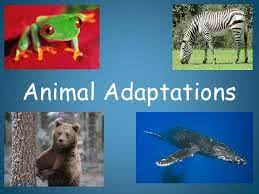
adaptation

/ˌæd.əpˈteɪ.ʃən/

(noun) 適応, 順応, 翻案

例:

The adaptation of the species to the new environment was slow.
その種の新しい環境への適応は遅かった。
Lingolandでこの語彙セットを学習