
Avatar of Vocabulary Set 800 คะแนน

ชุดคำศัพท์ 800 คะแนน ในชุด วันที่ 8 - กลยุทธ์การตลาด (2): รายการเต็มรูปแบบและละเอียด

ชุดคำศัพท์ '800 คะแนน' ในชุด 'วันที่ 8 - กลยุทธ์การตลาด (2)' คัดเลือกอย่างพิถีพิถันจากแหล่งตำราสากลมาตรฐาน ช่วยให้คุณเชี่ยวชาญคำศัพท์ในเวลาอันสั้น รวมคำนิยาม ตัวอย่างประกอบ และการออกเสียงมาตรฐาน...

เรียนชุดคำศัพท์นี้ที่ Lingoland

เรียนเลย

advertising campaign

/ˈæd.vər.taɪ.zɪŋ kæmˈpeɪn/

(noun) แคมเปญโฆษณา

ตัวอย่าง:

The company launched a new advertising campaign to boost sales.
บริษัทเปิดตัวแคมเปญโฆษณาใหม่เพื่อกระตุ้นยอดขาย

be anxious to do

/bi ˈæŋk.ʃəs tu du/

(idiom) กระตือรือร้นที่จะ, อยากจะ...ใจจะขาด

ตัวอย่าง:

She is anxious to meet her new colleagues.
เธอกระตือรือร้นที่จะพบเพื่อนร่วมงานใหม่ของเธอ

bring on

/brɪŋ ɑːn/

(phrasal verb) ทำให้เกิด, นำมาซึ่ง, เข้ามาเลย

ตัวอย่าง:

The stress of the job brought on a severe headache.
ความเครียดจากงานทำให้เกิดอาการปวดหัวอย่างรุนแรง

chase

/tʃeɪs/

(verb) ไล่ล่า, ตามล่า, ไล่ตาม;

(noun) การไล่ล่า, การตามล่า

ตัวอย่าง:

The dog loves to chase squirrels in the park.
สุนัขชอบไล่ล่ากระรอกในสวนสาธารณะ

come along

/kʌm əˈlɔŋ/

(phrasal verb) มาด้วย, ไปด้วยกัน, คืบหน้า

ตัวอย่าง:

Why don't you come along with us to the park?
ทำไมคุณไม่มาด้วยกันกับเราที่สวนสาธารณะล่ะ?

come loose

/kʌm luːs/

(phrasal verb) หลุด, คลายออก

ตัวอย่าง:
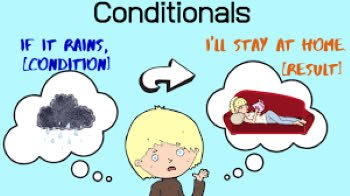
The button on my shirt has come loose.
กระดุมเสื้อของฉันหลุด

conditional

/kənˈdɪʃ.ən.əl/

(adjective) มีเงื่อนไข, ตามเงื่อนไข, เงื่อนไข;

(noun) คำเชื่อมเงื่อนไข, ประโยคเงื่อนไข

ตัวอย่าง:

The offer is conditional on a satisfactory inspection.
ข้อเสนอเป็นไปตามเงื่อนไขของการตรวจสอบที่น่าพอใจ

customer survey

/ˈkʌs.tə.mər ˈsɜːr.veɪ/

(noun) แบบสำรวจลูกค้า, การสำรวจความคิดเห็นของลูกค้า

ตัวอย่าง:

We are conducting a customer survey to improve our service.
เรากำลังทำแบบสำรวจลูกค้าเพื่อปรับปรุงบริการของเรา

date back to

/deɪt bæk tuː/

(phrasal verb) ย้อนกลับไปถึง, มีมาตั้งแต่

ตัวอย่าง:

This castle dates back to the 14th century.
ปราสาทแห่งนี้มีอายุย้อนไปถึงศตวรรษที่ 14

depict

/dɪˈpɪkt/

(verb) พรรณนา, วาดภาพ, แสดง

ตัวอย่าง:

The artist chose to depict the city at dawn.
ศิลปินเลือกที่จะพรรณนาเมืองในยามรุ่งอรุณ

destruction

/dɪˈstrʌk.ʃən/

(noun) การทำลาย, ความพินาศ, ซากปรักหักพัง

ตัวอย่าง:

The earthquake caused widespread destruction.
แผ่นดินไหวทำให้เกิดความเสียหายอย่างกว้างขวาง

enter into

/ˈen.tər ˈɪn.tuː/

(phrasal verb) เข้าสู่, เริ่มต้น, ทำ

ตัวอย่าง:

They decided to enter into negotiations for a new contract.
พวกเขาตัดสินใจที่จะเข้าสู่การเจรจาสำหรับสัญญาใหม่

get back to

/ɡɛt bæk tuː/

(phrasal verb) กลับไปที่, กลับคืนสู่, ติดต่อกลับ

ตัวอย่าง:

I need to get back to work after this break.
ฉันต้องกลับไปทำงานหลังจากพักนี้

gradual

/ˈɡrædʒ.u.əl/

(adjective) ค่อยเป็นค่อยไป, ทีละน้อย

ตัวอย่าง:

There has been a gradual improvement in her health.
สุขภาพของเธอมีการพัฒนาอย่างค่อยเป็นค่อยไป

inactive

/ɪnˈæk.tɪv/

(adjective) ไม่ทำงาน, เฉื่อยชา, ไม่เคลื่อนไหว

ตัวอย่าง:
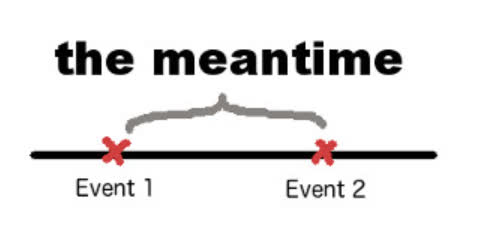
The volcano has been inactive for centuries.
ภูเขาไฟไม่ทำงานมาหลายศตวรรษแล้ว

in the meantime

/ɪn ðə ˈmiːn.taɪm/

(adverb) ในระหว่างนี้, ในขณะเดียวกัน

ตัวอย่าง:

The new computer will arrive next week; in the meantime, you can use the old one.
คอมพิวเตอร์เครื่องใหม่จะมาถึงสัปดาห์หน้า ในระหว่างนี้ คุณสามารถใช้เครื่องเก่าได้

invalid

/ɪnˈvæl.ɪd/

(noun) ผู้ป่วย, คนพิการ;

(adjective) ไม่ถูกต้อง, ไม่สมบูรณ์, ผิดพลาด

ตัวอย่าง:

The nurse helped the invalid to sit up in bed.
พยาบาลช่วยผู้ป่วยให้นั่งบนเตียง

look over

/lʊk ˈoʊvər/

(phrasal verb) ดูผ่านๆ, ทบทวน, มองข้าม

ตัวอย่าง:

Can you look over this report before I submit it?
คุณช่วยดูผ่านๆ รายงานนี้ก่อนที่ฉันจะส่งได้ไหม

make up one's mind

/meɪk ʌp wʌnz maɪnd/

(idiom) ตัดสินใจ, ตกลงใจ

ตัวอย่าง:

I can't make up my mind whether to go to the party or stay home.
ฉันไม่สามารถตัดสินใจได้ว่าจะไปงานปาร์ตี้หรืออยู่บ้าน

meaningful

/ˈmiː.nɪŋ.fəl/

(adjective) มีความหมาย, สำคัญ, มีประโยชน์

ตัวอย่าง:

She found a meaningful career in social work.
เธอพบอาชีพที่มีความหมายในงานสังคมสงเคราะห์

put a rush

/pʊt ə rʌʃ/

(idiom) เร่ง, ให้ความสำคัญ

ตัวอย่าง:

We need to put a rush on this order if we want it to arrive by Friday.
เราต้องเร่งคำสั่งซื้อนี้ถ้าเราต้องการให้มันมาถึงภายในวันศุกร์

put a strain on

/pʊt ə streɪn ɑn/

(idiom) สร้างความตึงเครียดให้กับ, ทำให้ตึงเครียด

ตัวอย่าง:
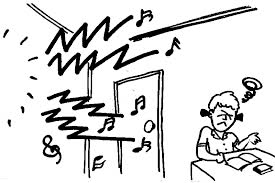
The constant arguments began to put a strain on their relationship.
การโต้เถียงกันตลอดเวลาเริ่มสร้างความตึงเครียดให้กับความสัมพันธ์ของพวกเขา

put up with

/pʊt ʌp wɪð/

(phrasal verb) ทน, อดทน

ตัวอย่าง:

I can't put up with his constant complaining anymore.
ฉันไม่สามารถทนกับการบ่นของเขาได้อีกต่อไปแล้ว

reach for

/riːtʃ fɔːr/

(phrasal verb) เอื้อมมือไปหยิบ, พยายามคว้า, ไขว่คว้า

ตัวอย่าง:

She had to reach for the top shelf to get the book.
เธอต้องเอื้อมมือไปหยิบหนังสือบนชั้นวางของชั้นบนสุด

stay ahead of

/steɪ əˈhɛd əv/

(idiom) นำหน้า, รักษาความได้เปรียบ

ตัวอย่าง:
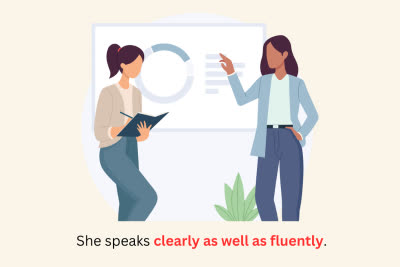
It's important to stay ahead of the competition in business.
เป็นสิ่งสำคัญที่จะต้องนำหน้าคู่แข่งในธุรกิจ

A as well as B

/eɪ æz wɛl æz biː/

(conjunction) รวมถึง, และยัง

ตัวอย่าง:

She is a talented singer as well as a great dancer.
เธอเป็นนักร้องที่มีพรสวรรค์รวมถึงเป็นนักเต้นที่ยอดเยี่ยมด้วย

ample

/ˈæm.pəl/

(adjective) เพียงพอ, เหลือเฟือ, กว้างขวาง

ตัวอย่าง:

There is ample evidence to support the claim.
มีหลักฐานเพียงพอที่จะสนับสนุนข้อกล่าวอ้าง

a range of

/ə reɪndʒ əv/

(phrase) หลากหลาย, ช่วงของ, ประเภทต่างๆ

ตัวอย่าง:

The store offers a range of products for all ages.
ร้านค้ามีสินค้าหลากหลายสำหรับทุกเพศทุกวัย

attend to a client

/əˈtɛnd tu ə ˈklaɪənt/

(phrase) ดูแลลูกค้า, ให้บริการลูกค้า

ตัวอย่าง:

The receptionist was busy attending to a client when I arrived.
พนักงานต้อนรับกำลังยุ่งอยู่กับการดูแลลูกค้าเมื่อฉันมาถึง

confront

/kənˈfrʌnt/

(verb) เผชิญหน้า, ต่อต้าน, นำเสนอ

ตัวอย่าง:
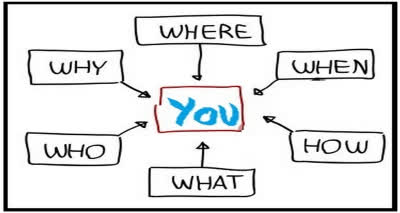
She decided to confront her accuser in court.
เธอตัดสินใจที่จะเผชิญหน้ากับผู้กล่าวหาในศาล

context

/ˈkɑːn.tekst/

(noun) บริบท, ภูมิหลัง

ตัวอย่าง:

It is important to consider the historical context of the document.
สิ่งสำคัญคือต้องพิจารณาบริบททางประวัติศาสตร์ของเอกสาร

despair

/dɪˈsper/

(noun) ความสิ้นหวัง;

(verb) สิ้นหวัง

ตัวอย่าง:

He fell into despair after losing his job.
เขาสิ้นหวังหลังจากตกงาน

disconnected

/ˌdɪs.kəˈnek.tɪd/

(adjective) ที่ตัดขาด, ที่ไม่เชื่อมต่อ, ไม่ต่อเนื่อง;

(past tense) ตัดการเชื่อมต่อ, ตัด

ตัวอย่าง:

The technician found a disconnected wire in the back of the machine.
ช่างเทคนิคพบสายไฟที่หลุดอยู่ด้านหลังเครื่อง

dissatisfied

/ˌdɪsˈsæt̬.əs.faɪd/

(adjective) ไม่พอใจ, ไม่เป็นที่พอใจ

ตัวอย่าง:

Many customers were dissatisfied with the new service.
ลูกค้าหลายคนไม่พอใจกับบริการใหม่

driven

/ˈdrɪv.ən/

(adjective) มุ่งมั่น, มีแรงผลักดัน;

(past participle) ขับ, ผลัก

ตัวอย่าง:

She is a highly driven individual, always striving for success.
เธอเป็นคนที่มีความมุ่งมั่นสูงมาก มักจะพยายามเพื่อความสำเร็จเสมอ

dynamic

/daɪˈnæm.ɪk/

(adjective) ไดนามิก, เปลี่ยนแปลงตลอดเวลา;

(noun) พลวัต, แรงขับเคลื่อน

ตัวอย่าง:

The business environment is highly dynamic.
สภาพแวดล้อมทางธุรกิจเป็นแบบไดนามิกสูง

eagerly await

/ˈiːɡərli əˈweɪt/

(phrasal verb) รอคอยอย่างกระตือรือร้น, ตั้งตารอ

ตัวอย่าง:

We eagerly await your response to our proposal.
เรารอคอยอย่างกระตือรือร้นคำตอบของคุณสำหรับข้อเสนอของเรา

enormous

/əˈnɔːr.məs/

(adjective) มหาศาล, ใหญ่โต, มหึมา

ตัวอย่าง:

The company made an enormous profit this year.
บริษัททำกำไรได้มหาศาลในปีนี้

fall behind

/fɔːl bɪˈhaɪnd/

(phrasal verb) ล้าหลัง, ตามไม่ทัน, ค้างชำระ

ตัวอย่าง:

If you don't study regularly, you'll fall behind in your classes.
ถ้าคุณไม่เรียนสม่ำเสมอ คุณจะล้าหลังในการเรียน

feasible

/ˈfiː.zə.bəl/

(adjective) เป็นไปได้, ทำได้, ปฏิบัติได้

ตัวอย่าง:
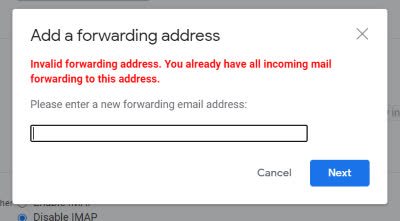
It is not feasible to do this work in a day.
มันไม่เป็นไปได้ที่จะทำงานนี้ให้เสร็จในหนึ่งวัน

forwarding address

/ˈfɔːrwərdɪŋ əˈdres/

(noun) ที่อยู่สำหรับส่งต่อ, ที่อยู่ใหม่

ตัวอย่าง:

Please leave your forwarding address with the post office.
กรุณาทิ้งที่อยู่สำหรับส่งต่อไว้ที่ไปรษณีย์

get over

/ɡet ˈoʊ.vər/

(phrasal verb) หายจาก, ทำใจได้, ผ่านพ้น

ตัวอย่าง:

It took her a long time to get over the flu.
เธอใช้เวลานานกว่าจะหายจากไข้หวัดใหญ่

impress

/ɪmˈpres/

(verb) สร้างความประทับใจ, ทำให้ประทับใจ, ประทับ

ตัวอย่าง:

His performance really impressed the judges.
การแสดงของเขาสร้างความประทับใจให้กับกรรมการจริงๆ

inadequate

/ɪˈnæd.ə.kwət/

(adjective) ไม่เพียงพอ, ไม่เหมาะสม, บกพร่อง

ตัวอย่าง:

The food supply was inadequate to feed all the refugees.
เสบียงอาหารไม่เพียงพอที่จะเลี้ยงผู้ลี้ภัยทั้งหมด

in a timely fashion

/ɪn ə ˈtaɪmli ˈfæʃən/

(phrase) ทันเวลา, อย่างรวดเร็ว, ตามกำหนด

ตัวอย่าง:

Please submit your report in a timely fashion.
โปรดส่งรายงานของคุณให้ทันเวลา

irreplaceable

/ˌɪr.əˈpleɪ.sə.bəl/

(adjective) ไม่อาจหาอะไรมาแทนได้, ซึ่งทดแทนไม่ได้

ตัวอย่าง:

This antique watch is irreplaceable because it belonged to my grandfather.
นาฬิกาโบราณเรือนนี้ไม่อาจหาอะไรมาแทนได้เพราะเป็นของปู่ของฉัน

limitation

/ˌlɪm.əˈteɪ.ʃən/

(noun) ข้อจำกัด, การจำกัด, จุดอ่อน

ตัวอย่าง:

There's a strict limitation on the number of guests.
มีข้อจำกัดที่เข้มงวดเกี่ยวกับจำนวนแขก

massive

/ˈmæs.ɪv/

(adjective) ใหญ่โต, มหึมา, มหาศาล

ตัวอย่าง:

The building has a massive oak door.
อาคารมีประตูไม้โอ๊กขนาดใหญ่

point out

/pɔɪnt aʊt/

(phrasal verb) ชี้, บ่งชี้, ชี้ให้เห็น

ตัวอย่าง:

She pointed out the star in the night sky.
เธอชี้ไปที่ดาวบนท้องฟ้ายามค่ำคืน

rave review

/ˈreɪv rɪˌvjuː/

(noun) คำวิจารณ์ที่ยอดเยี่ยม, คำชมเชยอย่างมาก

ตัวอย่าง:

The new restaurant received rave reviews from food critics.
ร้านอาหารใหม่ได้รับคำวิจารณ์ที่ยอดเยี่ยมจากนักวิจารณ์อาหาร

repeatedly

/rɪˈpiː.t̬ɪd.li/

(adverb) ซ้ำแล้วซ้ำเล่า, หลายครั้ง

ตัวอย่าง:

He repeatedly tried to call her, but she didn't answer.
เขาพยายามโทรหาเธอซ้ำแล้วซ้ำเล่า แต่เธอไม่รับสาย

strategically

/strəˈtiː.dʒɪ.kəl.i/

(adverb) อย่างมีกลยุทธ์

ตัวอย่าง:

The company strategically placed its new store near a busy intersection.
บริษัทวางตำแหน่งร้านใหม่อย่างมีกลยุทธ์ใกล้สี่แยกที่พลุกพล่าน

unveil

/ʌnˈveɪl/

(verb) เปิดเผย, เปิดตัว, ประกาศ

ตัวอย่าง:

The queen will unveil the new statue next month.
สมเด็จพระราชินีจะเปิดตัวรูปปั้นใหม่ในเดือนหน้า

a great deal

/ə ɡreɪt diːl/

(phrase) จำนวนมาก, อย่างมาก, เป็นอย่างยิ่ง

ตัวอย่าง:

She spends a great deal of time reading.
เธอใช้เวลามากในการอ่านหนังสือ

be sensitive to

/bi ˈsɛnsətɪv tu/

(phrase) ใส่ใจต่อ, คำนึงถึง, แพ้

ตัวอย่าง:

A good teacher should be sensitive to the needs of their students.
ครูที่ดีควรใส่ใจต่อความต้องการของนักเรียน

bother to do

/ˈbɑðər tu du/

(phrase) รบกวนทำ, เสียเวลาทำ

ตัวอย่าง:

He didn't even bother to do his homework.
เขาไม่แม้แต่จะรบกวนทำการบ้านของเขา

call off

/kɔːl ˈɔːf/

(phrasal verb) ยกเลิก, เลื่อน, เรียกกลับ

ตัวอย่าง:

They had to call off the outdoor concert due to heavy rain.
พวกเขาต้องยกเลิกคอนเสิร์ตกลางแจ้งเนื่องจากฝนตกหนัก

carry out market studies

/ˈkæri aʊt ˈmɑːrkɪt ˈstʌdiz/

(phrase) ดำเนินการศึกษาตลาด, ทำการวิจัยตลาด

ตัวอย่าง:

Before launching the new product, the company decided to carry out market studies.
ก่อนเปิดตัวผลิตภัณฑ์ใหม่ บริษัทตัดสินใจดำเนินการศึกษาตลาด

come across

/kʌm əˈkrɔs/

(phrasal verb) พบโดยบังเอิญ, เจอโดยบังเอิญ, สื่อออกมา

ตัวอย่าง:

I came across an old friend at the market today.
ฉันเจอเพื่อนเก่าที่ตลาดวันนี้

contrive to do

/kənˈtraɪv tə duː/

(phrase) พยายามทำ, จัดการทำ, คิดหาวิธีทำ

ตัวอย่าง:

Despite the bad weather, they managed to contrive to do the outdoor concert.
แม้สภาพอากาศจะเลวร้าย แต่พวกเขาก็สามารถจัดการจัดคอนเสิร์ตกลางแจ้งได้

deliberate

/dɪˈlɪb.ɚ.ət/

(adjective) โดยเจตนา, ตั้งใจ, รอบคอบ;

(verb) ปรึกษาหารือ, พิจารณา

ตัวอย่าง:

The fire was a result of deliberate arson.
ไฟไหม้เป็นผลมาจากการวางเพลิงโดยเจตนา

discounted rate

/dɪˈskaʊntɪd reɪt/

(noun) อัตราส่วนลด, ราคาพิเศษ

ตัวอย่าง:

Students are eligible for a discounted rate on public transport.
นักเรียนมีสิทธิ์ได้รับอัตราส่วนลดสำหรับขนส่งสาธารณะ

have a tendency to do

/hæv ə ˈtendənsi tu du/

(idiom) มีแนวโน้มที่จะ, มักจะ

ตัวอย่าง:

I have a tendency to talk too much when I'm nervous.
ฉันมีแนวโน้มที่จะพูดมากเกินไปเวลาประหม่า

have an opportunity to do

/hæv æn ˌɑː.pɚˈtuː.nə.t̬i tu duː/

(phrase) มีโอกาสได้ทำ

ตัวอย่าง:

I hope to have an opportunity to do some sightseeing while I'm in Paris.
ฉันหวังว่าจะมีโอกาสได้ไปเที่ยวชมสถานที่ต่างๆ ในขณะที่ฉันอยู่ในปารีส

have something to do with

/hæv ˈsʌm.θɪŋ tuː duː wɪθ/

(idiom) เกี่ยวข้องกับ, มีส่วนเกี่ยวข้องกับ

ตัวอย่าง:

I think his bad mood might have something to do with the argument he had this morning.
ฉันคิดว่าอารมณ์ไม่ดีของเขาอาจจะเกี่ยวข้องกับการทะเลาะกันเมื่อเช้านี้

in turn

/ɪn tɜrn/

(phrase) ตามลำดับ, ในทางกลับกัน, เป็นผลให้

ตัวอย่าง:

The children took turns riding the swing, each one getting a chance in turn.
เด็กๆ ผลัดกันเล่นชิงช้า แต่ละคนได้โอกาสตามลำดับ

make no exception

/meɪk noʊ ɪkˈsɛp.ʃən/

(idiom) ไม่ละเว้น, ไม่มีข้อยกเว้น

ตัวอย่าง:

The law is strict, and the judge will make no exception for anyone.
กฎหมายนั้นเข้มงวด และผู้พิพากษาจะไม่ละเว้นให้ใครทั้งสิ้น

televise

/ˈtel.ə.vaɪz/

(verb) ถ่ายทอดทางโทรทัศน์, ออกอากาศ

ตัวอย่าง:

The event will be televised live around the world.
งานจะถูกถ่ายทอดสดไปทั่วโลก
เรียนชุดคำศัพท์นี้ที่ Lingoland