Avatar of Vocabulary Set 800ポイント

8日目 - マーケティング戦略(2) 内 800ポイント 語彙セット:完全かつ詳細なリスト

「8日目 - マーケティング戦略(2)」内の「800ポイント」語彙セットは国際標準教材から厳選され、短期間で語彙をマスターできます。定義、例文、標準発音を網羅…

Lingolandでこの語彙セットを学習

今すぐ学習

advertising campaign

/ˈæd.vər.taɪ.zɪŋ kæmˈpeɪn/

(noun) 広告キャンペーン

例:

The company launched a new advertising campaign to boost sales.
その会社は売上を伸ばすために新しい広告キャンペーンを開始した。

be anxious to do

/bi ˈæŋk.ʃəs tu du/

(idiom) 〜することを切望している, 〜したくてたまらない

例:

She is anxious to meet her new colleagues.
彼女は新しい同僚に会うのを切望している

bring on

/brɪŋ ɑːn/

(phrasal verb) 引き起こす, 招く, かかってこい

例:

The stress of the job brought on a severe headache.
仕事のストレスがひどい頭痛を引き起こした

chase

/tʃeɪs/

(verb) 追いかける, 追跡する, 追い求める;

(noun) 追跡, 追いかけっこ

例:

The dog loves to chase squirrels in the park.
その犬は公園でリスを追いかけるのが大好きだ。

come along

/kʌm əˈlɔŋ/

(phrasal verb) 同行する, 一緒に来る, 進む

例:

Why don't you come along with us to the park?
私たちと一緒に公園に来ませんか

come loose

/kʌm luːs/

(phrasal verb) 外れる, 緩む

例:

The button on my shirt has come loose.
シャツのボタンが外れた

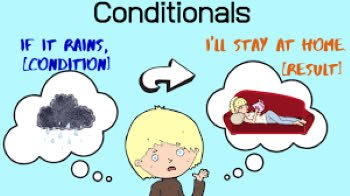
conditional

/kənˈdɪʃ.ən.əl/

(adjective) 条件付きの, 条件的な, 条件の;

(noun) 条件節, 条件接続詞

例:

The offer is conditional on a satisfactory inspection.
その申し出は満足のいく検査が条件付きです。

customer survey

/ˈkʌs.tə.mər ˈsɜːr.veɪ/

(noun) 顧客アンケート, 顧客調査

例:

We are conducting a customer survey to improve our service.
サービスの向上のため、顧客アンケートを実施しています。

date back to

/deɪt bæk tuː/

(phrasal verb) さかのぼる, 由来する

例:

This castle dates back to the 14th century.
この城は14世紀にさかのぼる

depict

/dɪˈpɪkt/

(verb) 描く, 描写する, 表現する

例:

The artist chose to depict the city at dawn.
その芸術家は夜明けの街を描くことを選んだ。

destruction

/dɪˈstrʌk.ʃən/

(noun) 破壊, 破滅, 荒廃

例:

The earthquake caused widespread destruction.
地震は広範囲にわたる破壊を引き起こした。

enter into

/ˈen.tər ˈɪn.tuː/

(phrasal verb) 入る, 始める, 結ぶ

例:

They decided to enter into negotiations for a new contract.
彼らは新しい契約のための交渉に入ることを決定した。

get back to

/ɡɛt bæk tuː/

(phrasal verb) 戻る, 復帰する, 折り返し連絡する

例:

I need to get back to work after this break.
この休憩の後、仕事に戻らなければならない。

gradual

/ˈɡrædʒ.u.əl/

(adjective) 徐々の, 段階的な

例:

There has been a gradual improvement in her health.
彼女の健康状態は徐々に改善している。

inactive

/ɪnˈæk.tɪv/

(adjective) 活動していない, 不活発な, 運動不足の

例:

The volcano has been inactive for centuries.
その火山は何世紀もの間活動していません

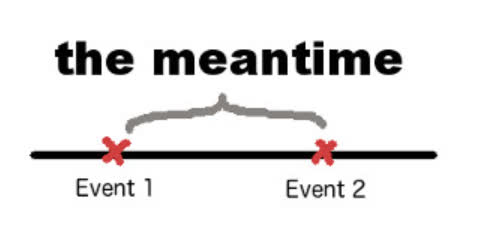
in the meantime

/ɪn ðə ˈmiːn.taɪm/

(adverb) それまでの間, その間に

例:

The new computer will arrive next week; in the meantime, you can use the old one.
新しいコンピューターは来週届きます。それまでの間、古いものを使ってください。

invalid

/ɪnˈvæl.ɪd/

(noun) 病人, 病弱者;

(adjective) 無効な, 不当な, 誤った

例:

The nurse helped the invalid to sit up in bed.
看護師は病人がベッドに座るのを手伝った。

look over

/lʊk ˈoʊvər/

(phrasal verb) ざっと見る, 見直す, 見過ごす

例:

Can you look over this report before I submit it?
提出する前にこのレポートをざっと見てもらえますか?

make up one's mind

/meɪk ʌp wʌnz maɪnd/

(idiom) 決心する, 決定する

例:

I can't make up my mind whether to go to the party or stay home.
パーティーに行くか家にいるか、決められない

meaningful

/ˈmiː.nɪŋ.fəl/

(adjective) 有意義な, 意味のある, 重要な

例:

She found a meaningful career in social work.
彼女はソーシャルワークで有意義なキャリアを見つけた。

put a rush

/pʊt ə rʌʃ/

(idiom) 急がせる, 優先させる

例:

We need to put a rush on this order if we want it to arrive by Friday.
金曜日までに到着させたいなら、この注文を急がせる必要がある。

put a strain on

/pʊt ə streɪn ɑn/

(idiom) 負担をかける, 重荷となる

例:

The constant arguments began to put a strain on their relationship.
絶え間ない口論が彼らの関係に負担をかけ始めた

put up with

/pʊt ʌp wɪð/

(phrasal verb) 我慢する, 耐える

例:

I can't put up with his constant complaining anymore.
彼の絶え間ない不平にはもう我慢できない

reach for

/riːtʃ fɔːr/

(phrasal verb) 手を伸ばす, つかもうとする, 目指す

例:

She had to reach for the top shelf to get the book.
彼女は本を取るために一番上の棚に手を伸ばさなければならなかった

stay ahead of

/steɪ əˈhɛd əv/

(idiom) 先んじる, 優位に立つ

例:

It's important to stay ahead of the competition in business.
ビジネスでは競争相手に先んじることが重要です。

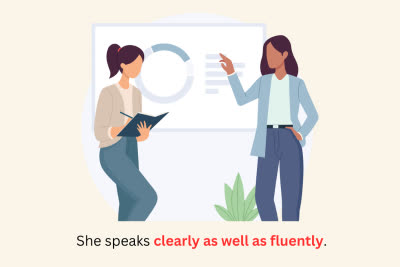
A as well as B

/eɪ æz wɛl æz biː/

(conjunction) ...だけでなく...も, ...と同様に

例:

She is a talented singer as well as a great dancer.
彼女は才能ある歌手であるだけでなく、素晴らしいダンサーでもある。

ample

/ˈæm.pəl/

(adjective) 十分な, 豊富な, 広々とした

例:

There is ample evidence to support the claim.
その主張を裏付ける十分な証拠がある。

a range of

/ə reɪndʒ əv/

(phrase) 様々な, 幅広い, 一連の

例:

The store offers a range of products for all ages.
その店はあらゆる年齢層向けの幅広い製品を提供しています。

attend to a client

/əˈtɛnd tu ə ˈklaɪənt/

(phrase) クライアントに対応する, 顧客の世話をする

例:

The receptionist was busy attending to a client when I arrived.
私が到着したとき、受付はクライアントの対応で忙しかった。

confront

/kənˈfrʌnt/

(verb) 立ち向かう, 直面する, 突きつける

例:

She decided to confront her accuser in court.
彼女は法廷で告発者に立ち向かうことを決めた。

context

/ˈkɑːn.tekst/

(noun) 文脈, 背景

例:

It is important to consider the historical context of the document.
文書の歴史的背景を考慮することが重要です。

despair

/dɪˈsper/

(noun) 絶望;

(verb) 絶望する

例:

He fell into despair after losing his job.
彼は仕事を失って絶望に陥った。

disconnected

/ˌdɪs.kəˈnek.tɪd/

(adjective) 切断された, 疎遠な, 支離滅裂な;

(past tense) 切断した, 遮断した

例:

The technician found a disconnected wire in the back of the machine.
技術者は機械の背面に外れたワイヤーを見つけた。

dissatisfied

/ˌdɪsˈsæt̬.əs.faɪd/

(adjective) 不満な, 満足していない

例:

Many customers were dissatisfied with the new service.
多くの顧客が新しいサービスに不満を抱いていた。

driven

/ˈdrɪv.ən/

(adjective) 意欲的な, やる気のある;

(past participle) 運転した, 打ち込んだ

例:

She is a highly driven individual, always striving for success.
彼女は非常に意欲的な人物で、常に成功を目指している。

dynamic

/daɪˈnæm.ɪk/

(adjective) ダイナミックな, 活動的な, 動的な;

(noun) ダイナミクス, 原動力

例:

The business environment is highly dynamic.
ビジネス環境は非常にダイナミックです。

eagerly await

/ˈiːɡərli əˈweɪt/

(phrasal verb) 心待ちにする, 熱望する

例:

We eagerly await your response to our proposal.
私たちはあなたの提案への返答を心待ちにしています

enormous

/əˈnɔːr.məs/

(adjective) 巨大な, 莫大な, 途方もない

例:

The company made an enormous profit this year.
その会社は今年、莫大な利益を上げた。

fall behind

/fɔːl bɪˈhaɪnd/

(phrasal verb) 遅れをとる, 後れを取る, 支払いが滞る

例:

If you don't study regularly, you'll fall behind in your classes.
定期的に勉強しないと、授業に遅れをとるでしょう。

feasible

/ˈfiː.zə.bəl/

(adjective) 実行可能な, 実現可能な, 実現できる

例:

It is not feasible to do this work in a day.
この仕事を一日でやるのは実行可能ではない。

forwarding address

/ˈfɔːrwərdɪŋ əˈdres/

(noun) 転送先住所, 新しい住所

例:

Please leave your forwarding address with the post office.
郵便局に転送先住所を残してください。

get over

/ɡet ˈoʊ.vər/

(phrasal verb) 回復する, 乗り越える, 克服する

例:

It took her a long time to get over the flu.
彼女がインフルエンザから回復するのに長い時間がかかった。

impress

/ɪmˈpres/

(verb) 感動させる, 感銘を与える, 刻印する

例:

His performance really impressed the judges.
彼のパフォーマンスは審査員を本当に感動させた

inadequate

/ɪˈnæd.ə.kwət/

(adjective) 不十分な, 不適切な, 不足している

例:

The food supply was inadequate to feed all the refugees.
食料供給はすべての難民を養うには不十分だった。

in a timely fashion

/ɪn ə ˈtaɪmli ˈfæʃən/

(phrase) 期限内に, 迅速に, 適時に

例:

Please submit your report in a timely fashion.
報告書を期限内に提出してください。

irreplaceable

/ˌɪr.əˈpleɪ.sə.bəl/

(adjective) かけがえのない, 代わりのない

例:

This antique watch is irreplaceable because it belonged to my grandfather.
このアンティークの時計は祖父のものだったので、かけがえのないものです。

limitation

/ˌlɪm.əˈteɪ.ʃən/

(noun) 制限, 制約, 欠点

例:

There's a strict limitation on the number of guests.
ゲストの数には厳格な制限があります。

massive

/ˈmæs.ɪv/

(adjective) 巨大な, 大規模な, 莫大な

例:

The building has a massive oak door.
その建物には巨大なオークのドアがある。

point out

/pɔɪnt aʊt/

(phrasal verb) 指し示す, 指摘する, 強調する

例:

She pointed out the star in the night sky.
彼女は夜空の星を指差した。

rave review

/ˈreɪv rɪˌvjuː/

(noun) 絶賛, 大絶賛

例:

The new restaurant received rave reviews from food critics.
新しいレストランは料理評論家から絶賛された。

repeatedly

/rɪˈpiː.t̬ɪd.li/

(adverb) 繰り返し, 何度も

例:

He repeatedly tried to call her, but she didn't answer.
彼は繰り返し彼女に電話しようとしたが、彼女は出なかった。

strategically

/strəˈtiː.dʒɪ.kəl.i/

(adverb) 戦略的に

例:

The company strategically placed its new store near a busy intersection.
その会社は新しい店舗を交通量の多い交差点の近くに戦略的に配置した。

unveil

/ʌnˈveɪl/

(verb) 除幕する, 発表する, 公開する

例:

The queen will unveil the new statue next month.
女王は来月、新しい像を除幕する予定です。

a great deal

/ə ɡreɪt diːl/

(phrase) 多くの, かなりの量, 大いに

例:

She spends a great deal of time reading.
彼女は読書に多くの時間を費やします。

be sensitive to

/bi ˈsɛnsətɪv tu/

(phrase) に敏感である, に配慮する, に弱い

例:

A good teacher should be sensitive to the needs of their students.
良い教師は生徒のニーズに敏感であるべきだ。

bother to do

/ˈbɑðər tu du/

(phrase) わざわざ〜する, 〜する手間をかける

例:

He didn't even bother to do his homework.
彼は宿題をすることさえしなかった。

call off

/kɔːl ˈɔːf/

(phrasal verb) 中止する, 取り消す, 引き戻す

例:

They had to call off the outdoor concert due to heavy rain.
大雨のため、野外コンサートを中止しなければならなかった。

carry out market studies

/ˈkæri aʊt ˈmɑːrkɪt ˈstʌdiz/

(phrase) 市場調査を実施する, 市場調査を行う

例:

Before launching the new product, the company decided to carry out market studies.
新製品を発売する前に、その会社は市場調査を実施することを決定した。

come across

/kʌm əˈkrɔs/

(phrasal verb) 偶然見つける, 偶然出会う, 伝わる

例:

I came across an old friend at the market today.
今日、市場で偶然古い友人に出会った

contrive to do

/kənˈtraɪv tə duː/

(phrase) なんとかする, 工夫して行う, やりくりする

例:

Despite the bad weather, they managed to contrive to do the outdoor concert.
悪天候にもかかわらず、彼らは野外コンサートをなんとか開催した

deliberate

/dɪˈlɪb.ɚ.ət/

(adjective) 意図的な, 故意の, 慎重な;

(verb) 熟考する, 審議する

例:

The fire was a result of deliberate arson.
その火災は意図的な放火の結果だった。

discounted rate

/dɪˈskaʊntɪd reɪt/

(noun) 割引料金, 優待価格

例:

Students are eligible for a discounted rate on public transport.
学生は公共交通機関の割引料金を利用できます。

have a tendency to do

/hæv ə ˈtendənsi tu du/

(idiom) ...する傾向がある, ...しがちである

例:

I have a tendency to talk too much when I'm nervous.
私は緊張すると、しゃべりすぎる傾向があります

have an opportunity to do

/hæv æn ˌɑː.pɚˈtuː.nə.t̬i tu duː/

(phrase) する機会がある, する機会を持つ

例:

I hope to have an opportunity to do some sightseeing while I'm in Paris.
パリにいる間に観光をする機会があればいいなと思っています。

have something to do with

/hæv ˈsʌm.θɪŋ tuː duː wɪθ/

(idiom) 関係がある, 関連している

例:

I think his bad mood might have something to do with the argument he had this morning.
彼の不機嫌は、今朝の口論と関係があるのかもしれない。

in turn

/ɪn tɜrn/

(phrase) 順番に, 次に, ひいては

例:

The children took turns riding the swing, each one getting a chance in turn.
子供たちはブランコに順番に乗り、それぞれが順番にチャンスを得た。

make no exception

/meɪk noʊ ɪkˈsɛp.ʃən/

(idiom) 例外を認めない, 例外を設けない

例:

The law is strict, and the judge will make no exception for anyone.
法律は厳格であり、裁判官は誰に対しても例外を認めないでしょう。

televise

/ˈtel.ə.vaɪz/

(verb) テレビで放送する, 中継する

例:

The event will be televised live around the world.
そのイベントは世界中で生中継されるでしょう。
Lingolandでこの語彙セットを学習