Avatar of Vocabulary Set 芸術の要素と原則

美術工芸 内 芸術の要素と原則 語彙セット:完全かつ詳細なリスト

「美術工芸」内の「芸術の要素と原則」語彙セットは国際標準教材から厳選され、短期間で語彙をマスターできます。定義、例文、標準発音を網羅…

Lingolandでこの語彙セットを学習

今すぐ学習

balance

/ˈbæl.əns/

(noun) バランス, 均衡, 残高;

(verb) バランスをとる, 均衡を保つ, 比較検討する

例:
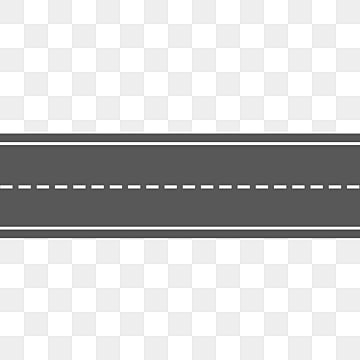
She lost her balance and fell.
彼女はバランスを崩して転んだ。

line

/laɪn/

(noun) 線, 列, 行列;

(verb) 並ぶ, 並べる, 裏打ちする

例:
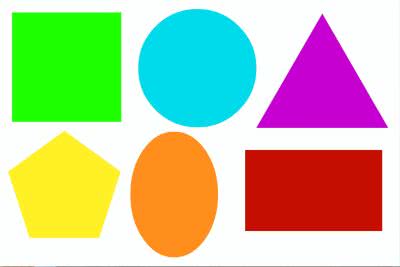
Draw a straight line on the paper.
紙にまっすぐなを引いてください。

shape

/ʃeɪp/

(noun) 形, 形状, 形態;

(verb) 形作る, 形成する

例:

The artist molded the clay into a beautiful shape.
芸術家は粘土を美しいに成形した。

form

/fɔːrm/

(noun) 形, 形態, 用紙;

(verb) 形作る, 形成する, できる

例:
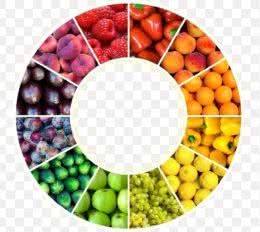
Water can exist in solid, liquid, or gaseous form.
水は固体、液体、気体ので存在できる。

color

/ˈkʌl.ɚ/

(noun) 色, 顔料, 絵の具;

(verb) 色を塗る, 染める

例:

Red is my favorite color.
赤は私の好きなです。

space

/speɪs/

(noun) スペース, 空間, 宇宙;

(verb) 間隔をあける, 配置する

例:

There's not enough space for all these books.
これらの本を置くスペースが足りない。

texture

/ˈteks.tʃɚ/

(noun) 質感, 手触り, 肌理;

(verb) 質感を与える, 手触りを加える

例:

The silk scarf had a smooth, soft texture.
シルクのスカーフは滑らかで柔らかい手触りだった。

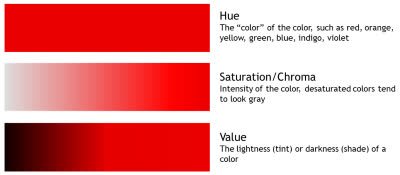
value

/ˈvæl.juː/

(noun) 価値, 重要性, 価格;

(verb) 評価する, 査定する, 尊重する

例:
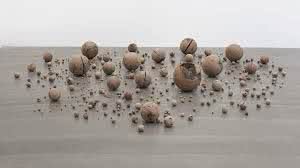
The true value of friendship cannot be measured.
友情の真の価値は測ることができない。

materiality

/məˌtɪriˈæləti/

(noun) 物質性, 物理的存在, 重要性

例:

The artist explored the materiality of clay in her sculptures.
その芸術家は彫刻における粘土の物質性を探求した。

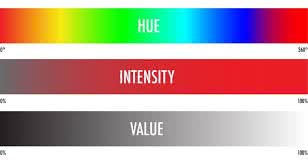
hue

/hjuː/

(noun) 色合い, 色

例:

The painting featured a vibrant hue of blue.
その絵は鮮やかな青の色合いを特徴としていた。

intensity

/ɪnˈten.sə.t̬i/

(noun) 強度, 激しさ

例:

The intensity of the sun was unbearable.
太陽の強さは耐え難かった。

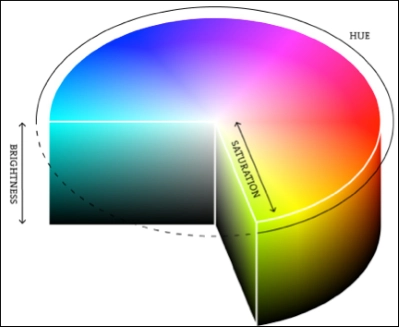
brightness

/ˈbraɪt.nəs/

(noun) 明るさ, 輝度, 聡明さ

例:

The brightness of the sun made it hard to see.
太陽の明るさで目が見えにくかった。

saturation

/ˌsætʃ.əˈreɪ.ʃən/

(noun) 飽和, 市場飽和, 過剰供給

例:

The solution reached saturation when no more salt could dissolve.
それ以上塩が溶けなくなったとき、溶液は飽和に達した。

tint

/tɪnt/

(noun) 色合い, 色調, ヘアカラー;

(verb) 着色する, 色を付ける

例:

The sky had a beautiful orange tint at sunset.
夕焼けの空は美しいオレンジ色の色合いをしていた。

shade

/ʃeɪd/

(noun) 陰, 日陰, 色合い;

(verb) 日陰を作る, 覆う, 陰影をつける

例:
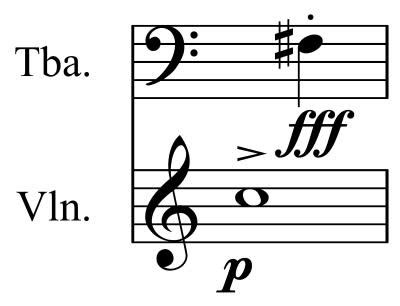
We sat in the shade of a large tree.
私たちは大きな木のに座った。

tone

/toʊn/

(noun) 音色, 音調, 論調;

(verb) 調子を整える, 和らげる, 色調を整える

例:

The singer's voice had a beautiful, clear tone.
歌手の声は美しく、澄んだ音色を持っていた。

point

/pɔɪnt/

(noun) 先端, 先, 地点;

(verb) 指す, 指摘する, 向ける

例:

The point of the knife was very sharp.
ナイフの先端はとても鋭かった。

pattern

/ˈpæt̬.ɚn/

(noun) 模様, 柄, パターン;

(verb) 模様付けする, 模倣する

例:
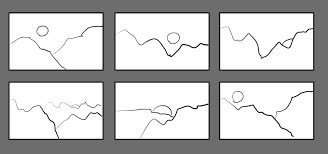
The wallpaper has a floral pattern.
壁紙には花の模様があります。

composition

/ˌkɑːm.pəˈzɪʃ.ən/

(noun) 組成, 構成, 作品

例:

The composition of the soil affects plant growth.
土壌の組成は植物の成長に影響を与える。

unity

/ˈjuː.nə.t̬i/

(noun) 統一, 結束, 統一性

例:

The team showed great unity in their efforts.
チームは努力において素晴らしい結束を示した。

harmony

/ˈhɑːr.mə.ni/

(noun) ハーモニー, 和声, 調和

例:

The choir sang in perfect harmony.
聖歌隊は完璧なハーモニーで歌った。

perspective

/pɚˈspek.tɪv/

(noun) 視点, 観点, 遠近法

例:

Her unique perspective on the issue offered new insights.
その問題に対する彼女のユニークな視点は、新しい洞察をもたらした。

similarity

/ˌsɪm.əˈler.ə.t̬i/

(noun) 類似性, 共通点

例:

There is a strong similarity between the two paintings.
2つの絵画には強い類似性があります。

contrast

/ˈkɑːn.træst/

(noun) 対比, コントラスト;

(verb) 対比する, 比較する

例:

The white walls provided a stark contrast to the dark furniture.
白い壁は暗い家具と鮮やかな対比をなしていた。

continuation

/kənˌtɪn.juˈeɪ.ʃən/

(noun) 継続, 続行, 延長

例:

The project is a continuation of our previous research.
このプロジェクトは以前の研究の継続です。

repetition

/ˌrep.əˈtɪʃ.ən/

(noun) 繰り返し, 反復

例:

The repetition of the main theme makes the song memorable.
主要なテーマの繰り返しがその歌を記憶に残るものにしている。

rhythm

/ˈrɪð.əm/

(noun) リズム, 拍子, 周期

例:

The dancer moved with a graceful rhythm.
ダンサーは優雅なリズムで動いた。

theme

/θiːm/

(noun) テーマ, 主題, 旋律;

(verb) テーマにする, 主題とする

例:
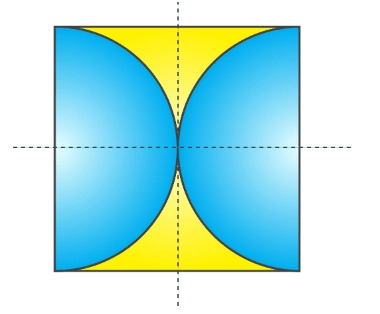
The main theme of the novel is love and loss.
小説の主なテーマは愛と喪失です。

symmetry

/ˈsɪm.ə.tri/

(noun) 対称性, 左右対称

例:

The human body exhibits remarkable symmetry.
人体は驚くべき対称性を示します。

asymmetry

/eɪˈsɪm.ə.tri/

(noun) 非対称, 不均衡

例:

The architect intentionally designed the building with a striking asymmetry.
建築家は意図的に、印象的な非対称性を持つ建物を設計した。

hierarchy

/ˈhaɪ.rɑːr.ki/

(noun) 階層, ヒエラルキー

例:

The company has a strict management hierarchy.
その会社には厳格な経営階層がある。

dominance

/ˈdɑː.mə.nəns/

(noun) 優位性, 支配

例:

The company achieved market dominance with its innovative products.
その会社は革新的な製品で市場での優位性を確立した。

emphasis

/ˈem.fə.sɪs/

(noun) 強調, 重点, 重要性

例:

The school places a strong emphasis on academic achievement.
その学校は学業成績に強い重点を置いている。

scale

/skeɪl/

(noun) スケール, 規模, うろこ;

(verb) 登る, よじ登る, うろこを取る

例:
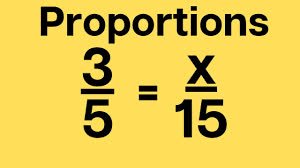
The Richter scale measures the magnitude of earthquakes.
リヒタースケールは地震の規模を測定します。

proportion

/prəˈpɔːr.ʃən/

(noun) 割合, 比率, プロポーション;

(verb) 比例させる, 釣り合わせる

例:

The proportion of women in the workforce has increased.
労働力における女性の割合が増加した。
Lingolandでこの語彙セットを学習