Avatar of Vocabulary Set 800ポイント

30日目 - 重病 内 800ポイント 語彙セット:完全かつ詳細なリスト

「30日目 - 重病」内の「800ポイント」語彙セットは国際標準教材から厳選され、短期間で語彙をマスターできます。定義、例文、標準発音を網羅…

Lingolandでこの語彙セットを学習

今すぐ学習
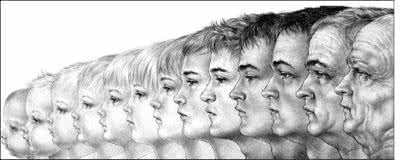
aging

/ˈeɪ.dʒɪŋ/

(noun) 老化, 加齢;

(adjective) 老化している, 年を取っている

例:
The effects of aging are visible on her skin.
老化の影響は彼女の肌に現れている。

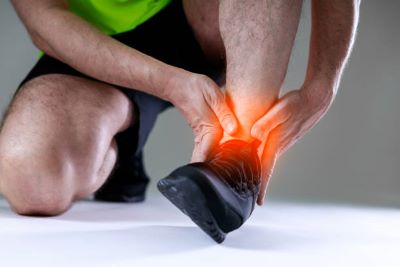
ankle sprain

/ˈæŋ.kəl spreɪn/

(noun) 足首の捻挫

例:

He suffered a severe ankle sprain while playing basketball.
彼はバスケットボール中にひどい足首の捻挫を負った。

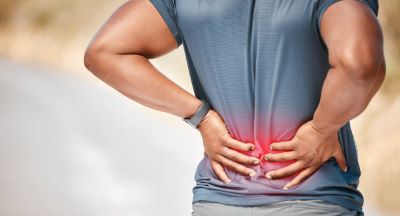
back injury

/bæk ˈɪn.dʒər.i/

(noun) 背中の怪我, 腰の負傷

例:

He suffered a serious back injury while lifting heavy boxes.
彼は重い箱を持ち上げている時に深刻な背中の怪我を負った。

be on a special diet

/bi ɑn eɪ ˈspeʃ.əl ˈdaɪ.ət/

(idiom) 特別な食事制限をする, 食事療法を行う

例:

I can't eat cake because I am on a special diet.
特別な食事制限をしているので、ケーキは食べられません。

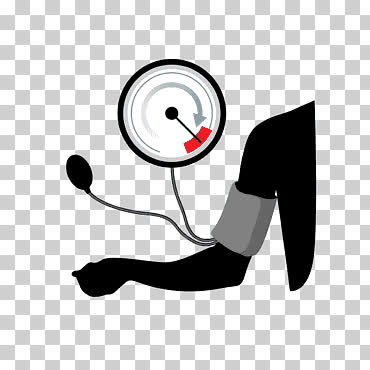
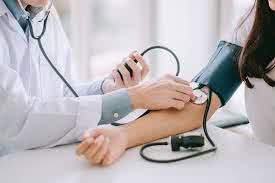
blood pressure

/ˈblʌd ˌpreʃ.ər/

(noun) 血圧

例:

The doctor checked her blood pressure during the examination.
医師は診察中に彼女の血圧を測定した。

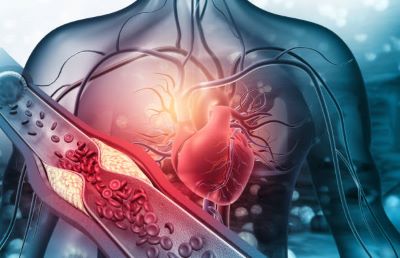
blood supply

/blʌd səˈplaɪ/

(noun) 血液供給, 血流

例:

The surgeon was careful not to damage the blood supply to the heart.
外科医は心臓への血液供給を損なわないよう注意を払った。

buzzing

/ˈbʌz.ɪŋ/

(adjective) 活気のある, ざわついている, ブンブンいう;

(verb) ブンブンいう, 活気づく

例:

The stadium was buzzing with excitement before the game.
試合前、スタジアムは興奮でざわついていた

doctor's appointment

/ˈdɑːk.tɚz əˈpɔɪnt.mənt/

(noun) 医者の予約, 診察の予約

例:

I have a doctor's appointment at 10:00 AM tomorrow.
明日の午前10時に医者の予約があります。

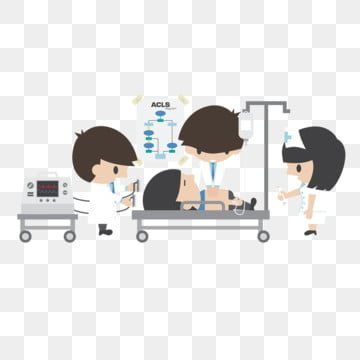
emergency room

/ɪˈmɜːr.dʒən.si ˌruːm/

(noun) 緊急治療室, 救急室

例:

He was rushed to the emergency room after the accident.
彼は事故後、緊急治療室に運ばれた。

get some exercise

/ɡɛt sʌm ˈɛksərˌsaɪz/

(phrase) 運動する, 体を動かす

例:

I try to get some exercise every morning before work.
私は毎朝仕事の前に運動するようにしています。

heart ailment

/hɑːrt ˈeɪl.mənt/

(noun) 心臓疾患, 心臓病

例:

He had to retire early due to a chronic heart ailment.
彼は慢性的的な心臓疾患のために早期退職しなければならなかった。

heart attack

/ˈhɑːrt əˌtæk/

(noun) 心臓発作, 心筋梗塞

例:

He suffered a heart attack while jogging in the park.
彼は公園でジョギング中に心臓発作を起こした。

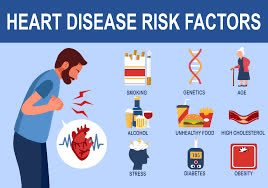
heart disease

/hɑːrt dɪˈziːz/

(noun) 心臓病

例:

Regular exercise can help prevent heart disease.
定期的な運動は心臓病の予防に役立ちます。

injection

/ɪnˈdʒek.ʃən/

(noun) 注射, 注入, 投入

例:

The nurse gave him an injection to relieve the pain.
看護師は痛みを和らげるために彼に注射をした。

insomnia

/ɪnˈsɑːm.ni.ə/

(noun) 不眠症

例:

She suffered from severe insomnia, often staying awake all night.
彼女は重度の不眠症に苦しみ、しばしば一晩中起きていた。

lean back

/lin bæk/

(phrasal verb) 後ろにもたれる, ふんぞり返る

例:

He leaned back in his chair and closed his eyes.
彼は椅子に深くもたれかかり、目を閉じた。

lose weight

/luːz weɪt/

(phrase) 体重を減らす, 痩せる

例:

She's trying to lose weight for her wedding.
彼女は結婚式のために体重を減らそうとしている。

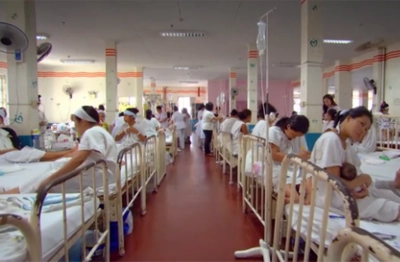
maternity ward

/ˈmæt.ər.nɪ.ti ˌwɔːrd/

(noun) 産科病棟, 分娩室

例:

She was taken to the maternity ward after her contractions started.
陣痛が始まった後、彼女は産科病棟に運ばれた。

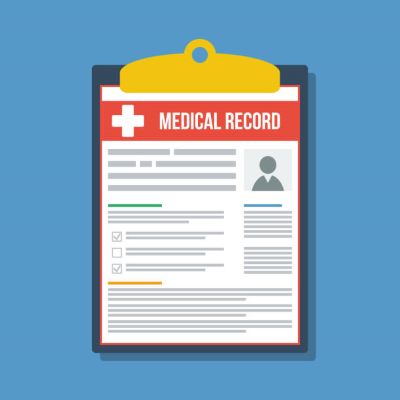
patient's record

/ˈpeɪ.ʃənts ˈrek.ɚd/

(noun) カルテ, 患者記録

例:

The doctor reviewed the patient's record before the surgery.
医師は手術前に患者の記録を確認した。

physical examination

/ˌfɪz.ɪ.kəl ɪɡˌzæm.əˈneɪ.ʃən/

(noun) 身体検査, 健康診断

例:

The doctor performed a thorough physical examination.
医師は徹底的な身体検査を行った。

physical therapy

/ˈfɪz.ɪ.kəl ˈθer.ə.pi/

(noun) 理学療法

例:

After the car accident, he had to go to physical therapy twice a week.
自動車事故の後、彼は週に2回理学療法に通わなければなりませんでした。

resist

/rɪˈzɪst/

(verb) 耐える, 抵抗する, 反対する

例:

The old bridge was built to resist floods.
その古い橋は洪水に耐えるように造られた。

sneeze

/sniːz/

(verb) くしゃみをする;

(noun) くしゃみ

例:

The dust made her sneeze.
ほこりで彼女はくしゃみをした。

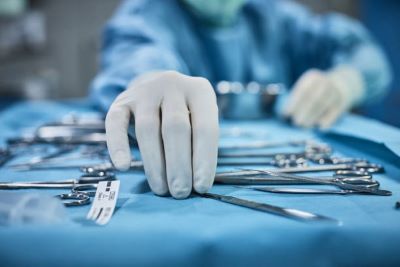
surgical instrument

/ˈsɜːr.dʒɪ.kəl ˈɪn.strə.mənt/

(noun) 手術器具, 外科用器具

例:

The nurse carefully sterilized each surgical instrument before the procedure.
看護師は処置の前に各手術器具を慎重に滅菌した。

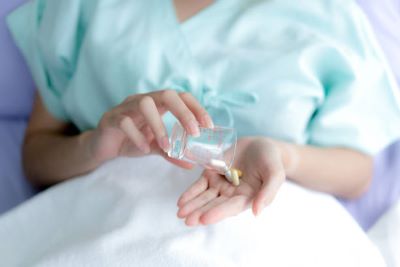
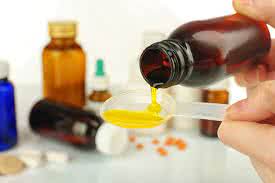
tablet

/ˈtæb.lət/

(noun) 板, 石板, 錠剤

例:

Ancient civilizations used clay tablets to record their history.
古代文明は歴史を記録するために粘土板を使用しました。

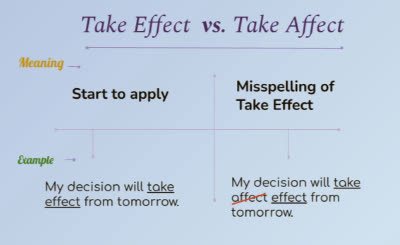
take effect

/teɪk ɪˈfekt/

(phrase) 施行される, 効き始める, 効果が現れる

例:

The new law will take effect next month.
新しい法律は来月施行されます

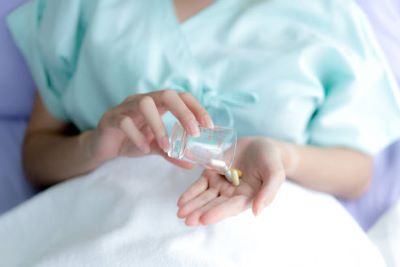
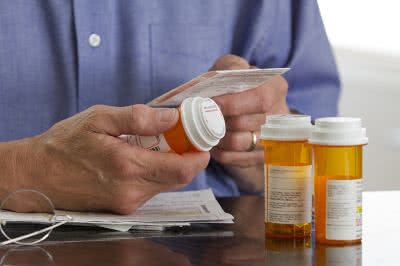
take medication

/teɪk ˌmed.əˈkeɪ.ʃən/

(collocation) 薬を飲む, 服用する

例:

You need to take medication twice a day after meals.
食後に1日2回薬を飲む必要があります。

take some medicine

/teɪk sʌm ˈmed.ə.sən/

(phrase) 薬を飲む

例:

You should take some medicine if your headache doesn't go away.
頭痛が治らないなら、薬を飲んだほうがいいですよ。

terminal

/ˈtɝː.mə.nəl/

(adjective) 末端の, 終点の, 末期の;

(noun) ターミナル, 終点, 端子

例:
The bus arrived at the terminal station.
バスは終点駅に到着した。

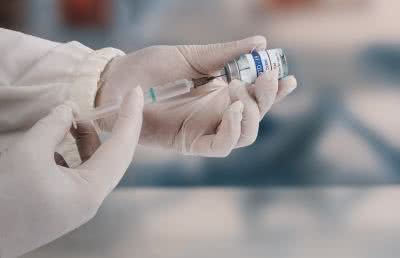
vaccination

/ˌvæk.səˈneɪ.ʃən/

(noun) 予防接種, ワクチン接種

例:

The doctor recommended vaccination for all children.
医師はすべての子供に予防接種を推奨した。

watch over

/wɑːtʃ ˈoʊvər/

(phrasal verb) 見守る, 監視する, 保護する

例:

Can you watch over my bags while I go to the restroom?
トイレに行っている間、私の荷物を見守ってもらえますか?

consequently

/ˈkɑːn.sə.kwənt.li/

(adverb) その結果, したがって, 結果として

例:

The company increased its prices; consequently, sales dropped.
会社は価格を上げた。その結果、売上が落ちた。

harmful

/ˈhɑːrm.fəl/

(adjective) 有害な, 危険な

例:

Smoking is harmful to your health.
喫煙は健康に有害です。

maximize

/ˈmæk.sə.maɪz/

(verb) 最大化する, 最大限にする

例:

We need to maximize our profits this quarter.
今四半期は利益を最大化する必要があります。

medicinal

/məˈdɪs.ɪ.nəl/

(adjective) 薬効のある, 医療の

例:

Many herbs have medicinal value.
多くのハーブには薬効がある。

patiently

/ˈpeɪ.ʃənt.li/

(adverb) 辛抱強く, 我慢強く

例:

She waited patiently for her turn.
彼女は辛抱強く自分の番を待った。

recover

/rɪˈkʌv.ɚ/

(verb) 回復する, 立ち直る, 取り戻す

例:

It took her a long time to recover from the illness.
彼女が病気から回復するのに長い時間がかかった。

resemble

/rɪˈzem.bəl/

(verb) 似ている, 類似する

例:

She resembles her mother.
彼女は母親に似ている

ultimately

/ˈʌl.tə.mət.li/

(adverb) 最終的に, 結局

例:

Ultimately, the decision is yours.
最終的に、決定はあなた次第です。

urgently

/ˈɝː.dʒənt.li/

(adverb) 緊急に, 至急

例:

The doctor was called urgently to the emergency room.
医師は緊急に救急治療室に呼ばれた。

visualize

/ˈvɪʒ.u.əl.aɪz/

(verb) 視覚化する, 心に描く

例:

It's hard to visualize the entire project from just a few sketches.
数枚のスケッチだけでプロジェクト全体を視覚化するのは難しい。

antibiotic

/ˌæn.t̬i.baɪˈɑː.t̬ɪk/

(noun) 抗生物質;

(adjective) 抗生物質の, 抗菌の

例:
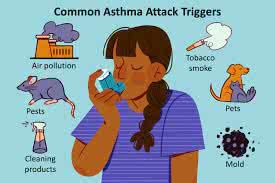
The doctor prescribed an antibiotic for her infection.
医師は彼女の感染症に抗生物質を処方した。

asthma

/ˈæz.mə/

(noun) 喘息

例:

She has suffered from asthma since childhood.
彼女は子供の頃から喘息を患っている。

athletic skill

/æθˈlet̬.ɪk skɪl/

(noun) 運動能力, 競技スキル

例:

The gymnast demonstrated incredible athletic skill during her routine.
その体操選手は演技中に素晴らしい運動能力を披露した。

chronic

/ˈkrɑː.nɪk/

(adjective) 慢性の, 長期的な, 常習的な

例:

She suffers from chronic back pain.
彼女は慢性的な腰痛に苦しんでいる。

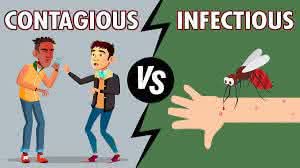
contagious

/kənˈteɪ.dʒəs/

(adjective) 伝染性の, 感染性の

例:

The flu is highly contagious.
インフルエンザは非常に伝染性が高い。

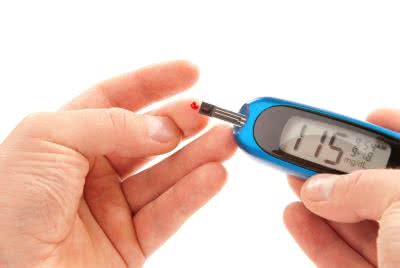
diabetes

/ˌdaɪ.əˈbiː.t̬iːz/

(noun) 糖尿病

例:

She was diagnosed with type 2 diabetes last year.
彼女は昨年、2型糖尿病と診断されました。

donor

/ˈdoʊ.nɚ/

(noun) 寄付者, 贈与者, 提供者

例:

The hospital relies heavily on the generosity of private donors.
病院は個人の寄付者の寛大さに大きく依存している。

dosage

/ˈdoʊ.sɪdʒ/

(noun) 投与量, 服用量

例:

The doctor adjusted the dosage of the medication.
医師は薬の投与量を調整した。

dose

/doʊs/

(noun) 用量, 服用量, 量;

(verb) 投与する, 服用させる

例:
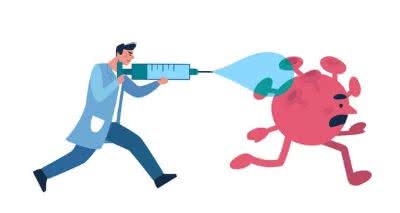
Take one dose of this medicine every eight hours.
この薬を8時間ごとに1回分服用してください。

eradicate

/ɪˈræd.ɪ.keɪt/

(verb) 根絶する, 撲滅する

例:

The disease was successfully eradicated worldwide.
その病気は世界中で首尾よく根絶された

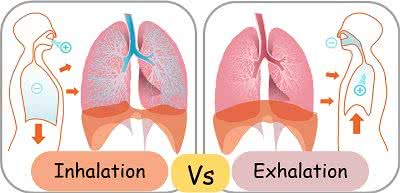
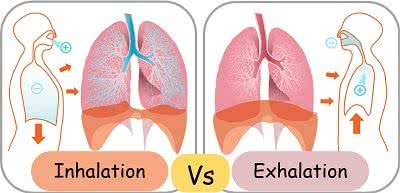
exhale

/eksˈheɪl/

(verb) 息を吐く, 呼気する

例:

She took a deep breath and slowly exhaled.
彼女は深く息を吸い込み、ゆっくりと息を吐いた

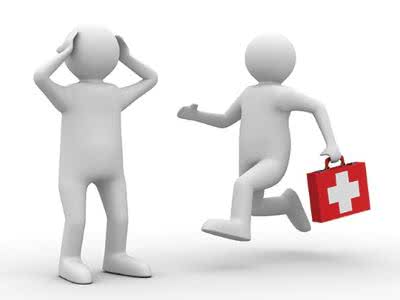
first aid

/ˌfɜːrst ˈeɪd/

(noun) 応急処置

例:

He administered first aid to the injured runner.
彼は負傷したランナーに応急処置を施した。

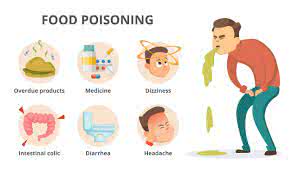
food poisoning

/ˈfuːd ˌpɔɪ.zən.ɪŋ/

(noun) 食中毒

例:

She got food poisoning after eating at the new restaurant.
彼女は新しいレストランで食事をした後、食中毒になった。

forbid

/fɚˈbɪd/

(verb) 禁じる, 禁止する

例:

The rules forbid smoking in the building.
規則は建物内での喫煙を禁じています

genetic research

/dʒəˈnet̬.ɪk rɪˈsɝːtʃ/

(noun) 遺伝子研究, 遺伝学的研究

例:

Recent genetic research has led to breakthroughs in treating rare diseases.
最近の遺伝子研究は、希少疾患の治療における画期的な進歩をもたらしました。

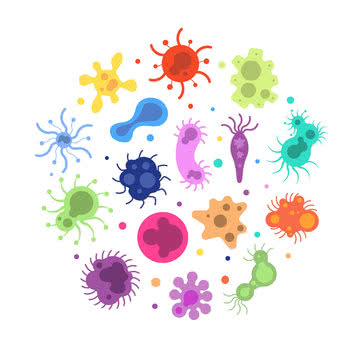
germ

/dʒɝːm/

(noun) 細菌, 病原菌, 胚芽

例:

Wash your hands to avoid spreading germs.
細菌の拡散を防ぐために手を洗いなさい。

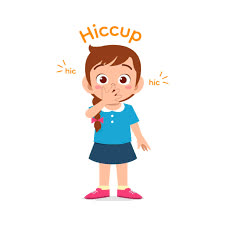
hiccup

/ˈhɪk.ʌp/

(noun) しゃっくり, 一時的な問題, ちょっとした障害;

(verb) しゃっくりをする

例:

She let out a loud hiccup during the quiet movie.
彼女は静かな映画の最中に大きなしゃっくりをした。

hygiene

/ˈhaɪ.dʒiːn/

(noun) 衛生, 清潔

例:

Good personal hygiene is essential for preventing the spread of germs.
良い個人衛生は、細菌の拡散を防ぐために不可欠です。

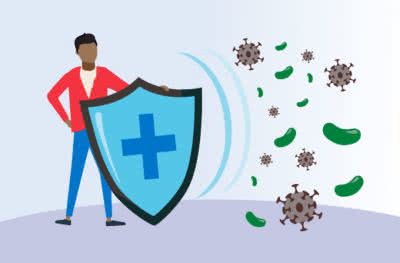
immune

/ɪˈmjuːn/

(adjective) 免疫のある, 抵抗力のある, 免除された

例:

After getting the vaccine, she became immune to the virus.
ワクチンを接種した後、彼女はウイルスに免疫ができた

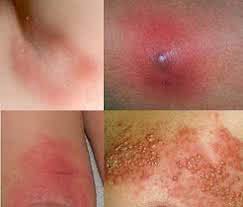
infection

/ɪnˈfek.ʃən/

(noun) 感染, 伝染, 感染症

例:

The doctor prescribed antibiotics to treat the bacterial infection.
医師は細菌感染症を治療するために抗生物質を処方した。

infectious disease

/ɪnˈfek.ʃəs dɪˈziːz/

(noun) 感染症

例:

Influenza is a common infectious disease that spreads quickly in winter.
インフルエンザは、冬に急速に広まる一般的な感染症です。

inhale

/ɪnˈheɪl/

(verb) 吸い込む, 吸入する

例:

She took a deep breath and began to inhale the fresh mountain air.
彼女は深呼吸をして、新鮮な山の空気を吸い込み始めた。

overdose

/ˈoʊ.vɚ.doʊs/

(noun) 過剰摂取, オーバードーズ, 過剰;

(verb) 過剰摂取する, オーバードーズする

例:
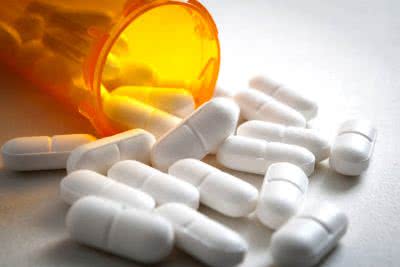
He was rushed to the hospital after a suspected drug overdose.
彼は薬物の過剰摂取の疑いで病院に運ばれた。

painkiller

/ˈpeɪnˌkɪl.ɚ/

(noun) 鎮痛剤, 痛み止め

例:

She took a painkiller for her headache.
彼女は頭痛のために鎮痛剤を飲んだ。

paralysis

/pəˈræl.ə.sɪs/

(noun) 麻痺, 不随, 停滞

例:

The accident left him with permanent paralysis from the waist down.
その事故で、彼は腰から下に永久的な麻痺が残った。

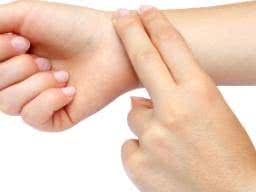
pulse

/pʌls/

(noun) 脈拍, 脈, パルス;

(verb) 脈打つ, 振動する

例:

The doctor checked her pulse.
医者は彼女の脈拍を測った。

robust

/roʊˈbʌst/

(adjective) 頑丈な, 強健な, しっかりした

例:

He is a robust man who rarely gets sick.
彼はめったに病気にならない頑丈な男だ。
Lingolandでこの語彙セットを学習