Avatar of Vocabulary Set 800 puntos

Conjunto de vocabulario 800 puntos en Día 30 - Gravemente enfermo: Lista completa y detallada

El conjunto de vocabulario '800 puntos' en 'Día 30 - Gravemente enfermo' está seleccionado cuidadosamente de fuentes de libros de texto estándar internacionales, ayudándote a dominar el vocabulario en poco tiempo. Incluye definiciones completas, ejemplos ilustrativos y pronunciación estándar...

Aprende este conjunto de vocabulario en Lingoland

Aprender ahora
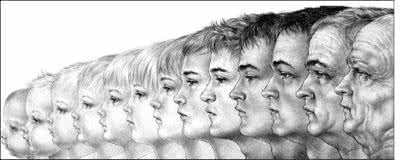
aging

/ˈeɪ.dʒɪŋ/

(noun) envejecimiento, senescencia;

(adjective) envejeciendo, haciéndose mayor

Ejemplo:
The effects of aging are visible on her skin.
Los efectos del envejecimiento son visibles en su piel.

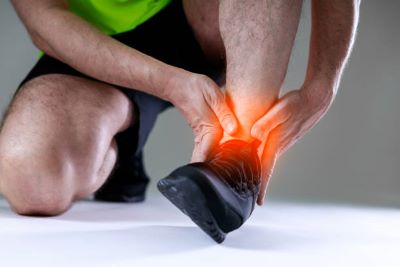
ankle sprain

/ˈæŋ.kəl spreɪn/

(noun) esguince de tobillo, torcedura de tobillo

Ejemplo:
He suffered a severe ankle sprain while playing basketball.
Sufrió un fuerte esguince de tobillo mientras jugaba al baloncesto.

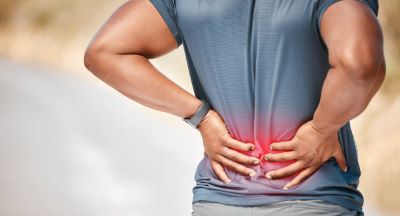
back injury

/bæk ˈɪn.dʒər.i/

(noun) lesión de espalda

Ejemplo:

He suffered a serious back injury while lifting heavy boxes.
Sufrió una lesión de espalda grave mientras levantaba cajas pesadas.

be on a special diet

/bi ɑn eɪ ˈspeʃ.əl ˈdaɪ.ət/

(idiom) estar a dieta especial, seguir un régimen especial

Ejemplo:
I can't eat cake because I am on a special diet.
No puedo comer pastel porque estoy siguiendo una dieta especial.

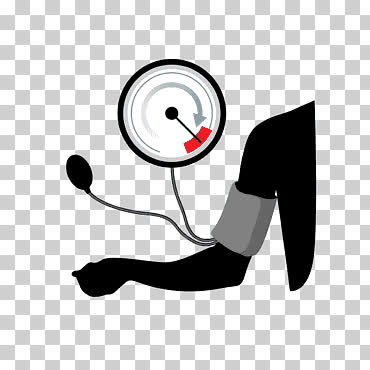
blood pressure

/ˈblʌd ˌpreʃ.ər/

(noun) presión arterial, tensión arterial

Ejemplo:
The doctor checked her blood pressure during the examination.
El médico le tomó la presión arterial durante el examen.

blood supply

/blʌd səˈplaɪ/

(noun) suministro de sangre, riego sanguíneo

Ejemplo:
The surgeon was careful not to damage the blood supply to the heart.
El cirujano tuvo cuidado de no dañar el suministro de sangre al corazón.

buzzing

/ˈbʌz.ɪŋ/

(adjective) animado, bullicioso, zumbante;

(verb) zumbar, bullir

Ejemplo:

The stadium was buzzing with excitement before the game.
El estadio estaba vibrando de emoción antes del partido.

doctor's appointment

/ˈdɑːk.tɚz əˈpɔɪnt.mənt/

(noun) cita médica, cita con el médico

Ejemplo:
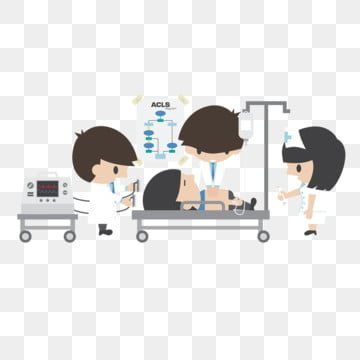
I have a doctor's appointment at 10:00 AM tomorrow.
Tengo una cita médica mañana a las 10:00.

emergency room

/ɪˈmɜːr.dʒən.si ˌruːm/

(noun) sala de emergencias, urgencias

Ejemplo:

He was rushed to the emergency room after the accident.
Fue llevado de urgencia a la sala de emergencias después del accidente.

get some exercise

/ɡɛt sʌm ˈɛksərˌsaɪz/

(phrase) hacer ejercicio, ejercitarse

Ejemplo:
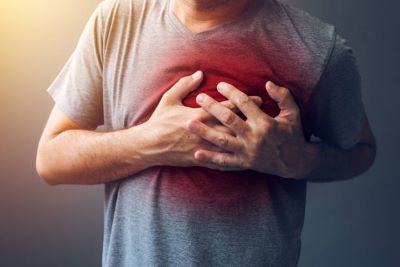
I try to get some exercise every morning before work.
Intento hacer algo de ejercicio cada mañana antes del trabajo.

heart ailment

/hɑːrt ˈeɪl.mənt/

(noun) dolencia cardíaca, enfermedad del corazón

Ejemplo:
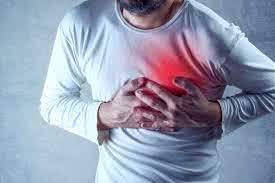
He had to retire early due to a chronic heart ailment.
Tuvo que jubilarse anticipadamente debido a una dolencia cardíaca crónica.

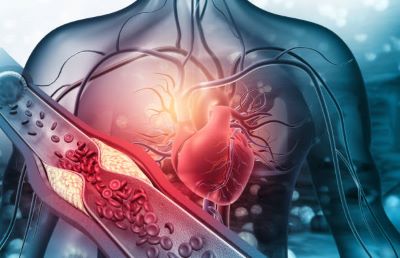
heart attack

/ˈhɑːrt əˌtæk/

(noun) ataque al corazón, infarto

Ejemplo:
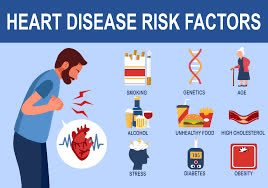
He suffered a heart attack while jogging in the park.
Sufrió un ataque al corazón mientras corría en el parque.

heart disease

/hɑːrt dɪˈziːz/

(noun) enfermedad cardíaca, cardiopatía

Ejemplo:
Regular exercise can help prevent heart disease.
El ejercicio regular puede ayudar a prevenir enfermedades cardíacas.

injection

/ɪnˈdʒek.ʃən/

(noun) inyección, introducción

Ejemplo:

The nurse gave him an injection to relieve the pain.
La enfermera le puso una inyección para aliviar el dolor.

insomnia

/ɪnˈsɑːm.ni.ə/

(noun) insomnio

Ejemplo:

She suffered from severe insomnia, often staying awake all night.
Ella sufría de insomnio severo, a menudo permaneciendo despierta toda la noche.

lean back

/lin bæk/

(phrasal verb) reclinarse, echarse hacia atrás

Ejemplo:

He leaned back in his chair and closed his eyes.
Se reclinó en su silla y cerró los ojos.

lose weight

/luːz weɪt/

(phrase) perder peso, adelgazar

Ejemplo:
She's trying to lose weight for her wedding.
Ella está tratando de perder peso para su boda.

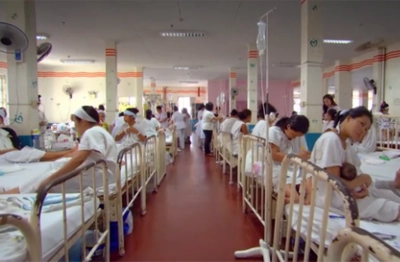
maternity ward

/ˈmæt.ər.nɪ.ti ˌwɔːrd/

(noun) sala de maternidad, pabellón de maternidad

Ejemplo:
She was taken to the maternity ward after her contractions started.
Fue llevada a la sala de maternidad después de que comenzaron sus contracciones.

patient's record

/ˈpeɪ.ʃənts ˈrek.ɚd/

(noun) expediente médico, historial clínico

Ejemplo:
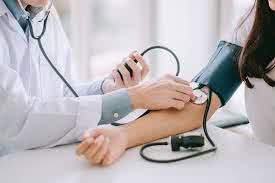
The doctor reviewed the patient's record before the surgery.
El médico revisó el expediente del paciente antes de la cirugía.

physical examination

/ˌfɪz.ɪ.kəl ɪɡˌzæm.əˈneɪ.ʃən/

(noun) examen físico, chequeo médico

Ejemplo:

The doctor performed a thorough physical examination.
El médico realizó un examen físico exhaustivo.

physical therapy

/ˈfɪz.ɪ.kəl ˈθer.ə.pi/

(noun) fisioterapia

Ejemplo:

After the car accident, he had to go to physical therapy twice a week.
Después del accidente de coche, tuvo que ir a fisioterapia dos veces por semana.

resist

/rɪˈzɪst/

(verb) resistir, oponerse a, oponerse

Ejemplo:

The old bridge was built to resist floods.
El viejo puente fue construido para resistir las inundaciones.

sneeze

/sniːz/

(verb) estornudar;

(noun) estornudo

Ejemplo:
The dust made her sneeze.
El polvo la hizo estornudar.

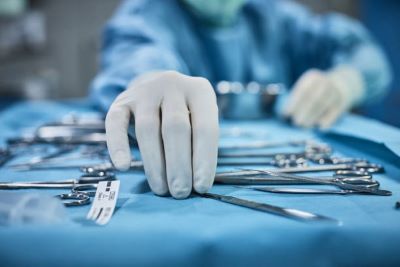
surgical instrument

/ˈsɜːr.dʒɪ.kəl ˈɪn.strə.mənt/

(noun) instrumento quirúrgico

Ejemplo:

The nurse carefully sterilized each surgical instrument before the procedure.
La enfermera esterilizó cuidadosamente cada instrumento quirúrgico antes del procedimiento.

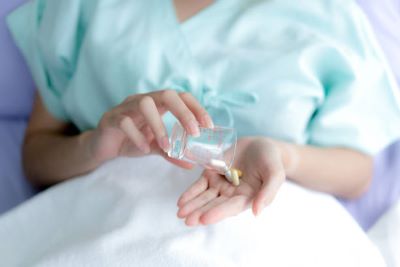
tablet

/ˈtæb.lət/

(noun) tablilla, losa, comprimido

Ejemplo:
Ancient civilizations used clay tablets to record their history.
Las civilizaciones antiguas usaban tablillas de arcilla para registrar su historia.

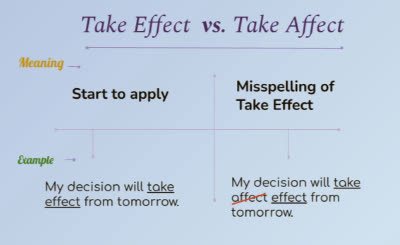
take effect

/teɪk ɪˈfekt/

(phrase) entrar en vigor, hacer efecto, surtir efecto

Ejemplo:
The new law will take effect next month.
La nueva ley entrará en vigor el próximo mes.

take medication

/teɪk ˌmed.əˈkeɪ.ʃən/

(collocation) tomar medicamentos, tomar medicación

Ejemplo:
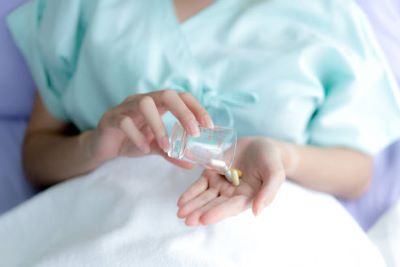
You need to take medication twice a day after meals.
Necesitas tomar medicamentos dos veces al día después de las comidas.

take some medicine

/teɪk sʌm ˈmed.ə.sən/

(phrase) tomar medicina

Ejemplo:

You should take some medicine if your headache doesn't go away.
Deberías tomar algo de medicina si no se te quita el dolor de cabeza.

terminal

/ˈtɝː.mə.nəl/

(adjective) terminal, final, mortal;

(noun) terminal, estación, borne

Ejemplo:
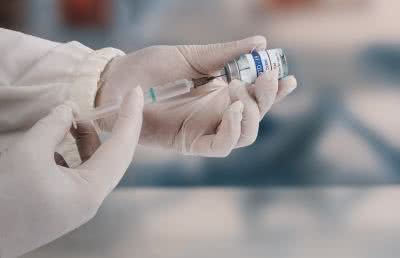
The bus arrived at the terminal station.
El autobús llegó a la estación terminal.

vaccination

/ˌvæk.səˈneɪ.ʃən/

(noun) vacunación, inmunización

Ejemplo:
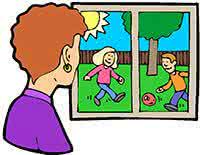
The doctor recommended vaccination for all children.
El médico recomendó la vacunación para todos los niños.

watch over

/wɑːtʃ ˈoʊvər/

(phrasal verb) vigilar, cuidar de, proteger

Ejemplo:

Can you watch over my bags while I go to the restroom?
¿Puedes vigilar mis maletas mientras voy al baño?

consequently

/ˈkɑːn.sə.kwənt.li/

(adverb) consecuentemente, por consiguiente, por lo tanto

Ejemplo:

The company increased its prices; consequently, sales dropped.
La empresa aumentó sus precios; consecuentemente, las ventas cayeron.

harmful

/ˈhɑːrm.fəl/

(adjective) dañino, perjudicial

Ejemplo:
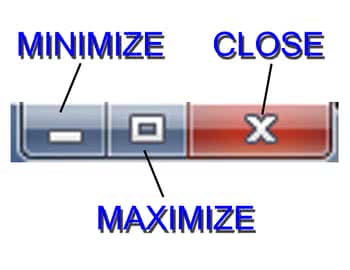
Smoking is harmful to your health.
Fumar es perjudicial para su salud.

maximize

/ˈmæk.sə.maɪz/

(verb) maximizar, aumentar al máximo

Ejemplo:

We need to maximize our profits this quarter.
Necesitamos maximizar nuestras ganancias este trimestre.

medicinal

/məˈdɪs.ɪ.nəl/

(adjective) medicinal, curativo

Ejemplo:

Many herbs have medicinal value.
Muchas hierbas tienen valor medicinal.

patiently

/ˈpeɪ.ʃənt.li/

(adverb) pacientemente

Ejemplo:

She waited patiently for her turn.
Ella esperó pacientemente su turno.

recover

/rɪˈkʌv.ɚ/

(verb) recuperarse, restablecerse, recuperar

Ejemplo:

It took her a long time to recover from the illness.
Le tomó mucho tiempo recuperarse de la enfermedad.

resemble

/rɪˈzem.bəl/

(verb) parecerse a, asemejarse a

Ejemplo:

She resembles her mother.
Ella se parece a su madre.

ultimately

/ˈʌl.tə.mət.li/

(adverb) finalmente, en última instancia

Ejemplo:
Ultimately, the decision is yours.
En última instancia, la decisión es tuya.

urgently

/ˈɝː.dʒənt.li/

(adverb) urgentemente, con urgencia

Ejemplo:

The doctor was called urgently to the emergency room.
El médico fue llamado urgentemente a la sala de emergencias.

visualize

/ˈvɪʒ.u.əl.aɪz/

(verb) visualizar, imaginar

Ejemplo:

It's hard to visualize the entire project from just a few sketches.
Es difícil visualizar todo el proyecto con solo unos pocos bocetos.

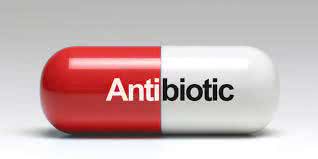
antibiotic

/ˌæn.t̬i.baɪˈɑː.t̬ɪk/

(noun) antibiótico;

(adjective) antibiótico

Ejemplo:
The doctor prescribed an antibiotic for her infection.
El médico le recetó un antibiótico para su infección.

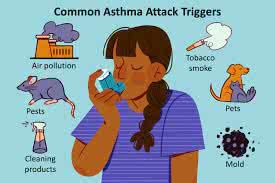
asthma

/ˈæz.mə/

(noun) asma

Ejemplo:

She has suffered from asthma since childhood.
Ella ha sufrido de asma desde la infancia.

athletic skill

/æθˈlet̬.ɪk skɪl/

(noun) habilidad atlética, destreza deportiva

Ejemplo:
The gymnast demonstrated incredible athletic skill during her routine.
La gimnasta demostró una increíble habilidad atlética durante su rutina.

chronic

/ˈkrɑː.nɪk/

(adjective) crónico, persistente, empedernido

Ejemplo:
She suffers from chronic back pain.
Ella sufre de dolor de espalda crónico.

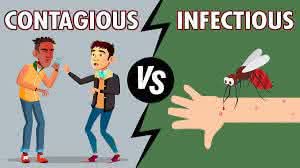
contagious

/kənˈteɪ.dʒəs/

(adjective) contagioso

Ejemplo:

The flu is highly contagious.
La gripe es muy contagiosa.

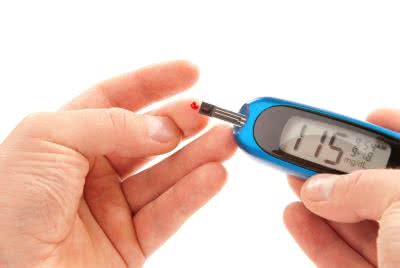
diabetes

/ˌdaɪ.əˈbiː.t̬iːz/

(noun) diabetes

Ejemplo:

She was diagnosed with type 2 diabetes last year.
Le diagnosticaron diabetes tipo 2 el año pasado.

donor

/ˈdoʊ.nɚ/

(noun) donante, contribuyente

Ejemplo:
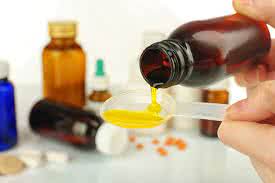
The hospital relies heavily on the generosity of private donors.
El hospital depende en gran medida de la generosidad de los donantes privados.

dosage

/ˈdoʊ.sɪdʒ/

(noun) dosis, dosificación

Ejemplo:

The doctor adjusted the dosage of the medication.
El médico ajustó la dosis del medicamento.

dose

/doʊs/

(noun) dosis, cantidad;

(verb) dosificar, administrar

Ejemplo:
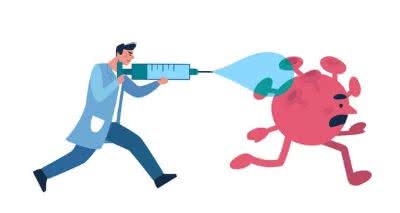
Take one dose of this medicine every eight hours.
Tome una dosis de este medicamento cada ocho horas.

eradicate

/ɪˈræd.ɪ.keɪt/

(verb) erradicar, exterminar

Ejemplo:
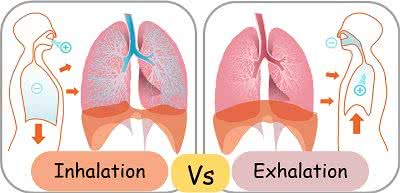
The disease was successfully eradicated worldwide.
La enfermedad fue erradicada con éxito en todo el mundo.

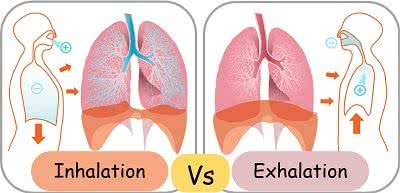
exhale

/eksˈheɪl/

(verb) exhalar, expirar

Ejemplo:

She took a deep breath and slowly exhaled.
Ella tomó una respiración profunda y lentamente exhaló.

first aid

/ˌfɜːrst ˈeɪd/

(noun) primeros auxilios

Ejemplo:

He administered first aid to the injured runner.
Administró los primeros auxilios al corredor herido.

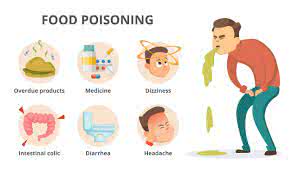
food poisoning

/ˈfuːd ˌpɔɪ.zən.ɪŋ/

(noun) intoxicación alimentaria

Ejemplo:
She got food poisoning after eating at the new restaurant.
Ella sufrió una intoxicación alimentaria después de comer en el nuevo restaurante.

forbid

/fɚˈbɪd/

(verb) prohibir, impedir

Ejemplo:

The rules forbid smoking in the building.
Las reglas prohíben fumar en el edificio.

genetic research

/dʒəˈnet̬.ɪk rɪˈsɝːtʃ/

(noun) investigación genética

Ejemplo:
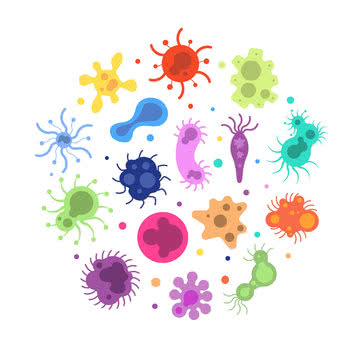
Recent genetic research has led to breakthroughs in treating rare diseases.
La investigación genética reciente ha dado lugar a avances en el tratamiento de enfermedades raras.

germ

/dʒɝːm/

(noun) germen, microbio, brote

Ejemplo:

Wash your hands to avoid spreading germs.
Lávate las manos para evitar la propagación de gérmenes.

hiccup

/ˈhɪk.ʌp/

(noun) hipo, contratiempo, pequeño problema;

(verb) tener hipo, hipar

Ejemplo:
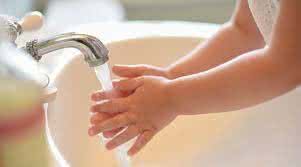
She let out a loud hiccup during the quiet movie.
Se le escapó un hipo fuerte durante la película silenciosa.

hygiene

/ˈhaɪ.dʒiːn/

(noun) higiene, limpieza

Ejemplo:

Good personal hygiene is essential for preventing the spread of germs.
Una buena higiene personal es esencial para prevenir la propagación de gérmenes.

immune

/ɪˈmjuːn/

(adjective) inmune, resistente, exento

Ejemplo:
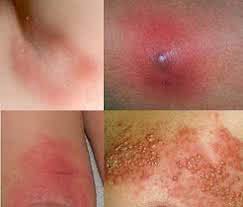
After getting the vaccine, she became immune to the virus.
Después de recibir la vacuna, se volvió inmune al virus.

infection

/ɪnˈfek.ʃən/

(noun) infección, contagio, enfermedad infecciosa

Ejemplo:
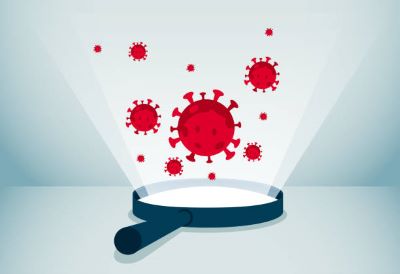
The doctor prescribed antibiotics to treat the bacterial infection.
El médico recetó antibióticos para tratar la infección bacteriana.

infectious disease

/ɪnˈfek.ʃəs dɪˈziːz/

(noun) enfermedad infecciosa

Ejemplo:
Influenza is a common infectious disease that spreads quickly in winter.
La gripe es una enfermedad infecciosa común que se propaga rápidamente en invierno.

inhale

/ɪnˈheɪl/

(verb) inhalar, aspirar

Ejemplo:

She took a deep breath and began to inhale the fresh mountain air.
Tomó una respiración profunda y comenzó a inhalar el aire fresco de la montaña.

overdose

/ˈoʊ.vɚ.doʊs/

(noun) sobredosis, exceso;

(verb) sobredosificarse, tomar una sobredosis

Ejemplo:
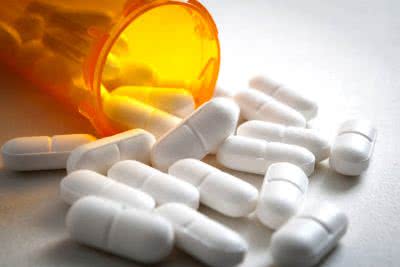
He was rushed to the hospital after a suspected drug overdose.
Fue llevado de urgencia al hospital tras una sospecha de sobredosis de drogas.

painkiller

/ˈpeɪnˌkɪl.ɚ/

(noun) analgésico, calmante

Ejemplo:

She took a painkiller for her headache.
Tomó un analgésico para su dolor de cabeza.

paralysis

/pəˈræl.ə.sɪs/

(noun) parálisis, estancamiento

Ejemplo:
The accident left him with permanent paralysis from the waist down.
El accidente le dejó una parálisis permanente de cintura para abajo.

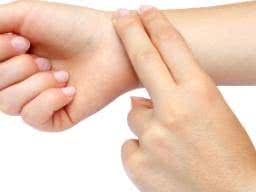
pulse

/pʌls/

(noun) pulso, ritmo, legumbres;

(verb) pulsar, latir

Ejemplo:

The doctor checked her pulse.
El médico le tomó el pulso.

robust

/roʊˈbʌst/

(adjective) robusto, fuerte, vigoroso

Ejemplo:

He is a robust man who rarely gets sick.
Es un hombre robusto que rara vez se enferma.
Aprende este conjunto de vocabulario en Lingoland