Avatar of Vocabulary Set 800ポイント

15日目 - 契約交渉 内 800ポイント 語彙セット:完全かつ詳細なリスト

「15日目 - 契約交渉」内の「800ポイント」語彙セットは国際標準教材から厳選され、短期間で語彙をマスターできます。定義、例文、標準発音を網羅…

Lingolandでこの語彙セットを学習

今すぐ学習

close a deal

/kloʊz ə diːl/

(phrase) 取引を成立させる, 契約を結ぶ

例:

After weeks of negotiations, they finally managed to close a deal.
数週間の交渉の末、彼らはついに取引を成立させることができた。

complicate

/ˈkɑːm.plə.keɪt/

(verb) 複雑にする, 難しくする

例:

The new regulations will only complicate matters.
新しい規制は事態をさらに複雑にするだけだろう。

dial a number

/ˈdaɪəl ə ˈnʌmbər/

(phrase) 番号をダイヤルする, 電話をかける

例:

Please dial a number to start the call.
通話を開始するには番号をダイヤルしてください。

disadvantage

/ˌdɪs.ədˈvæn.t̬ɪdʒ/

(noun) 不利, 欠点;

(verb) 不利にする, 不利な立場に置く

例:

His lack of experience was a major disadvantage.
彼の経験不足は大きな不利だった。

focus on

/ˈfoʊkəs ɑːn/

(phrasal verb) 〜に集中する, 〜に焦点を当てる

例:

Please focus on your studies.
勉強に集中してください。

for ages

/fɔːr ˈeɪ.dʒɪz/

(idiom) 長い間, ずっと

例:

I haven't seen him for ages.
彼にはずいぶん長い間会っていません。

household

/ˈhaʊs.hoʊld/

(noun) 世帯, 家庭;

(adjective) 家庭の, 家事の

例:

The average household in this area has 3.5 people.
この地域の平均的な世帯は3.5人です。

I have no idea

/aɪ hæv noʊ aɪˈdiə/

(phrase) 全くわからない, さっぱりわからない

例:

I have no idea where I left my keys.
鍵をどこに置いたか全くわかりません

lock up

/lɑːk ˈʌp/

(phrasal verb) 施錠する, 鍵をかける, 投獄する

例:

Don't forget to lock up before you leave.
出発する前に施錠するのを忘れないでください。

make a deposit

/meɪk ə dɪˈpɑːzɪt/

(phrase) 預金をする, 手付金を支払う

例:

I need to make a deposit at the bank before it closes.
銀行が閉まる前に預金をする必要があります。

make a mistake

/meɪk ə mɪˈsteɪk/

(phrase) 間違いを犯す, ミスをする

例:

It's okay to make a mistake as long as you learn from it.
そこから学ぶ限り、間違いを犯すことは問題ありません。

peak

/piːk/

(noun) ピーク, 頂点, 頂上;

(verb) ピークに達する, 頂点に達する;

(adjective) ピークの, 最高の

例:

The athlete reached the peak of his career at the age of 28.
その選手は28歳でキャリアの頂点に達した。

rain check

/ˈreɪn ˌtʃɛk/

(noun) 雨天順延券, 延期券, また別の機会に

例:

The baseball game was rained out, so we got a rain check for another day.
野球の試合は雨で中止になったので、別の日の雨天順延券をもらいました。

rent out

/rent aʊt/

(phrasal verb) 貸し出す, 賃貸する

例:

They decided to rent out their spare room to a student.
彼らは余っている部屋を学生に貸し出すことにした。

rental agreement

/ˈren.t̬əl əˈɡriː.mənt/

(noun) 賃貸借契約, レンタル契約

例:

Please read the rental agreement carefully before signing it.
署名する前に賃貸借契約書をよく読んでください。

rough

/rʌf/

(adjective) ざらざらした, でこぼこの, 乱暴な;

(adverb) 乱暴に, 荒々しく;

(noun) 困難, つらい時期

例:

The old wooden table had a rough surface.
古い木製のテーブルはざらざらした表面をしていた。

royalty

/ˈrɔɪ.əl.t̬i/

(noun) 王族, 皇族, 印税

例:

The queen and other royalty attended the state dinner.
女王と他の王族が国賓晩餐会に出席した。

run in several directions

/rʌn ɪn ˈsɛv.ər.əl dɪˈrɛk.ʃənz/

(idiom) 数方向に走る, あちこち奔走する

例:

The cracks in the old wall run in several directions.
古い壁のひび割れが数方向に走っている

scare

/sker/

(verb) 怖がらせる, おびえさせる;

(noun) 恐怖, 不安, 驚き

例:

The sudden noise scared the cat.
突然の物音に猫が怖がった

sign a contract

/saɪn ə ˈkɑnˌtrækt/

(phrase) 契約に署名する, 契約を結ぶ

例:

The two companies will sign a contract next week to finalize the merger.
両社は来週、合併を最終決定するために契約に署名する予定です。

under a contract

/ˈʌndər ə ˈkɑːntrækt/

(phrase) 契約下で, 契約を結んで

例:

The player is still under a contract with his current team until next year.
その選手は来年まで現在のチームと契約下にあります。

win a contract

/wɪn ə ˈkɑːn.trækt/

(phrase) 契約を勝ち取る, 受注する

例:

The company managed to win a contract to build the new bridge.
その会社は新しい橋を建設する契約を勝ち取った

agreeable

/əˈɡriː.ə.bəl/

(adjective) 楽しい, 心地よい, 同意する

例:

We spent an agreeable afternoon by the lake.
湖畔で楽しい午後を過ごしました。

call out

/kɔːl aʊt/

(phrasal verb) 叫ぶ, 大声で言う, 叱る

例:

She had to call out his name several times before he heard her.
彼女は彼が聞こえるまで何度も彼の名前を叫ばなければならなかった

convincing

/kənˈvɪn.sɪŋ/

(adjective) 説得力のある, 納得のいく

例:

He presented a convincing argument for his proposal.
彼は自分の提案に対して説得力のある議論を提示した。

diplomatic

/ˌdɪp.ləˈmæt̬.ɪk/

(adjective) 外交の, 如才ない, 機転の利く

例:

The ambassador handled the crisis with great diplomatic skill.
大使は素晴らしい外交手腕で危機を処理した。

equality

/iˈkwɑː.lə.t̬i/

(noun) 平等, 同等, 等式

例:

The fight for gender equality continues worldwide.
ジェンダー平等のための闘いは世界中で続いている。

ethical

/ˈeθ.ɪ.kəl/

(adjective) 倫理的な, 道徳的な, 道徳的に正しい

例:

The company has a strong ethical code.
その会社は強力な倫理規定を持っている。

hesitate

/ˈhez.ə.teɪt/

(verb) ためらう, 躊躇する

例:

She hesitated for a moment before answering the difficult question.
彼女は難しい質問に答える前に一瞬ためらった

in contrast

/ɪn ˈkɑːntræst/

(phrase) 対照的に, それに対して

例:

The old system was slow and inefficient. In contrast, the new system is fast and reliable.
古いシステムは遅くて非効率的でした。対照的に、新しいシステムは高速で信頼性があります。

instrumental

/ˌɪn.strəˈmen.t̬əl/

(adjective) 重要な, 役立つ, 手段となる;

(noun) インストゥルメンタル, 器楽曲

例:
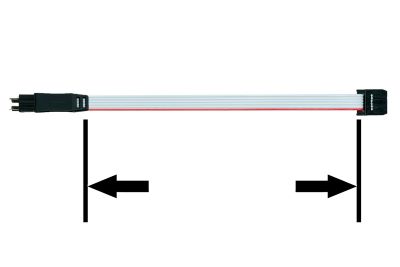
He was instrumental in bringing about the peace treaty.
彼は和平条約の実現に貢献した

lengthen

/ˈleŋ.θən/

(verb) 長くする, 長くなる

例:

She decided to lengthen her skirt by adding a ruffle.
彼女はフリルを追加してスカートを長くすることにした。

make a move

/meɪk ə muːv/

(phrase) 行動を起こす, 動き出す, アプローチする

例:

It's time to make a move and start planning our trip.
行動を起こして、旅行の計画を始める時が来た。

offend

/əˈfend/

(verb) 不快にさせる, 気分を害する, 違反する

例:

His rude comments offended everyone in the room.
彼の失礼なコメントは部屋中の全員を不快にさせた

opposing

/əˈpoʊ.zɪŋ/

(adjective) 対立する, 反対の

例:

The two teams had opposing views on the new rule.
2つのチームは新しいルールについて対立する見解を持っていた。

origin

/ˈɔːr.ə.dʒɪn/

(noun) 起源, 源, 発端

例:

The river's origin is in the mountains.
その川の源流は山にある。

rational

/ˈræʃ.ən.əl/

(adjective) 合理的な, 論理的な, 理性的な;

(noun) 有理数

例:

It's important to make rational decisions.
合理的な決定を下すことが重要です。

recognition

/ˌrek.əɡˈnɪʃ.ən/

(noun) 認識, 承認

例:

He received a medal in recognition of his bravery.
彼は勇敢さを認められメダルを受け取った。

refusal

/rɪˈfjuː.zəl/

(noun) 拒否, 拒絶

例:

His refusal to cooperate led to his dismissal.
彼の協力拒否が解雇につながった。

sarcastic

/sɑːrˈkæs.tɪk/

(adjective) 皮肉な, 嫌味な

例:

Her sarcastic remarks often made people uncomfortable.
彼女の皮肉な発言はしばしば人々を不快にさせた。

selected

/sɪˈlɛktɪd/

(adjective) 選ばれた, 厳選された;

(verb) 選んだ, 選出された

例:

Only a few selected candidates were invited for the interview.
面接にはごく一部の選ばれた候補者のみが招待された。

sort of

/sɔːrt əv/

(phrase) なんとなく, ある意味

例:

I was sort of hoping you'd say yes.
なんとなくイエスと言ってくれることを期待していました。

surely

/ˈʃʊr.li/

(adverb) きっと, 確かに

例:

You're not leaving already, are you? It's surely too early.
もう帰るの?きっと早すぎるよ。

surprise

/sɚˈpraɪz/

(noun) 驚き, サプライズ, 意外;

(verb) 驚かせる, 不意を突く

例:

Her sudden arrival was a complete surprise.
彼女の突然の到着は全くの驚きだった。

uninterested

/ʌnˈɪn.trɪ.stɪd/

(adjective) 興味がない, 無関心な

例:

He seemed completely uninterested in the conversation.
彼は会話に全く興味がないようだった。

verbal

/ˈvɝː.bəl/

(adjective) 口頭の, 言葉の, 動詞の

例:

He gave a verbal promise.
彼は口頭で約束した。

virtual

/ˈvɝː.tʃu.əl/

(adjective) 事実上の, 実質的な, 仮想の

例:

The meeting was a virtual disaster.
会議は事実上の災害だった。

within reason

/wɪðˈɪn ˈriː.zən/

(phrase) 常識の範囲内で, 合理的に

例:

You can do anything you want, within reason.
常識の範囲内で、何でも好きなことをしていいよ。

be in agreement

/bi ɪn əˈɡriː.mənt/

(idiom) 合意している, 一致している

例:

We are in agreement regarding the new policy.
私たちは新しい方針に関して合意しています

draw up a new agreement

/drɔː ʌp ə nuː əˈɡriː.mənt/

(phrase) 新しい合意書を作成する

例:

The lawyers will draw up a new agreement by next week.
弁護士は来週までに新しい合意書を作成する予定です。

enclosure

/ɪnˈkloʊ.ʒɚ/

(noun) 囲い, 囲まれた場所, 封入物

例:

The zoo has a large enclosure for the lions.
動物園にはライオン用の大きな囲いがあります。

the generation gap

/ðə ˈdʒen.ə.reɪ.ʃən ˌɡæp/

(noun) 世代間のギャップ, 世代間格差

例:

There's a significant generation gap when it comes to technology.
テクノロジーに関しては、大きな世代間のギャップがあります。

have difficulty in

/hæv ˈdɪf.ə.kəl.ti ɪn/

(phrase) 苦労する, 困難を感じる

例:

Many students have difficulty in understanding complex physics theories.
多くの学生が複雑な物理理論を理解するのに苦労している

in an attempt to

/ɪn æn əˈtɛmpt tuː/

(phrase) ...しようとして, ...を試みて

例:

He called her in an attempt to apologize for his behavior.
彼は自分の振る舞いを謝ろうとして彼女に電話した。

in appreciation of

/ɪn əˌpriː.ʃiˈeɪ.ʃən əv/

(phrase) に感謝して, を祝して

例:

The company gave him a gold watch in appreciation of his twenty years of service.
会社は彼の20年間の勤続を祝して金時計を贈った。

in print

/ɪn prɪnt/

(phrase) 絶版になっていない, 刊行されている, 活字で

例:

Is that novel still in print?
その小説はまだ絶版になっていませんか?

in summary

/ɪn ˈsʌm.ər.i/

(phrase) 要約すると, 手短に言えば

例:

In summary, the project was a great success.
要約すると、プロジェクトは大成功でした。

lifetime employment

/ˈlaɪf.taɪm ɪmˈplɔɪ.mənt/

(noun) 終身雇用

例:

The traditional Japanese system of lifetime employment is gradually changing.
日本の伝統的な終身雇用制度は徐々に変化しています。

low-income resident

/loʊ ˈɪn.kʌm ˈrez.ɪ.dənt/

(noun) 低所得居住者, 低所得者

例:

The city is building new affordable housing for low-income residents.
市は低所得の居住者のために新しい手頃な価格の住宅を建設している。

make a bid

/meɪk ə bɪd/

(idiom) 入札する, 値を付ける, 挑戦する

例:

She decided to make a bid for the antique vase at the auction.
彼女はそのオークションでアンティークの花瓶に入札することに決めた。

make a contract with

/meɪk ə ˈkɑːn.trækt wɪð/

(phrase) と契約を結ぶ, と契約を交わす

例:

The company decided to make a contract with a new supplier.
その会社は新しいサプライヤーと契約を結ぶことに決めた。

on hand

/ɑːn hænd/

(phrase) 手元に, 利用可能で, 待機して

例:

Do you have enough cash on hand for the trip?
旅行のために十分な現金が手元にありますか?

replica

/ˈrep.lɪ.kə/

(noun) レプリカ, 複製

例:

The museum displayed a perfect replica of the ancient vase.
博物館には古代の花瓶の完璧なレプリカが展示されていた。

rigid

/ˈrɪdʒ.ɪd/

(adjective) 硬い, 曲がらない, 堅固な

例:

The old man's body was rigid with cold.
老人の体は寒さで硬直していた。

security deposit

/sɪˈkjʊr.ə.ti dɪˈpɑː.zɪt/

(noun) 敷金, 保証金

例:

The landlord required a one-month security deposit.
家主は1ヶ月分の敷金を要求した。

sequential

/sɪˈkwen.ʃəl/

(adjective) 順序の, 連続的な

例:

The steps in the recipe are sequential.
レシピの手順は順序通りです。

successful candidate

/səkˈses.fəl ˈkæn.dɪ.deɪt/

(collocation) 採用候補者, 合格者

例:

The successful candidate will be notified by the end of the week.
採用候補者には週末までに通知が行きます。

take A seriously

/teɪk eɪ ˈsɪr.i.əs.li/

(idiom) 真剣に受け止める, 本気にする

例:

You need to take your studies seriously if you want to pass.
合格したいなら、勉強を真剣に受け止める必要がある。
Lingolandでこの語彙セットを学習