
TOEFL必須語彙 内 時間と歴史 語彙セット:完全かつ詳細なリスト
「TOEFL必須語彙」内の「時間と歴史」語彙セットは国際標準教材から厳選され、短期間で語彙をマスターできます。定義、例文、標準発音を網羅…
Lingolandでこの語彙セットを学習
今すぐ学習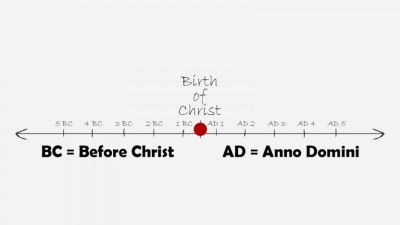
/bɪˈfɔːr kraɪst/
(adverb) 紀元前
例:
The Great Pyramid was built over 2,500 years before Christ.
大ピラミッドは紀元前2500年以上前に建てられました。

/mɪˈlen.i.əm/
(noun) 千年紀, 千年, 千年王国
例:
The year 2000 marked the beginning of a new millennium.
2000年は新しい千年紀の始まりでした。

/mɪˈlen.i.əl/
(noun) ミレニアル世代;
(adjective) ミレニアル世代の
例:
Many millennials prefer digital communication over phone calls.
多くのミレニアル世代は、電話よりもデジタル通信を好みます。

/ˈsen.tʃər.i/
(noun) 世紀, センチュリー (クリケット)
例:
The 20th century saw rapid technological advancements.
20世紀は急速な技術進歩を遂げた。

/ˈdek.eɪd/
(noun) 10年間, 十年
例:
The 1990s was a memorable decade for music.
1990年代は音楽にとって記憶に残る10年間でした。
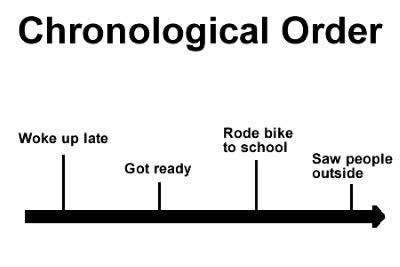
/ˌkrɑː.nəˈlɑː.dʒɪ.kəl/
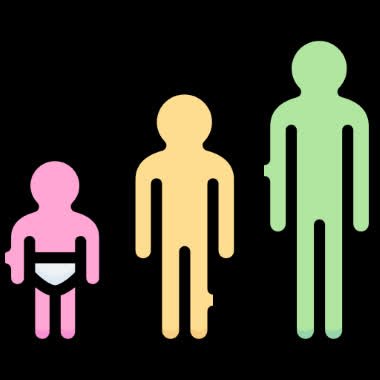
(adjective) 時系列の, 年代順の
例:
The events are listed in chronological order.
イベントは時系列順にリストされています。


/ɪˈven.tʃu.əl/
(adjective) 最終的な, 結果として生じる
例:
The eventual outcome of the negotiations is still uncertain.
交渉の最終的な結果はまだ不確かです。

/ˈæn.ju.ə.li/
(adverb) 毎年, 年一回
例:
The company publishes its financial report annually.
その会社は財務報告書を毎年発行しています。

/baɪˈæn.ju.əl/
(adjective) 年2回の, 半年一度の
例:
The company holds a biannual meeting in June and December.
会社は6月と12月に年2回の会議を開催します。

/ɪnˈdef.ən.ət.li/
(adverb) 無期限に, いつまでも, 漠然と
例:
The project has been postponed indefinitely.
プロジェクトは無期限に延期されました。
/ˈsʌb.sɪ.kwənt.li/
(adverb) その後, 続いて
例:
He was injured and subsequently unable to play.
彼は負傷し、その後プレーできなくなった。

/ˌsaɪ.məlˈteɪ.ni.əs.li/
(adverb) 同時に, 一斉に
例:
The two events happened simultaneously.
2つの出来事が同時に起こった。

/ˈfriː.kwənt.li/
(adverb) 頻繁に, しばしば
例:
She frequently visits her grandparents.
彼女は頻繁に祖父母を訪ねる。


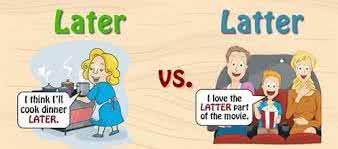
/ˈlæt̬.ɚ/
(adjective) 後者, 後の, 後半の
例:
Of the two options, I prefer the latter.
2つの選択肢のうち、私は後者を好む。
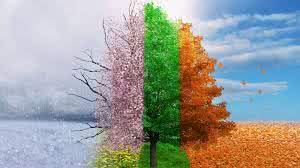
/ˈsiː.zən.əl/
(adjective) 季節の, 季節限定の, 季節に左右される
例:
The store offers a variety of seasonal fruits and vegetables.
その店では様々な季節の果物や野菜を提供しています。

/ˈsɑːl.stɪs/
(noun) 至点, 夏至, 冬至
例:
The summer solstice marks the longest day of the year.
夏至は一年で最も長い日です。
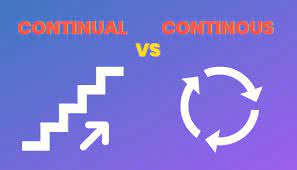
/kənˈtɪn.ju.əl/
(adjective) 絶え間ない, 頻繁な, 繰り返しの
例:
The continual interruptions made it difficult to concentrate.
絶え間ない中断で集中するのが難しかった。
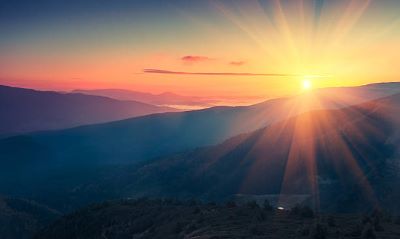
/ˈdeɪ.breɪk/
(noun) 夜明け, 日の出
例:
We set off at daybreak to avoid the heat.
私たちは暑さを避けるために夜明けに出発した。
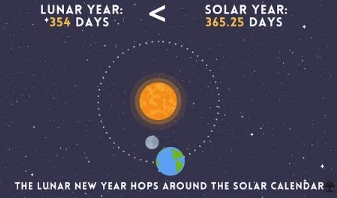
/ˈsoʊ.lɚ jɪr/
(noun) 太陽年
例:
The Gregorian calendar is based on the solar year.
グレゴリオ暦は太陽年に基づいています。
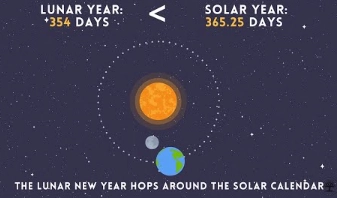
/ˈluː.nɚ jɪr/
(noun) 太陰暦, 月年
例:
The Islamic calendar is based on the lunar year.
イスラム暦は太陰暦に基づいています。

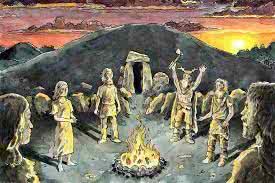
/ˌpriː.hɪˈstɔːr.ɪk/
(adjective) 先史時代, 有史以前の, 時代遅れの
例:
Dinosaurs lived in prehistoric times.
恐竜は先史時代に生きていた。
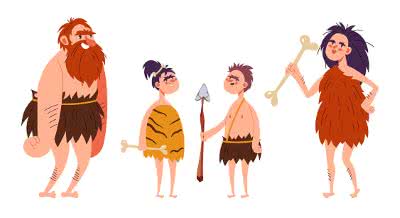
/ˈprɪm.ə.t̬ɪv/
(adjective) 原始的な, 初期の, 未発達な;
(noun) 原始人, 未開人
例:
Early humans used primitive tools for hunting.
初期の人類は狩猟に原始的な道具を使った。
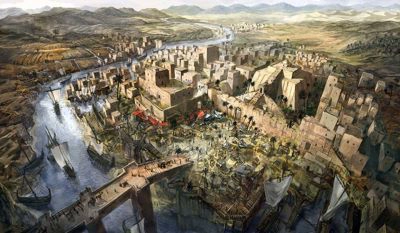
/ˌsɪv.əl.əˈzeɪ.ʃən/
(noun) 文明, 文明化, 開化
例:
Ancient Egypt was a highly advanced civilization.
古代エジプトは非常に進んだ文明でした。

/hɪˈstɔːr.i.ən/
(noun) 歴史家
例:
The renowned historian presented a new theory on ancient civilizations.
著名な歴史家が古代文明に関する新しい理論を発表した。

/ˌmed.iˈiː.vəl/
(adjective) 中世の, 時代遅れの, 原始的な
例:
They visited a well-preserved medieval castle.
彼らは保存状態の良い中世の城を訪れた。
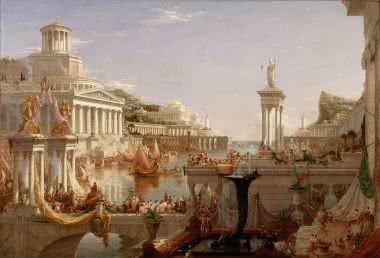
/ˈɡoʊl.dən ˌeɪdʒ/
(noun) 黄金時代, 最盛期
例:
The 1950s are often considered the golden age of Hollywood.
1950年代はしばしばハリウッドの黄金時代と見なされている。
/ˈɑːr.kaɪv/
(noun) アーカイブ, 記録保管所;
(verb) アーカイブする, 保存する
例:
The university maintains a vast archive of historical manuscripts.
大学は歴史的な写本の膨大なアーカイブを維持している。

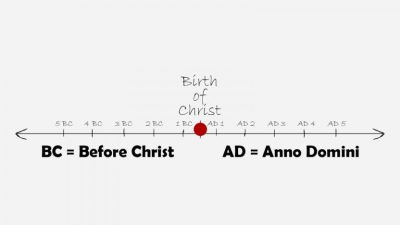
/ˌæn.oʊ ˈdɑː.mɪ.ni/
(adverb) 紀元, 西暦
例:
The Roman Empire reached its greatest extent in 117 Anno Domini.
ローマ帝国は紀元117年に最大版図に達した。
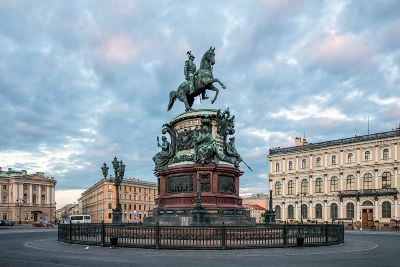
/ˈmɑːn.jə.mənt/
(noun) 記念碑, モニュメント, 永続的な証拠
例:
The Washington Monument is a famous landmark in the United States.
ワシントン記念塔はアメリカ合衆国の有名なランドマークです。
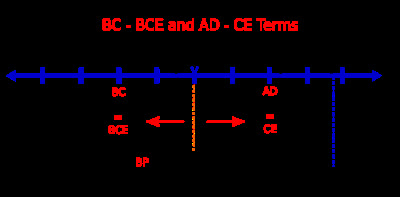
/ˈkɑː.mən ˈer.ə/
(noun) 西暦, 共通紀元
例:
The Roman Empire reached its peak in the second century of the Common Era.
ローマ帝国は西暦2世紀に全盛期を迎えました。