
词汇集 时间和历史(属于 托福必备词汇):完整且详细的清单
词汇集「时间和历史」(属于「托福必备词汇」)从国际标准教材来源精心挑选,帮助您在短时间内掌握词汇。全面汇整定义、例句及标准发音…
在 Lingoland 学习此词汇集
立即学习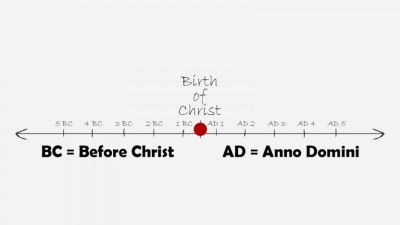
/bɪˈfɔːr kraɪst/
(adverb) 公元前
示例:
The Great Pyramid was built over 2,500 years before Christ.
大金字塔建于公元前2500多年前。

/mɪˈlen.i.əm/
(noun) 千年, 千年盛世, 黄金时代
示例:
The year 2000 marked the beginning of a new millennium.
2000年标志着新千年的开始。

/mɪˈlen.i.əl/
(noun) 千禧一代;
(adjective) 千禧一代的
示例:
Many millennials prefer digital communication over phone calls.
许多千禧一代更喜欢数字通信而不是电话。

/ˈsen.tʃər.i/
(noun) 世纪, 百分 (板球)
示例:
The 20th century saw rapid technological advancements.
20世纪见证了科技的飞速发展。

/ˌkrɑː.nəˈlɑː.dʒɪ.kəl/
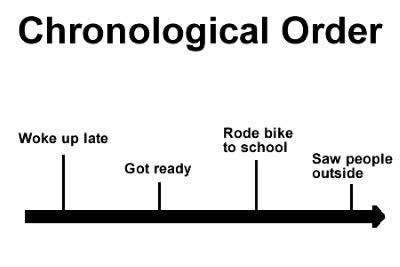
(adjective) 按时间顺序的, 编年的
示例:
The events are listed in chronological order.
事件按时间顺序排列。


/ɪˈven.tʃu.əl/
(adjective) 最终的, 结果的
示例:
The eventual outcome of the negotiations is still uncertain.
谈判的最终结果仍不确定。

/ˈæn.ju.ə.li/
(adverb) 每年, 年度
示例:
The company publishes its financial report annually.
该公司每年发布其财务报告。

/baɪˈæn.ju.əl/
(adjective) 一年两次的, 半年一次的
示例:
The company holds a biannual meeting in June and December.
公司在六月和十二月举行一年两次的会议。

/ɪnˈdef.ən.ət.li/
(adverb) 无限期地, 不确定地, 含糊地
示例:
The project has been postponed indefinitely.
该项目已无限期推迟。
/ˈsʌb.sɪ.kwənt.li/
(adverb) 随后, 接着
示例:
He was injured and subsequently unable to play.
他受伤了,随后无法上场比赛。

/ˌsaɪ.məlˈteɪ.ni.əs.li/
(adverb) 同时, 同步
示例:
The two events happened simultaneously.
这两个事件同时发生。


/ˈfriː.kwənt.li/
(adverb) 经常, 频繁地
示例:
She frequently visits her grandparents.
她经常去看望她的祖父母。



/ˈlæt̬.ɚ/
(adjective) 后者, 后面的, 后期
示例:
Of the two options, I prefer the latter.
在这两个选项中,我更喜欢后者。
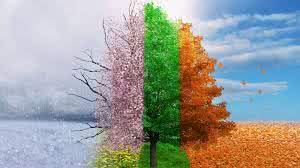
/ˈsiː.zən.əl/
(adjective) 季节性的, 时令的, 随季节变化的
示例:
The store offers a variety of seasonal fruits and vegetables.
这家商店提供各种时令水果和蔬菜。

/ˈsɑːl.stɪs/
(noun) 至日, 冬至, 夏至
示例:
The summer solstice marks the longest day of the year.
夏至标志着一年中白昼最长的一天。
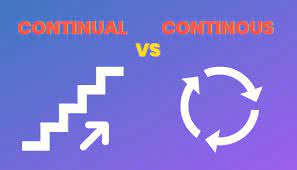
/kənˈtɪn.ju.əl/
(adjective) 持续的, 频繁的, 不断的
示例:
The continual interruptions made it difficult to concentrate.
持续不断的打扰让人难以集中注意力。

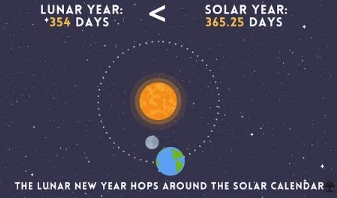
/ˈsoʊ.lɚ jɪr/
(noun) 太阳年, 回归年
示例:
The Gregorian calendar is based on the solar year.
公历是基于回归年(太阳年)的。
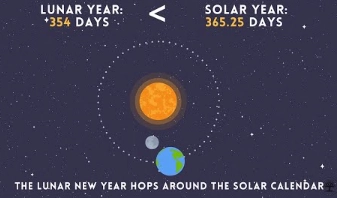
/ˈluː.nɚ jɪr/
(noun) 阴历年, 农历年
示例:
The Islamic calendar is based on the lunar year.
伊斯兰历是以阴历年为基础的。

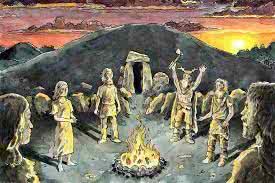
/ˌpriː.hɪˈstɔːr.ɪk/
(adjective) 史前的, 老旧的, 原始的
示例:
Dinosaurs lived in prehistoric times.
恐龙生活在史前时代。
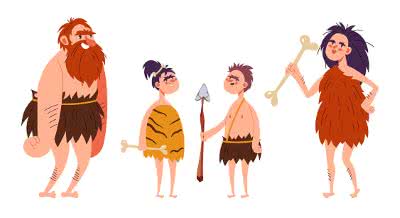
/ˈprɪm.ə.t̬ɪv/
(adjective) 原始的, 早期的, 简陋的;
(noun) 原始人, 未开化的人
示例:
Early humans used primitive tools for hunting.
早期人类使用原始工具狩猎。
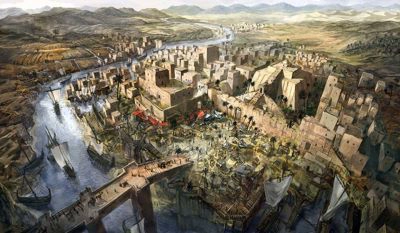
/ˌsɪv.əl.əˈzeɪ.ʃən/
(noun) 文明, 文明化, 开化
示例:
Ancient Egypt was a highly advanced civilization.
古埃及是一个高度发达的文明。

/hɪˈstɔːr.i.ən/
(noun) 历史学家
示例:
The renowned historian presented a new theory on ancient civilizations.
这位著名历史学家提出了关于古代文明的新理论。

/ˌmed.iˈiː.vəl/
(adjective) 中世纪的, 落后的, 原始的
示例:
They visited a well-preserved medieval castle.
他们参观了一座保存完好的中世纪城堡。
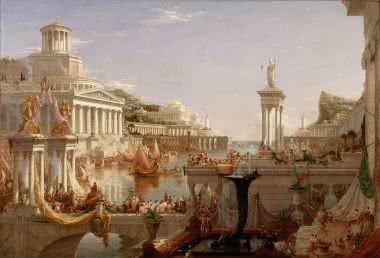
/ˈɡoʊl.dən ˌeɪdʒ/
(noun) 黄金时代, 鼎盛时期
示例:
The 1950s are often considered the golden age of Hollywood.
20世纪50年代常被认为是好莱坞的黄金时代。
/ˈɑːr.kaɪv/
(noun) 档案, 档案馆, 档案室;
(verb) 归档, 存档
示例:
The university maintains a vast archive of historical manuscripts.
该大学保存着大量的历史手稿档案。

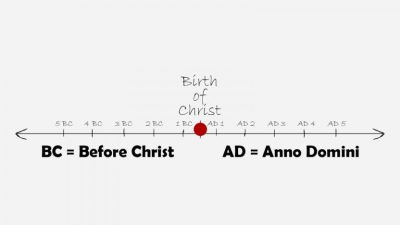
/ˌæn.oʊ ˈdɑː.mɪ.ni/
(adverb) 公元
示例:
The Roman Empire reached its greatest extent in 117 Anno Domini.
罗马帝国在公元117年达到了最大版图。
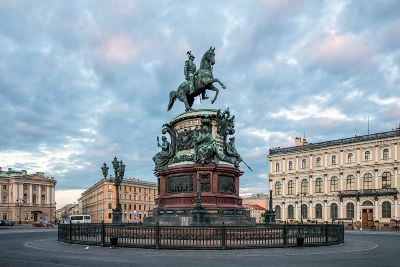
/ˈmɑːn.jə.mənt/
(noun) 纪念碑, 纪念物, 不朽的证据
示例:
The Washington Monument is a famous landmark in the United States.
华盛顿纪念碑是美国著名的地标。
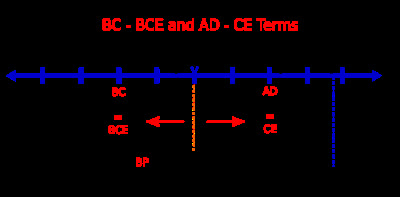
/ˈkɑː.mən ˈer.ə/
(noun) 公元
示例:
The Roman Empire reached its peak in the second century of the Common Era.
罗马帝国在公元二世纪达到了鼎盛时期。