Avatar of Vocabulary Set Tiempo e historia

Conjunto de vocabulario Tiempo e historia en Vocabulario esencial para el TOEFL: Lista completa y detallada

El conjunto de vocabulario 'Tiempo e historia' en 'Vocabulario esencial para el TOEFL' está seleccionado cuidadosamente de fuentes de libros de texto estándar internacionales, ayudándote a dominar el vocabulario en poco tiempo. Incluye definiciones completas, ejemplos ilustrativos y pronunciación estándar...

Aprende este conjunto de vocabulario en Lingoland

Aprender ahora
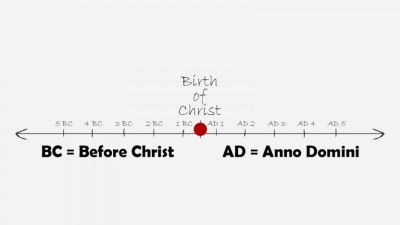
before Christ

/bɪˈfɔːr kraɪst/

(adverb) antes de Cristo

Ejemplo:

The Great Pyramid was built over 2,500 years before Christ.
La Gran Pirámide fue construida hace más de 2.500 años antes de Cristo.

era

/ˈer.ə/

(noun) era, época

Ejemplo:

The Victorian era was a time of great change.
La era victoriana fue una época de grandes cambios.

millennium

/mɪˈlen.i.əm/

(noun) milenio, edad de oro

Ejemplo:

The year 2000 marked the beginning of a new millennium.
El año 2000 marcó el comienzo de un nuevo milenio.

millennial

/mɪˈlen.i.əl/

(noun) millennial, generación Y;

(adjective) millennial

Ejemplo:

Many millennials prefer digital communication over phone calls.
Muchos millennials prefieren la comunicación digital a las llamadas telefónicas.

century

/ˈsen.tʃər.i/

(noun) siglo, siglo (cricket)

Ejemplo:

The 20th century saw rapid technological advancements.
El siglo XX vio rápidos avances tecnológicos.

decade

/ˈdek.eɪd/

(noun) década

Ejemplo:

The 1990s was a memorable decade for music.
La década de 1990 fue una década memorable para la música.

age

/eɪdʒ/

(noun) edad, era, época;

(verb) envejecer, madurar

Ejemplo:
What is your age?
¿Cuál es tu edad?

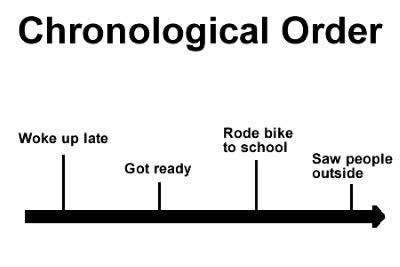
chronological

/ˌkrɑː.nəˈlɑː.dʒɪ.kəl/

(adjective) cronológico

Ejemplo:

The events are listed in chronological order.
Los eventos están listados en orden cronológico.

eternity

/ɪˈtɝː.nə.t̬i/

(noun) eternidad, mucho tiempo

Ejemplo:

The universe stretches into eternity.
El universo se extiende hacia la eternidad.

eventual

/ɪˈven.tʃu.əl/

(adjective) final, eventual

Ejemplo:

The eventual outcome of the negotiations is still uncertain.
El resultado final de las negociaciones aún es incierto.

annually

/ˈæn.ju.ə.li/

(adverb) anualmente, cada año

Ejemplo:

The company publishes its financial report annually.
La empresa publica su informe financiero anualmente.

biannual

/baɪˈæn.ju.əl/

(adjective) semestral, dos veces al año

Ejemplo:

The company holds a biannual meeting in June and December.
La empresa celebra una reunión semestral en junio y diciembre.

indefinitely

/ɪnˈdef.ən.ət.li/

(adverb) indefinidamente, por tiempo indefinido, vagamente

Ejemplo:
The project has been postponed indefinitely.
El proyecto ha sido pospuesto indefinidamente.

subsequently

/ˈsʌb.sɪ.kwənt.li/

(adverb) posteriormente, después

Ejemplo:

He was injured and subsequently unable to play.
Se lesionó y posteriormente no pudo jugar.

simultaneously

/ˌsaɪ.məlˈteɪ.ni.əs.li/

(adverb) simultáneamente, al mismo tiempo

Ejemplo:

The two events happened simultaneously.
Los dos eventos ocurrieron simultáneamente.

beforehand

/bɪˈfɔːr.hænd/

(adverb) de antemano, previamente

Ejemplo:

I wish I had known beforehand.
Ojalá lo hubiera sabido de antemano.

frequently

/ˈfriː.kwənt.li/

(adverb) frecuentemente, a menudo

Ejemplo:

She frequently visits her grandparents.
Ella visita frecuentemente a sus abuelos.

instantly

/ˈɪn.stənt.li/

(adverb) instantáneamente, inmediatamente, al instante

Ejemplo:

She recognized him instantly.
Ella lo reconoció instantáneamente.

former

/ˈfɔːr.mɚ/

(adjective) ex, anterior, el primero

Ejemplo:
The former president gave a speech.
El expresidente dio un discurso.

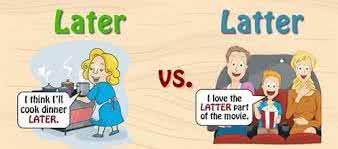
latter

/ˈlæt̬.ɚ/

(adjective) último, segundo, posterior

Ejemplo:
Of the two options, I prefer the latter.
De las dos opciones, prefiero la última.

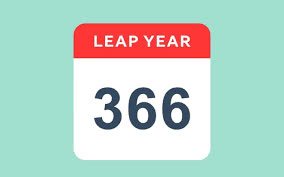
leap year

/ˈliːp jɪr/

(noun) año bisiesto

Ejemplo:

The next leap year will be in 2024.
El próximo año bisiesto será en 2024.

seasonal

/ˈsiː.zən.əl/

(adjective) estacional, variable según la estación

Ejemplo:

The store offers a variety of seasonal fruits and vegetables.
La tienda ofrece una variedad de frutas y verduras de temporada.

solstice

/ˈsɑːl.stɪs/

(noun) solsticio

Ejemplo:

The summer solstice marks the longest day of the year.
El solsticio de verano marca el día más largo del año.

continual

/kənˈtɪn.ju.əl/

(adjective) continuo, repetido, frecuente

Ejemplo:

The continual interruptions made it difficult to concentrate.
Las interrupciones continuas dificultaron la concentración.

daybreak

/ˈdeɪ.breɪk/

(noun) amanecer, alba

Ejemplo:

We set off at daybreak to avoid the heat.
Partimos al amanecer para evitar el calor.

dusk

/dʌsk/

(noun) anochecer, crepúsculo

Ejemplo:
The streetlights came on at dusk.
Las farolas se encendieron al anochecer.

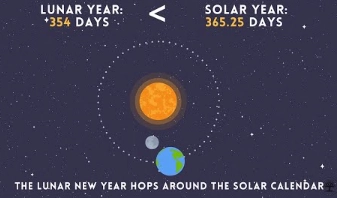
solar year

/ˈsoʊ.lɚ jɪr/

(noun) año solar

Ejemplo:

The Gregorian calendar is based on the solar year.
El calendario gregoriano se basa en el año solar.

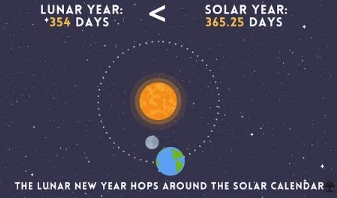
lunar year

/ˈluː.nɚ jɪr/

(noun) año lunar

Ejemplo:

The Islamic calendar is based on the lunar year.
El calendario islámico se basa en el año lunar.

later on

/ˈleɪ.tər ɑːn/

(adverb) más tarde, después

Ejemplo:

I'll talk to you later on.
Hablaré contigo más tarde.

prehistoric

/ˌpriː.hɪˈstɔːr.ɪk/

(adjective) prehistórico, anticuado, primitivo

Ejemplo:
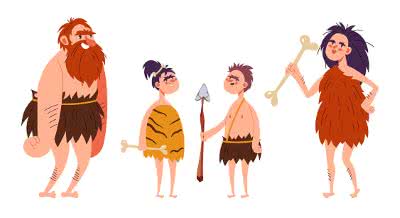
Dinosaurs lived in prehistoric times.
Los dinosaurios vivieron en tiempos prehistóricos.

primitive

/ˈprɪm.ə.t̬ɪv/

(adjective) primitivo, original, rudimentario;

(noun) primitivo, hombre primitivo

Ejemplo:
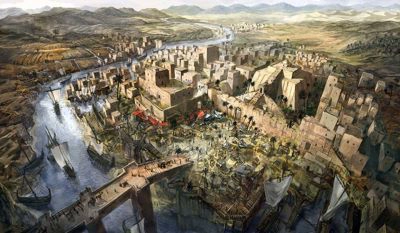
Early humans used primitive tools for hunting.
Los primeros humanos usaban herramientas primitivas para cazar.

civilization

/ˌsɪv.əl.əˈzeɪ.ʃən/

(noun) civilización, proceso de civilizar

Ejemplo:

Ancient Egypt was a highly advanced civilization.
El antiguo Egipto fue una civilización muy avanzada.

historian

/hɪˈstɔːr.i.ən/

(noun) historiador, historiadora

Ejemplo:

The renowned historian presented a new theory on ancient civilizations.
El renombrado historiador presentó una nueva teoría sobre las civilizaciones antiguas.

medieval

/ˌmed.iˈiː.vəl/

(adjective) medieval, anticuado, primitivo

Ejemplo:
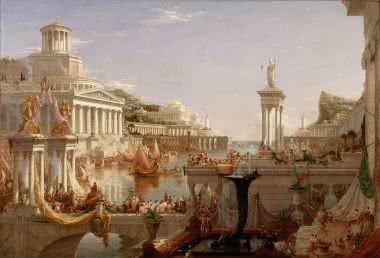
They visited a well-preserved medieval castle.
Visitaron un castillo medieval bien conservado.

golden age

/ˈɡoʊl.dən ˌeɪdʒ/

(noun) edad de oro, época dorada

Ejemplo:
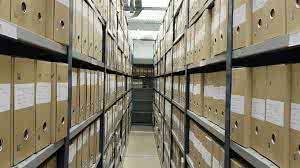
The 1950s are often considered the golden age of Hollywood.
Los años 50 son a menudo considerados la edad de oro de Hollywood.

archive

/ˈɑːr.kaɪv/

(noun) archivo;

(verb) archivar

Ejemplo:

The university maintains a vast archive of historical manuscripts.
La universidad mantiene un vasto archivo de manuscritos históricos.

origin

/ˈɔːr.ə.dʒɪn/

(noun) origen, fuente, principio

Ejemplo:
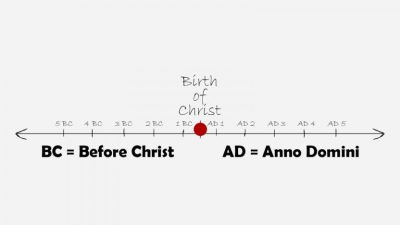
The river's origin is in the mountains.
El origen del río está en las montañas.

Anno Domini

/ˌæn.oʊ ˈdɑː.mɪ.ni/

(adverb) después de Cristo, d.C.

Ejemplo:
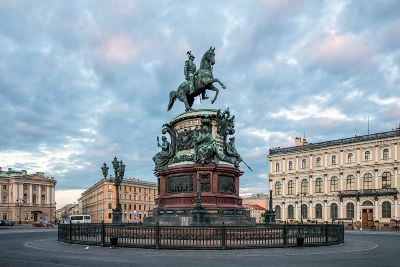
The Roman Empire reached its greatest extent in 117 Anno Domini.
El Imperio Romano alcanzó su mayor extensión en el año 117 después de Cristo.

monument

/ˈmɑːn.jə.mənt/

(noun) monumento, memorial, evidencia duradera

Ejemplo:
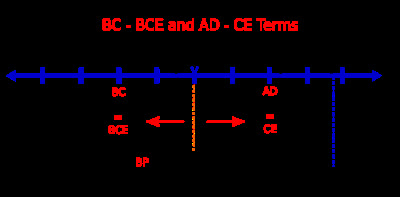
The Washington Monument is a famous landmark in the United States.
El Monumento a Washington es un famoso punto de referencia en los Estados Unidos.

Common Era

/ˈkɑː.mən ˈer.ə/

(noun) Era Común, E.C.

Ejemplo:

The Roman Empire reached its peak in the second century of the Common Era.
El Imperio Romano alcanzó su apogeo en el siglo II de la Era Común.
Aprende este conjunto de vocabulario en Lingoland