Avatar of Vocabulary Set 動物界

TOEFL上級語彙 内 動物界 語彙セット:完全かつ詳細なリスト

「TOEFL上級語彙」内の「動物界」語彙セットは国際標準教材から厳選され、短期間で語彙をマスターできます。定義、例文、標準発音を網羅…

Lingolandでこの語彙セットを学習

今すぐ学習
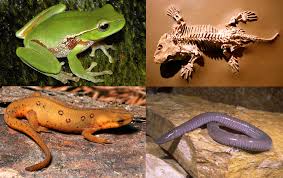
amphibious

/æmˈfɪb.i.əs/

(adjective) 両生の, 水陸両用の

例:

Frogs are amphibious animals that live on land and in water.
カエルは陸上と水中の両方で生活する両生動物です。

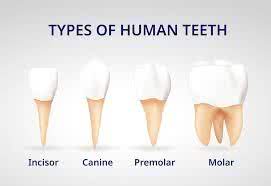
canine

/ˈkeɪ.naɪn/

(adjective) 犬の, 犬科の;

(noun) イヌ科の動物, 犬, 犬歯

例:
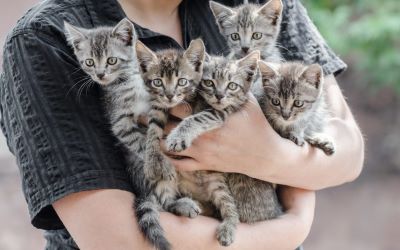
The veterinarian specializes in canine health.
獣医は犬の健康を専門としている。

feline

/ˈfiː.laɪn/

(adjective) 猫の, ネコ科の, 猫のような;

(noun) ネコ科動物, 猫

例:
The veterinarian specializes in feline diseases.
獣医は猫の病気に特化している。

whisker

/ˈwɪs.kɚ/

(noun) ひげ, もみあげ

例:

The cat twitched its whiskers.
猫はひげをぴくぴくさせた。

tusk

/tʌsk/

(noun) 牙, 象牙;

(verb) 牙で突く, 牙で傷つける

例:
The elephant's magnificent tusks were a sight to behold.
ゾウの壮大なは見るべき光景だった。

snout

/snaʊt/

(noun) 鼻, 口吻, でかい鼻

例:

The pig rooted around with its snout in the mud.
豚はを泥に突っ込んで掘り起こした。

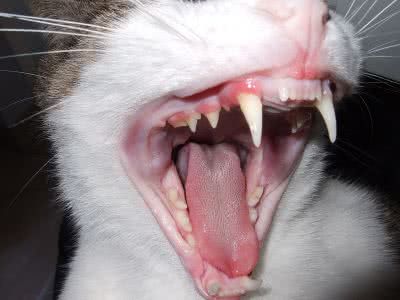
fang

/fæŋ/

(noun) 牙, 犬歯

例:

The vampire bat extended its sharp fangs.
吸血コウモリは鋭いを伸ばした。

fauna

/ˈfɑː.nə/

(noun) 動物相, 動物群

例:

The diverse fauna of the Amazon rainforest includes jaguars, monkeys, and countless bird species.
アマゾンの熱帯雨林の多様な動物相には、ジャガー、サル、そして数えきれないほどの鳥類が含まれます。

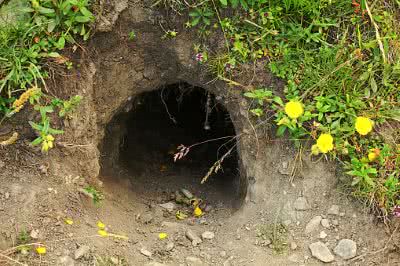
lair

/ler/

(noun) ねぐら, 隠れ家, 秘密基地

例:

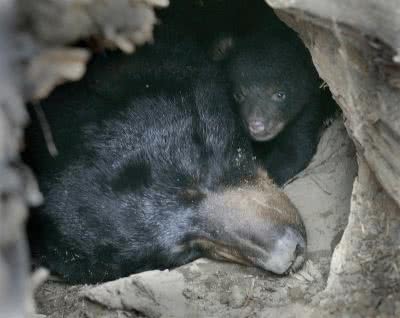
The bear retreated to its lair for the winter.
クマは冬の間、ねぐらに引きこもった。

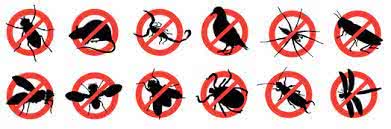
vermin

/ˈvɝː.mɪn/

(noun) 害獣, 害虫, クズ

例:

The farmer used traps to control the vermin in his barn.
農夫は納屋の害獣を駆除するために罠を使った。

game

/ɡeɪm/

(noun) ゲーム, 競技, 獲物;

(verb) 操作する, だます;

(adjective) 乗り気な, 意欲的な

例:
Let's play a board game tonight.
今夜はボードゲームをしましょう。

graze

/ɡreɪz/

(verb) 草を食べる, 放牧する, かすめる;

(noun) 擦り傷, かすり傷

例:
Cows were grazing peacefully in the meadow.
牛たちは牧草地で穏やかに草を食べていた

hibernate

/ˈhaɪ.bɚ.neɪt/

(verb) 冬眠する, 休止する, 休止状態になる

例:

Bears typically hibernate during the colder months.
クマは通常、寒い時期に冬眠します

litter

/ˈlɪt̬.ɚ/

(noun) ごみ, 散乱物, 子;

(verb) 散らかす, 汚す

例:
Please don't drop litter on the streets.
通りにごみを捨てないでください。

prey

/preɪ/

(noun) 獲物, 餌食, 犠牲者;

(verb) 捕食する, 餌食にする, 食い物にする

例:
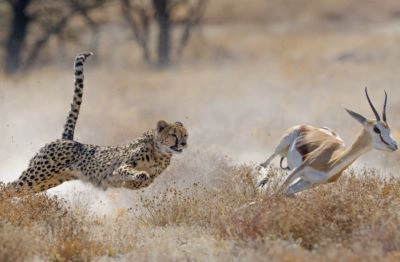
The lion stalked its prey through the tall grass.
ライオンは背の高い草の中を獲物を追跡した。

bird of prey

/ˌbɜːrd əv ˈpreɪ/

(noun) 猛禽類, 捕食鳥

例:

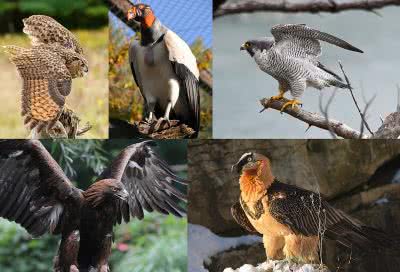
Eagles are magnificent birds of prey.
ワシは壮大な猛禽類です。

chirp

/tʃɝːp/

(noun) さえずり, 鳴き声;

(verb) さえずる, 鳴く

例:

We woke up to the pleasant chirp of birds outside our window.
窓の外の鳥の心地よいさえずりで目が覚めた。

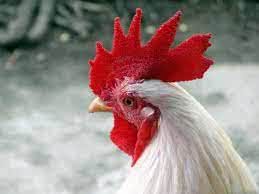
crest

/krest/

(noun) とさか, 冠毛, 波頭;

(verb) 頂上を越える, 頂点に達する

例:
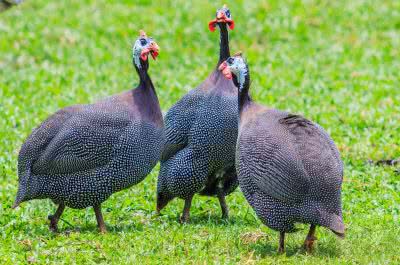
The rooster had a bright red crest.
雄鶏には鮮やかな赤いとさかがあった。

fowl

/faʊl/

(noun) 家禽, 鳥;

(verb) 鳥を狩る, 鳥を捕まえる

例:

The farmer raised various types of fowl on his farm.
農家は農場で様々な種類の家禽を飼育していた。

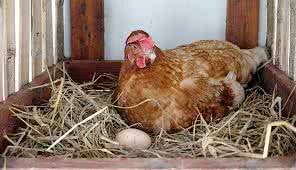
incubate

/ˈɪŋ.kjə.beɪt/

(verb) 抱卵する, 孵化させる, 潜伏する

例:

The hen will incubate her eggs for 21 days.
雌鶏は21日間卵を抱卵します。

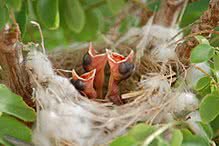
nestling

/ˈnest.lɪŋ/

(noun) ひな鳥, 巣立ち前の鳥

例:

The mother bird fed the hungry nestling.
母鳥は空腹のひな鳥に餌を与えた。

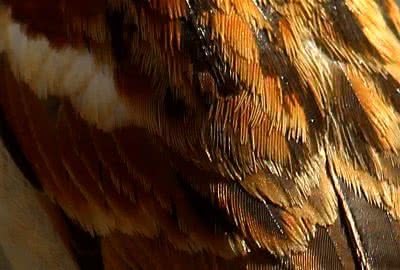
plumage

/ˈpluː.mɪdʒ/

(noun) 羽毛, 鳥の羽

例:

The peacock displayed its magnificent plumage.
クジャクは壮大な羽毛を見せつけた。

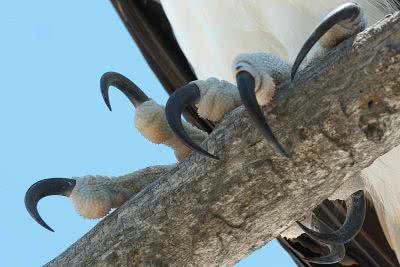
talon

/ˈtæl.ən/

(noun) かぎ爪, 猛禽類の爪

例:

The eagle gripped its prey with sharp talons.
ワシは鋭いかぎ爪で獲物を捕らえた。

sponge

/spʌndʒ/

(noun) スポンジ, 海綿, たかり屋;

(verb) 吸い取る, 吸収する, たかる

例:

Please wipe the counter with a damp sponge.
湿ったスポンジでカウンターを拭いてください。

school

/skuːl/

(noun) 学校, 授業, 学期;

(verb) 教える, 訓練する

例:

My daughter starts school next year.
娘は来年学校に通い始めます。

clam

/klæm/

(noun) アサリ, ハマグリ;

(verb) 口を閉じる, 閉鎖する

例:

We dug for clams on the beach.
私たちはビーチでアサリを掘った。

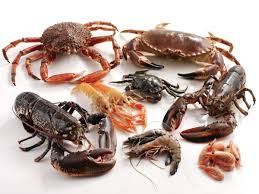
crustacean

/krʌsˈteɪ.ʃən/

(noun) 甲殻類

例:

Lobsters and crabs are common types of crustaceans.
ロブスターやカニは一般的な甲殻類です。

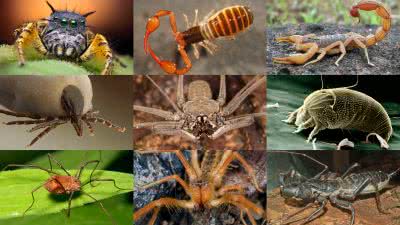
arachnid

/əˈræk.nɪd/

(noun) クモ綱

例:

Spiders, scorpions, ticks, and mites are all types of arachnids.
クモ、サソリ、ダニ、マダニはすべてクモ綱の仲間です。

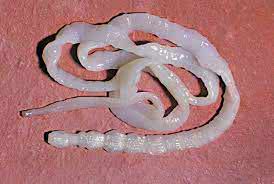
tapeworm

/ˈteɪp.wɝːm/

(noun) サナダムシ, 条虫

例:

The veterinarian found a tapeworm in the dog's stool sample.
獣医は犬の便のサンプルからサナダムシを発見した。

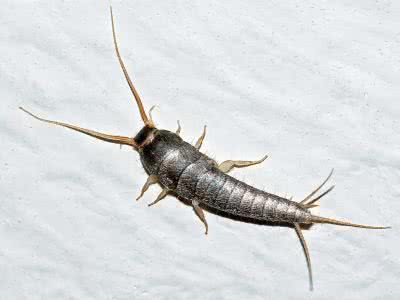
silverfish

/ˈsɪl.vɚ.fɪʃ/

(noun) シミ

例:

I found a silverfish in the old book.
古い本の中にシミを見つけました。

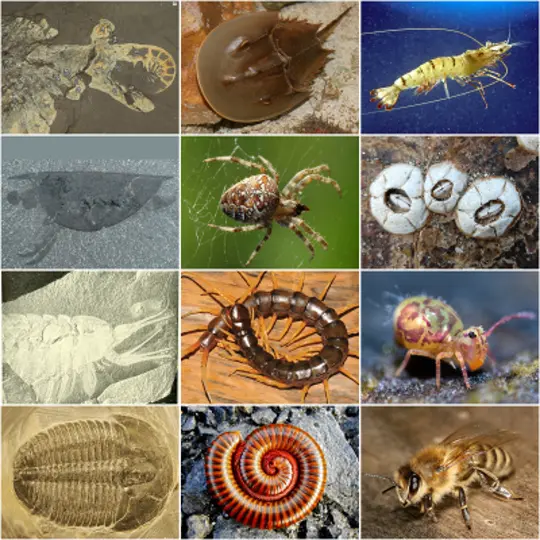
arthropod

/ˈɑːr.θrə.pɑːd/

(noun) 節足動物

例:

Spiders, insects, and crustaceans are all types of arthropods.
クモ、昆虫、甲殻類はすべて節足動物の一種です。

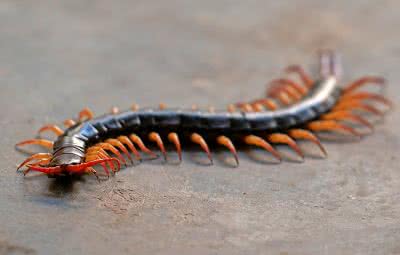
centipede

/ˈsen.t̬ə.piːd/

(noun) ムカデ

例:

The gardener found a large centipede under the rock.
庭師は岩の下で大きなムカデを見つけた。

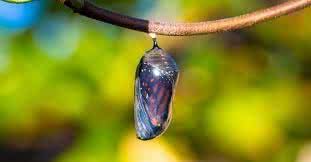
chrysalis

/ˈkrɪs.əl.ɪs/

(noun) さなぎ, 保護された状態

例:

The caterpillar transformed into a beautiful chrysalis.
イモムシは美しいさなぎに変身した。

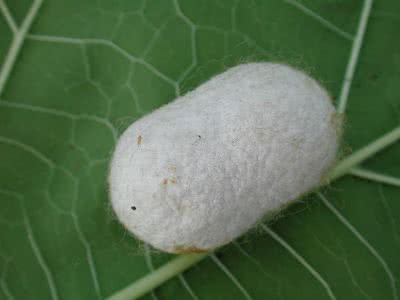
cocoon

/kəˈkuːn/

(noun) 繭, 保護膜;

(verb) 包む, 守る

例:

The caterpillar spun a beautiful cocoon before transforming into a butterfly.
毛虫は蝶に変身する前に美しいを紡いだ。

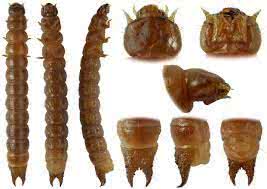
larva

/ˈlɑːr.və/

(noun) 幼虫

例:

The butterfly larva is a caterpillar.
蝶の幼虫はイモムシです。

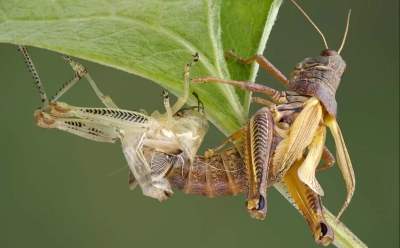
exoskeleton

/ˌek.soʊˈskel.ət̬ən/

(noun) 外骨格, 外部骨格

例:

Insects have a hard exoskeleton that protects their soft bodies.
昆虫は柔らかい体を保護する硬い外骨格を持っています。

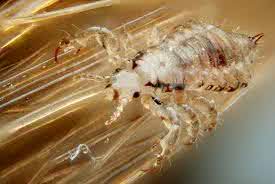
louse

/laʊs/

(noun) シラミ, 嫌なやつ, 卑劣な人

例:

The dog was scratching because it had a louse.
犬はシラミがいたのでかゆがっていた。

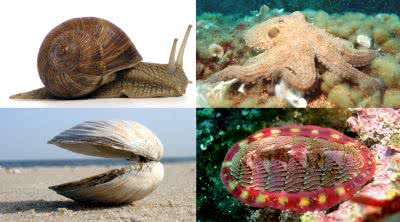
mollusk

/ˈmɑː.ləsk/

(noun) 軟体動物

例:

Snails are a common type of mollusk found in gardens.
カタツムリは庭でよく見られる一般的な軟体動物です。

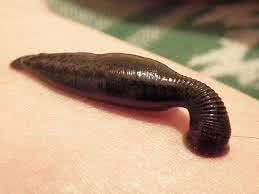
leech

/liːtʃ/

(noun) ヒル, たかり屋, 寄生虫;

(verb) たかる, 寄生する

例:

The doctor used a leech to reduce swelling.
医師は腫れを抑えるためにヒルを使った。
Lingolandでこの語彙セットを学習