Avatar of Vocabulary Set 동물의 왕국

TOEFL 고급 어휘 내 동물의 왕국 어휘 세트: 완전하고 상세한 목록

'TOEFL 고급 어휘' 내 '동물의 왕국' 어휘 세트는 국제 표준 교재 출처에서 엄선되어 짧은 시간 안에 어휘를 마스터할 수 있도록 도와줍니다. 정의, 예문, 표준 발음을 완벽하게 수록...

Lingoland에서 이 어휘 세트 학습하기

지금 학습하기
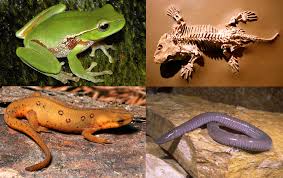
amphibious

/æmˈfɪb.i.əs/

(adjective) 양서류의, 수륙 양용의

예시:

Frogs are amphibious animals that live on land and in water.
개구리는 육지와 물에서 사는 양서 동물입니다.

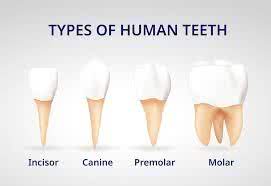
canine

/ˈkeɪ.naɪn/

(adjective) 개의, 개과 동물의;

(noun) 개과 동물, 개, 송곳니

예시:
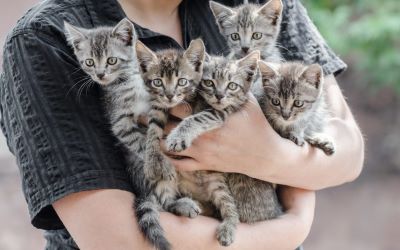
The veterinarian specializes in canine health.
수의사는 개의 건강을 전문으로 한다.

feline

/ˈfiː.laɪn/

(adjective) 고양이의, 고양이과, 고양이 같은;

(noun) 고양이과 동물, 고양이

예시:
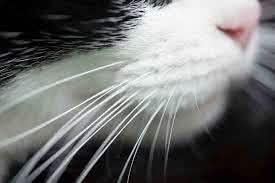
The veterinarian specializes in feline diseases.
수의사는 고양이 질병을 전문으로 한다.

whisker

/ˈwɪs.kɚ/

(noun) 수염, 구레나룻

예시:

The cat twitched its whiskers.
고양이가 수염을 씰룩거렸다.

tusk

/tʌsk/

(noun) 상아, 엄니;

(verb) 엄니로 찌르다, 엄니로 상처 입히다

예시:
The elephant's magnificent tusks were a sight to behold.
코끼리의 웅장한 상아는 볼 만한 광경이었다.

snout

/snaʊt/

(noun) 코, 주둥이, 주둥이 (비하적)

예시:

The pig rooted around with its snout in the mud.
돼지는 를 진흙에 박고 뒤적거렸다.

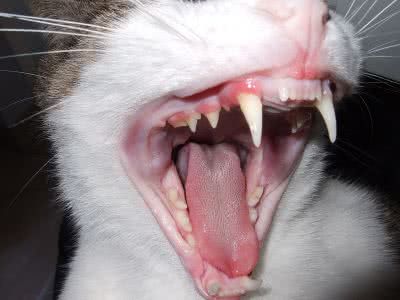
fang

/fæŋ/

(noun) 송곳니, 독니

예시:

The vampire bat extended its sharp fangs.
흡혈박쥐는 날카로운 송곳니를 드러냈다.

fauna

/ˈfɑː.nə/

(noun) 동물군, 동물상

예시:

The diverse fauna of the Amazon rainforest includes jaguars, monkeys, and countless bird species.
아마존 열대우림의 다양한 동물군에는 재규어, 원숭이, 그리고 수많은 조류가 포함됩니다.

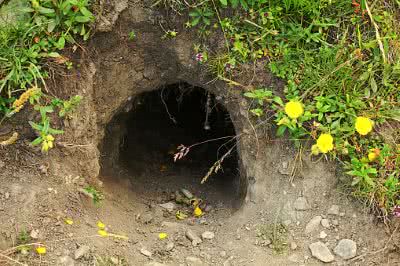
lair

/ler/

(noun) 굴, 소굴, 은신처

예시:

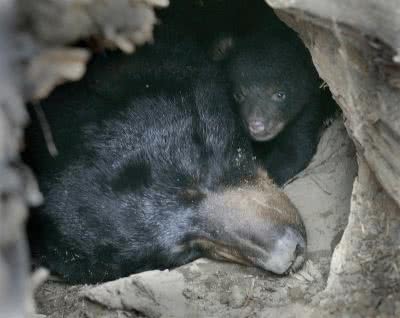
The bear retreated to its lair for the winter.
곰은 겨울을 나기 위해 로 돌아갔다.

vermin

/ˈvɝː.mɪn/

(noun) 해충, 유해 동물, 쓰레기

예시:

The farmer used traps to control the vermin in his barn.
농부는 헛간의 해충을 통제하기 위해 덫을 사용했다.

game

/ɡeɪm/

(noun) 게임, 경기, 사냥감;

(verb) 조작하다, 속이다;

(adjective) 준비된, 기꺼이 하는

예시:
Let's play a board game tonight.
오늘 밤 보드 게임을 하자.

graze

/ɡreɪz/

(verb) 풀을 뜯다, 방목하다, 스치다;

(noun) 찰과상, 긁힌 상처

예시:
Cows were grazing peacefully in the meadow.
소들이 목초지에서 평화롭게 풀을 뜯고 있었다.

hibernate

/ˈhaɪ.bɚ.neɪt/

(verb) 동면하다, 중단되다, 최대 절전 모드로 전환되다

예시:

Bears typically hibernate during the colder months.
곰은 보통 추운 달 동안 동면한다.

litter

/ˈlɪt̬.ɚ/

(noun) 쓰레기, 새끼, 한배;

(verb) 어지럽히다, 버리다

예시:
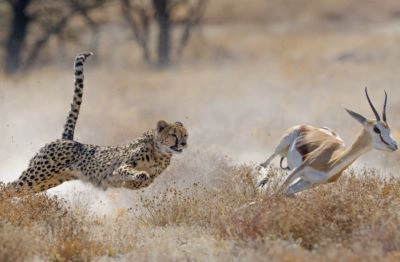
Please don't drop litter on the streets.
길거리에 쓰레기를 버리지 마세요.

prey

/preɪ/

(noun) 먹이, 사냥감, 희생양;

(verb) 사냥하다, 잡아먹다, 착취하다

예시:
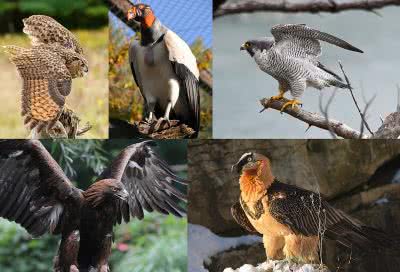
The lion stalked its prey through the tall grass.
사자는 키 큰 풀밭을 통해 먹이를 쫓았다.

bird of prey

/ˌbɜːrd əv ˈpreɪ/

(noun) 맹금류, 수리류

예시:

Eagles are magnificent birds of prey.
독수리는 웅장한 맹금류이다.

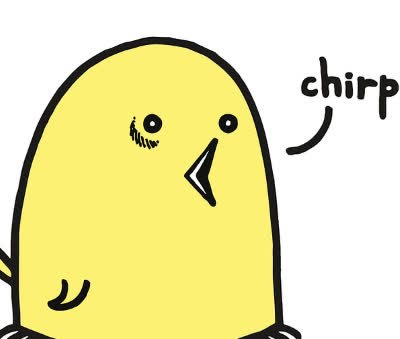
chirp

/tʃɝːp/

(noun) 지저귐, 울음소리;

(verb) 지저귀다, 울다

예시:
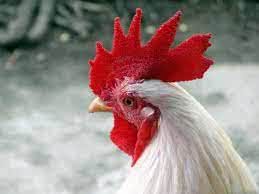
We woke up to the pleasant chirp of birds outside our window.
창밖 새들의 기분 좋은 지저귐에 잠에서 깼다.

crest

/krest/

(noun) 볏, 관모, 파도 마루;

(verb) 정상에 도달하다, 넘어서다

예시:
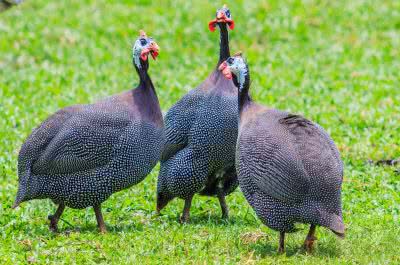
The rooster had a bright red crest.
수탉은 밝은 빨간색 을 가지고 있었다.

fowl

/faʊl/

(noun) 가금류, 새;

(verb) 새를 사냥하다, 새를 잡다

예시:
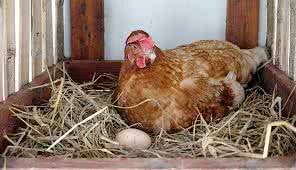
The farmer raised various types of fowl on his farm.
농부는 농장에서 다양한 종류의 가금류를 길렀다.

incubate

/ˈɪŋ.kjə.beɪt/

(verb) 품다, 부화시키다, 잠복하다

예시:

The hen will incubate her eggs for 21 days.
암탉은 21일 동안 알을 품을 것이다.

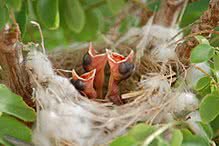
nestling

/ˈnest.lɪŋ/

(noun) 새끼 새, 둥지 새끼

예시:

The mother bird fed the hungry nestling.
어미 새는 배고픈 새끼 새에게 먹이를 주었다.

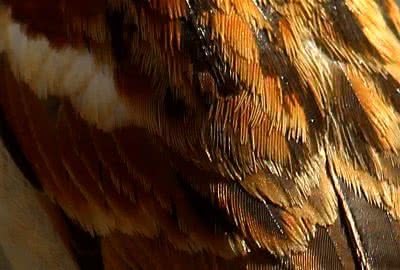
plumage

/ˈpluː.mɪdʒ/

(noun) 깃털, 새의 깃털

예시:

The peacock displayed its magnificent plumage.
공작은 웅장한 깃털을 뽐냈다.

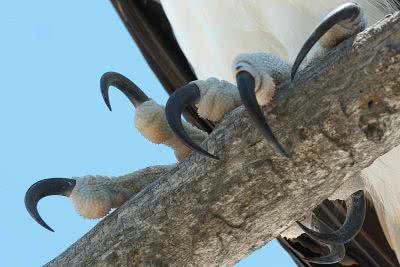
talon

/ˈtæl.ən/

(noun) 발톱, 맹금류의 발톱

예시:

The eagle gripped its prey with sharp talons.
독수리는 날카로운 발톱으로 먹이를 움켜쥐었다.

sponge

/spʌndʒ/

(noun) 스펀지, 빌붙어 사는 사람, 기생충;

(verb) 흡수하다, 빌붙어 살다, 기생하다

예시:

Please wipe the counter with a damp sponge.
젖은 스펀지로 카운터를 닦아주세요.

school

/skuːl/

(noun) 학교, 수업, 학기;

(verb) 가르치다, 훈련시키다

예시:

My daughter starts school next year.
내 딸은 내년에 학교에 간다.

clam

/klæm/

(noun) 조개, 대합;

(verb) 입을 닫다, 꽉 닫다

예시:

We dug for clams on the beach.
우리는 해변에서 조개를 캤다.

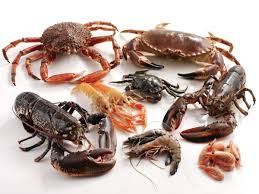
crustacean

/krʌsˈteɪ.ʃən/

(noun) 갑각류

예시:

Lobsters and crabs are common types of crustaceans.
랍스터와 게는 흔한 갑각류이다.

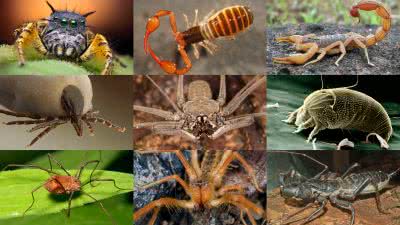
arachnid

/əˈræk.nɪd/

(noun) 거미류

예시:

Spiders, scorpions, ticks, and mites are all types of arachnids.
거미, 전갈, 진드기, 응애는 모두 거미류의 일종이다.

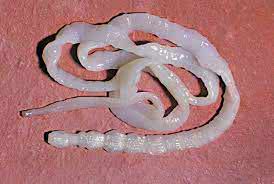
tapeworm

/ˈteɪp.wɝːm/

(noun) 촌충, 조충

예시:

The veterinarian found a tapeworm in the dog's stool sample.
수의사는 개의 대변 샘플에서 촌충을 발견했다.

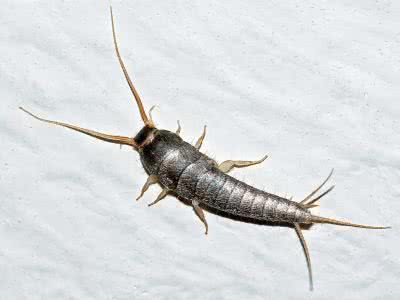
silverfish

/ˈsɪl.vɚ.fɪʃ/

(noun) 좀벌레

예시:

I found a silverfish in the old book.
오래된 책에서 좀벌레를 발견했다.

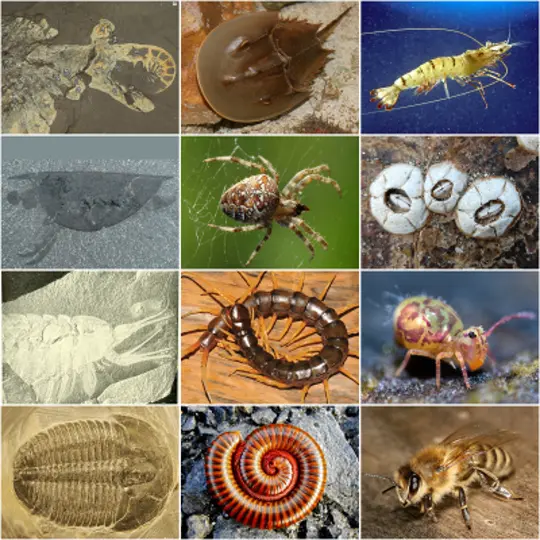
arthropod

/ˈɑːr.θrə.pɑːd/

(noun) 절지동물

예시:

Spiders, insects, and crustaceans are all types of arthropods.
거미, 곤충, 갑각류는 모두 절지동물의 일종이다.

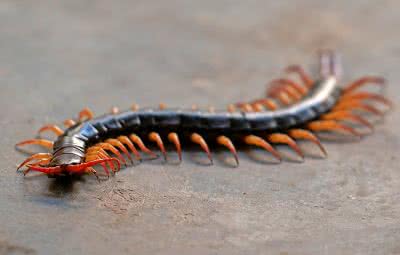
centipede

/ˈsen.t̬ə.piːd/

(noun) 지네

예시:

The gardener found a large centipede under the rock.
정원사는 바위 밑에서 큰 지네를 발견했다.

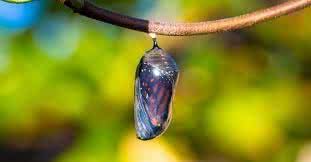
chrysalis

/ˈkrɪs.əl.ɪs/

(noun) 번데기, 보호막

예시:

The caterpillar transformed into a beautiful chrysalis.
애벌레는 아름다운 번데기로 변태했다.

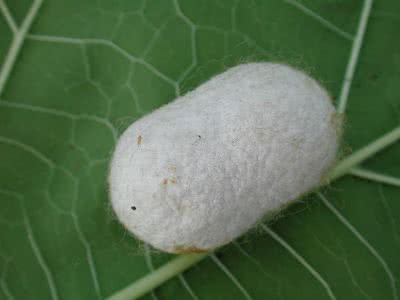
cocoon

/kəˈkuːn/

(noun) 고치, 보호막;

(verb) 감싸다, 보호하다

예시:
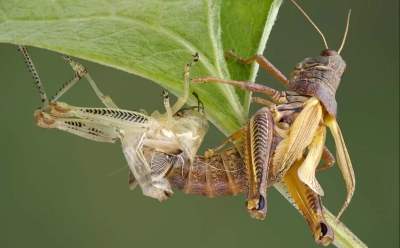
The caterpillar spun a beautiful cocoon before transforming into a butterfly.
애벌레는 나비로 변하기 전에 아름다운 고치를 만들었다.

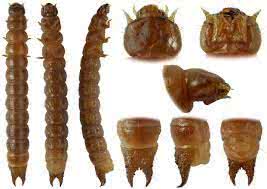
larva

/ˈlɑːr.və/

(noun) 유충

예시:

The butterfly larva is a caterpillar.
나비 유충은 애벌레이다.

exoskeleton

/ˌek.soʊˈskel.ət̬ən/

(noun) 외골격, 외부 지지대

예시:

Insects have a hard exoskeleton that protects their soft bodies.
곤충은 부드러운 몸을 보호하는 단단한 외골격을 가지고 있습니다.

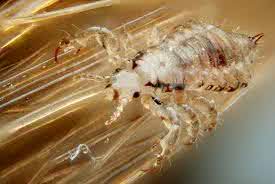
louse

/laʊs/

(noun) 이, 비열한 사람, 악당

예시:

The dog was scratching because it had a louse.
개가 때문에 가려워하고 있었다.

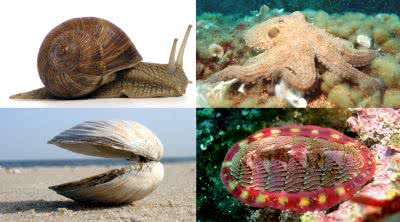
mollusk

/ˈmɑː.ləsk/

(noun) 연체동물

예시:

Snails are a common type of mollusk found in gardens.
달팽이는 정원에서 흔히 발견되는 일반적인 연체동물입니다.

leech

/liːtʃ/

(noun) 거머리, 기생충, 빌붙는 사람;

(verb) 뜯어내다, 기생하다

예시:

The doctor used a leech to reduce swelling.
의사는 부기를 줄이기 위해 거머리를 사용했다.
Lingoland에서 이 어휘 세트 학습하기